
Browse our collection of action reviews and ratings.Showing 12 of 26 reviews.
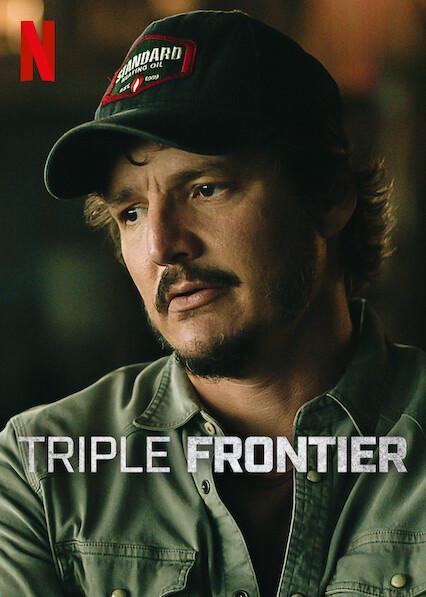
Triple Frontier is a 2019 action thriller about five ex-special forces buddies who reunite for a risky heist against a South American drug lord. What grabbed me from the start was the blend of old-school camaraderie and the moral complications that arise as things go sideways. The setup is lean and draws you in with the promise of a high-stakes, boots-on-the-ground adventure rather than something overly slick or full of wild CGI. The cast is stacked with solid performers like Oscar Isaac, Ben Affleck, and Pedro Pascal, and they play off each other in a way that actually feels lived in. You get a sense these guys have history, and the film really lets that inform their decisions once the job (predictably) goes sideways. There’s a level of exhaustion and desperation to Affleck’s performance especially, which grounds the story and gives it a slightly sad, worn-out energy. What I liked most is the film’s commitment to realism — not just military tactics, but the fallout from greed and guilt. The action sequences are well-directed and tense without being cartoonish. Some moments, like the slow crossing of the Andes or the claustrophobic firefights, feel physically heavy; you can practically sense the altitude and the exhaustion of the characters. On the downside, I thought the plot started to drag in the last act. The script struggles a bit to maintain the same intensity after the heist, and there are a couple of story turns that seem a bit convenient. It’s not a movie you’ll watch for a twisty plot or super deep character study, but it’s got more substance than your average shoot-’em-up. You would enjoy this if you’re into action movies where the stakes feel personal, and where the aftermath matters just as much as the explosions. It’s perfect for fans of films like Sicario, Heat, or even The Town, who don’t mind a thriller that emphasizes mood and moral gray areas over nonstop spectacle.
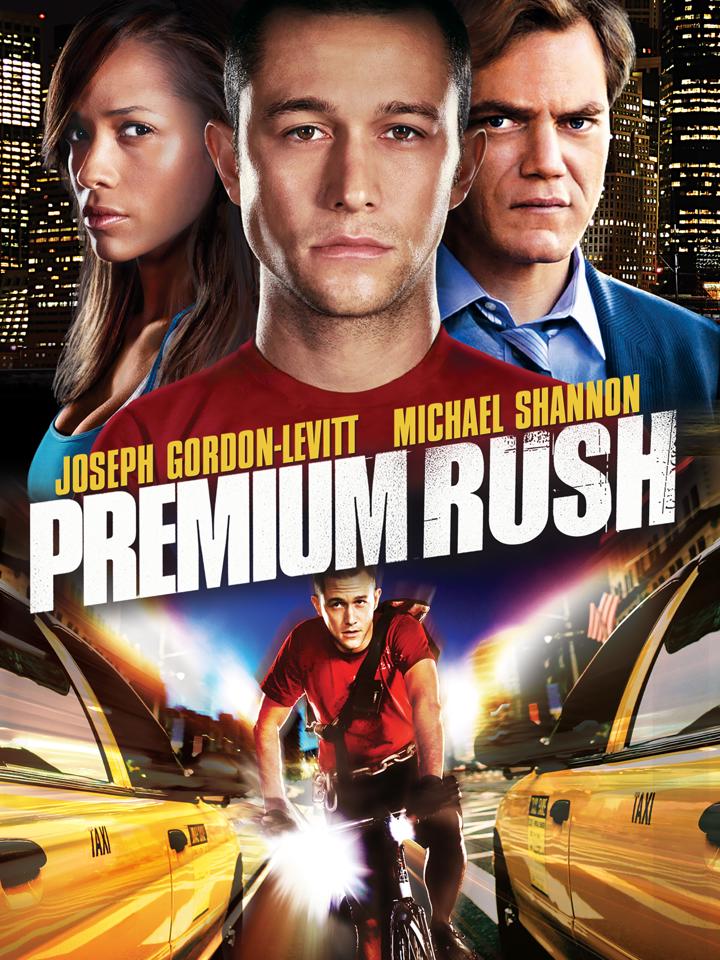
Premium Rush is one of those adrenaline-fueled action movies that somehow slipped under the radar for most people. It stars Joseph Gordon-Levitt as a New York City bike messenger who gets swept into a dangerous chase across Manhattan when a mysterious envelope lands in his hands. The plot is simple, but it works well—the whole movie feels like one long, intense bike ride, weaving in and out of traffic with near-misses and close calls at every turn. What really stands out are the chase sequences—honestly, some of the best urban action set pieces I've seen in a while. The way the camera follows the riders, often from unconventional angles or right in the thick of it, does a great job of putting you in the rider's seat. There’s a really kinetic energy that runs throughout, and director David Koepp makes the most of the claustrophobic city streets. The story isn’t groundbreaking by any means—it’s mostly about the chase—but it throws enough twists and little character moments to keep you interested. Michael Shannon plays the over-the-top, slightly unhinged antagonist, and honestly, he’s having a blast with it. Gordon-Levitt nails the charm and endurance needed for the role, keeping you rooting for him even as things get wild. If there’s a weak point, it’s probably the dialogue and the side characters. Some lines land a bit flat, and certain characters feel more like obstacles than people, but it never gets bad enough to take you out of the adrenaline rush. The pacing occasionally hits a snag, but the film always gets back on track—sometimes literally, as it rockets down another street. You would enjoy this if you love high-energy, urban action with a unique twist, or if you want to see something a little different from the standard car chase fare. It’s perfect for anyone who likes their thrills grounded in real-world physics (mostly) and who appreciates seeing New York City used as more than just a backdrop.
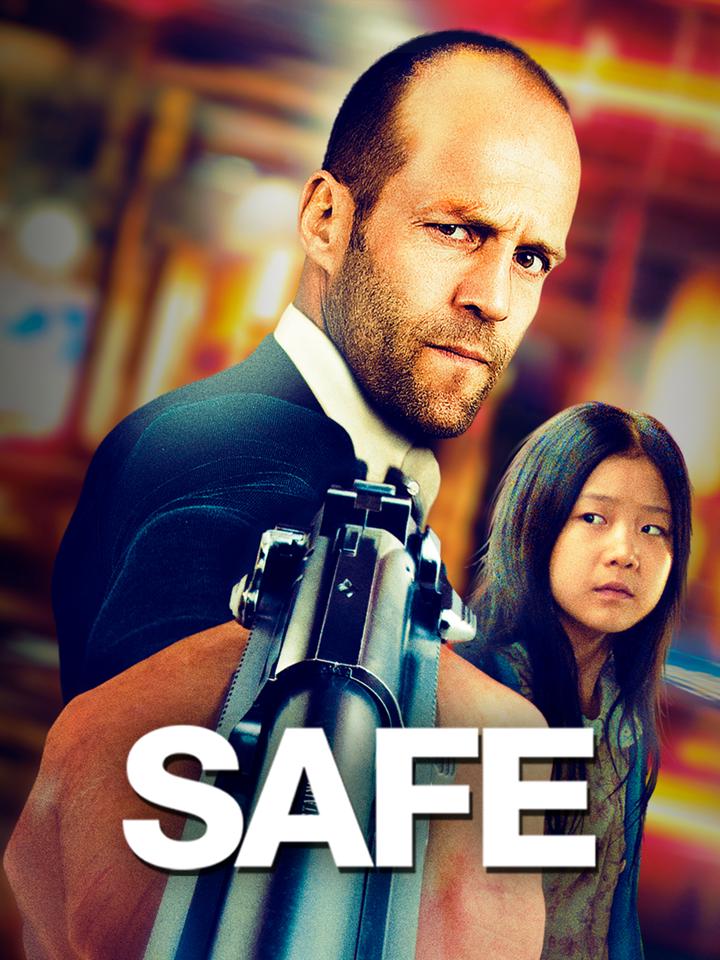
"Safe" is one of those Jason Statham action flicks from the early 2010s that flew under the radar but has a little more punch than most people expect. The story centers on Statham’s character, a former cage fighter whose life is in a mess until he stumbles upon a young girl on the run from both the Triads and corrupt NYPD officers. It’s classic man-on-a-mission territory, but the plot gets a bit of traction from the unlikely bond that builds between the bruised hero and the genius kid. What really works here is the pacing. It never drags or gets too muddled in exposition. The action is rapid-fire and decently shot, with some inventive shootouts in cramped New York apartments and bustling subways. There’s a certain punchiness to the fight choreography, and the film keeps doubling down on its stakes—just when you think Statham has fought his way out, there’s another obstacle right around the corner. On the flip side, the villains are pretty one-note. You’ve got your standard-issue Russian mobsters, Chinese gangsters, and crooked cops, but none of them really stick out. The dialogue can also feel a touch generic at times, and I wish the movie gave its supporting cast more room to breathe. That said, the little girl (played by Catherine Chan) brings some real heart to the story—her chemistry with Statham is honestly the biggest surprise in the film. Visually, "Safe" sticks to a gritty, blue-tinged palette that fits the hard-edged streets of New York. The cinematography isn’t groundbreaking, but it’s slick enough to keep everything coherent during the chaotic gunfights and chases. Director Boaz Yakin manages to keep things tight, with just enough visual clarity and energy to make everything feel urgent and lived-in. You would enjoy this if you like your action movies a little off the beaten path with a bare-knuckle hero and nonstop momentum—think something between Transporter and Man on Fire, but less glossy and more street-level. It’s not a genre-redefining classic, but it’s a solid watch for a Friday night when you just want to see Jason Statham clean house.
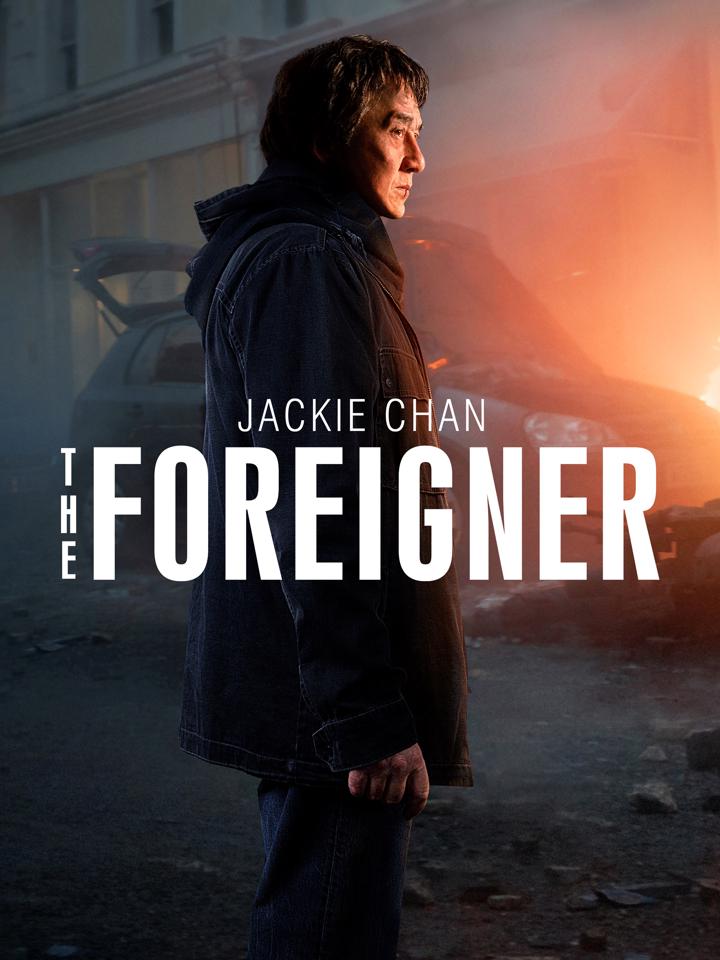
Have you ever seen Jackie Chan in a purely serious, gritty role? "The Foreigner" was a real surprise to me, honestly. Set in London and featuring Pierce Brosnan alongside Chan, the film centers on a father’s desperate quest for justice after his daughter is killed in a terrorist attack. It's not the standard Chan action-comedy — instead, it broods, burns slow, and has this simmering undercurrent of political intrigue involving the IRA. What stood out most was Jackie Chan's performance. He plays broken, grieving, and quietly determined so convincingly, you forget his usual on-screen persona. There's very little comic relief here; his pain feels raw and genuine, and it adds layers to what could have just been a straightforward revenge thriller. Brosnan, playing a former IRA leader tangled in murky politics, holds his own too, and their scenes together are charged with tension. The action itself is tightly choreographed but realistic. It isn't a non-stop barrage — when violence happens, it feels sudden and impactful. Some sequences channel old-school "mission" energy: think home-made traps and gritty hand-to-hand fights, but all with a more grounded, brutal edge rather than stylish spectacle. The cinematography leans grey and cold, which really amplifies the bleakness without feeling cheap or generic. A minor letdown is the film's pacing; the middle sags a touch, especially as it leans into the political subplots. These moments are ambitious, but sometimes muddy the focus away from Chan's central arc. Also, a few supporting characters feel thinly sketched, which can make the story’s stakes wobble a bit. But by the finale, it recovers its intensity and doesn't shy from the consequences. You would enjoy this if you like tough, revenge-driven stories that aren't all shine and heroics. If you’ve wondered what a grimmer Jackie Chan movie might look like — or if you’re drawn to thrillers where the emotional weight feels just as potent as the action — "The Foreigner" is a solid pick that delivers more than just fists and explosions.
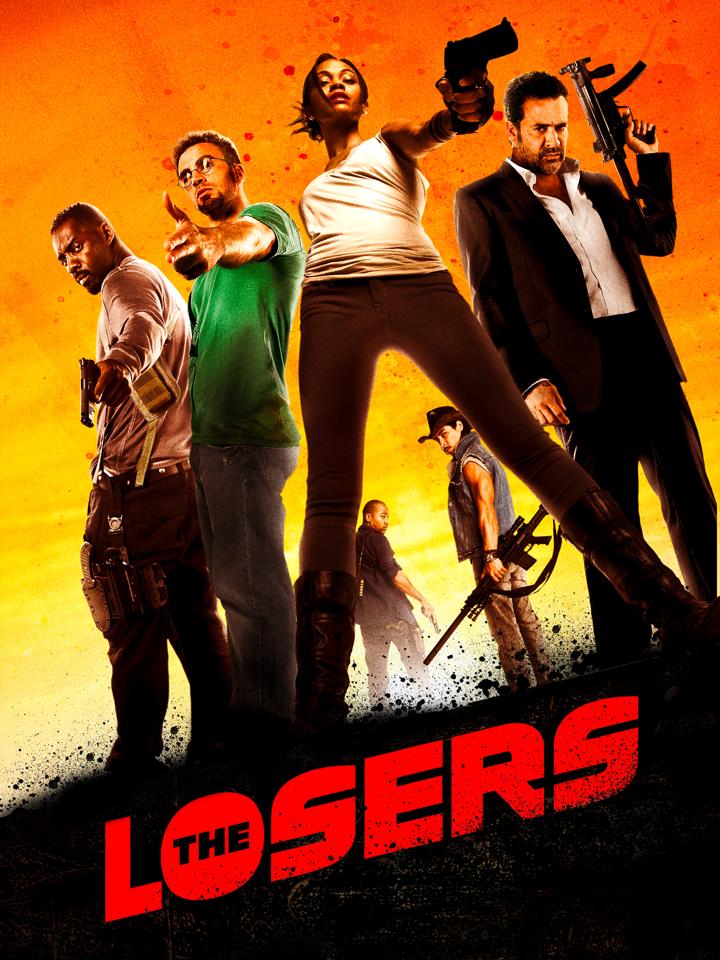
So, if you’ve ever been in the mood for a punchy, offbeat action flick that never takes itself too seriously, The Losers (2010) might just fit the bill. It’s based on a DC Vertigo comic and centers around a team of black-ops commandos who get betrayed by the government and have to go rogue to clear their names. The premise itself is a classic “wronged unit fights back” story, but there’s a stylized, comic-book pop to everything — from the snappy editing to the splashy title cards — that gives it its own vibe. What stood out most to me is the chemistry within the cast. You get Jeffrey Dean Morgan, Idris Elba, Zoe Saldana, and Chris Evans — all absolutely chewing scenery in the best way, with banter that’s genuinely fun. Chris Evans, in particular, steals pretty much every scene he’s in, bringing a goofy, likable energy. The whole crew feels like a ragtag family, and it’s easy to root for them, even if you know where things are heading. Cinematography-wise, it’s slick without being too flashy, leaning into its comic roots with bold colors and big action set pieces. Some of the stunts stretch belief, but honestly, that’s half the fun — explosions, high-speed chases, and gunfights all have a slightly exaggerated, almost cartoonish flair. It never goes fully over-the-top, though, so you’re still invested instead of just rolling your eyes. There are a few rough edges, though. The villain (Jason Patric) feels one-note and almost purposefully hammy, which works for the movie’s tone, but doesn’t make him feel like a real threat. The storyline itself is very much “by the numbers”: you can see a lot of the twists coming, and it leans heavily on action-flick tropes. Still, it never drags thanks to its brisk pacing and the cast’s commitment. You would enjoy this if you want something lighter and less self-serious than most ensemble action movies, or if you’re a fan of quippy team dynamics and stylized shootouts. It isn’t going to blow your mind, but it’s a genuinely entertaining ride for a chill movie night, especially if you like comic book adaptations that don’t come with the usual baggage.
So, The Shooter is one of those mid-90s action films that just sort of hums along in the background of the genre’s big blockbusters, but it’s got this grimy, European vibe that’s hard not to find intriguing. Dolph Lundgren stars as a U.S. marshal sent to Prague to investigate the assassination of a Cuban ambassador—and you get a really cool tour of Prague’s moody, rain-slicked streets in the process. The plot has a few nice twists and doesn’t always follow those familiar American action beats, which makes it feel a smidge fresher, even if some tropes still sneak in. What absolutely stands out here are the settings and the atmosphere. Unlike glitzy, CGI-heavy productions, The Shooter relies on stark Eastern European cityscapes and a practical approach to stunts and fight scenes. There’s a weight to the chases through narrow lanes, and the action doesn’t get too overblown, which keeps things just grounded enough. It all feels a bit more tactile—the kind of movie that smells like cold concrete and gun oil. Dolph Lundgren is pretty much what you expect: stoic, physically intimidating, quietly sympathetic, but not exactly bursting with range. That said, he has a presence that carries the movie through some of its slower stretches. Alexandra Kamp is a solid and mysterious foil, though some of the secondary characters fade into stereotypical baddie territory. It’s the sort of cast that doesn’t distract you too much—just the right amount of recognizable for the vibe. Where it falls short is in the emotional stakes. There aren’t really characters you get attached to, and there’s a certain flatness to how the story connects its dots. A few cheesy late-90s action one-liners sneak in, and the plot’s attempts at double-crosses and conspiracies sometimes feel more like padding than substance. Still, the film’s momentum and kinetic scenes keep things moving at a decent clip. You’d enjoy this if you’re into action flicks that aren’t afraid to slow down a little, or if you have a soft spot for 90s Euro-thrillers. It’s a solid pick for a Saturday night when you want gunfights, chases, and that slightly off-kilter international edge—just don’t expect anything too deep or revolutionary.
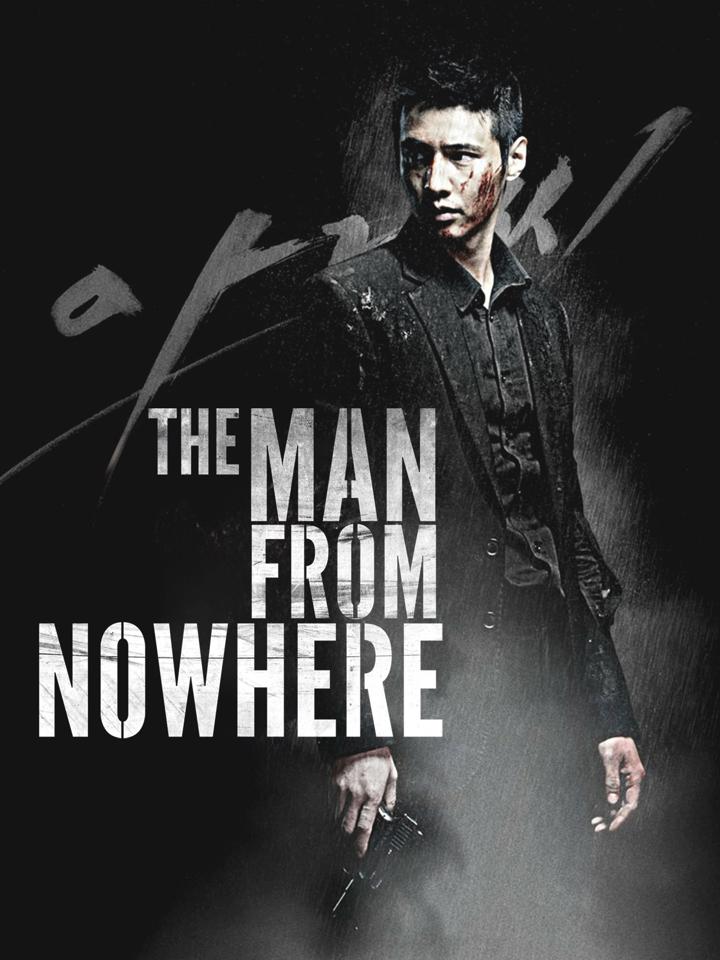
If you’re in the mood for an action thriller with some heart, "The Man from Nowhere" is a South Korean film worth checking out. The story revolves around a mysterious and solitary pawnshop keeper, Tae-sik, who gets pulled into the seedy underworld when a young neighbor girl he cares about is kidnapped. The setup is familiar but executed with surprising intensity—think "Taken," but much grittier and with a raw emotional core. What really stands out is the lead performance by Won Bin. He hardly says much, but you feel his pain and determination in every tense stare and desperate fight. There’s a special chemistry between him and the child actress, Kim Sae-ron, that makes the stakes feel genuinely personal. The action is visceral without being overblown, relying more on close-quarters combat than massive set pieces. Visually, the film has this cold, washed-out palette that fits the story’s violent world. The cinematography uses tight, claustrophobic shots to amplify the tension—especially during fight scenes, which are choreographed with a certain brutal elegance. It feels less like a glossy Hollywood production and more like a gritty, lived-in thriller where you wince at every punch. There are a few melodramatic touches that might not land for everyone—some parts are carried by sheer emotion rather than narrative logic. The middle does sag, with a bit too much exposition about gang politics, but it rallies for a satisfyingly cathartic final act. You do get attached to the characters even if some of the evil-doers feel one-note. You would enjoy this if you like your action movies dark but grounded, with a lot of heart and some real stakes. If you’re into films like "Oldboy" or "Leon: The Professional," or you appreciate tough protagonists with a soft spot, give this one a try.
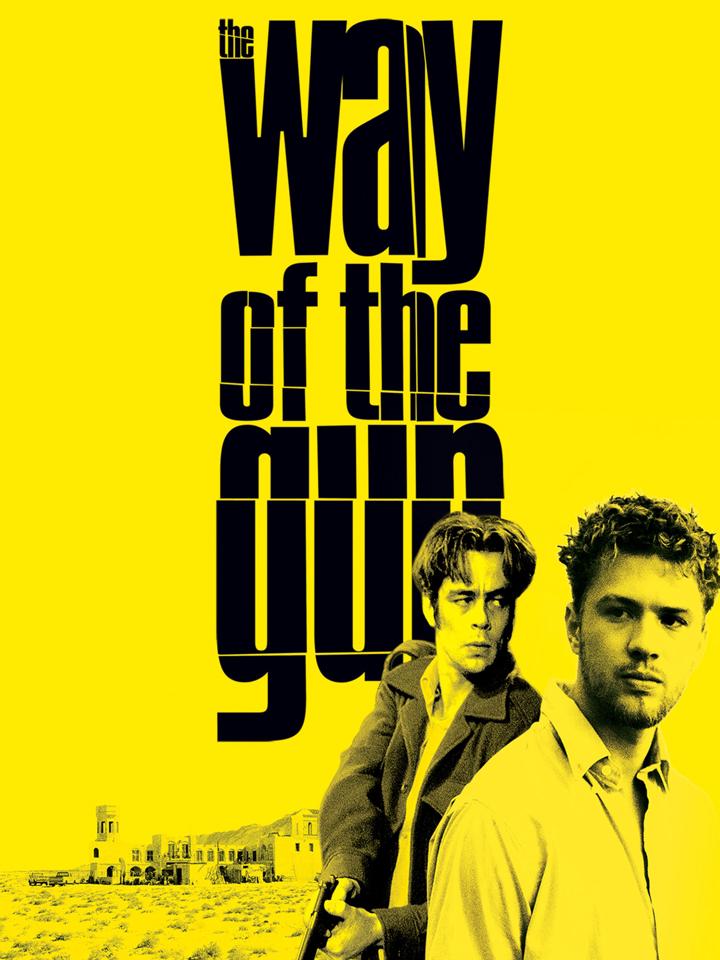
This is one of those action movies from the early 2000s that somehow slipped under the radar for most people, but it's a real gem if you like your crime thrillers with a bit more grit and unpredictability. "The Way of the Gun" is essentially a modern western dressed up as a heist/kidnap thriller, with Ryan Phillippe and Benicio del Toro as two cynical, drifting criminals who find themselves in way over their heads after kidnapping a surrogate mother connected to some dangerous people. What stood out to me instantly is just how dry-witted the dialogue is—it's written and directed by Christopher McQuarrie (who did "The Usual Suspects" script), so there's a sort of no-nonsense coolness to the way everyone talks. The story itself plays with your expectations; just when you think things will be slick and easy, something ugly or unpredictable happens. The humor is dark, sometimes mean-spirited, but never boring, and even the quieter moments feel tense. The action sequences feel super grounded—lots of loud, echoing gunfire, nobody's bulletproof, and people actually run out of ammo. It’s almost shocking compared to more stylized shootouts from the same era. The cinematography has that hot, dusty feel that really sells the Southwest setting, with some beautifully tense wide shots during the final standoff. I loved the way the film plays with empty spaces and silence—sometimes the anticipation is more stressful than the shootout. Where the movie sometimes stumbles is in how cold and unlikeable the main characters are. Aside from feeling for the poor surrogate mom (played fantastically by Juliette Lewis), everybody is deeply flawed or outright nasty. You don't always have someone to root for, which can make the film feel a little bleak. Also, the plot takes a couple of turns that might leave you scratching your head if you're not paying attention, but it's worth pushing through the confusion for the payoff. You would enjoy this if you’re into darker takes on the action genre—think more "No Country For Old Men" than "Die Hard"—and if you like movies where the criminals are just as lost as everyone else. It’s definitely not a crowd-pleaser, but if you want something off the beaten path, with sharp writing and no-nonsense action, this is a solid choice.
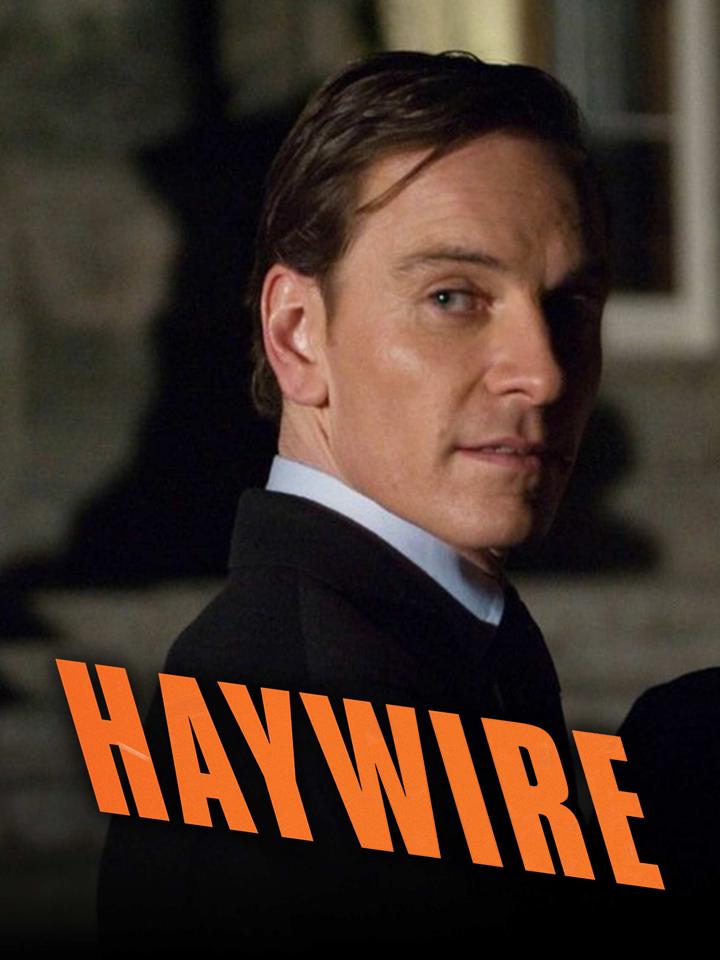
Haywire is one of those action films that flew under the radar but really deserves a look, especially if you’re into kinetic fight scenes. The story centers on Mallory Kane, a black ops operative played by Gina Carano, who gets double-crossed by her agency and goes on a relentless quest for payback. The plot isn’t exactly mind-bending, but it’s a great excuse for some grounded, bare-knuckle action. What really stood out to me were the fight sequences. They’re gritty, fast, and you actually feel every punch and slam. Director Steven Soderbergh keeps things very realistic — there’s barely any shaky-cam nonsense or overdone quick cuts. Gina Carano, who actually has a martial arts background, brings a physicality that most Hollywood stars just can’t fake, and you really buy that she’s outmaneuvering and overpowering her enemies. The supporting cast is surprisingly stacked — Michael Fassbender, Ewan McGregor, Michael Douglas, and Channing Tatum all pop up. Some of them are underutilized, honestly, but they add credibility and energy to the ensemble. I would have liked a bit more character depth, especially with the villains, but it’s also kind of refreshing that the focus stays almost entirely on Mallory's mission. Cinematography-wise, Soderbergh keeps things stylish but not flashy. There’s a muted color palette and some clever camera angles, making it feel more realistic than your typical glitzy action flick. The score is snazzy and a bit jazzy, which is an unusual touch for this genre and gives the film a cool vibe, though it might not be everyone’s cup of tea. You would enjoy this if you appreciate action movies that are more about hard-hitting, believable stunts than massive explosions or superheroics. If you liked movies like The Bourne Identity but want something with even more raw, stripped-back energy and a badass female lead at the center, Haywire is well worth the 90 minutes.
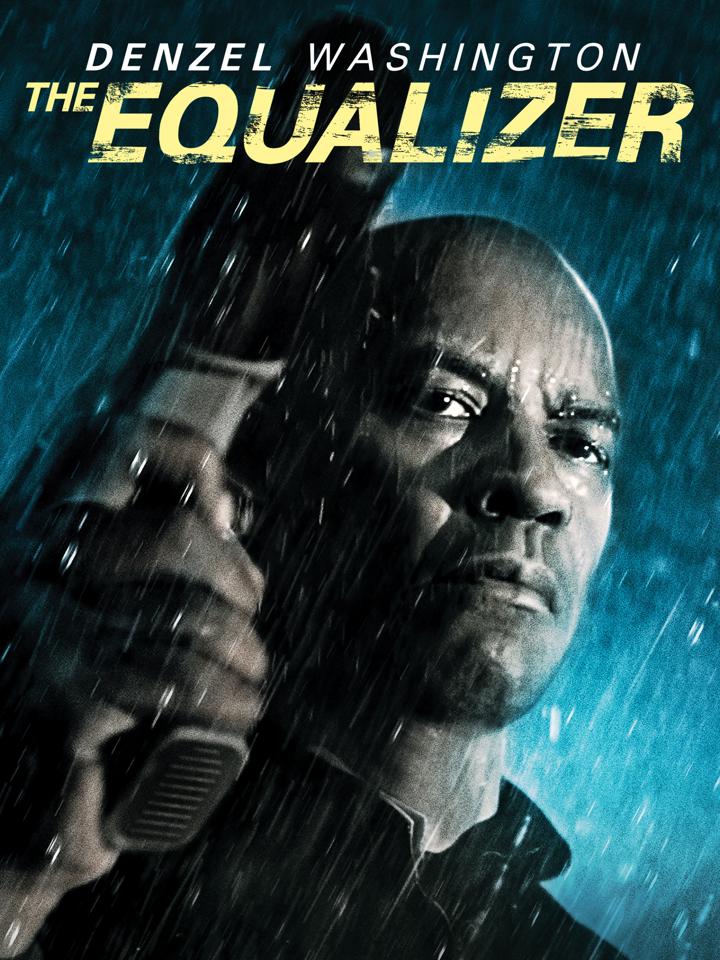
So let's talk about The Equalizer, the 2014 movie starring Denzel Washington. On paper, it looks like a basic, tough-guy-versus-the-mob action flick. Denzel plays Robert McCall, a quiet loner who works at a hardware store in Boston and reads literary classics in diners at 2 a.m. The setup feels like it should be in the “Generic Vigilante #12” bin, but I was surprised how much Denzel’s presence elevated even the slowest moments. The story kicks off when McCall befriends Teri (Chloë Grace Moretz), a young woman trapped in the Russian mafia’s orbit. He promises he’s left his violent past behind but, obviously, you know he’s not going to keep that vow once things go sideways. I have to say, Denzel brings a very specific vibe here. He’s calm, meticulous, and effortless—almost too calm, sometimes. I wouldn't say his performance is subtle but it works. He makes the movie feel a notch above your usual action fare. He finds these little quiet gestures, like how he lines up his napkin or scans a room, that make you believe he could end any threat in ten seconds flat. Moretz, unfortunately, doesn't get enough screen time. She has some haunting moments early on and her dynamic with Denzel is great, but she basically vanishes after the first act, which is kind of a missed opportunity for emotional depth. What kept me hooked the most was Antoine Fuqua’s direction and the way the movie is shot. There’s just something tactile about the way violence is handled—nothing feels cartoonish. Every hit or stab has a real crunch, and the camera lingers on just enough to let you register the consequences, but not so much that it feels exploitative. The lighting is moody and urban, with lots of rainy streets and half-lit rooms. It gives Boston a shadowy, lived-in quality that a lot of other action movies miss. Fuqua loves to move the camera slowly, almost like he’s inviting you inside McCall's headspace. Where the film drops the ball for me is in its pacing, especially in the middle stretch. After McCall’s initial bout of justice, the movie sort of stalls. There's a bit too much cat-and-mouse posturing between McCall and the Russian villains, who, to be honest, are pretty one-note. Marton Csokas plays the main bad guy Teddy with a kind of slick menace, but the “psychotic Russian gangster” schtick feels stale after a while. For a movie that's over two hours, I felt the drag during those repetitive scenes where McCall shows up just in time to save the day—again. Another issue is the obviousness in some of its themes. The Equalizer wants to be about second chances, quiet dignity, and how one man can stand up for the little guy. But it tells you that, often and loudly. There’s minimal subtext here. When Denzel’s McCall quotes Hemingway and talks about “putting the world right one tiny piece at a time,” you kind of wish the script would let up and let the visual storytelling breathe. It’s almost like the movie doesn’t trust you to get the point without holding your hand. But credit where it’s due: the action set pieces are genuinely inventive. There’s a climactic showdown inside a Home Depot-like store that could have been ridiculous, but it actually feels clever. McCall uses whatever’s at hand—power tools, brooms, a nail gun—as weapons. It’s almost like Die Hard for the age of Pinterest dads. The violence is brutal but has a weird poetry to it. You never doubt for a second that McCall is always ten steps ahead. The score—by Harry Gregson-Williams—is mostly forgettable except during the action scenes, when it turns pulsing and adds a layer of stakes. Same goes for the dialogue, which is full of clichés but occasionally lands a moment of real pathos. The whole thing would probably fall apart if it weren’t for Denzel’s charisma gluing every piece together. There's just enough weight in his eyes to make you care. In the end, The Equalizer is really a Denzel showcase masquerading as an action movie. When he’s on screen, it’s riveting. When he’s not, you realize how thin the plotting and character work really are. It never becomes great art, but it never feels phoned-in either. The violence is genuinely intense, the atmosphere is thick, and even when the plot sags, there’s this confident, old-school swagger sticking everything together.
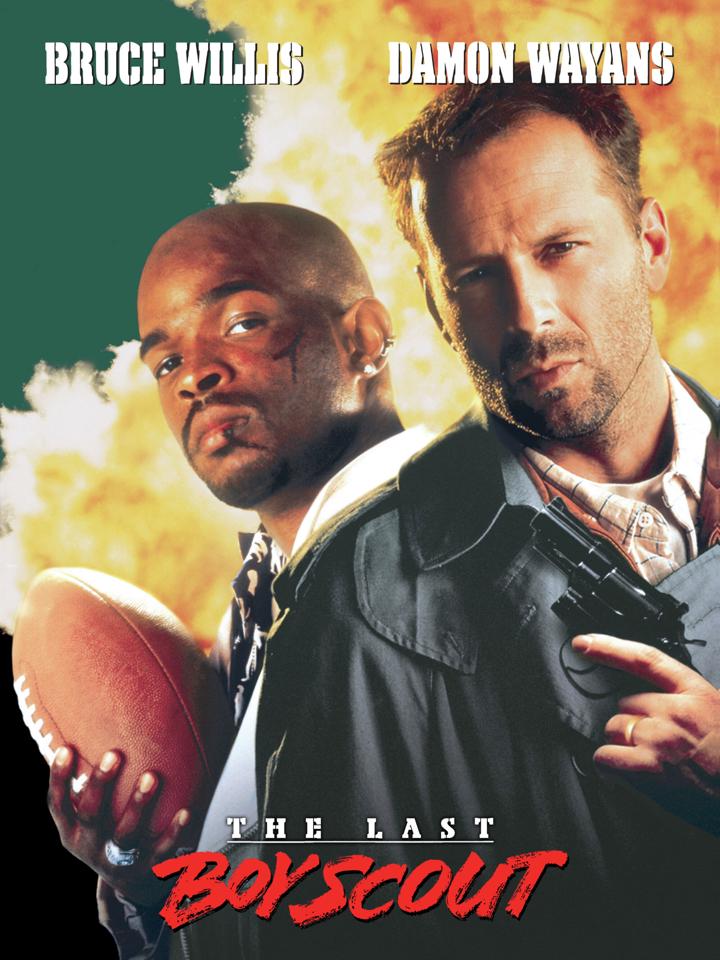
If we’re talking moderately known action movies from the past few decades, you can’t really skip over The Last Boy Scout from 1991. I watched it again recently and honestly, it’s a wild, messy, and enjoyable ride that feels exactly like a time capsule of early ‘90s action excess. Picture Die Hard’s edgy sibling who refuses to grow up and still smokes indoors. You’ve got Bruce Willis at peak “I hate my life” levels and Damon Wayans trying to keep up, both of them swaying somewhere between buddy comedy and nihilist crime thriller. The plot’s got enough twists and shouting to fill three other flicks, but it all starts with Willis as Joe Hallenbeck, a down-and-out PI who stumbles into an NFL-related murder mystery. The stakes do not feel real, but honestly that is part of the appeal. The dialogue is as sharp and mean as a broken bottle, which makes sense once you realize Shane Black wrote the script. Seriously, some of the one-liners land so hard you almost forget how intentionally grimy the movie looks. What stands out above all, though, is tone. This is not a cheerful movie. It’s mean, sweaty, and cynical, but that’s why it’s still strangely watchable. It’s the kind of film where you can tell the people making it were probably having a terrible time, but somehow that energy leaks into the performances and gives the whole thing a dark charm. Willis and Wayans aren’t having much fun in character or out, but their exasperation becomes kind of hilarious. Cinematography is pure, unfiltered Jerry Bruckheimer energy, all blue lighting, perpetual rain, and over-the-top explosions. Even everyday scenes have just enough gunfire or sleazy excess to stand out. It’s not subtle, not even trying to be. The action is brutal and sometimes sudden, but it’s staged well in that old-school, bone-crunching style you don’t see often now. There’s nothing sleek about it. You really feel it when someone gets hit. The pacing is, frankly, all over the place. There are moments where the movie literally stops to make way for an extended insult session between the two leads, and then suddenly someone is being chased across a football field with a gun. The story is convoluted in a way that only ‘90s action could get away with: there’s football, gambling, political corruption, and more personal baggage than an airport carousel. It’s never boring, but sometimes it’s exhausting. Performance-wise, Willis plays his usual broken-down cop so well it’s almost a parody of himself. There’s less humor than in Lethal Weapon, but the dry delivery kills (in a good way). Damon Wayans, meanwhile, tries hard to bring some heart into the mix but is mostly there to toss grenades of sarcasm. The supporting cast is a parade of sleazeballs and weirdos who are colorful enough to keep things interesting but never distract from the chaotic pairing of the two leads. For all its crackling dialogue and explosive set pieces, The Last Boy Scout does have a heart somewhere underneath the layers of sludge. There are moments where you see the cost of cynicism and why these characters ended up so jaded. In between the fistfights and grim punchlines, you get glimpses of broken people fighting for scraps of dignity. When it does pause for a moment of reflection, it actually lands harder than you’d expect. But let’s be honest: this is not high art. The movie is rough around the edges and lacks the polish of the best action flicks. It’s unbalanced and at times almost collapses under its own attitude. Yet, even with all its flaws (or maybe because of them), The Last Boy Scout still manages to entertain if you’re in the mood for a hardboiled, wildly cynical blast from the past. If you love action movies that don’t care about being liked, this one’s for you.
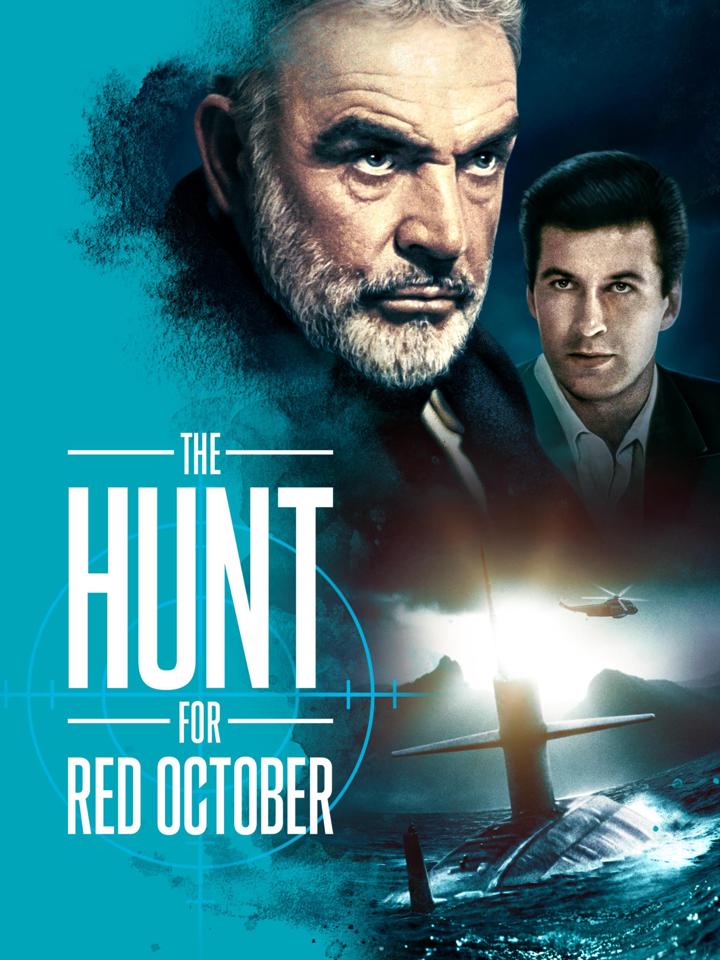
I rewatched The Hunt for Red October recently, and I’ll admit, it’s still got that icy-cold grip that made it such a solid entry in the action-thriller era of the early ’90s. The premise is classic Tom Clancy: a Soviet sub captain (played by Sean Connery in one of his suavest later-career roles) is maybe defecting, or maybe doing something way more dangerous, and only Jack Ryan (Alec Baldwin, looking alarmingly young) might figure out which. Submarine movies rarely get the respect they deserve, but this one’s a cut above. What stands out, even years later, is just how confidently the film maintains its tension. You’re trapped with these men in a steel tube, and the sense of claustrophobia is palpable. Scenes are often dim, filled with reds and dull blues, and every ping of sonar is a little jolt to the nerves. The director, John McTiernan, gets you sweating with nothing but sonar bleeps and terse arguments. The pacing is a little uneven. The first act is all slow simmer, loading you with naval jargon and Cold War paranoia. If you’re not in the mood for “serious men in uniforms having serious conversations,” the opening stretch might feel like the homework part of the movie. But once the chess game between the Russians and Americans gets moving, it’s pretty engrossing. Connery does Connery, accent and all. I’m not going to pretend it’s a convincing Lithuanian-Russian voice, but the authority he brings is what makes Ramius an iconic character. Baldwin played Jack Ryan before Ford, Affleck, or Krasinski, and while he’s a bit bland, he gives the character believable anxiety. Honestly, the side characters (Sam Neill as the wistful sub officer, Scott Glenn’s buttoned-down submarine commander) flesh things out with warmth. What doesn’t work? The action itself is low-key for a film sold on the promise of underwater warfare. It’s a thriller driven by suspense and dialogue, not explosions or gunfights. Sometimes the military jargon and geopolitics feel like hurdles if you only came for popcorn entertainment. And the music, while big and bombastic, sometimes lays it on a bit thick. Still, it’s a rare kind of action film - tense, brainy, and actually interested in the people trapped in its pressure cooker. Even if you don’t care about the Cold War, it’ll keep you guessing and, at times, genuinely anxious.