
Latest Reviews
Our 20 most recently published reviews and ratings.
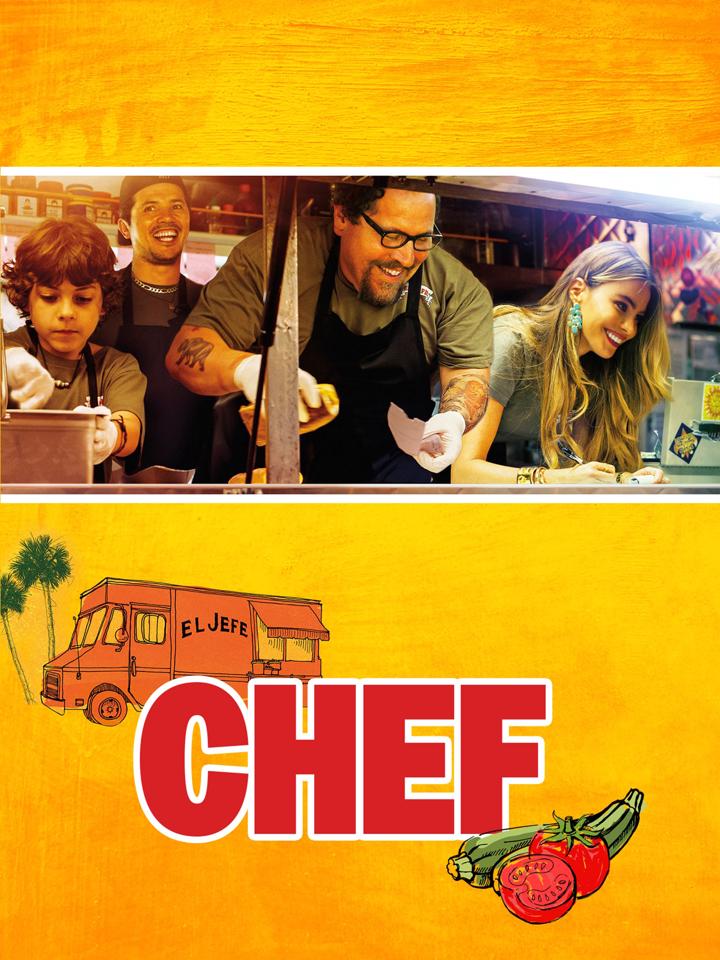
Chef
Chef is a heartfelt road-trip comedy that kind of sneaks up on you with its warmth and humor. Written, directed by, and starring Jon Favreau, it’s about a once-hot celebrity chef who, after a meltdown and a viral social media fiasco, starts a food truck with his son. The setup sounds modest, but it’s a charming look at starting over, fatherhood, and rediscovering your passion. It’s surprisingly genuine for a comedy, especially with the family dynamic at the center. What stood out most for me was how much the film oozes its love for both food and the communities they visit. The cooking scenes are shot almost like food porn—beautiful close-ups, sizzling sounds, and quick cuts that make grilled cheese look like a five-star meal. The film delivers a kind of wanderlust as they drive across America, stopping at places that highlight food’s place in local culture. It also avoids the typical “chef saves the day” clichés and feels much more personal. I wasn’t blown away by every beat of the storyline—some moments, particularly the romantic subplot with Sofia Vergara’s character, felt underdeveloped or almost tacked on. But the chemistry between Favreau, John Leguizamo, and the kid actor, Emjay Anthony, keeps the energy up. There’s a looseness to the dialogue that makes the road trip feel spontaneous, even if some of the supporting roles (like Robert Downey Jr.’s brief cameo) seem mostly like fun favors for Favreau. Visually, the movie isn’t breaking new ground, but it’s warm, saturated, and inviting. Cinematographer Kramer Morgenthau balances the rich colors of food with the grit of back alleys and food truck stops. The way it captures social media—tweets, vines, and viral moments—is fun without being too gimmicky. There’s also a killer soundtrack that fits every region they travel through. You would enjoy this if you’re into food movies like Julie & Julia or simply want a breezy, uplifting comedy that isn’t mean-spirited or too over-the-top silly. It’s really a comfort watch—perfect for a cozy movie night or when you want something that feels optimistic but not syrupy.
Cameraperson
I watched "Cameraperson" not knowing much except that it was a documentary made by a cinematographer, and it quickly became one of those films I couldn’t stop thinking about days later. Kirsten Johnson, who’s shot footage for all kinds of documentaries, stitches together outtakes and behind-the-scenes moments from her years behind the lens. What makes it special is how personal it feels — like you’re leafing through someone’s visual diary, with all the emotion and ambiguity that comes with unpolished memories. What stood out strongest to me was how the film meditates on the ethics of documentary filmmaking. There’s a palpable tension in some of the footage — from war zones to intimate family scenes — and Johnson repeatedly brings you into her shoes as she decides when to keep filming and when to step back. Her silent conversations with herself, embedded in quick camera shakes or lingering shots, stick with you long after. Some moments do feel fragmented, especially if you’re used to documentaries that have a clear arc or narration. "Cameraperson" intentionally leaves a lot unsaid; instead of telling a story with a beginning, middle, and end, it lets the audience assemble meaning from glimpses that aren’t always obviously connected. That disjointedness can be off-putting at first, but it’s also what makes the film so sincere in its exploration of memory and perspective. Visually, it’s a feast. Every sequence has its own unique look depending on where it was shot — Bosnia, Nigeria, Texas, and more. There’s an appreciation for light, movement, and human faces that only a seasoned cinematographer could bring, and it feels honest because there’s no gloss or polish added for effect. It’s raw, beautiful, and often a little heartbreaking. You would enjoy this if you’re interested in film as an art form, you appreciate documentaries that raise complicated questions, or you’ve ever wondered what happens just outside the frame. It’s definitely for viewers who like to reflect and linger rather than those looking for a tight, conventional narrative.
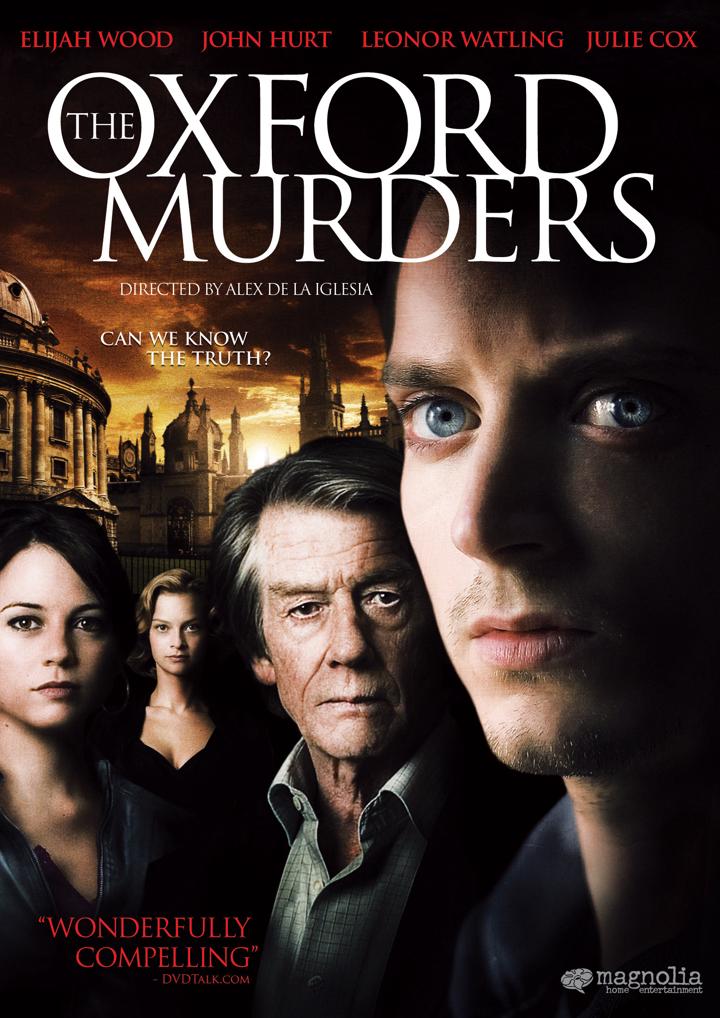
The Oxford Murders
This is one of those twisty little mystery films that slipped under the radar for most people. It stars Elijah Wood as an American math student who arrives at Oxford, and quickly finds himself entangled in a series of bizarre murders alongside his eccentric professor, played by John Hurt. The story hinges on logic puzzles and mathematical riddles, giving it a distinctly cerebral vibe compared to your standard crime thriller. What really stood out to me is the way the movie uses intellectual banter and mathematical theory as part of its suspense — almost like the clues are hidden in lectures and conversations, not just in bloodstains and footprints. Elijah Wood is quietly intense, and John Hurt gives that wonderfully prickly performance he always seemed born for. Their chemistry makes the film’s slower spots feel enticing; it's like being invited to a cryptic, deadly game among scholars. On the downside, the plotting sometimes gets a bit too in love with its own cleverness. There are moments where the explanations of the mathematical puzzles feel heavy-handed, like the film is making sure you know how smart it is. If you aren’t that into academic debates, you might get a little impatient with the scenes that veer away from actual detective work. Some of the supporting characters are also written a bit thinly, which can make their motivations harder to buy. Cinematography-wise, the movie makes beautiful use of Oxford's old colleges and foggy courtyards; the locations do a lot of heavy lifting, and you really feel like you're wandering a thousand-year-old labyrinth full of secrets. The tone stays pretty moody and atmospheric throughout, which works even when the script wobbles a bit. The score is understated, letting the ominous quiet do its job. You would enjoy this if you like mysteries where puzzles are as important as plot, and you'd rather be challenged by dialogue than jump-scares. It's a good pick for people who enjoy something along the lines of The Name of the Rose or Da Vinci Code — but with less action and more academia.
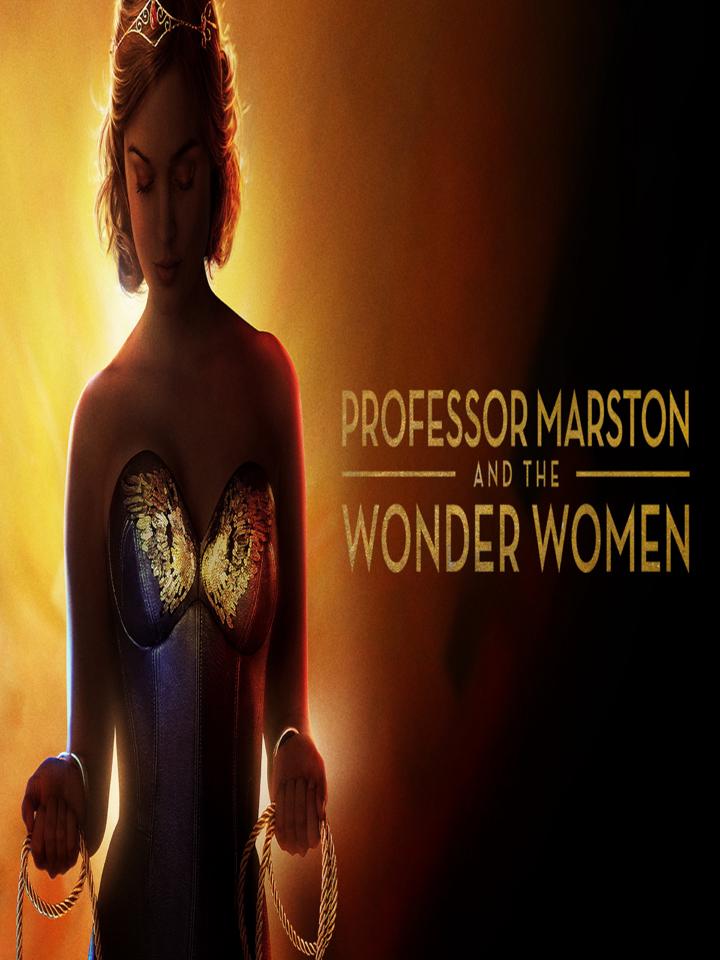
Professor Marston and the Wonder Women
This is one of those biographical dramas that genuinely surprised me. It tells the fascinating true story behind the creation of Wonder Woman — but it’s less about superheroes and more about the unconventional relationship between psychologist William Moulton Marston, his wife Elizabeth, and their partner Olive Byrne. The film explores not just the origins of a comic book icon, but the complexities of love, trust, and social boundaries in early 20th-century America. What stood out straight away was the chemistry among the three leads: Luke Evans, Rebecca Hall, and Bella Heathcote. Their performances are deeply felt and never veer into melodrama, even as the story addresses taboo topics like polyamory and BDSM. The movie doesn’t treat these subjects as shock value but as core aspects of who these people were and what bound them together, and it’s easy to feel invested in their struggles as a result. The storyline moves at a gentle but deliberate pace. Sometimes, it does feel like it lingers a bit too long on the couple’s personal negotiations and conflicts, which can drag the middle act. Still, it fits with the film’s character-driven focus — if you like intricate emotional arcs more than explosive plot points, you’ll probably appreciate the extra depth. Visually, there’s a lush, slightly theatrical look to the cinematography. The setting feels period-accurate but not stuffy, and the attention to detail in costumes and set design is impressive. There are a few moments where it feels a little too polished or “movie-ish,” but it's generally immersive and pleasing to look at. You would enjoy this if you like biopics that dive deep into the messy, complicated parts of human relationships, especially ones that aren’t sanitized for mainstream tastes. Fans of Hidden Figures or The Danish Girl will probably find something to love here, especially if you’re curious about the real-life origins of pop culture phenomena.
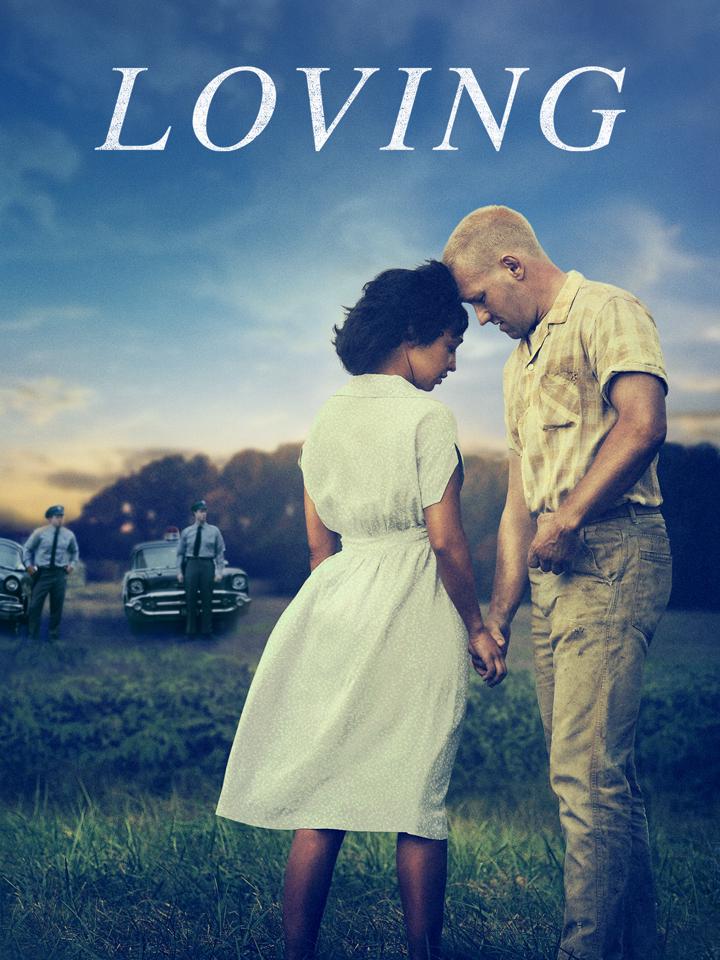
Loving
Loving is the understated but powerful true story of Richard and Mildred Loving, the interracial couple whose marriage led to the landmark Supreme Court case that invalidated laws prohibiting interracial marriage in the US. The beauty of this film is its intimacy — it doesn’t get swept away in grand speeches or courtroom theatrics. Instead, it focuses on the subtle but deeply emotional lives of the Lovings as they navigate prejudice and threaten their safety just to be together. The cinematography truly stood out for me. Jeff Nichols directs with a gentle hand, letting the rural Virginia landscapes and the couple’s quiet routines speak volumes. There isn’t dramatic music or heavy-handed symbolism, and that restraint makes the stakes feel even more real. It’s as if the quietness of the film matches the humility and private nature of the Lovings themselves. Joel Edgerton and Ruth Negga (especially the latter, who earned an Oscar nomination) bring so much life to their roles with minimal dialogue. Negga communicates entire emotional arcs with just her eyes and a slight change of expression. It’s refreshing to watch a biopic where the performances aren’t loud or showy, but rather lived-in and honest. If there’s a downside, it’s that the movie’s slow pace might put off people looking for a conventional biopic with more dramatic courtroom scenes or emotional showdowns. Some moments can feel almost too subdued, risking audience detachment from the story’s larger context. Still, I appreciated how it never lost sight of this being, first and foremost, a personal love story. You would enjoy this if you like biographical dramas that take their time, spotlight history through intimate, deeply human portraits, and don’t mind trading Hollywood flash for authenticity. Loving is a quiet revelation, best for viewers curious about civil rights history or just in the mood for a moving story about ordinary people changing the world.

The Incredible Jessica James
I stumbled upon The Incredible Jessica James kind of by accident, and it turned out to be one of those refreshing indie rom-coms that feel truly modern. The story follows Jessica, an aspiring playwright in New York, who’s recovering from a breakup and reluctantly re-entering the dating scene. What’s unique here is how the film juggles her messy real-life ambitions with awkward, funny attempts at moving on, especially when she meets Boone, a recently-divorced app developer. Jessica Williams owns every scene — seriously, her energy is infectious and she makes Jessica feel so real and relatable, awkwardness and all. There’s something really authentic in the way she portrays heartbreak; it’s not overly dramatic, but it isn’t brushed aside either. Chris O’Dowd, as Boone, brings this sweet, slightly weary vibe, and their chemistry is more unconventional than swoony, but it totally works for these two oddballs. The film’s sense of place stands out too — you get a palpable sense of Brooklyn’s bustle and the creative frustration that comes with trying to “make it” in a huge city. The cinematography doesn’t show off, but it’s sharp and confidently unfussy, which works for a story that’s so much about real emotions and the everyday grind. The soundtrack is full of indie gems that give it an extra kick. If there’s a flaw, it’s that some side characters (like Jessica’s playwright friends) don’t get developed as much, and a few plot threads could have gone deeper. It doesn’t reinvent the genre, but it sidesteps most clichés with a good-natured wink, landing somewhere between sassy and sincere. The ending is more about growth than a fairytale wrap-up, which fits perfectly with the overall tone. You would enjoy this if you want a romantic comedy that feels genuine, celebrates creative underdogs, and lets its leading lady shine without being pigeonholed. It’s a warm, easy watch that’s perfect for a solo movie night — especially if you’re over the usual glossy romance tropes.

Shining Girls
Shining Girls is a gripping mystery series that stars Elisabeth Moss as a woman whose life is upended by a time-hopping serial killer. The premise is immediately intriguing—it's not every day you see a story combine crime investigation with reality-bending twists. The show strikes a haunting mood right from the start, and Moss anchors everything with her intense, lived-in performance. You really get the sense of her character being haunted, not just by trauma, but by the instability of her own reality. What really drew me in was the show's fragmented storytelling technique. Time slips, unreliable perspectives, and plenty of ambiguous details give every episode this tense, uneasy feeling. It’s a puzzle both for the protagonist and the viewer, and while it can sometimes be disorienting, it works perfectly for a story that’s as much about trauma as it is about solving a crime. That said, some of the middle episodes do feel a little slow, and the story's refusal to spell things out might annoy folks who want their mysteries more by-the-numbers. I personally liked the ambiguity, but I can see how it could be frustrating if you’re watching just for the crime-solving elements. The sci-fi aspects—though never fully explained—keep the show fresh, but I did wish for just a little more clarity on the killer’s motives and mechanics toward the end. Visually, Shining Girls is fantastic. Chicago comes across as both beautiful and ominous, and the directors use color and space to convey how distorted reality has become for the main characters. Some big set-pieces and smaller details (like recurring objects) really pay off if you’re paying attention. The supporting cast, especially Wagner Moura and Jamie Bell, add a lot without stealing focus from Moss. You would enjoy this if you like mysteries with an unusual, almost dreamlike edge—think along the lines of Twin Peaks or Dark. It’s not your average detective show, but if you enjoy cerebral, emotionally layered stories that make you work for the answers, Shining Girls is worth a shot.
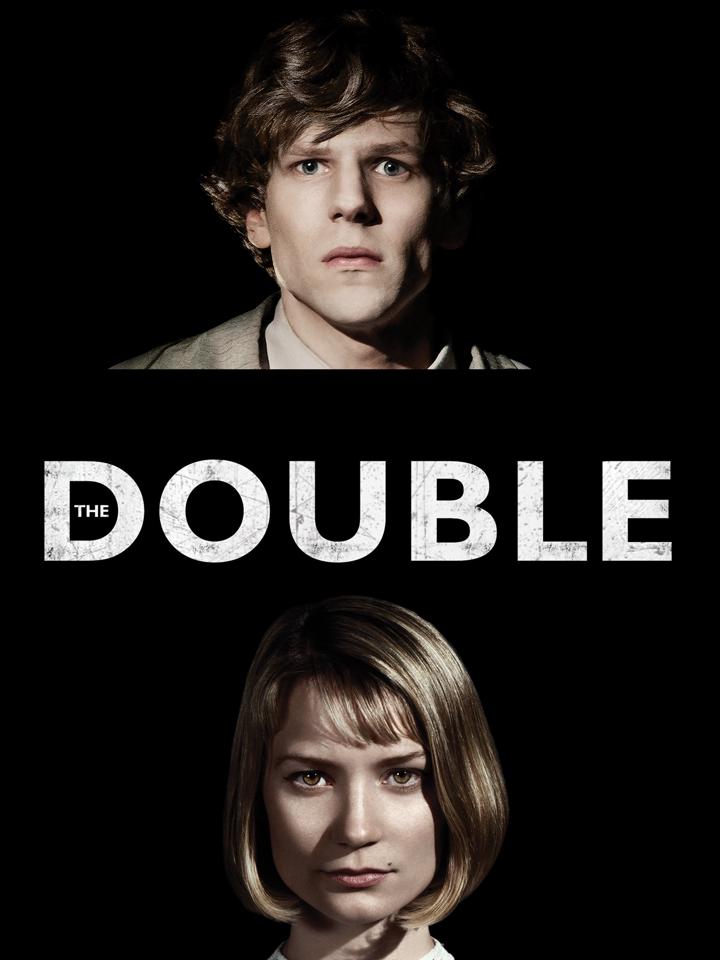
The Double
This 2013 thriller, directed by Richard Ayoade, is a strange and stylish adaptation of Dostoevsky's novella, but with a surreal modern twist. It stars Jesse Eisenberg in a dual role — he plays Simon, a meek office drone overlooked by just about everyone, and also his doppelgänger James, who is charming, confident, and slowly takes over Simon's life. The movie is set in a bizarre, retro-futuristic world that almost feels like a Kafka story filmed through a Terry Gilliam lens. The atmosphere is hands down the best part of The Double. The cinematography is deliciously gloomy — think washed-out colors, ugly fluorescent office lighting, and an ever-present sense of claustrophobia. I was pretty floored by how much visual storytelling there is; nearly every frame feels meticulously designed to make you squirm just a little. There's a droning, offbeat score, too, which adds to that feeling of creeping unreality. Eisenberg honestly nails both roles so well that I kept forgetting they were the same actor. Mia Wasikowska is quietly great as the love interest, making her character more than just an object of Simon's affection. The supporting cast is full of those "Oh, I know that face!" British actors, and they all lean into the deadpan, almost cartoonish horror of Simon's world. The dialogue, while sometimes intentionally stilted, manages to do a lot with a little. My only complaint is that the movie's chilly style sometimes makes it hard to connect emotionally. It's such a specific, oddball world that you have to be in the right mood to let it wash over you. The story gets a bit muddled in the final stretch, too — if you want clear answers and neat resolutions, this won't be your cup of tea. You would enjoy this if you like dark, cerebral thrillers with a lot of visual flair, or if you dug movies like Brazil, Enemy, or Synecdoche, New York. It’s perfect for anyone who likes their thrillers less about chases or fights and more about anxious, weird atmosphere and identity crises. Definitely watch it if you want something off the beaten path that’ll stick with you.
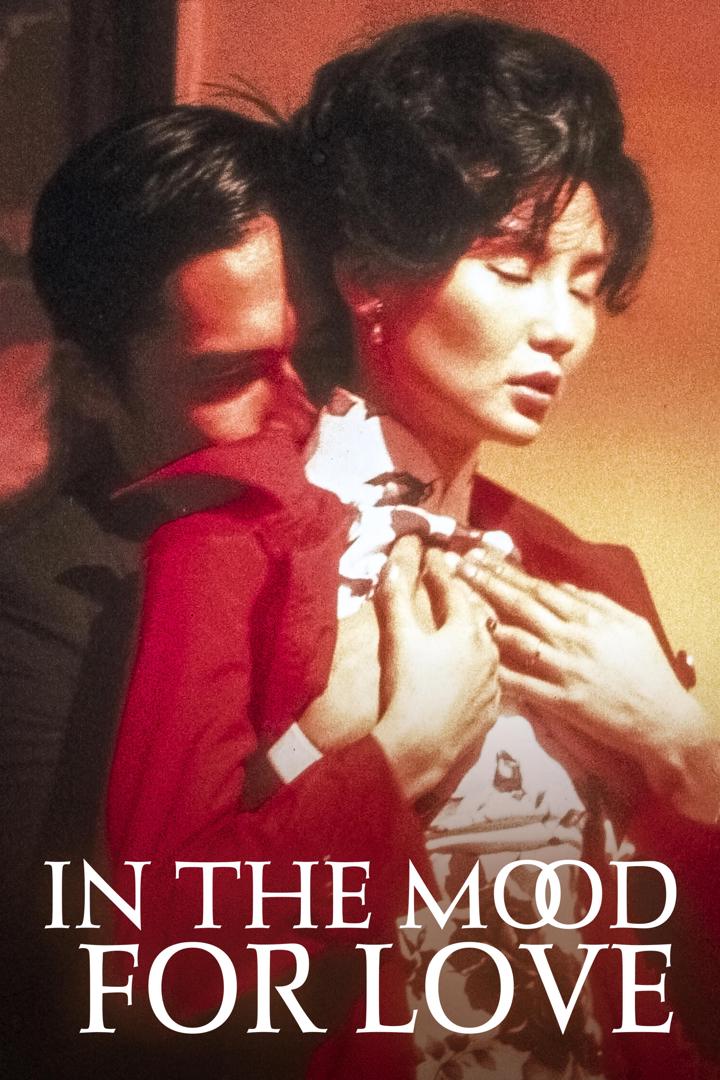
In the Mood for Love
This is one of those movies that lingers with you, even if it never quite explodes with drama. “In the Mood for Love,” directed by Wong Kar-wai, is set in 1960s Hong Kong and follows two neighbors who develop a tentative friendship after suspecting their spouses of infidelity. At its heart, it’s about longing, missed connections, and the small, polite rituals that surround heartbreak. The mood is absolutely draped in melancholy; the slow pacing allows you to soak in the colors and emotions of every scene. The cinematography is gorgeous and almost painterly, with so much of the story told through reflections, passing glances, and the spaces between the characters. Maggie Cheung and Tony Leung give quietly powerful performances, often saying more with a look than with words. I’ll admit, the plot can feel minimalistic — it’s not about big romantic gestures, but the subtlety of what’s never dared to be said or done. Sometimes, it’s even frustrating in how little catharsis it gives, but it’s precisely that restraint that makes the story feel real and complex. If you’re expecting sweeping declarations or an epic love story, this isn’t quite that film. One thing that really stands out is the use of music and sound. The recurring motifs, the echoes of footsteps down a hallway, the faint hum of the city—the atmosphere is basically a character in itself. Combined with the stylized costume and production design, it creates a rich, immersive world that’s easy to get lost in for two hours. You would enjoy this if you’re into slow-burn romance, beautifully crafted visuals, and stories that explore the emotional gray areas in relationships. It’s best watched when you’re in the mood for something meditative and quietly moving, not looking for action or lighthearted laughs.
Apostle
Apostle is a moody, slow-burn folk horror film set in 1905, following a drifter (Dan Stevens) who infiltrates a remote, mysterious cult on an isolated island to rescue his sister. It leans heavily into creepy atmosphere and a sense of dread, slowly unraveling its mysteries in a way that reminded me of The Wicker Man, but grimier and more visceral. The period setting is immersive—think muddy boots, tumbledown cottages, and candles flickering against the darkness. What really stands out here is how the horror gradually seeps in, rooted both in the fanaticism of the cult and actual supernatural forces at work. The movie isn’t frantic with jump scares; instead, it ratchets up tension with unsettling rituals and ominous village politics. Dan Stevens carries the film with haunted eyes and a quietly desperate energy, while Michael Sheen, as the cult leader, is sincerely captivating—his charisma masks something deeply rotten. Visually, Apostle is gorgeous in a bleak way. The cinematography makes great use of the fog, rough landscapes, and claustrophobic interiors, really selling you on the idea that this island is cut off from everything sane and safe. The gore, when it comes, is unflinching and stomach-turning—definitely not for the squeamish. There are some beautifully shot sequences that feel painterly, right before plunging you into genuine horror. If there’s a drawback, it’s that the film lags a bit in the middle. The measured pace may turn off viewers looking for relentless scares or quick plotting. At over two hours, it’s a tad long for what’s essentially a contained cult horror story, and sometimes the storytelling teeters close to indulgence. But if you stick with it, the payoff is both weird and memorable. You would enjoy this if you appreciate horror that’s patient, atmospheric, and laced with historical oddness, or if you’ve got a penchant for cult stories with a supernatural bite. It’s not your typical popcorn slasher, but if you want something eerie and thoughtfully put together, Apostle is worth the watch.
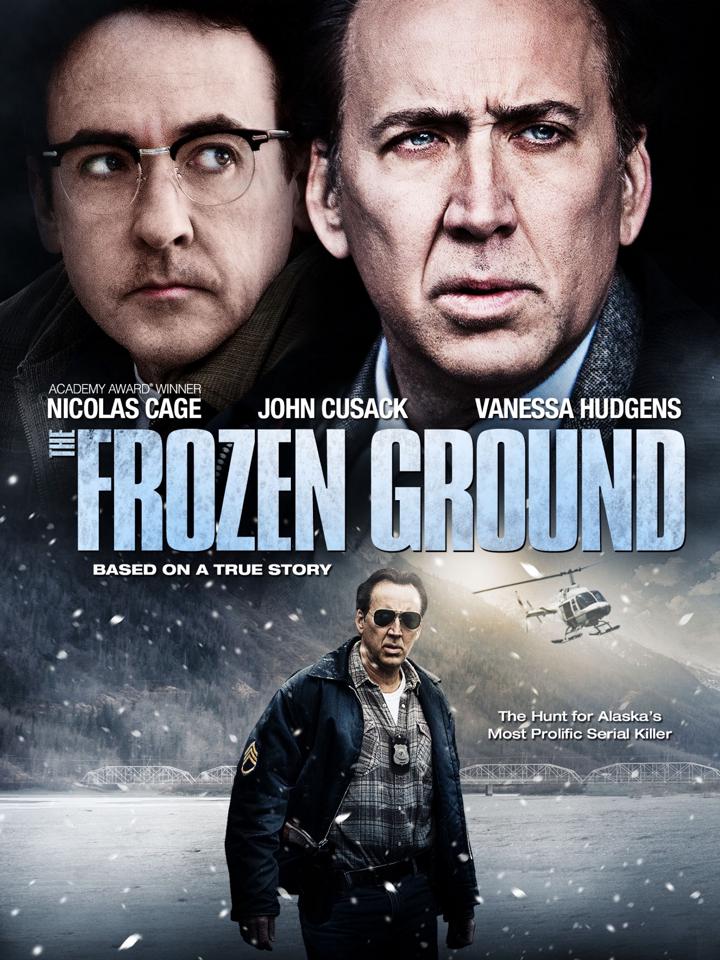
The Frozen Ground
I went into The Frozen Ground not expecting much, but it was a surprisingly gripping crime thriller based on true events—specifically the hunt for Alaskan serial killer Robert Hansen. The story follows a state trooper, played by Nicolas Cage, as he tries to bring the murderer to justice, with some help from a survivor (Vanessa Hudgens). What really grabbed me was the icy, isolated setting—it creates this haunting atmosphere that makes you feel the danger lurking in every snowy corner of Anchorage. Nicolas Cage delivers a pretty restrained and emotionally believable performance, which, frankly, I wasn’t expecting. He brings a sense of weary determination to his role without going over the top. John Cusack, as the seemingly unremarkable but sinister killer, is actually chillingly effective. The casting works in the film’s favor because both leads are a little out of their usual wheelhouse, so it never feels formulaic. This isn’t a “flashy” crime thriller; the pacing is deliberate and stays focused on the investigation rather than big action set pieces or wild plot twists. That might be a downside for some, as certain stretches can feel a bit repetitive, but I appreciated the way it leans into the grim realism of police work. There’s a palpable sense of frustration and desperation that grounds the story. Visually, the movie does a great job capturing the bleakness and cold. The use of natural light, snowy streets, and remote cabins give every scene a stark authenticity. Some of the dialogue, though, can be heavy-handed at times—especially side characters who feel more like exposition machines than real people. It’s not flawless, but the overall mood and tension make up for occasional clumsy moments. You would enjoy this if you like crime stories based on real cases and don’t mind a slower build or bleak subject matter. It’s a solid watch for fans of atmospheric investigations and performances that try something a bit different for the actors involved.
Kajaki (released in the US as "Kilo Two Bravo")
Kajaki is one of those war films that quietly sneaks up on you. It's based on a real-life incident in 2006, where a group of British soldiers in Afghanistan became trapped in a dry riverbed filled with hidden landmines. The entire film is set across just a few hours, but the tension is so meticulously crafted that you barely notice the minimal locations — it’s all sweat, sand, and steadily mounting dread. What really hit me is how the movie sidesteps explosive battle scenes in favor of gut-turning suspense and brutally realistic depictions of injury. There’s a lot of focus on the soldiers’ camaraderie, the black humor that creeps in as they try to steady their nerves, and the excruciating decisions they’re forced to make. This intimacy makes even small setbacks feel momentous, and the cast — filled with mostly unfamiliar faces — does an incredible job selling the authenticity. Where Kajaki doesn’t quite land is in its pacing for the uninitiated: it doesn’t hold your hand through military protocols or character backgrounds. For a casual viewer, it can seem slow or the context confusing. And it’s a film that’s very much about a single incident, rather than a broad sweep of war or politics, so don’t expect epic, panoramic story arcs. Visually, the director Paul Katis goes for realism over spectacle. The cinematography captures the harsh Afghan landscape in a way that’s both beautiful and menacing, but never distracts from the situation on the ground. The sound design — from distant explosions to the crunch of boots near hidden mines — underscores the nerve-shredding anxiety of every movement. You would enjoy this if you’re into character-driven war stories that favor tension and realism over Hollywood heroics. It’s not flashy or romanticized, but if you want a film that feels immersive and true, with moments of grim humor and hard choices, Kajaki will stick with you.
Mary Shelley
This film follows the life of Mary Shelley, the groundbreaking author of “Frankenstein,” and dives into her tumultuous romance with poet Percy Bysshe Shelley. What struck me was how the movie spotlights Mary’s inner world — her grief, ambition, and the way she carved her own identity amid the suffocating expectations of her era. Elle Fanning brings a quiet intensity to the role, balancing Mary’s vulnerability with undeniable resolve. The cinematography lends a gothic, windswept beauty to every scene — you really feel the chill and storminess of 19th-century England. There’s a deep palette of grays and candlelight, which not only fit the mood but help transport you into Mary’s creative imagination. Scenes in Geneva and by the lake where she first conjured “Frankenstein” are especially moody and atmospheric. The film does take its time setting up the relationships and social context, so the pacing is a bit uneven, especially in the first half. At times, the dialogue can feel a little on-the-nose, almost as if it’s overly eager to let you in on the historical significance of each moment. Still, once it finds its rhythm, the emotional stakes start to pay off. The performances are definitely the highlight — besides Fanning, Douglas Booth makes Percy Shelley both frustrating and charismatic, which seems apt. I also appreciated how the film doesn’t overly romanticize their relationship and isn’t shy about showing its imbalances and heartbreaks. It’s a good reminder that the making of a literary legend was far from a fairy tale. You would enjoy this if you’re drawn to literary history, period dramas, or stories about women ahead of their time. If slow-burn romance mixed with a taste of dark academia appeals to you, this is a rewarding, moody watch that sticks with you after the credits roll.
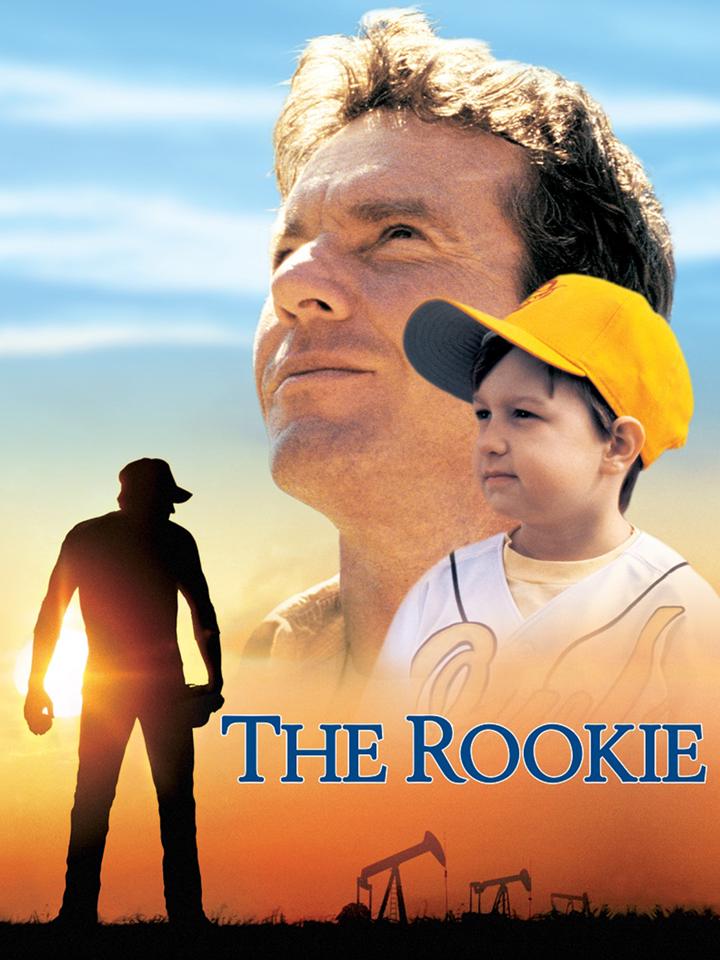
The Rookie
This one’s a pretty heartfelt underdog story — "The Rookie" is the kind of sports movie you probably skipped past because it’s more humble than flashy. It follows Jim Morris, played by Dennis Quaid, who’s a high school science teacher and baseball coach with a dead arm… until, well, it isn’t. Based on a true story, Jim gets the chance to chase a dream that most people would file under “missed opportunity,” and it’s genuinely uplifting without sugarcoating just how unlikely his situation is. What really stood out to me was how low-key Quaid’s performance is. He’s not the superhuman athlete type — he’s tired, skeptical, and often pretty hilarious in a world-weary way. There’s a believable dynamic between Morris and his students, who start out just as sarcastic and doubtful as you’d expect. The movie gives a lot of space to the small town Texas vibe, so you get a real feel for why the stakes matter so much to these characters. The plot doesn’t really break any new ground — you’ve got your training montages, family tension, moments of doubt, etc. But something about the pacing and the focus on adult dreams (rather than teen wish-fulfillment) gives it a sincerity that stuck with me. It doesn’t drag, but it’s definitely not a movie for people looking for nonstop baseball action or flashy editing. It knows what it is and just lets you settle in. Visually it’s not mind-blowing — lots of sun-soaked Texas landscapes, small school fields, and a few scenes in modest stadiums. Still, that sort of unassuming style works in its favor—it’s a sports story rooted in reality, not a Michael Bay production. Quaid honestly carries the film, but Rachel Griffiths (as his wife) helps ground it, and the supporting cast gives just enough personality to keep the story human. You would enjoy this if you like inspirational sports stories, but you’re tired of the ones that feel like superhero movies. Or if you secretly love a good “late bloomer defies the odds” tale. It’s great for a family movie night, or when you just want to remember that sometimes, taking a risk later in life is just as meaningful as a last-minute touchdown.
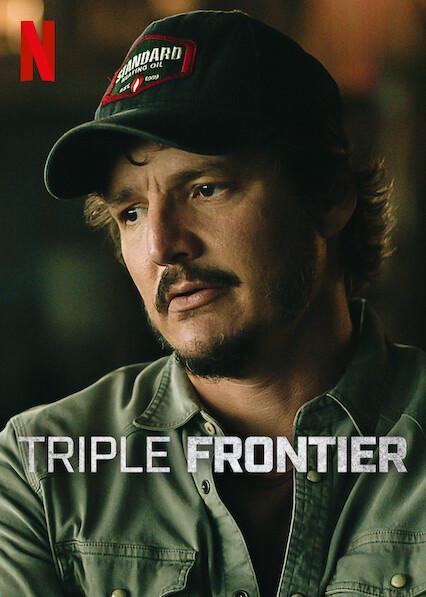
Triple Frontier
Triple Frontier is a 2019 action thriller about five ex-special forces buddies who reunite for a risky heist against a South American drug lord. What grabbed me from the start was the blend of old-school camaraderie and the moral complications that arise as things go sideways. The setup is lean and draws you in with the promise of a high-stakes, boots-on-the-ground adventure rather than something overly slick or full of wild CGI. The cast is stacked with solid performers like Oscar Isaac, Ben Affleck, and Pedro Pascal, and they play off each other in a way that actually feels lived in. You get a sense these guys have history, and the film really lets that inform their decisions once the job (predictably) goes sideways. There’s a level of exhaustion and desperation to Affleck’s performance especially, which grounds the story and gives it a slightly sad, worn-out energy. What I liked most is the film’s commitment to realism — not just military tactics, but the fallout from greed and guilt. The action sequences are well-directed and tense without being cartoonish. Some moments, like the slow crossing of the Andes or the claustrophobic firefights, feel physically heavy; you can practically sense the altitude and the exhaustion of the characters. On the downside, I thought the plot started to drag in the last act. The script struggles a bit to maintain the same intensity after the heist, and there are a couple of story turns that seem a bit convenient. It’s not a movie you’ll watch for a twisty plot or super deep character study, but it’s got more substance than your average shoot-’em-up. You would enjoy this if you’re into action movies where the stakes feel personal, and where the aftermath matters just as much as the explosions. It’s perfect for fans of films like Sicario, Heat, or even The Town, who don’t mind a thriller that emphasizes mood and moral gray areas over nonstop spectacle.
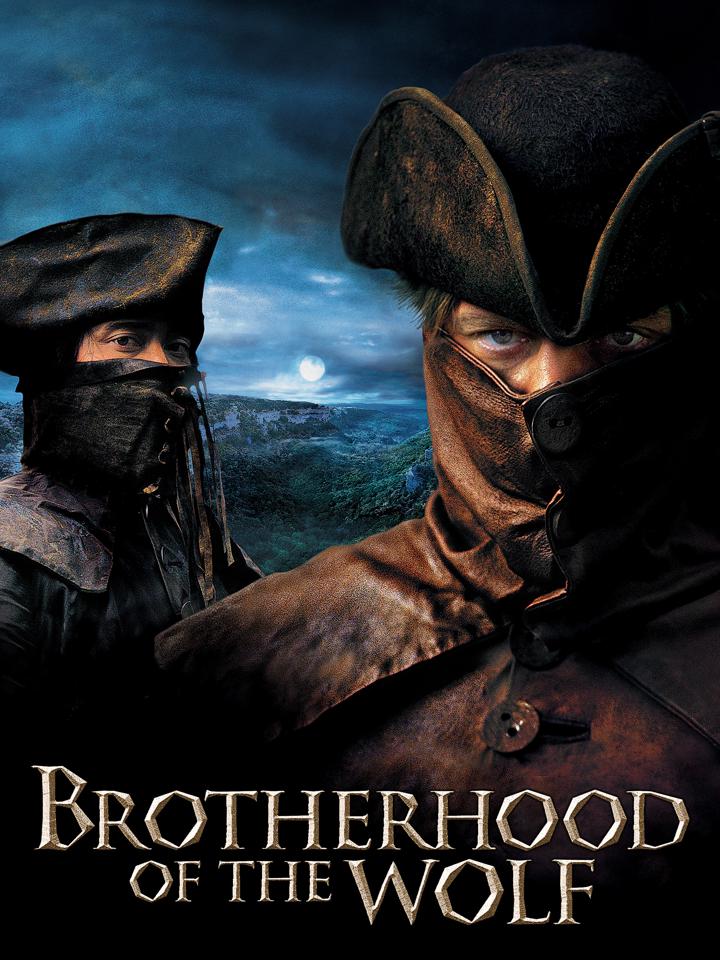
Brotherhood of the Wolf
So, Brotherhood of the Wolf isn’t your typical war film—it’s this wild French movie from 2001 that mashes up period drama, monster movie, martial arts, and political intrigue. The story is set in 18th-century France during a time of major unrest, and it follows a naturalist and his kickass Iroquois companion as they investigate the mysterious killings attributed to the legendary Beast of Gévaudan. The war aspect is more about a country on the edge, with social and political battles as much as physical ones. What stood out to me right away was the film’s stylistic boldness. Director Christophe Gans has a real flair for visual spectacle. The lush French countryside looks eerie and beautiful, and the action sequences—surprisingly acrobatic for a period piece—are creative and brisk. There’s a supernatural vibe, but also a grounded sense of historical paranoia and pre-Revolutionary dread, which keeps things interesting. The cast is eclectic and really works: Samuel Le Bihan is convincing as the passionate royal agent, and Mark Dacascos is an absolute highlight as Mani, whose martial arts scenes are so out of place that they somehow work. Vincent Cassel creeps up as a sinister, complex presence. Monica Bellucci has a mysterious, magnetic role too. Some of the French-English language mixing can be odd, but the actors are fully committed. Not everything lands, though. The plot is absolutely jam-packed, with conspiracies on top of conspiracies, and at times it feels a bit much. Occasionally the film sacrifices emotional depth for style, and some viewers might be left wanting a tighter, more focused narrative. Still, it's refreshingly weird and ambitious for a war-focused costume thriller. You would enjoy this if you like your historical war films with a supernatural twist, some martial arts, moody landscapes, and a dash of genre-bending. It’s not for purists, but if you’re open to a cultish, stylish adventure that doesn’t follow the usual rules, you’ll have a fun time.
The Last King (original title: Birkebeinerne)
This is one of those historical adventures that flew under the radar for most folks outside Scandinavia. Set in early 13th-century Norway, The Last King follows two warriors, Torstein and Skjervald, as they risk everything to protect an infant heir during a brutal civil war. The story is based on real events, and it’s cool to see a slice of European history that isn’t just another royal scandal or Tudor drama. The Norwegian winter landscape is a character in itself. The endless snowscapes and sweeping mountain shots are gorgeous, and you really feel the chill and exhaustion of these characters slogging through ice and danger. It reminds me a bit of The Revenant, but with more focus on loyalty and camaraderie than survival for survival’s sake. There are some epic chase sequences on skis that are honestly thrilling to watch. Where it stumbles a little is, ironically, in the history. If you’re not already a bit familiar with Norway’s past, you might find some of the details confusing or glossed over—for example, the political factions and why this infant actually matters to everyone. The script assumes you’re coming in with some context, so you might end up reaching for Wikipedia just to figure out who’s who. The performances are strong, particularly from Kristofer Hivju (who you might recognize from Game of Thrones). There’s a solid chemistry between the two leads, and though the characters might not feel deeply nuanced, they’re easy to root for. The film avoids cheap melodrama, instead leaning into grit and resilience, which fits its chilly tone. You’ll enjoy this if you’re into underdog stories, love the idea of a historical action flick that’s not set in the usual English-speaking territory, or just want to see a genuinely different kind of medieval adventure. It’s especially worth it for anyone who thinks they’ve seen every “based on true events” movie but wants something a little more off the beaten path.
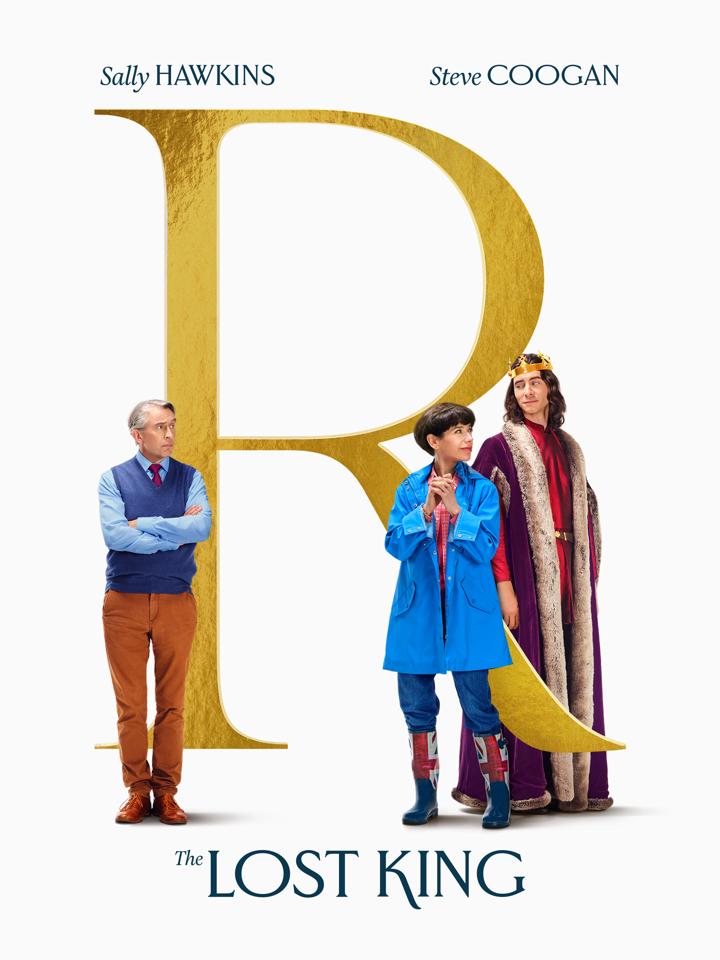
The Lost King
The Lost King is one of those historical dramas that flew under the radar but really deserved a bigger audience. It’s about Philippa Langley, an amateur historian who became obsessed with finding the long-lost remains of King Richard III. The film follows her eccentric quest and the institutional skepticism she faces—as well as her determination, which is honestly infectious. It’s equal parts mystery, underdog story, and British quirkiness. What stood out to me most is how Sally Hawkins carries the entire film. Her portrayal of Philippa is both quietly resolute and extremely relatable; she’s awkward, persistent, and believable. Steve Coogan (who also co-wrote the screenplay) brings humor and warmth as her supportive but bemused ex-husband. The supporting cast is solid, but it’s Hawkins who keeps you invested in a journey that might otherwise have seemed mundane. The storyline avoids the big battle re-enactments you might expect from a movie about royalty—instead, it’s an intimate, sometimes oddball crusade against academic gatekeeping and chauvinism. There’s a light, almost whimsical touch in how the film blends Philippa’s imagination (Richard III sometimes appears to her) with the nuts and bolts of her investigation. Some may find these magical-realist moments a distraction, but I thought they brought Philippa’s internal world to life. Cinematography-wise, The Lost King is more functional than flashy, but it does a nice job of capturing the damp, modern landscapes of Leicester and the peculiar mix of excitement and tedium inherent in historical research. Visually, it's a little muted, which fits both the British tone and the unsensational (but obsessive) nature of the true story. You’ll really enjoy this film if you like offbeat underdog stories, British humor, or the idea that regular people can rewrite history. It’s not the most dramatic or action-packed telling of real events, but its heart and peculiarity make it memorable in its own right.
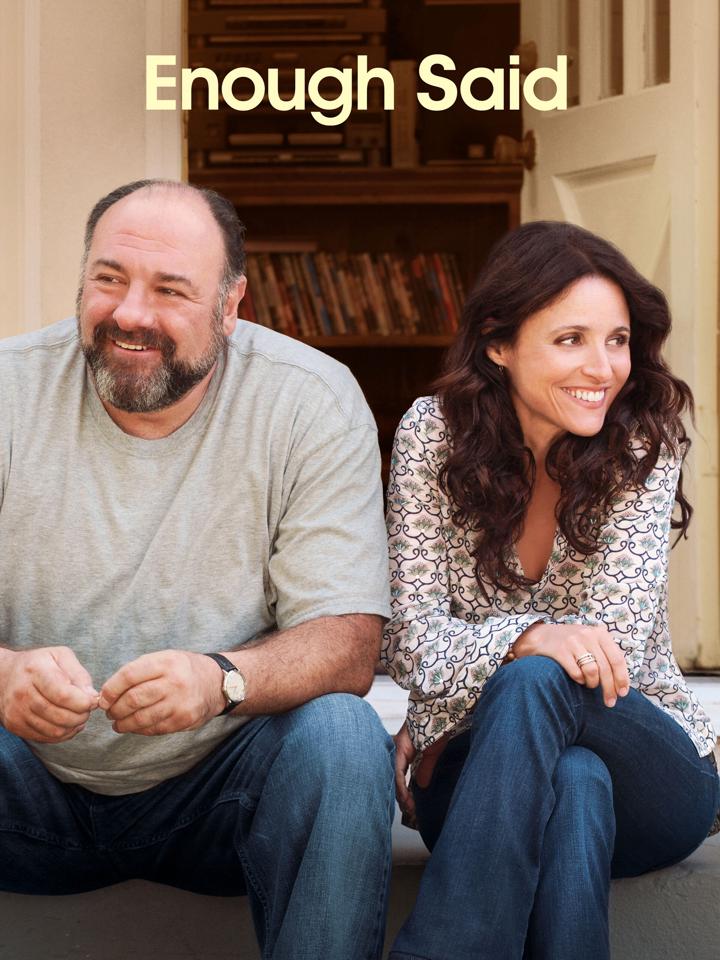
Enough Said
This is one of those rare romantic comedies that doesn’t feel manufactured or cloying. "Enough Said" follows Eva, a divorced masseuse, as she stumbles into an unexpected romance with Albert, only to discover he’s the ex-husband of her new friend. The plot sounds like something out of a sitcom, but the film sidesteps cliches and digs into the awkwardness and vulnerability of dating later in life. Julia Louis-Dreyfus and James Gandolfini (in one of his final roles) have a really charming, believable chemistry. Gandolfini, especially, brings a gentle, quietly funny presence that completely sidesteps his usual tough-guy typecasting. Their conversations feel so natural you’ll forget you’re watching actors. Louis-Dreyfus is both hilarious and painfully relatable. Nicole Holofcener’s direction keeps things feeling breezy and intimate, mostly set in sun-dappled Los Angeles neighborhoods and homes. There’s not a lot of flashy cinematography, but the cozy, slightly cluttered interiors make everything feel lived-in and real, like you could easily step into their lives. It’s a great example of how a specific setting can quietly enrich a simple story. If I’m being critical, some of the supporting characters (especially Eva’s teenage daughter and her best friend) don’t get quite enough room to breathe. The subplot with Catherine Keener as the ex-wife sometimes feels undercooked. Still, these are pretty minor drawbacks in a film so firmly focused on its main duo. You would enjoy this if you like your romance stories dryly funny, a little bittersweet, and grounded in the messiness of actual life rather than fairy tale logic. It’s ideal for fans of indie films, Holofcener’s other work, or anyone who misses the feeling of a clever, grown-up romantic comedy.
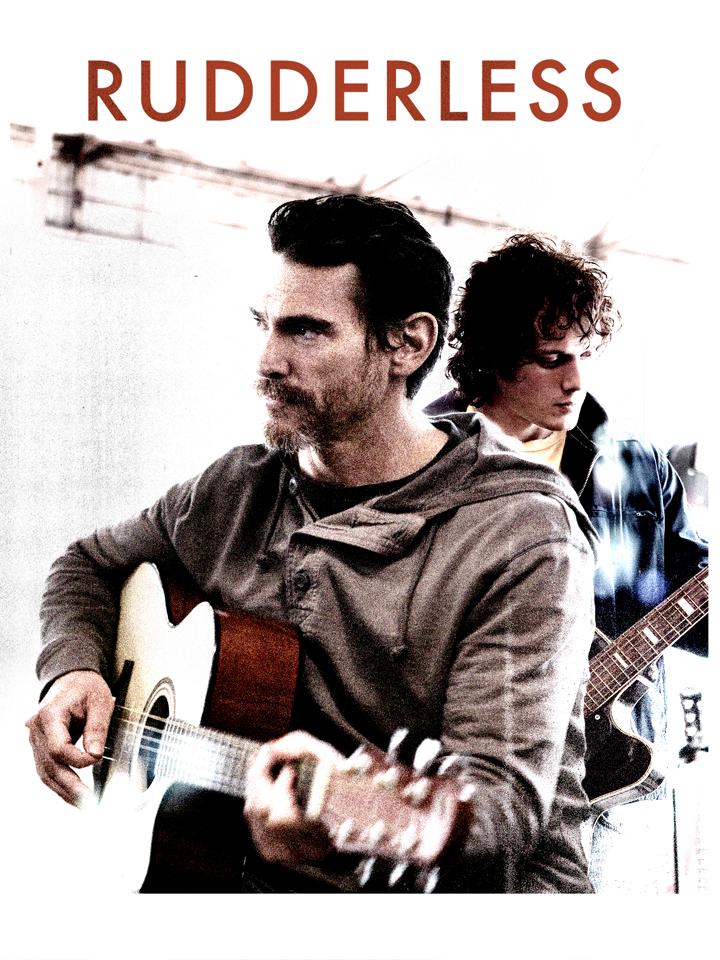
Rudderless
Rudderless is one of those music-infused indie dramas that slipped under the radar but honestly deserves a little more attention. Directed by William H. Macy, it follows the story of a grieving father (played by Billy Crudup) who discovers his late son's demo tapes and ends up forming a band to play his music. The movie's premise is heavy—it’s about loss, regret, and the surprising ways we try to cope—but it delivers these themes with a gentle touch and a strangely hopeful energy. What really stands out is the film’s genuine love for music as a form of healing. The scenes where Crudup’s character plays in scrappy, dim-lit bars or practices with unexpected bandmate Anton Yelchin feel authentic and unpolished in a good way. There are several original songs, and they're catchy enough to stick in your head after the credits roll—especially "Stay With You," which is a low-key indie gem. The performances have a subtle realism, and there’s a believable awkwardness that somehow works, capturing the clumsy way people connect through music. Not everything quite lands, though. The movie sometimes drags in the middle, and a couple of the emotional beats feel a tad forced—almost as if it wants to make sure you really "get" the lesson. Also, some side characters are thin sketches, mostly existing as signposts for the main guy’s journey. But Crudup and Yelchin bring enough heart to keep things rooted and honest. Visually, it’s quietly beautiful in that indie way—think washed-out color palettes, intimate close-ups, and lots of lingering shots on makeshift stages and musical instruments. Macy keeps the camera work simple, which actually works for the story, letting the emotions and soundtrack take center stage. The soundtrack itself is, honestly, one of the film’s secret weapons; if you love movies where the music feels woven into the soul of the story, you’ll appreciate this. You would enjoy this if you like bittersweet, music-centered dramas with a strong undercurrent of redemption. Especially if you prefer movies that deal with grief and recovery without too much melodrama or glam, and you’re up for discovering some new indie tunes along the way.