
Browse our collection of animation reviews and ratings.Showing 12 of 19 reviews.
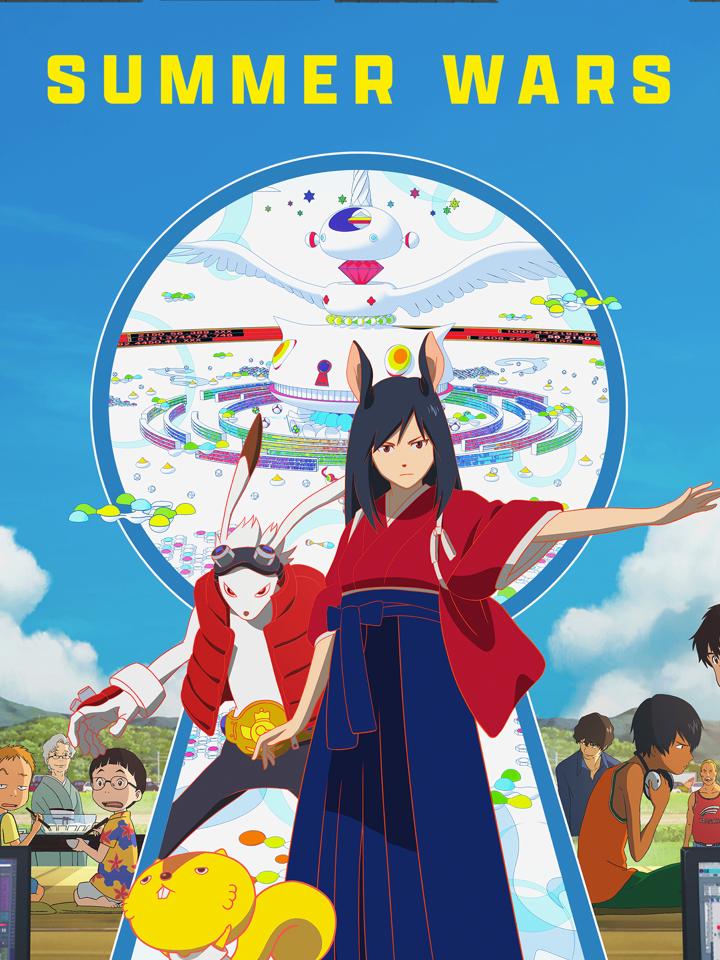
Summer Wars is a Japanese animated film that weaves together the chaos of a sprawling family reunion with an all-out digital disaster, and it’s honestly a wild ride. The story centers on Kenji, a shy high school math whiz, who’s invited by his crush to pose as her boyfriend at her eccentric family’s countryside gathering. Just when things get awkward, a malicious AI somehow turns the whole virtual world upside-down, dragging the family right into the crisis. You end up watching these generations come together, not just to solve a math problem, but to take on something that threatens the planet. What really stands out is how beautifully Summer Wars blends family drama with action-packed sci-fi. The scenes of daily life—crowded tables, nagging relatives, kids rushing about—feel so lived-in, and then suddenly you’re thrown into this stunning, candy-colored digital world called OZ. The visual contrast is mesmerizing; director Mamoru Hosoda’s team gets both settings just right, making the two feel connected even as they’re so different. The digital stakes can get a bit overblown, and sometimes the plot moves at a breakneck pace, which might lose people who want things more grounded. The villains—both digital and human—are a little stock, but the emotional beats, especially around family, tend to hit home. Kenji’s awkwardness and the big heart of Natsuki’s family are pitch-perfect, though a couple of the side characters could have used more time to shine. Animation-wise, it’s hard not to marvel at the look of OZ; it’s vibrant, imaginative, and gives classic internet aesthetics a fresh spin. The family home, meanwhile, is painted in cozy, sun-soaked colors that feel straight out of a summer memory. The voice cast (in both sub and dub) manages sincerity and energy, which helps carry the film through its more over-the-top stretches. You would enjoy this if you love heartfelt stories about messy but loving families, or if you have a thing for stories where real-world relationships and online chaos collide. Honestly, if you’re searching for something warm, funny, and just a bit wild—with a unique visual approach—a night with Summer Wars is a solid bet.
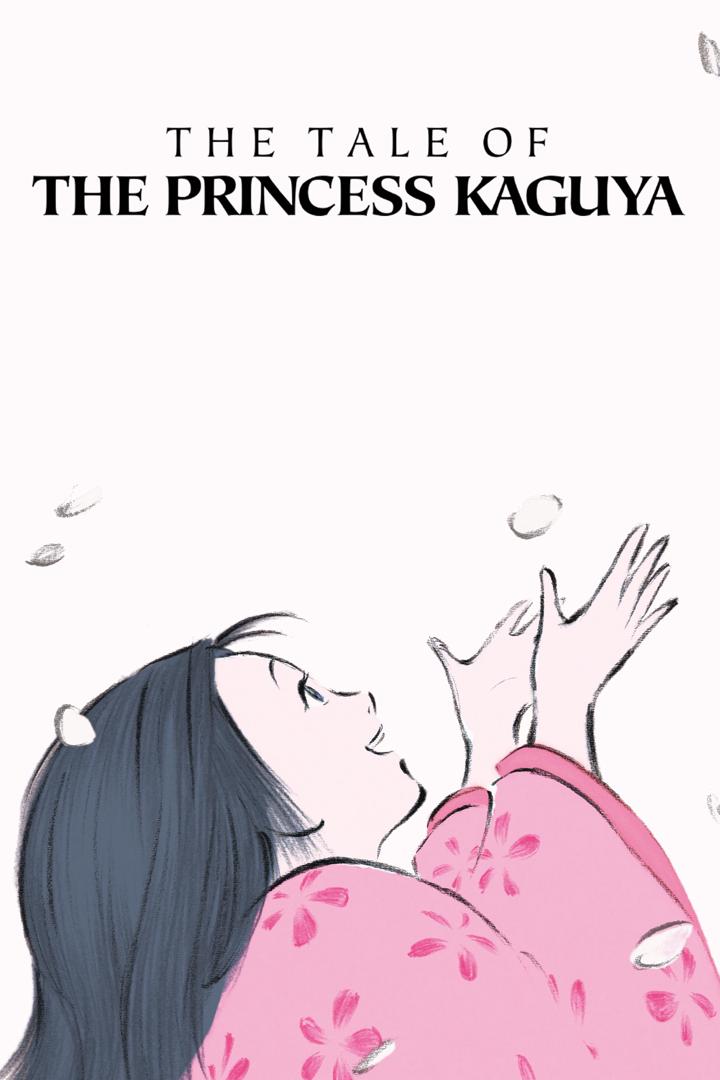
I finally sat down to rewatch The Tale of The Princess Kaguya, which is one of Studio Ghibli’s lesser-discussed gems. Its reputation skews toward “beautiful but slow” and after this revisit, I genuinely get those reactions. It is spellbinding visually from the open, using those flowing, watercolor-style drawings that look more like a cherished picture book than a mainstream animated feature. But the story—which adapts the ancient Japanese folktale “The Tale of the Bamboo Cutter”—makes some pretty deliberate choices about pacing and tone that can be… challenging, to say the least. The opening is pure magic: a bamboo cutter discovers a tiny girl in a glowing stalk of bamboo. The way the film paints this moment makes the mundane otherworldly, capturing both awe and a strange sense of fragility. Director Isao Takahata uses sparse lines and washes of color to dial up that sense of ephemerality. Honestly, there were moments early on when I wondered if the entire movie was going to be more of a poetic mood piece than a coherent narrative. What surprised me the most was how much emotional weight builds as Kaguya grows up and struggles with her changing world. The pressure of expectations rings so true—her parents believe giving her a fancy lifestyle is all she could ever want, but moments where Kaguya escapes into the countryside or struggles against the rules pinning her down hit way harder than you’d expect from a “fairytale.” The sound design helps a lot here: sudden silences, and nature noises drifting in, keep everything feeling intimate. The film undeniably drifts in the middle. Sequences with the various would-be suitors go on a little too long, and while each one is trying to underline a different aspect of societal absurdity, the repetition starts to sag. I found myself drifting during some of these scenes, especially because the narrative stakes don’t feel immediate. It’s a case where the movie’s commitment to being mythic and symbolic slows the actual storytelling momentum. But then, sometimes Takahata blindsides you with a sequence so visually kinetic or emotionally raw that you snap right back. There’s a brief, breathtaking runaway scene where the artwork totally explodes—streaks of black ink and slashes of color, almost angry, pulsing with the character’s emotion. It is unlike anything you’ll see in most feature animation. That one scene woke me up more than any caffeine ever could. I also have to call out the voice cast, both in Japanese and English. Kaguya herself (Aki Asakura in the original) gives this quivering, childlike honesty to even her smallest reactions. Even minor characters, like Lady Sagami or the Bamboo Cutter, come across less as symbols and more as flawed, confused people. This goes a long way toward keeping the film grounded even as its story heads into more cosmic, fable territory. Tonally, the movie is pretty melancholy. It carries this constant shadow of impermanence, like the characters sense nothing lasting can ever truly be owned or preserved. It’s a meditative vibe, but not a depressing one—more bittersweet. The film ultimately has something real to say about loss and letting go, and the ending pulls no punches. I guarantee you will sit in silence for a minute or two after the credits roll. All in all, The Tale of The Princess Kaguya is a stunning achievement, artistically and emotionally. It’s not a comfort-food movie, and parts of it seriously try your patience if you’re in the mood for a tight plot or quick payoff. But the way it blends transcendent artwork, emotional honesty, and thoughtful storytelling makes it linger in your mind long after. It may not be my favorite Ghibli, but it is the one that keeps haunting me, for better or worse.
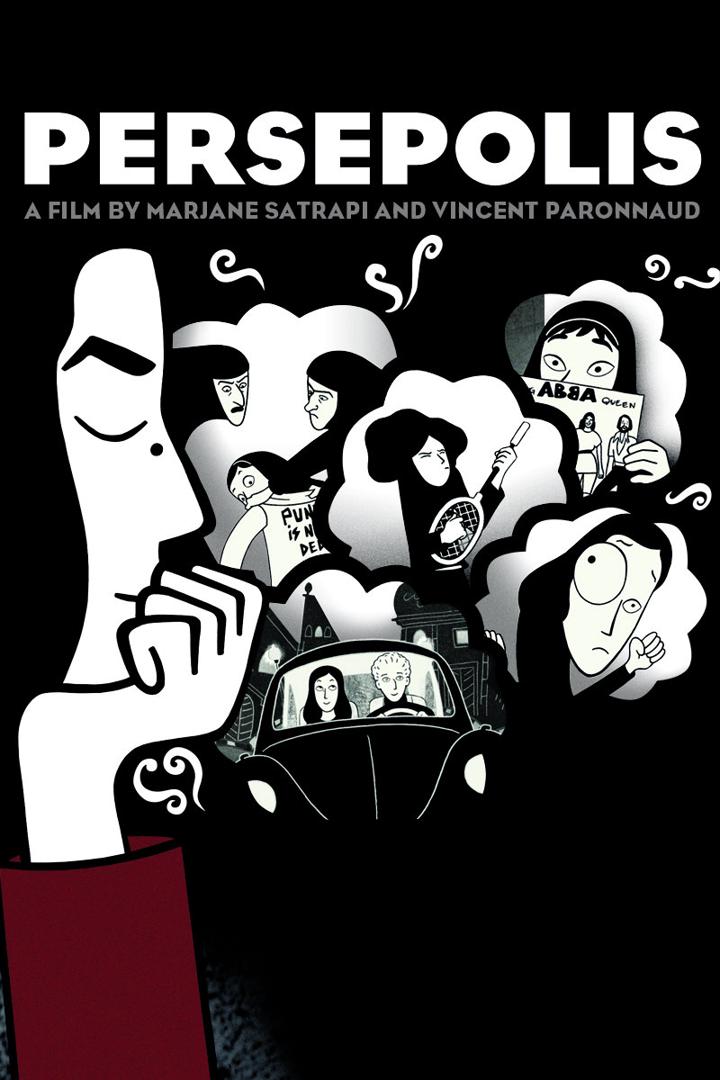
Persepolis is one of those rare animated films that stays with you years after you’ve watched it. Based on Marjane Satrapi’s graphic novel, this movie is essentially her coming-of-age story set during the Iranian Revolution. Don’t let the stark black-and-white animation fool you — it’s emotionally layered and surprisingly funny at times. Watching young Marjane grapple with her shifting identity, her country’s chaos, and her fiercely loving family feels intimate in a way most live-action dramas wish they could pull off. Right off the bat, the animation style is striking. It’s minimalist but never boring, using sharp lines and shadows to evoke both the nostalgia of old cartoons and the profound gravity of the subject matter. There’s this gorgeous contrast between the dreamy childhood sequences and the brutal realities Marjane faces as a teenager and adult. The lack of color actually amplifies the drama and the absurdity, especially when Marjane’s imagination spirals off during moments of fear or uncertainty. Persepolis nails tone like few movies do. It’s deeply personal and often tragic, but also surprisingly playful. There’s an irreverent humor that sneaks into all the right places, mostly thanks to young Marjane’s bluntness. A scene where she talks to God as a child is as hilarious as it is heartbreaking. That sense of playfulness keeps the film from being suffocating, even as it dives into themes of war, loss, and exile. The pacing is brisk without feeling rushed. It covers decades, yet every chapter feels purposeful. You’re right there with Marjane as she goes from rebellious kid to angsty teenager to world-weary adult. There are moments where the political history might trip up viewers not familiar with Iran, but Satrapi’s storytelling is so personal that it doesn’t really matter. The political is always filtered through Marjane’s own experience, so it always feels grounded and relatable. Voice acting is superb — I watched the original French version with English subtitles, which I’d recommend over the dubbed one. Chiara Mastroianni gives Marjane a raw honesty, and Catherine Deneuve as her mother brings depth to even her quietest scenes. These performances make the film’s most devastating moments land all the harder. The family dynamic is complicated and real, and it’s those quieter scenes — arguments over ideology, bittersweet farewells — that hit the hardest. I have to admit, there were a few moments where the film lost me a bit. There’s a middle section set in Europe that feels a little meandering, and I found my attention slipping. Some of Marjane’s experiences abroad aren’t as compelling as her upbringing in Iran — they’re necessary narratively, but the energy dips a bit. I get that’s part of the point, but a tighter edit could have helped. Still, the emotional punch more than makes up for any pacing hiccups. There’s one scene near the end — no spoilers — where Marjane is confronted by her memories all at once, and it floored me. The final stretch does something few autobiographical films manage: it feels honest without being preachy or self-indulgent. By the credits, you’re left with a bittersweet sense of hope and loss that lingers for days. Persepolis isn’t a “fun” movie, but it’s a rewarding one. I wouldn’t recommend it as the first animated film for someone who’s only watched Pixar. But if you want a powerful, unique story told in a style that mixes punk wit with graphic-novel poetry, this film should be at the top of your list. It does what all great movies do: make you care deeply about someone’s life, even if it’s a million miles from your own.
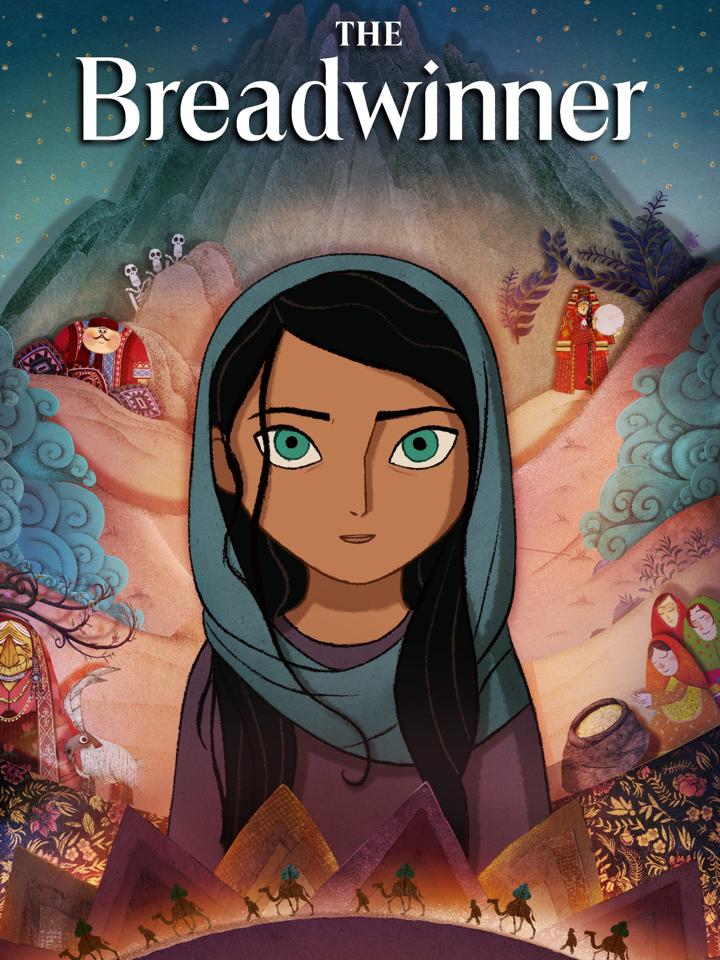
If you haven't heard of The Breadwinner, it's the kind of animated film that sits just outside mainstream radar but really deserves more attention. Set in Taliban-controlled Afghanistan, it follows an eleven-year-old girl named Parvana who has to disguise herself as a boy to provide for her family after her father is unjustly imprisoned. That premise alone makes it stand out from your regular animated fare; this isn't colorful escapism or bright musical numbers. It’s heavy, sometimes harrowing and visually stunning in ways that are always in service to the story. What really struck me is how the film balances its pretty brutal reality with moments of gentle storytelling. Cartoon Saloon, the Irish animation studio behind it (they also did Song of the Sea and The Secret of Kells), has this recognizable style — flat, richly textured backgrounds and warm color palettes. Here, that aesthetic is even more purposeful. The bustling markets, dusty streets, and stark interiors all feel immediate and lived-in, but they’re never overwhelming. The animation brings a kind of poetry to some genuinely tough scenes, but it never dulls their impact. The story has emotional weight, and it’s paced with care. There’s an urgency to Parvana’s quest, and the script doesn’t waste a single frame. At about 90 minutes, it avoids that bloat a lot of dramas fall into. The film never lingers too long on suffering, though — it moves briskly, always rooted in Parvana’s resilience. There are a few moments where the pacing slows, especially in the middle, but I actually welcomed the breather. The movie needs it, and so do you, because some scenes are flat-out gut punches. Voice acting in animation is often overlooked, but The Breadwinner gets it completely right. Saara Chaudry carries the whole thing as Parvana, landing every note from stubbornness to fear to hope. Even the supporting cast — especially Soma Chhaya as her older sister — adds emotional texture. There's a lack of star power here, but honestly, that works: the performances feel real rather than polished, and you forget you’re hearing actors. One standout element is the movie’s use of storytelling within storytelling. Parvana’s father always spun her tales, and Parvana keeps that tradition alive, telling her little brother a story about a boy on a mythical quest. These scenes are animated differently — bolder, more abstract, like papercut theater. It’s beautiful, and these interludes hint at the way stories can protect or empower, even as the “real world” story keeps getting harsher. Where the film falters a bit is in its thematic aggressiveness. At times, it hammers home the oppression of women under the Taliban, with little nuance. While I get the choice (after all, it’s real history), a few scenes didn’t trust the viewer to pick up on subtleties. There’s a moment involving a group of men in the market that feels on-the-nose, like something you’d get in an after-school special. Still, it doesn’t drag the movie down much; it’s just one spot where I wished for a bit more shading. Despite the heaviness, The Breadwinner has a genuine tenderness. It isn’t a wallow in misery. There's a lot of affection between the family members, and even the moments of fear are undercut with warmth and hope. I was actually surprised by how uplifting some scenes feel, which is a testament to the writing. The ending avoids neatness, and the movie earns its emotional payoff without ever feeling manipulative. Overall, The Breadwinner is tough but rewarding. If you grew up thinking animation is for kids, or that only Studio Ghibli can do emotional character work, this will shake that right out of you. I would not recommend it for small kids, but for anyone else, it’s a quietly powerful work that isn’t afraid to stare down real-world darkness. You’ll walk away with a lot to think about. Plus, you might immediately look up Cartoon Saloon’s entire filmography.
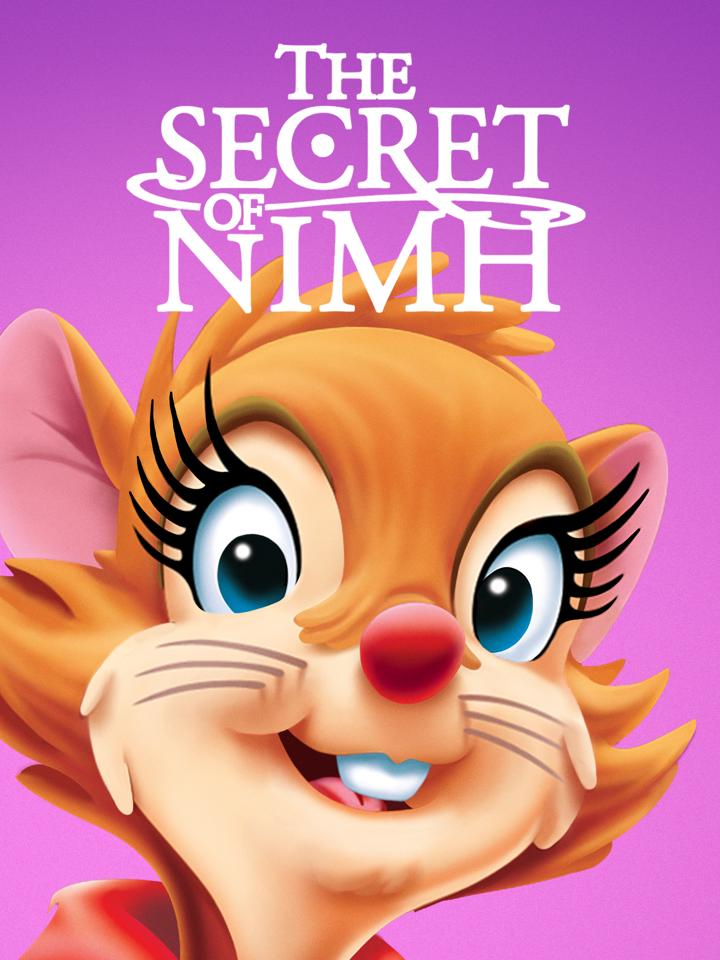
I’ve revisited Don Bluth’s The Secret of NIMH a few times over the years and every watch somehow sneaks up on me. This is one of those animated movies that always felt like it existed in the shadow of Disney giants, but honestly, it has more raw guts and atmosphere than most of the 80s Mouse House output. The story centers around Mrs. Brisby, a widowed field mouse, trying desperately to save her son from impending doom while unraveling a much bigger mystery about her late husband and a society of super-intelligent rats. It’s heady stuff for a kids movie, but that’s what makes it stick. Right out the gate, you can feel that this isn’t just a fairy tale with singing animals (even though there’s a touch of whimsy). The tone is dense, a little dark, almost gothic in places. Bluth’s animation isn’t as slick as Disney, but it’s incredibly textured – you can see the scratchy pencil lines, the backgrounds are lush and eerie, and the lighting feels theatrical. The great owl is genuinely terrifying, and those swooping, inky shadows make the world feel dangerous and unpredictable. What really works is how the film treats its characters with respect. Mrs. Brisby is not your typical main character: she’s anxious, uncertain, and small in every sense, but her perseverance is so much more relatable than the heroic confidence you get in other animated leads. Elizabeth Hartman’s voice acting is perfect – soft, a little breathless, but determined. Derek Jacobi as Nicodemus has a mesmerizing presence, and Dom DeLuise’s clumsy crow provides a bit of comic relief without tipping the whole thing into slapstick. The pacing has a weird, hypnotic pulse. Bluth seems comfortable letting some scenes play out slowly – the sequence where Mrs. Brisby explores Nicodemus’s lair is drawn out and dreamlike, mixing awe and menace in equal parts. Sometimes the worldbuilding gets convoluted (the NIMH backstory drops heavy sci-fi ideas onto a movie about mice), but it never feels like it’s talking down to the audience. The film trusts you to put the pieces together, and for a young viewer, that’s eerily satisfying. Emotionally, The Secret of NIMH plays rough. There’s a strong undercurrent of grief and fear, especially for anyone who’s lost someone or felt overwhelmed by responsibilities. The threat to Brisby’s children is genuinely scary, and the villains are nuanced. Jenner in particular is more desperate and pathetic than just outright evil, which adds a tangle of moral grayness that’s rare for animated films from the era. Not everything lands, though. Some moments of comic relief break the spell a bit too much, and the final act relies a little hard on “magical solution” logic that feels at odds with the science-fiction elements. The dialogue sometimes skews clunky, especially in explaining the complexities of the plot, and younger kids might tune out during the denser stretches. But I’d argue those lumps are why the film endures – it’s messy and strange and ambitious. One thing I have to point out is the stunning use of color and shadow. There’s this fluid, painted quality to the way the world glows at night or in candlelight, and it makes even tiny spaces feel cavernous and mysterious. That sense of scale is another of Bluth’s secret weapons here: a kitchen table is a monumental landscape, a storm is apocalyptic. You get the feeling that life is much bigger and scarier than any one character, which is fitting considering the theme. In the end, The Secret of NIMH is a weird little miracle. It doesn’t coddle kids, but it doesn’t wallow in gloom either. It’s ambitious, spooky, sometimes odd, but it lingers with you – a rare feat for an animated film from an era obsessed with safe storytelling. Not quite flawless, but absolutely unforgettable.
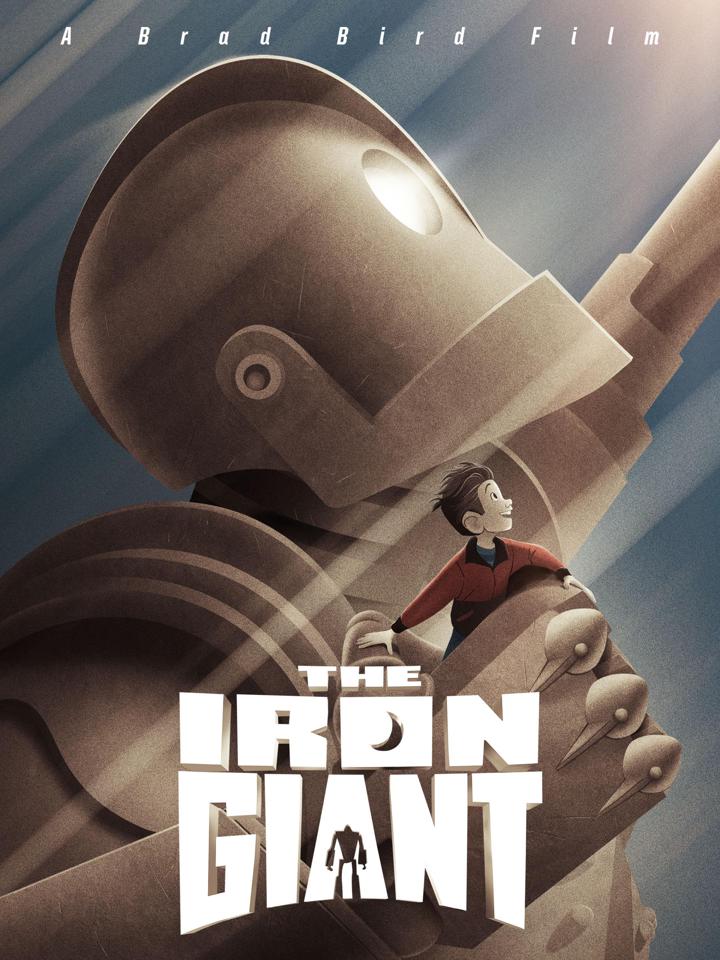
The Iron Giant is one of those rare animated films that feels genuinely timeless. It's set in the Cold War era which gives it this nostalgic small-town vibe, but the central story - about a lonely boy who befriends a massive robot - is universal enough that it doesn’t feel dated. Brad Bird directs with a deft touch, letting the quieter, human moments hold as much weight as the action beats. For an animated film from 1999, it’s aged incredibly well. What struck me most rewatching it recently was how sincere the movie feels. There’s absolutely no winking at the audience or pandering to adults the way some modern animated films do. The humor is gentle and comes from the characters just being themselves, especially Hogarth's jittery energy or Dean's sardonic attitude. Yet it never veers into cheesy territory. Visually, the film is a treat. The hand-drawn animation has a warmth that computer animation sometimes lacks. There's just something so expressive about the way the Giant moves or how the characters' faces react in subtle ways. The use of light, particularly during the night scenes, really sets the mood - there’s a moment where Hogarth and the Giant look up at the stars that sticks with me. The pacing is brisk without feeling rushed. Every scene feels deliberate, and nothing drags. And the voice acting? Stellar. Vin Diesel's performance as the Giant is iconic - he only has a handful of lines, but somehow conveys curiosity, fear, and kindness with little more than inflection. It’s understated but incredibly effective. The emotional core of The Iron Giant is where it really delivers. This is a story about identity, fear, sacrifice, and ultimately, empathy. The movie doesn’t shy away from real stakes or darkness, but it balances them with moments of hope. I’ll be honest, the ending still hits hard every single time, no matter how many times I've seen it. If there’s any real flaw, it’s that the villain is a little one-note. Kent Mansley plays the paranoid government agent with just enough comic relief to not be too grating, but he’s basically there to move the plot rather than offer any real layers. It's the only area where the film doesn't reach the emotional depth it does elsewhere.
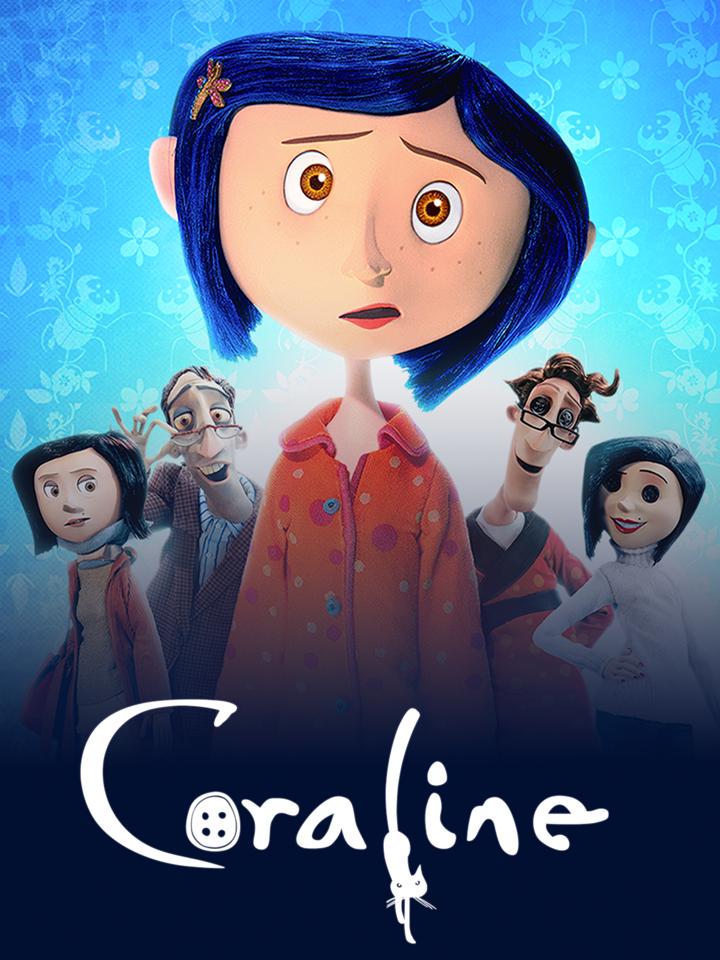
Coraline is one of those animated films that creeps into your bones unexpectedly. The story follows a girl who’s bored with her new home and stumbles into an alternate world that looks far brighter until it isn’t. It balances childhood wonder with genuine terror in a way that keeps both adults and kids glued to the screen - though, honestly, the button eyes alone might be nightmare fuel for younger viewers. The stop-motion animation is absolutely top-notch. You can feel the hand-crafted love in the way every room and character moves, from the way Coraline’s blue hair bounces to the unsettling precision of the Other Mother’s spindly fingers. Laika Studios just doesn’t mess around when it comes to details, and it’s why this movie still looks fantastic years later. What really works is the tone. It’s whimsical but never cutesy, and the underlying creepiness isn’t sanitized for easy consumption. There are scenes that linger just long enough to give you chills, but they’re also punctuated with genuinely funny or touching moments. I found Wybie’s oddball presence especially charming, even if his dialogue sometimes felt a tad forced. The pacing is mostly great - though the middle does drag a bit as Coraline keeps flitting back and forth between worlds. There's a repetitive feel to her discoveries, and you can almost sense when the film is gearing up its next set piece rather than letting the story flow naturally. But once you hit the final act, things pick up with real urgency and inventiveness. Voice acting is another highlight. Dakota Fanning nails Coraline’s curiosity and frustration, while Teri Hatcher flips between motherly warmth and icy villainy like it’s nothing. Keith David as the cat? A+ choice. If anything, I wish a couple of side characters weren’t quite so one-note, but it’s a tight enough script that it never derails the mood. Coraline isn’t afraid to be dark, and that’s what makes it memorable. It treats its audience with respect, letting kids feel scared without talking down to them. The emotional payoff might not be as gut-punching as some other animated films, but there’s a lingering weirdness that sticks with you long after the credits roll.
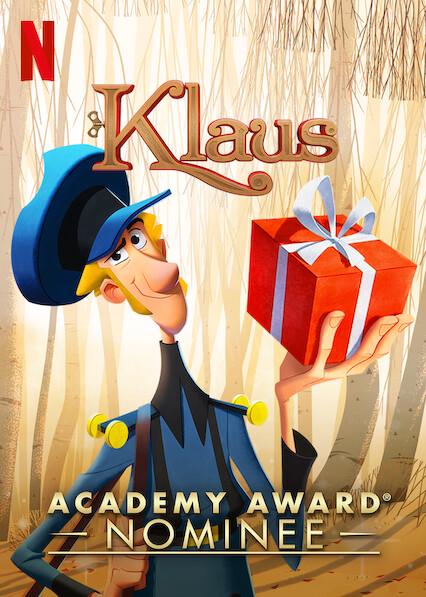
Klaus is one of those movies I initially shrugged off, mostly because I thought there were already enough Santa origin stories floating around. But this one genuinely surprised me. It’s a Spanish animated film, directed by Sergio Pablos, and the hand-drawn animation instantly gave it this cozy, storybook feel that made me want to hunker down with hot chocolate, regardless of the season. The story centers around Jesper, a spoiled rich kid forced by his postal-tycoon dad to prove himself as a postman in the bleak, snow-drenched town of Smeerensburg. Here, the mail never gets delivered, because the town is caught in a lifelong feud so bitter that even kids are basically raised to hate their neighbors. Jesper’s desperate to escape, but his dynamic with Klaus - the reclusive toymaker hiding out in the woods - becomes the movie’s secret weapon. What works is the film’s balance of warmth and cynicism. Jesper is a brat at the start, and watching his slow evolution into someone less awful actually feels earned. Klaus himself is quietly compelling; he barely speaks, but his grief and tenderness land hard. There’s also a lot more bite to the script than I expected - plenty of moments poking fun at tradition, and a sly sense of humor that actually works for adults. The town’s feuding families are ridiculously over-the-top, but that just makes them way more memorable. The hand-painted look is absolutely gorgeous. Light has this almost magical texture and the character designs are playful without going off the rails. There’s a sense of physical space that feels different from a lot of other modern animated films, and it helps sell the fantasy parts without making it all candy-coated. If there’s a weak link, it’s the pacing in the middle third. The movie front-loads a lot of conflict but then sorts a bunch of it out in single scenes that feel weirdly quick. Also, as heartfelt as it is, the plot goes exactly where you think it will by the end. It’s not trying to blow anyone’s mind structurally, and it leans a little heavy on the sentimentality sometimes, especially with the swelling score. But honestly, I kind of love it anyway. Klaus is nostalgic without being sappy, funny but never forced, and it pulls off some really nice visual and emotional payoffs by the end. Out of all the feel-good animated movies around Christmas, this one is actually worth revisiting - and not just for the pretty pictures.
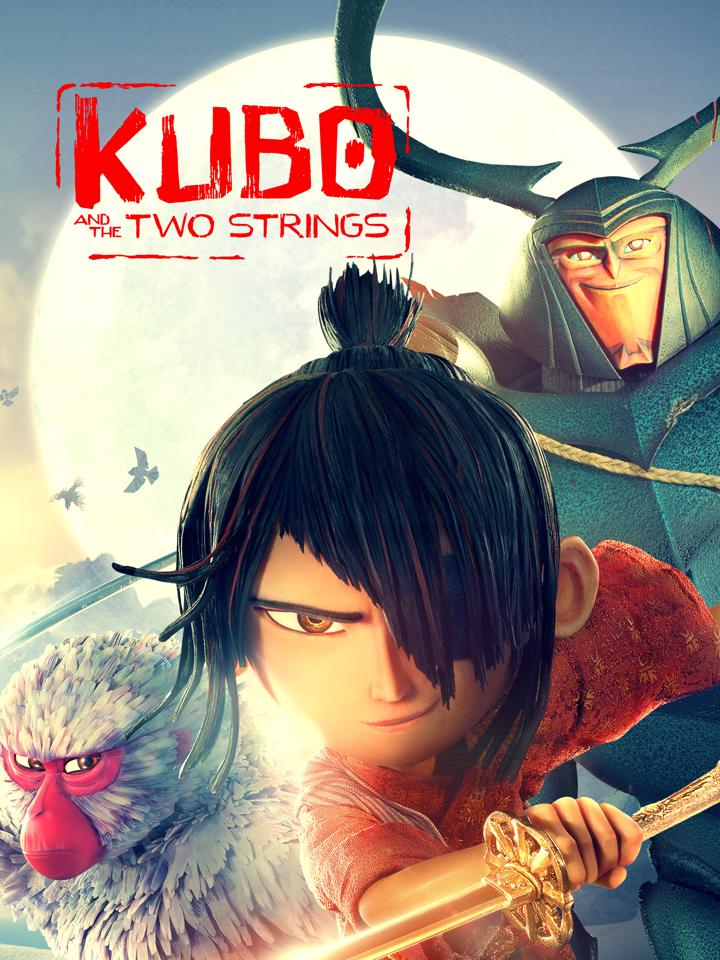
Kubo and the Two Strings flew under a lot of people’s radar back in 2016, but it really shouldn’t have. On the surface, you’re in for a visually stunning stop-motion adventure that’s absolutely drenched in Japanese folklore and artistry. The story follows Kubo, a kid with a talent for storytelling (and a magical shamisen), caught up in a dangerous family mess. Frankly, it’s rare when animation feels this hand-crafted and soulful. For me, the tone hit a sweet spot. It’s melancholic and genuinely moving, but it also has moments where you just want to stare at the screen because the animation is ridiculous. It feels almost tactile - like you could reach out and touch the paper and fabric. Laika Studios always brings their A-game visually, but they outdid themselves here with things like the origami magic and moonlit boat scenes. The pacing drags a bit in the middle; it’s not a breezy sit. They lean into atmosphere and emotional build-up, but sometimes it verges on slow. Some beats linger just a hair too long and a few side characters get shortchanged. I kind of wanted more development for Beetle, just because his character felt like it could have been deeper. That being said, the cast really goes for it. Art Parkinson voices Kubo with this earnest vulnerability, and Charlize Theron as Monkey is an absolute highlight. There’s a dry, protective humor in her lines that works perfectly with the largely somber backdrop. Honestly, Matthew McConaughey surprised me the most - he dials down his usual persona and brings a fuzzy warmth to the Beetle character. The story definitely has some emotional punch, especially toward the end. Themes of memory, loss, and forgiveness are handled with a mix of gentleness and courage. Maybe it’s not as tight as Coraline, but it feels more ambitious and mature. At times, though, I wish it trusted the audience a bit more and dialed back the explicit moral lessons. The music. That shamisen score weaves through the movie and gives it this immersive, otherworldly vibe. If the visual artistry doesn’t pull you in, the soundtrack probably will. The final number over the credits might be a little on-the-nose, but it kind of works after everything you’ve just sat through.
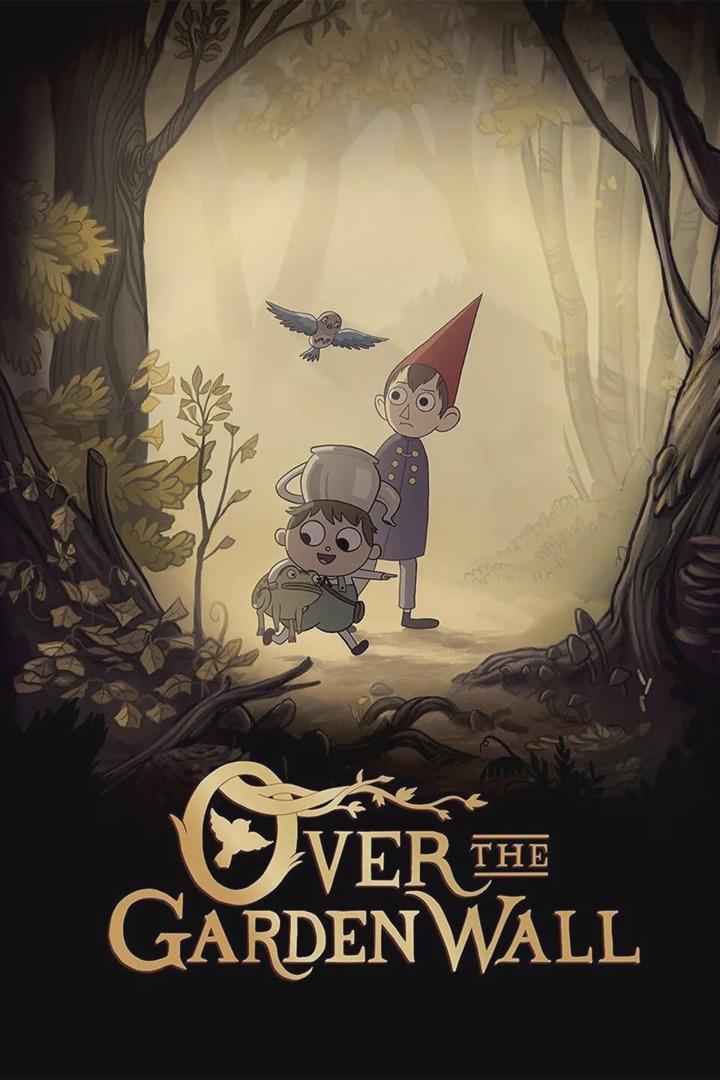
Over the Garden Wall is one of those oddball animated miniseries that feels like it came from another era - like the folklorey parts of classic children’s lit, but with a distinctly modern sense of humor and unease. The show follows two half-brothers, Wirt and Greg, who are lost in a mysterious, autumnal world populated by singing frogs, woodsmen, and unsettling creatures. The premise sounds twee, but trust me, it’s way more Uncanny Valley Grimm’s fairytale than cutesy Nickelodeon. What really sells it is the atmosphere. Creator Patrick McHale (Adventure Time alum) leans hard into paintings-in-motion visuals - there’s a painterly quality to the backgrounds, especially the spooky nighttime woods and melancholic fields. You can practically feel the chill in the air. The music hits similar notes: old-timey folk tunes, ragtime ditties, and some genuinely haunting melodies that do a lot of heavy lifting emotionally. Elijah Wood voices Wirt, and he nails the anxious, dramatic overthinking of a teen who wants to act grown up but is desperately out of his depth. Collin Dean as Greg is pure comic relief without ever getting annoying (a miracle for animated kids, frankly). There’s also a stacked supporting cast, including Christopher Lloyd and Melanie Lynskey, who both bring surprising warmth and weirdness. Episode length is bite-sized - about ten minutes each, ten episodes total - so the whole thing is bingeable in an evening. That pacing helps; there’s no room for filler, and each episode introduces a new, fairy-tale vignette while still pushing the central mystery forward. A couple episodes feel a little aimless, but even those offer some fantastic imagery or gags, and everything pulls together tightly by the ending. The themes sneak up on you. There’s nostalgia, fear of growing up, sibling dynamics, confronting mortality - very “kids’ show for adults,” but also something I wish I’d had as an actual kid. It’s darker and weirder than you’d expect, and sometimes the tone swings from light whimsy to full-on unsettling. But it never feels edgy-for-edgy’s sake; even the creepiest moments are in service of the story or world. If I have any knock against it, it’s that your mileage may vary with the knowingly old-fashioned Americana vibe, and Greg’s relentless optimism could grate for some. But for me, it’s refreshing: smart, creepy, touching, funny - an autumn mood in a bottle. I revisit it almost every year.
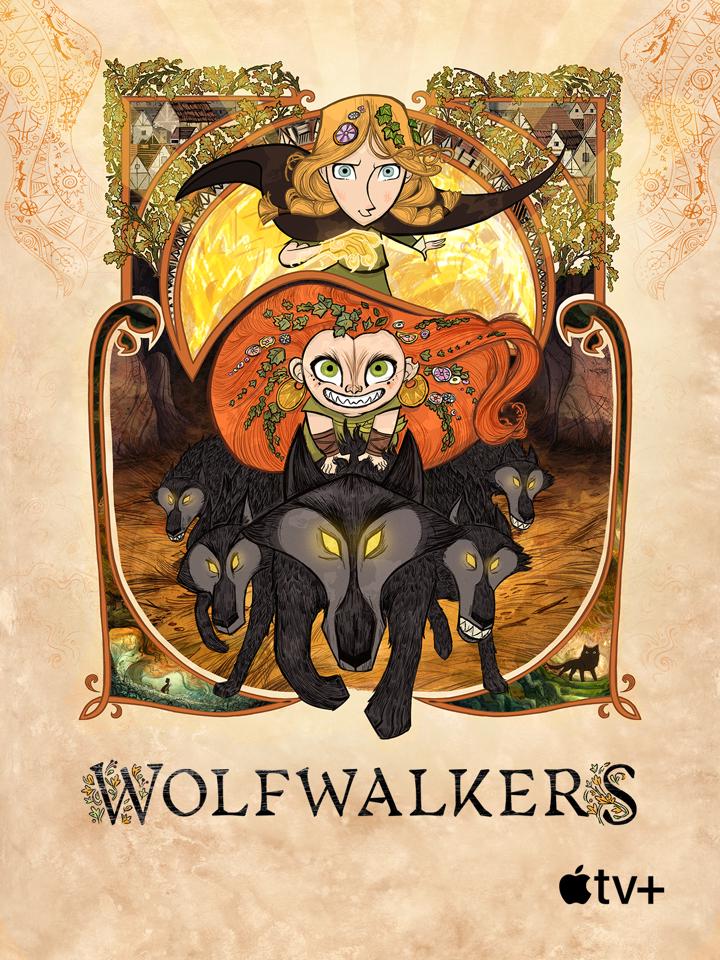
Wolfwalkers is one of those animated films you might've missed if you're not super plugged into the world of indie animation, but it’s definitely worth a look. The story follows Robyn, a young English girl in 17th-century Ireland, who befriends a mystical girl named Mebh - part of a secret tribe that can transform into wolves. The plot is both magical and grounded, tackling themes of fear, friendship, and the natural world versus human encroachment. What really stood out for me is the unique animation style. It's got this hand-drawn, sketchy look that feels both old-school and fresh at the same time, with bold color choices and a sense of motion that's kind of hypnotic. Cartoon Saloon doesn't shy away from stylization, and it makes even the quieter scenes feel rich and immersive. The way the wolves are depicted, with quick, flowing lines and wild, free movement, is just gorgeous. The voice acting is also a big plus. Honor Kneafsey and Eva Whittaker have great chemistry as Robyn and Mebh, and Sean Bean brings a lot of warmth and gravitas as Robyn’s father. The Irish accents and music (by Bruno Coulais and the folk group Kíla) add a layer of authenticity and atmosphere that's different from your typical American animated fare. If I had to pick at something, the plot can feel a bit predictable in places - think a standard “outsider befriends the magical other” storyline. It leans into the tropes at times, so some beats feel a bit familiar if you’ve seen other young-adult fantasy films. Still, I found myself attached to the characters and genuinely moved by the emotion in some scenes. You would enjoy this if you liked other Cartoon Saloon films (like Song of the Sea), are a fan of fantasy with a folkloric twist, or just want an animated movie that's beautiful to look at and a bit different from Pixar or DreamWorks. It’s especially good for anyone who appreciates hand-crafted animation and stories about connection - to people and the wilderness.
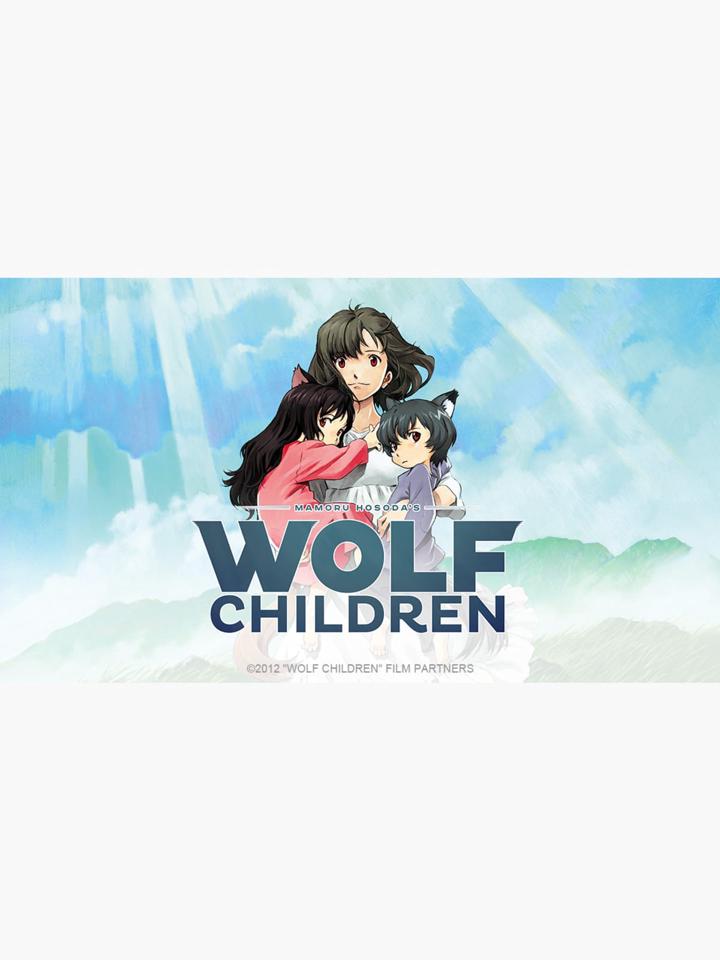
Wolf Children is a Japanese animated film directed by Mamoru Hosoda, centered around a young woman named Hana who falls in love with a werewolf and later raises their two half-human, half-wolf children on her own. The film blends everyday struggles with magical realism in a way that feels grounded and heartfelt. It’s a story about parenthood, identity, and growing up, all wrapped in a gentle, pastel-tinged animation style. What really stood out to me was how honestly it portrayed Hana’s experience as a single mother - her exhaustion, her sacrifices, and those small moments of victory or joy. The film doesn’t sugarcoat the difficulties of raising kids who literally don’t fit into society, and that honesty made me root for her all the more. The children, Ame and Yuki, are so well characterized; watching them grow into their own personalities (and choosing their own paths) is quietly emotional. Where the film is strongest, though, is in its visuals and mood. Every background is lush and almost poetic, especially when the family moves to the countryside. There’s a sense of space and time passing that a lot of animated films just don’t capture. I do think the pacing can lag a bit in the second half - some scenes between the siblings feel repetitive - but overall, the gentle flow works for this kind of story. Voice acting is top notch, even in the dubbed version - the actors bring a lot of warmth and nuance, especially to Hana. The folklore-inspired storyline makes the film unique, but at its heart, it’s the universal themes of letting go and finding your own way that really stick. There aren't any wild plot twists, just an appreciation for life’s tiny changes and the passing of seasons. You would enjoy this if stories about family make you tear up, or if you appreciate beautifully animated films that take their time. It’s for anyone who liked Studio Ghibli movies but wants something a little off the beaten path.