
Browse our collection of comedy reviews and ratings.Showing 12 of 64 reviews.
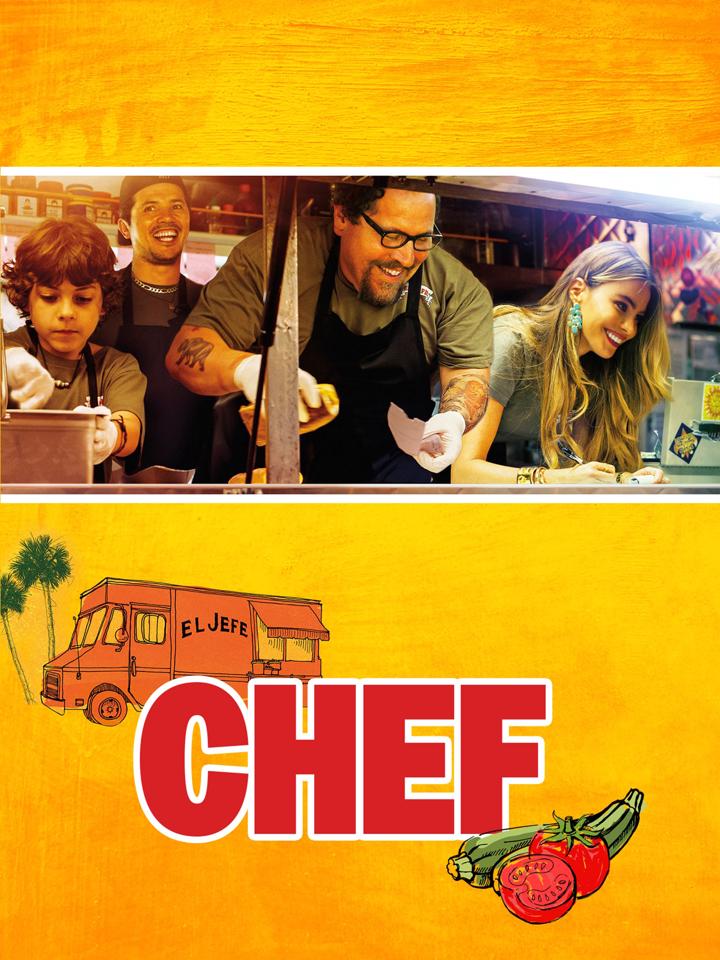
Chef is a heartfelt road-trip comedy that kind of sneaks up on you with its warmth and humor. Written, directed by, and starring Jon Favreau, it’s about a once-hot celebrity chef who, after a meltdown and a viral social media fiasco, starts a food truck with his son. The setup sounds modest, but it’s a charming look at starting over, fatherhood, and rediscovering your passion. It’s surprisingly genuine for a comedy, especially with the family dynamic at the center. What stood out most for me was how much the film oozes its love for both food and the communities they visit. The cooking scenes are shot almost like food porn—beautiful close-ups, sizzling sounds, and quick cuts that make grilled cheese look like a five-star meal. The film delivers a kind of wanderlust as they drive across America, stopping at places that highlight food’s place in local culture. It also avoids the typical “chef saves the day” clichés and feels much more personal. I wasn’t blown away by every beat of the storyline—some moments, particularly the romantic subplot with Sofia Vergara’s character, felt underdeveloped or almost tacked on. But the chemistry between Favreau, John Leguizamo, and the kid actor, Emjay Anthony, keeps the energy up. There’s a looseness to the dialogue that makes the road trip feel spontaneous, even if some of the supporting roles (like Robert Downey Jr.’s brief cameo) seem mostly like fun favors for Favreau. Visually, the movie isn’t breaking new ground, but it’s warm, saturated, and inviting. Cinematographer Kramer Morgenthau balances the rich colors of food with the grit of back alleys and food truck stops. The way it captures social media—tweets, vines, and viral moments—is fun without being too gimmicky. There’s also a killer soundtrack that fits every region they travel through. You would enjoy this if you’re into food movies like Julie & Julia or simply want a breezy, uplifting comedy that isn’t mean-spirited or too over-the-top silly. It’s really a comfort watch—perfect for a cozy movie night or when you want something that feels optimistic but not syrupy.

If you like dry wit and travelogue-style banter, "The Trip" is one of those comedies that sneaks up on you with its cleverness. The concept is simple: Steve Coogan and Rob Brydon, playing heightened versions of themselves, embark on a restaurant tour across Northern England. What follows is a blend of improvisational conversation, spot-on celebrity impressions, and spectacularly awkward competitive ribbing. It manages to feel both low-key and insightful as we eavesdrop on two friends who are part rivals, part confidantes. What really stands out are the conversations—sometimes meandering, often downright hilarious, as they try to one-up each other with Michael Caine impressions or muse about mortality over fine dining. The humor is never broad or forced; it's found in the clichés of middle age, lingering ambitions, and the gentle cruelty only close friends can inflict. There are moments you want to pause just to jot down a line or marvel at an improvisational turn. On the downside, the lack of a strong plot means the pacing can feel a bit slow, especially if you’re not in the mood for low-stakes, observational comedy. Sometimes it feels like not much happens, and if you crave big comedic set pieces, this might feel too subdued. That said, there's a quiet emotional arc to their friendship that becomes more rewarding the longer you watch. Cinematographically, "The Trip" is a bit of a hidden gem—the English countryside looks absolutely stunning, and the lingering shots of food are a foodie’s dream. The series has a sort of travel diary vibe, complete with gorgeous B-roll, moody weather, and the feeling that you’re tagging along on a privileged adventure. You would enjoy this if you’re into clever dialogue, improv-style performances, or you appreciate comedies about friendship that don’t need a laugh track. It’s ideal for fans of drier British humor and anyone who likes to watch two skilled actors gently roast and reflect over multi-course meals.
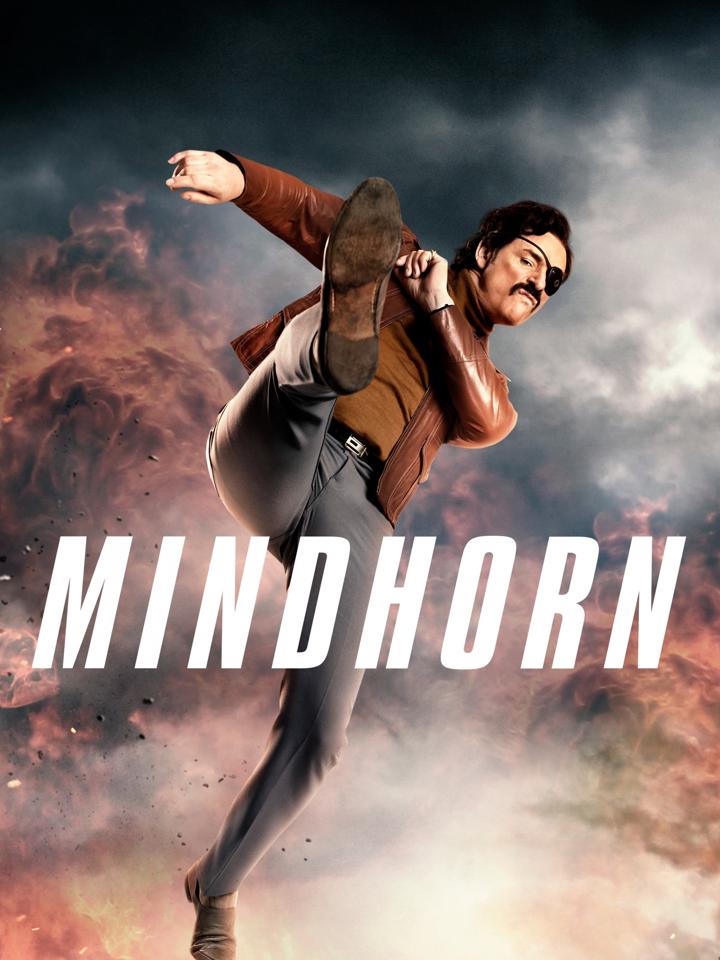
Mindhorn is such a fun oddball Brit-com that flew under the radar for most people, and honestly, it deserves a look. The movie follows a washed-up actor—Richard Thorncroft—who once starred as Mindhorn, a ridiculous 80s TV detective on the Isle of Man with a “bionic truth-seeing eye.” Now, decades later, he’s roped back into his ridiculous persona by local police to help catch a delusional murder suspect who will only speak to "Detective Mindhorn" himself. What stood out most to me is how willing the film is to just lean into the absurdity. Julian Barratt (who co-wrote and stars) absolutely commits to Richard’s self-delusion and vanity, making him equal parts tragic and hilarious. There’s this fish-out-of-water vibe as Richard, deeply out of his depth, bumbles through outlandish scenarios with total confidence, which makes the gags land particularly well—especially when he stumbles into actual danger he’s hilariously unprepared for. Cinematography-wise, Mindhorn has a tongue-in-cheek TV-movie look in its flashbacks, and the actual Isle of Man setting is used to comically isolated effect. The supporting cast—especially Simon Farnaby as his deranged former stunt double, and Andrea Riseborough as a no-nonsense cop—add more flavor, with everyone in on the joke but still playing it straight. Some of the jokes (especially the ones poking at washed-up celebrities) do occasionally repeat themselves or start to feel a bit thin by the third act. The plot is mostly there to string comedic moments together rather than create genuine suspense, so don’t expect a tight mystery. But honestly, the film’s sheer silliness kept me entertained—the warmth beneath the cringe makes it rewatchable. You’d enjoy this if cult British comedies are your thing, or you like movies that lovingly skewer showbiz egos (think Garth Marenghi’s Darkplace, Alan Partridge, or Hot Fuzz, but with a uniquely retro spin). Plus, it’s just over 90 minutes, so it never overstays its welcome.
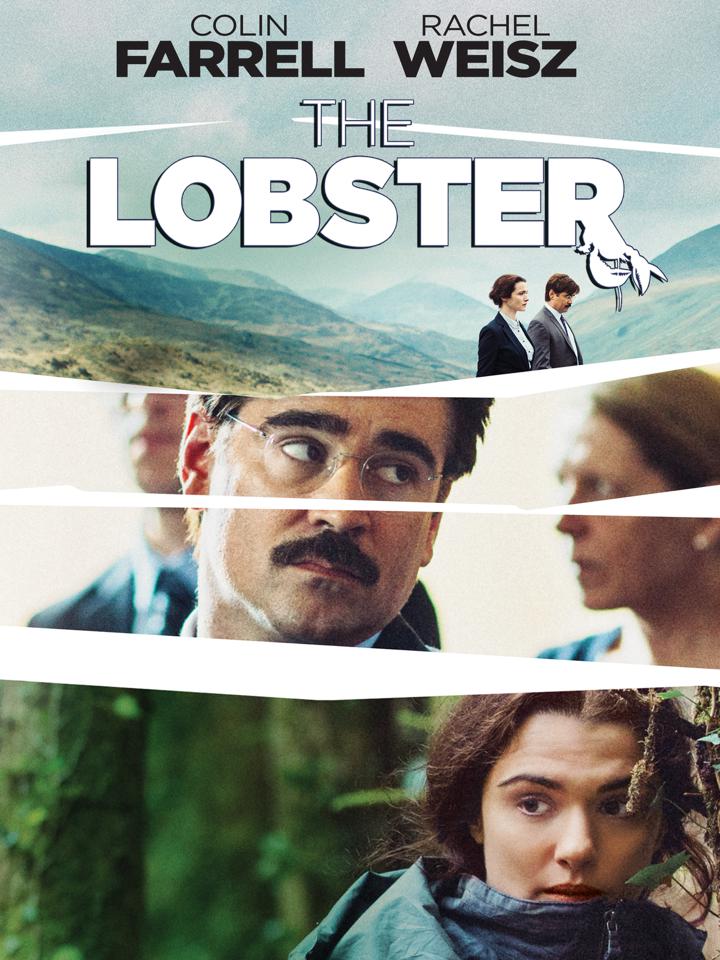
So, The Lobster is one of those movies that sneaks up on you with its weirdness, but somehow manages to be both hilarious and a little bit sad at the same time. It's set in this surreal, slightly dystopian world where being single is illegal and you literally get turned into an animal if you don't find a partner. The dry, deadpan delivery of every line was honestly more effective than laugh-out-loud comedy; I found myself giggling at the sheer awkwardness of it all. Colin Farrell plays the lead, and he feels so earnest and awkward you just want to hug him. Rachel Weisz and Olivia Colman are in it too, and everyone plays it totally straight, which makes the absurdity of the premise work. The supporting cast adds a lot, with really memorable minor characters—John C. Reilly, especially, is a standout in his sad, shuffling kind of way. It's not the kind of comedy where there are punchlines; it's more a slow burn, with moments that grow on you after they pass. The film’s visual style is stark—lots of muted colors and empty spaces, which makes the whole world feel even weirder and lonelier. There’s a kind of uncomfortable intimacy to the way the camera lingers on people's expressions (or lack thereof). It’s almost clinical, but I think that matches the story’s take on relationships—cold, bureaucratic, and slightly off-kilter. If I'm honest, the pacing can really drag in the second half. There are stretches that feel almost too quiet, and the tone stays pretty flat, so it won’t be for you if you like comedies that ratchet up the energy. There are moments that gross you out or make you cringe, which I think is part of the point, but might put off anyone looking for something lighter or more conventional. You would enjoy this if you like your comedies dark, dry, and bizarre—think Wes Anderson but weirder, or if you’ve ever laughed at something you’re not even sure is supposed to be funny. It’s definitely for people who like their movies with a side of existential dread.

Suburgatory is a sitcom that never quite got the same fanfare as some of its peers, but honestly, it’s a hidden gem. The show centers on Tessa, a sarcastic New York teenager, and her single dad, who relocate to the suburbs after finding a suspicious box of condoms in her room. The culture shock is immediate and hilarious as they encounter pastel-wearing neighbors obsessed with status and appearances. What really stood out to me was the witty, quick dialogue and the clever way Suburgatory pokes fun at suburban stereotypes without being mean-spirited. Jane Levy plays Tessa with a perfect blend of deadpan snark and vulnerability, while Jeremy Sisto, as her flustered dad, is surprisingly earnest and lovable. Cheryl Hines and Allie Grant absolutely steal scenes as some of the most eccentric neighbors. Not every joke lands—sometimes the over-the-top quirkiness feels a bit forced—but the heartfelt moments between Tessa and her dad ground the show. I also wish the supporting characters, especially the high schoolers, were a tad more fleshed out. The plotlines can be a little formulaic, but the observations about belonging and identity give it more depth than you’d expect from the premise. Cinematography-wise, the candy-colored visuals really sell the Stepford-like suburbia vibe. There’s a cheerful, almost plastic sheen to everything, making Tessa’s outsider status even more pronounced. The series has a heightened reality feel—kind of Desperate Housewives meets Mean Girls but with its own distinct tone. You’d enjoy Suburgatory if you like clever, tongue-in-cheek comedy with a hearty dose of satirical social commentary. It’s a light, occasionally sweet binge that’s a nice break from heavy dramas or raunchier comedies. If you ever felt like an outsider in high school or have a complicated love/hate relationship with suburbia, this one’s for you.
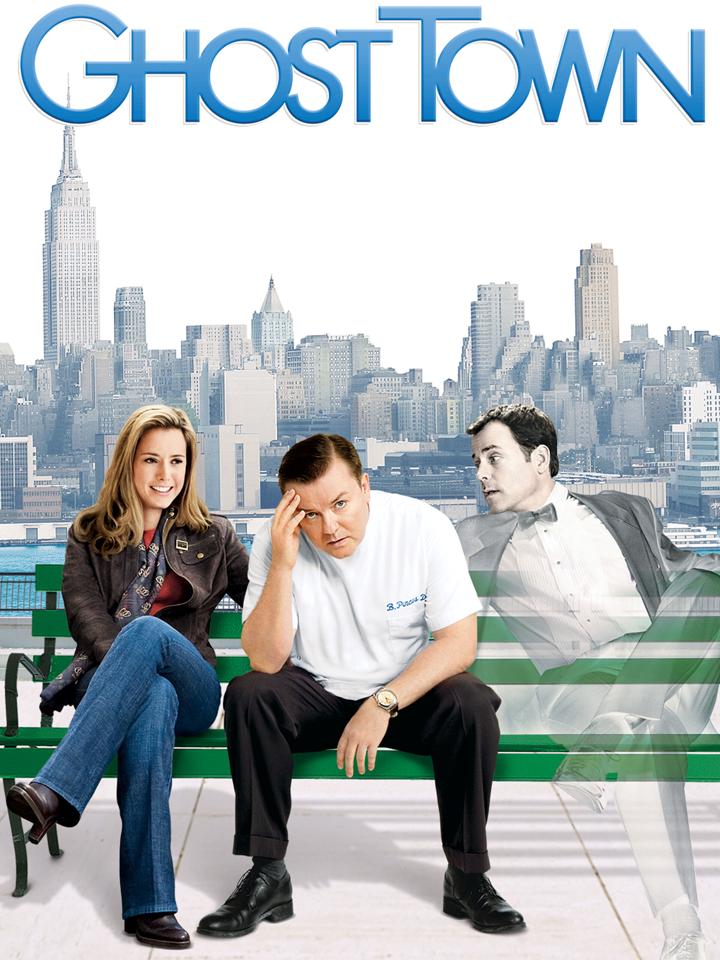
If you missed "Ghost Town" back in 2008, it's a genuinely underrated gem in the comedy genre. The premise hooks you right away: Ricky Gervais plays a misanthropic dentist who, after a near-death experience, gains the annoying ability to see—and be pestered by—ghosts. It’s the kind of high-concept comedy that could get pretty silly, but somehow it finds its heart without feeling cheesy. What really stands out is Gervais’s performance—he’s naturally sardonic but with just enough vulnerability to make you root for him. Téa Leoni brings a lot of warmth, and their chemistry is surprisingly sweet, especially given how grumpy Gervais’s character starts out. Greg Kinnear is hilarious as the needy ghost who pulls Gervais into a ghostly love triangle. The jokes land quick and sharp, and while some moments lean into slapstick, there’s an undercurrent of genuine emotion that keeps things grounded. Visually, it’s got that crisp, clean late-2000s New York look. Nothing too showy in the cinematography, but the city feels lively and lived-in—almost a character itself. The pacing is tight, rarely dragging, though it does slow down in the final act just a bit to let emotional beats resonate. The ghost effects are kept simple, mostly letting the actors and writing carry the supernatural elements. Not everything totally clicks. Some secondary characters feel a bit cartoonish, and a few plot points resolve themselves a little too conveniently. Still, the film never lets itself get bogged down by its own plot, and remains light on its feet—a rare thing in comedies that try to inject a romantic storyline. You would enjoy this if you like British-style sarcasm, offbeat rom-coms, or movies like "Defending Your Life." It’s perfect for a night when you want to laugh but also appreciate a bit of cleverness and heart. Not a groundbreaking movie, but an easy one to recommend.
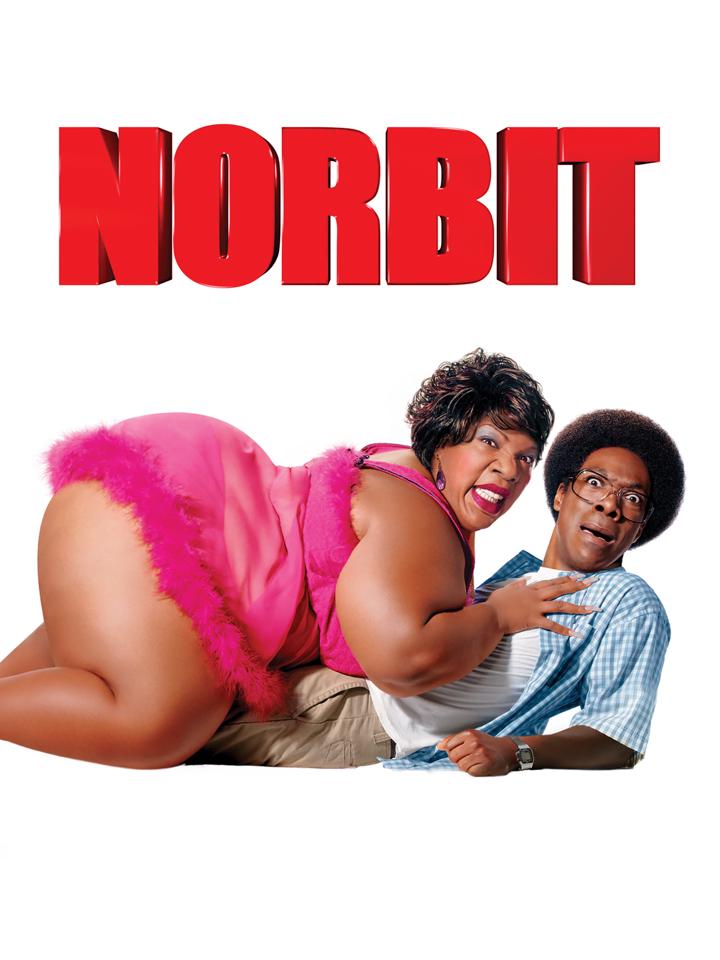
So, Norbit is one of those Eddie Murphy comedies from the late 2000s that kind of flew under the radar after its release. It’s a wild story about a timid orphan, Norbit, who grows up in an oddball environment and later marries the relentlessly overbearing Rasputia, both characters played by Murphy (he also plays a third role, Mr. Wong). The movie leans heavily into outrageous physical comedy and slapstick, and the plot is really just an excuse for Murphy to let loose with a bunch of bizarre personas. What stands out is definitely Murphy’s transformative performance — he basically occupies the entire screen as three totally different, larger-than-life characters. There’s this uninhibited silliness to the whole thing, and you can tell the cast is having a good time. Thandie Newton and Cuba Gooding Jr. provide some solid support, but honestly, every scene is dominated by Murphy’s over-the-top energy and prosthetic-laden transformations. The story itself isn’t complicated. Norbit, a gentle soul, tries to escape his marriage to Rasputia after reconnecting with his childhood sweetheart. The whole thing is studded with sight gags and physical humor, some of which absolutely lands, and some of which feels a bit forced or repetitive. There are a few sweet moments, but mostly, it’s about mining laughs from the ridiculousness of Rasputia’s character and Murphy’s ability to disappear into her role. On the downside, some of the jokes don’t really hold up today. There’s a streak of mean-spiritedness that occasionally undercuts the fun, and a lot of the humor is super broad or relies on stereotypes. I think the movie would’ve benefited if it dialed back just a little and tried for some sharper writing instead of going all-in on shock value and visual gags. Visually, it’s slick enough for a comedy—nothing too flashy, but the make-up and costuming honestly are impressive. You would enjoy this if you like comedies that are unapologetically goofy, have a soft spot for Eddie Murphy’s wild character work, or enjoyed movies like The Nutty Professor. It’s not high-brow and has its missteps, but it’s got enough good-natured absurdity to be a fun, brain-off watch with friends.
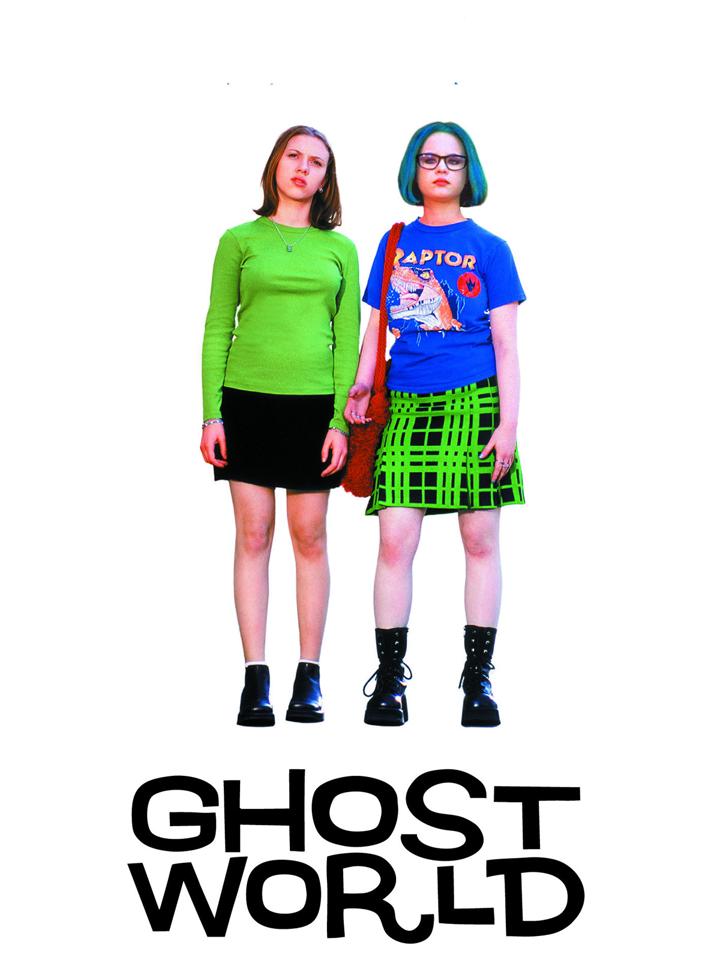
"Ghost World" is a quirky coming-of-age comedy that follows two recent high school graduates, Enid and Rebecca, as they navigate the weird limbo between adolescence and adulthood. It's based on the graphic novel by Daniel Clowes, and it's got this dry, sardonic wit that's pretty rare in teen movies. The story steers clear of formulaic hijinks and really leans into awkward, bittersweet territory — think more dark chuckles and less slapstick. What really stands out is Thora Birch's performance as Enid; she's got this resigned, deadpan energy that gives the film its unique flavor. Scarlett Johansson, before her mainstream stardom, plays Rebecca with a grounded warmth that balances things out. Steve Buscemi is absolutely perfect as Seymour, the oddball record collector who forms an unexpected bond with Enid. The chemistry between the trio feels effortlessly real, adding emotional layers you don't usually get from comedies. The film's visual style has a subtle comic-book feel without being garish or gimmicky. The muted color palettes and offbeat wardrobe choices channel just enough eccentricity to keep you intrigued, while still feeling like a heightened version of the real world. Terry Zwigoff, the director, finds small details in lingering shots or awkward silences that say more than most punchlines ever could. There are a few moments where the pacing slows a little too much — particularly in the second act, when the story lingers on Enid's malaise. Some of the side characters veer into caricature, which might throw you off if you prefer your humor less dry and ironic. The movie purposefully avoids neat resolutions, so if you like neatly tied endings, this might feel frustrating. You would enjoy this if you like offbeat, smart comedies that dig into the weirdness of growing up, or if you appreciate sharp social observations mixed with genuine, awkward emotion. It's definitely for fans of movies like "Rushmore" or "Election," and for anyone who ever felt slightly out of step with the crowd.
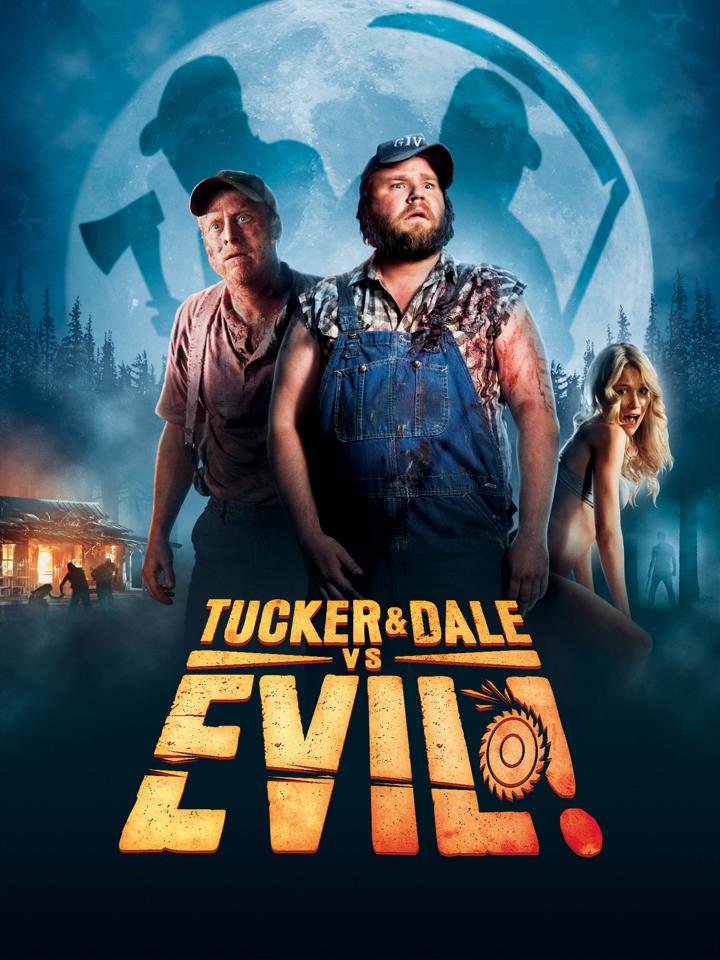
Tucker and Dale vs. Evil is one of those hidden gem comedies that gleefully flips the horror genre on its head. The plot centers on two well-meaning hillbillies, Tucker and Dale, who just want to relax at their cabin, but end up mistaken for killers by a group of shrieking college kids. What follows is a string of escalating misunderstandings, splatstick gore, and genuinely funny dialogue that had me laughing way more than I expected. What really makes this movie work is its loveable leads. Alan Tudyk and Tyler Labine have such warm, goofy chemistry—you really root for them, even as chaos unfolds around them. They bring a sincerity to roles that could have easily veered into dumb caricature, and their comic timing is spot on. The script gives them plenty of room for physical comedy and awkward banter that plays beautifully against the mounting absurdity. Cinematically, the film looks much better than it probably needed to for a horror-comedy of this sort. Director Eli Craig manages to both parody and pay homage to classic slasher visuals—the rustic woods, misty lighting, and even some pretty creative camera movements. It keeps things feeling tongue-in-cheek, but never slips into pure spoof territory, which I appreciated. If there’s a weak spot, it’s that the supporting cast (the college kids) can feel a bit one-note—their paranoia occasionally feels forced just to keep the plot moving. Some of the set-piece gags might be too over-the-top for folks not into "gross-out" humor, though I found it balanced with enough wit to avoid being mindless. The pacing is snappy, though, and it wraps up satisfyingly without overstaying its welcome. You’d enjoy this if you love horror movies and want something that pokes fun at all the clichés, or if you just appreciate goofy, heartwarming buddy comedies with a blood-spattered twist. It’s for fans of Shaun of the Dead or Cabin in the Woods, but with a little more southern charm.
This is one of those movies that takes a tired horror premise—hapless college kids heading into the woods—and turns it completely on its head. Tucker & Dale vs. Evil is a riotous horror-comedy that subverts expectations at every opportunity. The central joke is simple but effective: two well-meaning hillbillies (played perfectly by Tyler Labine and Alan Tudyk) are mistaken for killers by a group of paranoid college students. What follows is a series of gory misunderstandings, played for gut-busting laughs rather than genuine scares. What really makes this film stand out is the chemistry between the leads. Labine and Tudyk have a genuine, goofy camaraderie that feels honest and sweet, providing an endearing heart beneath the buckets of fake blood. Their reactions to the escalating chaos are priceless and ground the movie, keeping the humor from feeling mean-spirited. Plus, Katrina Bowden adds some depth (and meta-movie awareness) to the otherwise underwritten "final girl" role. Some of the humor is broad, and a few jokes don't quite stick the landing, especially when the film leans too far into slapstick territory. A handful of predictable gags could have been tightened up, and there's a stretch in the middle where the pacing lags a bit. But these are minor complaints in the grand scheme of things. Cinematography isn't this film's focus, but it's functional—crisp enough to highlight the carnage without getting too grimy. I did love the way certain scenes are framed to exaggerate the misunderstandings between the two groups, and the soundtrack keeps the mood upbeat despite all the accidental bloodshed. It's a great mix of playful and gruesome. You would enjoy this if you're a fan of cult comedies, meta-humor, or if you just want something clever but easy to watch, especially with friends who love both horror and laughter. It's a perfect "hidden gem" movie night pick—silly, sharp, and surprisingly sweet.
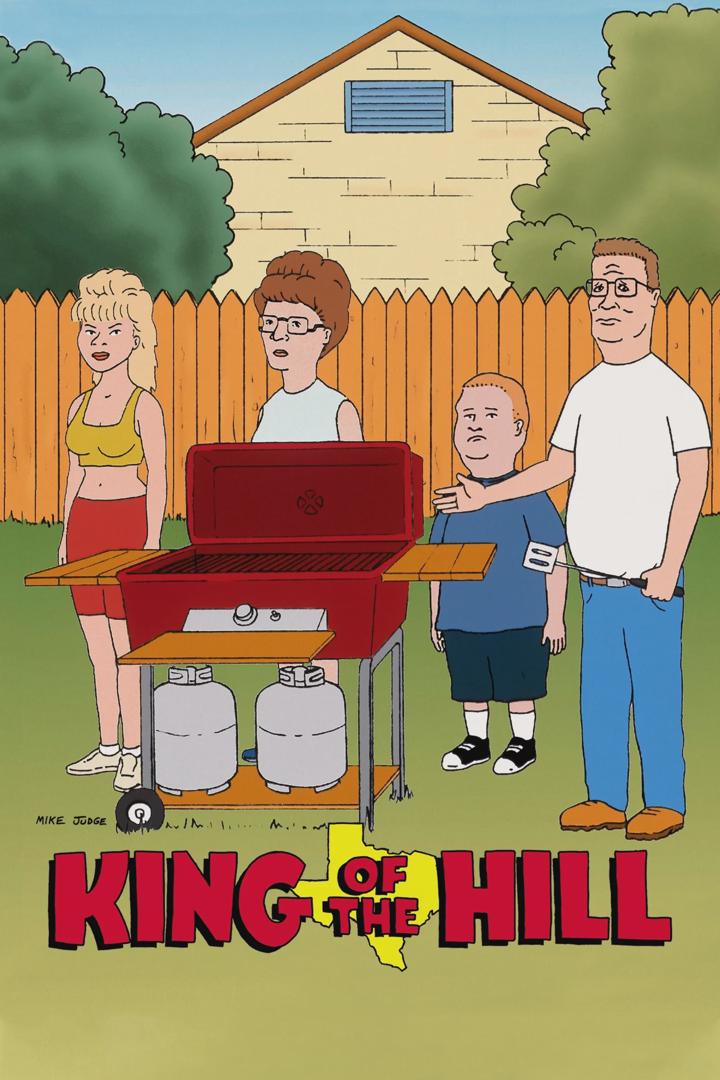
King of the Hill is one of those quietly brilliant animated comedies that flew under the radar compared to the likes of The Simpsons or Family Guy. Set in the fictional town of Arlen, Texas, it follows the life of Hank Hill, a propane salesman with deeply held (yet endearingly naive) values. The show’s humor is pretty understated, relying more on character quirks and absurd slices of everyday life rather than wacky antics or surreal plots. What really stands out is the way the characters feel genuinely lived-in. Hank, his wife Peggy, their awkward son Bobby, and the oddball neighbors are all deeply flawed, but that's exactly what makes their interactions endearing and funny. Some episodes nail deadpan comedic timing perfectly, especially whenever Hank is out of his depth — which is surprisingly often, given how set in his ways he is! Sometimes the slower pacing and subtle jokes make episodes feel like they're not aiming for laugh-out-loud moments, but that's part of the charm. Not every joke lands; a few storylines dip into predictability, and now and then the humor can feel too subdued, especially if you're after fast-paced or edgy laughs. But it’s well-balanced by a warm sense of place and character. I think the animation is deceptively simple, almost plain, but it makes it easier to focus on the writing and relationships. There's a real, almost mundane believability to the world that grounds even its funniest setups. Voice acting — especially Mike Judge as Hank — is dryly perfect, and Pamela Adlon as Bobby is a consistent scene-stealer. You would enjoy this if you appreciate dry, character-based humor and find charm in the ordinary misadventures of everyday people. It’s great if you're in the mood for something clever but not too loud, and want a comedy with genuine heart underneath the laughs.

The Detour is one of those hidden gems of TV comedy that I stumbled upon looking for something a little different. It's about a dysfunctional family going on a road trip from New York to Florida, but everything that can go wrong, does, in chaotic and wildly inappropriate ways. Created by Jason Jones (who also stars) and Samantha Bee, it has a bit of that shameless, anything-goes comedic energy that makes every episode unpredictable. Jason Jones and Natalie Zea have fantastic chemistry as the parents, Nate and Robin. Their exhausted but determined approach to their kids (played hilariously by Ashley Gerasimovich and Liam Carroll) really makes the family dynamic feel real and refreshingly unglamorous. Every member of the family gets their moments, and somehow, even their most ridiculous decisions feel oddly relatable if you’ve ever survived a family trip gone wrong. The storyline doubles down on escalating farce but isn’t afraid to sneak in some genuinely dark or outrageous jokes. Sometimes the show's love for absurdity goes a bit *too* far, with a few plotlines becoming needlessly over-the-top or gross for my taste. But most of the time, it works because the actors fully commit to the madness, and the writers lean into the family’s flaws rather than sentimentalizing them. Cinematography-wise, The Detour keeps things fast and loose—almost documentary-like at times, which fits the show’s wild, unpredictable tone perfectly. It’s not about glossy visuals but about feeling like you’re right there in the minivan as disaster strikes. The writing is sharp, and the situational humor rarely pulls its punches, which makes even the filler episodes feel energetic. You would enjoy this if you like cringe-comedies like The Office, The Mick, or even National Lampoon’s Vacation, and want something a bit edgier with more adult humor. It’s not for everyone—some gags do cross the line—but if you appreciate a show that isn’t afraid to get messy, The Detour is a fun, wild ride.