
Browse our collection of documentary reviews and ratings.Showing 12 of 22 reviews.
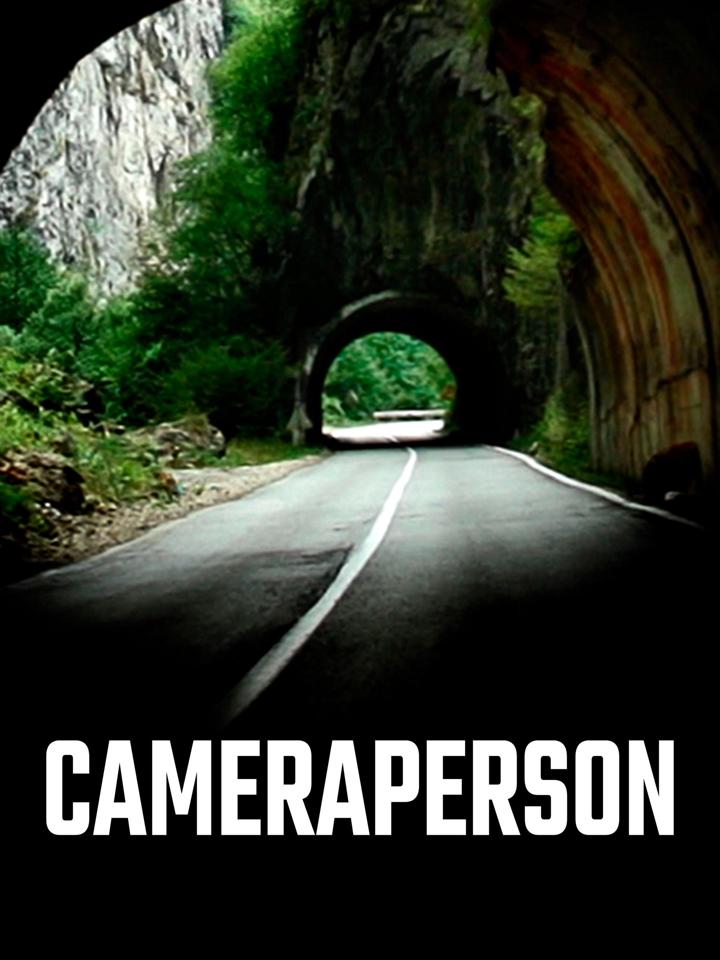
I watched "Cameraperson" not knowing much except that it was a documentary made by a cinematographer, and it quickly became one of those films I couldn’t stop thinking about days later. Kirsten Johnson, who’s shot footage for all kinds of documentaries, stitches together outtakes and behind-the-scenes moments from her years behind the lens. What makes it special is how personal it feels — like you’re leafing through someone’s visual diary, with all the emotion and ambiguity that comes with unpolished memories. What stood out strongest to me was how the film meditates on the ethics of documentary filmmaking. There’s a palpable tension in some of the footage — from war zones to intimate family scenes — and Johnson repeatedly brings you into her shoes as she decides when to keep filming and when to step back. Her silent conversations with herself, embedded in quick camera shakes or lingering shots, stick with you long after. Some moments do feel fragmented, especially if you’re used to documentaries that have a clear arc or narration. "Cameraperson" intentionally leaves a lot unsaid; instead of telling a story with a beginning, middle, and end, it lets the audience assemble meaning from glimpses that aren’t always obviously connected. That disjointedness can be off-putting at first, but it’s also what makes the film so sincere in its exploration of memory and perspective. Visually, it’s a feast. Every sequence has its own unique look depending on where it was shot — Bosnia, Nigeria, Texas, and more. There’s an appreciation for light, movement, and human faces that only a seasoned cinematographer could bring, and it feels honest because there’s no gloss or polish added for effect. It’s raw, beautiful, and often a little heartbreaking. You would enjoy this if you’re interested in film as an art form, you appreciate documentaries that raise complicated questions, or you’ve ever wondered what happens just outside the frame. It’s definitely for viewers who like to reflect and linger rather than those looking for a tight, conventional narrative.

So, "The Dawn Wall" is one of those documentaries that quietly sneaks up on you and then kind of takes over your entire evening. It’s about climber Tommy Caldwell’s quest, alongside Kevin Jorgeson, to free climb the notoriously difficult Dawn Wall of El Capitan in Yosemite. They aren’t household names, but what these guys do is pretty extraordinary—there’s this blend of drive, obsession, and personal struggle, all perched on a vertical sheet of granite. What stood out most for me was the level of detail in showing how impossible their task seemed, both physically and emotionally. The camera gets right in there—chalk dust, torn fingers, all the little setbacks that would deter a mortal. But the film also digs into Tommy’s backstory: the hardships, the loss, and the resilience. It’s not just about climbing a rock face; it’s about recovering a life. Cinematography-wise, it’s stunning. Some of the shots—like golden light on granite cliffs—are so beautiful that I wished I could just press pause and soak them in. There’s a real sense of scale and vertigo, but it never feels like extreme sports for the sake of it. The camera clearly respects the mountain (and the climbers), with plenty of sweeping panoramas but also these tiny, human, intimate moments hanging off the cliff. If there’s a weak spot, it might be that the story leans so hard into Tommy’s journey that sometimes Kevin, his partner, feels like a background character, when his own persistence is pretty fascinating. Also, while the climbing details are awesome for people who love that stuff, it might get a little technical for folks who aren’t as nerdy about knots and holds. You’d enjoy this if you love stories about underdogs, obsession-fueled pursuits, or just getting glimpses into worlds you’ll probably never visit yourself (unless you like hanging from cliffs). It’s great for fans of "Free Solo," but with a bit more attention to backstory and the emotional grind.
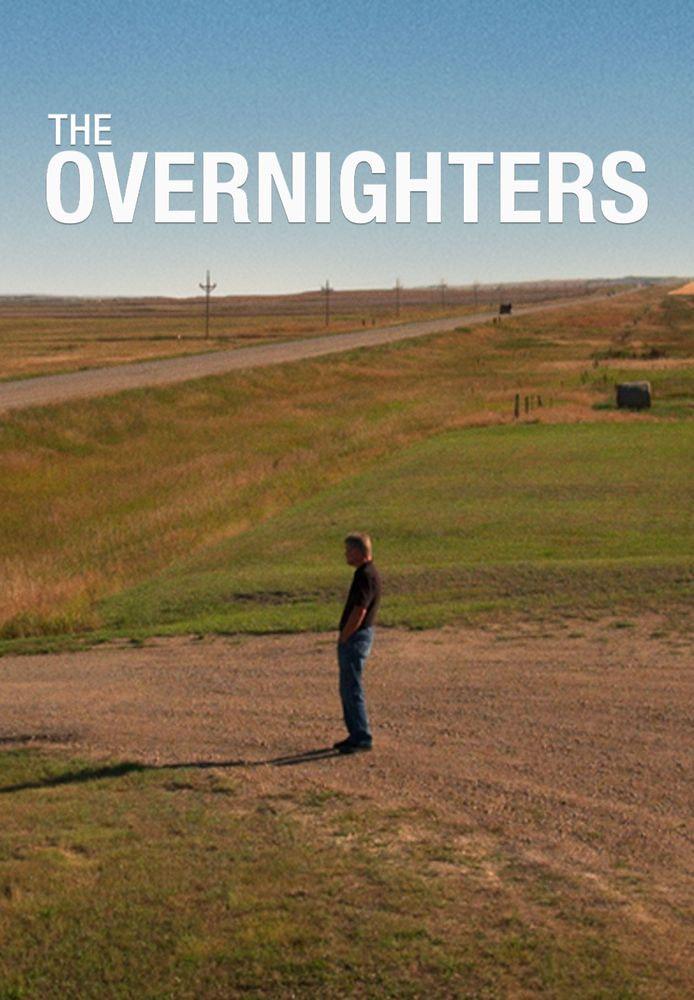
"The Overnighters" is a documentary that sneaks up on you. Set in the oil boom town of Williston, North Dakota, it follows Pastor Jay Reinke as he opens his church to desperate job seekers flocking in with hopes of striking it rich. The set-up feels almost fictional—a small community in crisis, an overwhelmed pastor, and droves of men sleeping in cars and on church floors—but everything is painfully real. What really pulled me in was the way it never lets viewers sit comfortably. The film doesn’t paint anyone as a clear hero or villain; instead, it gently unpacks Reinke’s motivations, the fears of the townspeople, and the wild hope (and heartbreak) of the workers. There’s a tension and empathy that keeps the story moving, and it feels more personal than many documentaries I’ve seen. Cinematography-wise, it has this unvarnished, almost fly-on-the-wall aesthetic. You can sense the cold Dakota air and the cramped spaces, and those visuals add a layer of authenticity. Director Jesse Moss isn’t afraid to linger where things get awkward, which I appreciated, though some scenes dragged or felt repetitive by the last act. The story unearthed more than I anticipated. There are revelations about Pastor Reinke that come as a real jolt. Sometimes, though, it’s almost too intimate. The emotional unraveling towards the end hits hard, and while it holds nothing back, it might feel heavy-handed to anyone expecting a more detached look at the “boomtown” phenomenon. You would enjoy this if you’re into documentaries that mix social issues, personal drama, and moral complexity—not just a dry recounting of facts. If you liked "American Factory" or "The Work," this has a similarly immersive approach. Don’t expect easy answers—just a powerful look at ordinary people in extraordinary circumstances.

This documentary is about a truly bizarre and almost mythic ultramarathon in the Tennessee woods, where runners are pushed to the absolute edge of human endurance on unmarked trails and grueling terrain. The Barkley Marathons is notorious in the running world for its secrecy, strange traditions, and nearly impossible odds—only a handful of people have finished in decades. The film pulls you right into the mystery and madness, introducing you to the stubborn, eccentric founder, Laz Lake, whose sly smiles and inscrutable rules set the tone for the entire event. What stood out to me most was the cast of runners—not professional athletes you'd recognize, but a mix of everyday ultrarunners, quirky characters, and one guy who just seems dead-set on suffering. Their determination and sense of dark humor in the face of rain, cold, sleep deprivation, and literal thorns are surprisingly inspiring, and for a race with so little actual “spectacle,” the tension is nearly unbearable. Visually, the documentary makes the grey-green labyrinth of Frozen Head State Park both forbidding and beautiful. The camera work does its best to keep up with the runners, but the most evocative shots are slow pans: fog curling above haunted hills, mud-caked shoes pitifully left at camp, or a lone headlamp bobbing in the pitch-black forest. You really feel the oppressive isolation the runners experience. On the flip side, the movie can get a little repetitive if you’re not prepared for the format—lots of rainy campsite check-ins and close-ups of ravaged feet. I sometimes wished for a little more background on the contestants, but maybe that adds to the inscrutable nature of the race itself. Still, the pace is lean and the editing sharp, keeping you hooked to the end. You would enjoy this if you like unconventional sports stories, are curious about extreme human endurance, or find joy in watching wonderfully eccentric people follow their passions to totally unreasonable lengths. It’s as much about the weirdness of people as it is about the feat itself—and it might just make you question your own limits (or your sanity).

This documentary quietly blew me away. It follows a couple, John and Molly Chester, as they leave city life to start a sustainable farm in California. While that sounds straightforward, the film’s warmth comes from watching their idealism clash with the chaos of nature — gophers, snails, coyotes, and the unpredictable weather. Their setbacks are honest and sometimes heartbreaking, but there’s a real sense of resilience that’s inspiring without being saccharine. What stood out most to me was how beautifully shot everything is. The cinematography somehow manages to make compost heaps, roaming ducks, and even crop-eating pests look absolutely cinematic. There’s a particular lushness — with close-ups of soil, tiny bugs, and the play of light across the orchards — that makes the farm feel almost magical. It’s clear the filmmakers had both patience and love for their subject, capturing moments that feel lived-in rather than staged. Not everything landed for me. Occasionally, the storytelling leans into a slightly sanitized, Disney-ish tone, especially with the musical score swelling in key moments. The narration sometimes tells you exactly how to feel, which can undercut the more subtle scenes. Despite this, the genuine personalities of the Chesters and their team ground the film, and there are moments of real unpredictability and humility. There aren't really “actors” per se, but the animals almost become characters in their own right — the troublemaking pig, Emma, completely stole my heart. Watching the farm’s ecosystem evolve is fascinating, and the doc really succeeds at showing how interconnected every tiny decision is. It’s a side of agriculture that I think a lot of people never get to see. You would enjoy this if you like nature docs, stories about people following a dream (regardless of the odds), or want a break from darker, true-crime sorts of nonfiction. It’s uplifting but doesn’t avoid the messy, complicated bits of real life. Bonus points if you love animals, because this is basically their time to shine.
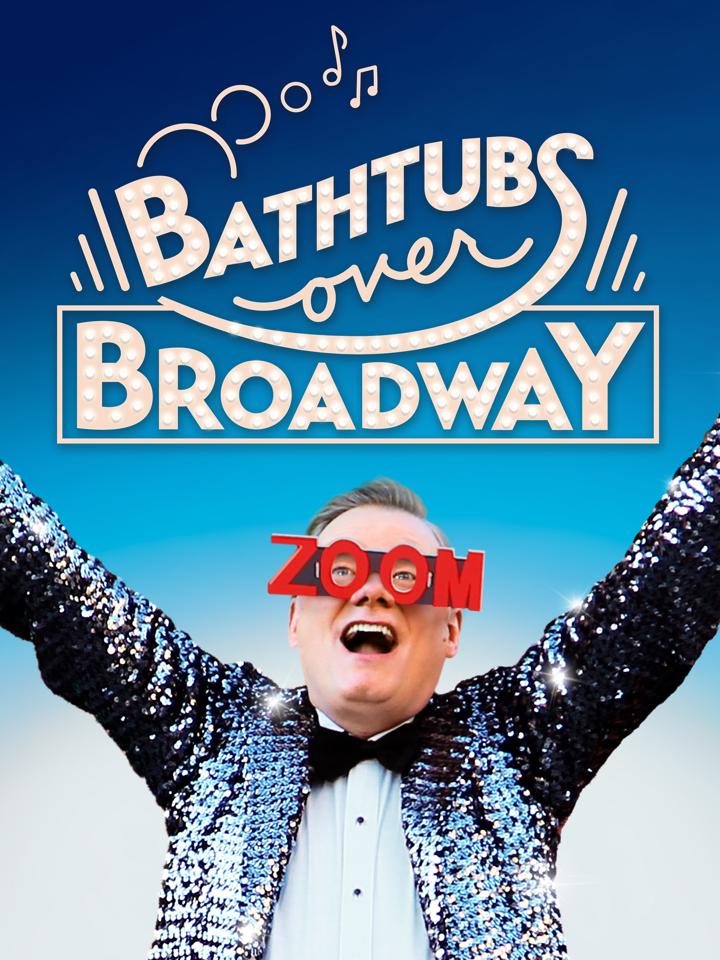
This documentary quietly sneaked up on me — it’s about Steve Young, a writer for the Late Show with David Letterman, who stumbles onto the unexpected and oddly charming world of industrial musicals. These are the elaborate, Broadway-style productions created not for the public, but for sales conventions and company employees. I knew almost nothing about this odd niche before watching, which is what made it so delightful. What makes Bathtubs Over Broadway so special is how it balances humor and genuine pathos. The movie gently pokes fun at the strange world of corporate musicals, but never at the people who made them. Instead, you end up rooting for these unsung composers and performers, and Young himself comes across as both endearingly obsessive and sincerely invested in preserving this weird sliver of American entertainment history. Cinematography-wise, it’s not flashy, but it’s well-crafted. There’s a fun use of archival footage, old vinyl covers, and quirky animations that help the musical numbers really pop. The talking-head interviews with former performers and composers are surprisingly moving, and the filmmakers do a great job making every character feel interesting. If there’s a flaw, it’s that the middle section drags a little, especially if you’re not already hooked by the sheer oddity of the subject. Sometimes it wanders so deep into the world of record collecting and inside jokes that the initial sense of wonder can stall. But the final act is unexpectedly poignant, and you walk away with more appreciation for the creativity you might otherwise overlook. You’d enjoy this if you’re into quirky documentaries, musical theater history, or if you just like stories about singularly passionate people. It’s heartfelt, offbeat, and surprisingly uplifting — a perfect watch when you want something a little bit different from the norm.

This documentary is one of those rare films that manages to feel almost scripted in its emotional twists and turns, yet it's all real. It follows Barbora Kysilkova, a Czech artist living in Norway, and her unexpectedly deep relationship with Karl-Bertil Nordland, the man who stole two of her paintings from a gallery. What absolutely hooked me was how quickly the film shifts from a crime story into an exploration of forgiveness, brokenness, and the odd beauty of human connection. Cinematographically, it’s stunning — the filmmakers use close-ups and lingering shots that emphasize both the intimacy and the awkwardness of Barbora and Karl-Bertil’s interactions. The Norway setting adds a lot of atmosphere too; the light just feels crisp and melancholic, perfectly matching the emotional tone. You can tell the documentarians were just as fascinated by these two as viewers will be. What really stands out, though, is the vulnerability both subjects show on camera. It's not just about painting or art theft; it's about addiction, trauma, and trying (imperfectly) to see and understand another person. There isn’t a neat resolution here, and parts of the story are messy, but that sincerity is what makes their relationship unforgettable. If there’s anything that falls short, it’s maybe the pacing in the final act. The documentary sometimes lingers on certain scenes and feelings longer than it needs to, so if you prefer a fast-moving narrative, you might find it a bit slow. Still, those moments also let you marinate in the complexity of real life, so it's a bit of a trade-off. You would enjoy this if you like deeply human stories, or if you appreciate art documentaries that go beyond the surface and dig into the tangled threads of why people do what they do. It's got a “stranger-than-fiction” energy without a trace of sensationalism.
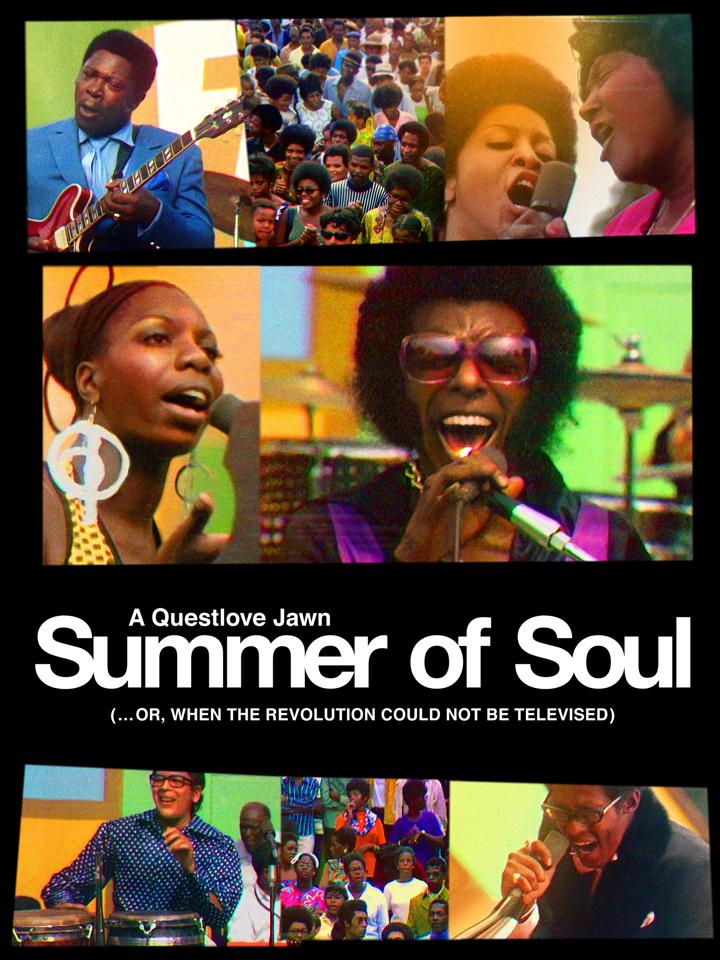
Summer of Soul is this gem of a documentary that slipped under a lot of radars, but trust me, it's incredible if you have any interest in music history or cultural movements. Directed by Questlove, it dives into the long-forgotten 1969 Harlem Cultural Festival — same summer as Woodstock, but with a completely different vibe and impact on Black culture. The fact that this footage sat unseen in a basement for decades is honestly wild. What really makes the film pop is how it lets the music and performances speak for themselves, but also weaves in personal recollections from people who attended or performed — like Stevie Wonder, Mavis Staples, and Gladys Knight. There's pure joy in seeing these legends young and absolutely electric onstage. They don’t over-narrate it; you just get swept up in the energy and fashion of the late '60s. There’s this real sense of loss and recovery, too. You can’t help but think about why the festival’s memory faded, especially compared to Woodstock. The doc explores this idea without feeling heavy-handed. It celebrates resilience and art in the face of cultural erasure, and manages to feel inspiring instead of somber. Most of the cinematography comes from original event footage, so parts can look grainy, but honestly, that just adds to the authenticity. The modern interviews are beautifully lit and respectful. If I had to nitpick, the documentary occasionally jumps around a bit thematically, and some side stories feel like they don’t fully resolve—but honestly, I didn’t mind because I was just soaking in the atmosphere. You would enjoy this if you love music documentaries that go beyond the usual “making of” format, or if you’re into history told through personal stories and killer performances. It’s honestly uplifting and might introduce you to a whole world of music you’ve missed.
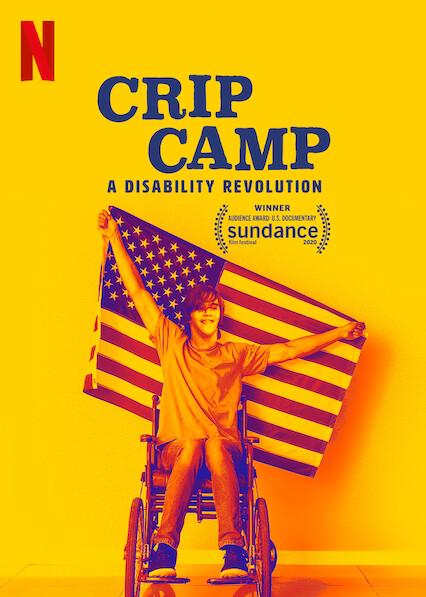
Crip Camp is one of those documentaries that hits you with unexpected power. I knew it had something to do with a summer camp for kids with disabilities and the birth of a movement, but I didn’t expect it to be so funny, rowdy, and alive. This isn’t some “let’s feel sorry for them” story. It’s messy, loud, and full of attitude, just like the world the campers were fighting to be a part of. The doc opens with some truly wild black-and-white footage from the early 1970s at Camp Jened, a scrappy summer camp in upstate New York that feels more like a commune than anything with structure. You see teens being teens, flirting and cracking jokes, smoking cigarettes, fighting, and just generally refusing to let anyone define their experience. The film instantly explodes any sanctimonious idea of disabled people being “inspiring” in the patronizing way mainstream culture sometimes pushes. It instead offers these unforgettable personalities, especially Judy Heumann, who is sharp as a tack and won’t take crap from anyone. The directors, Nicole Newnham and Jim LeBrecht (LeBrecht himself attended Camp Jened), really nail this sense of place and time. The grainy archive footage, combined with Kenn Burns–style photo pans and lively present-day interviews, keeps the film from feeling like a mere history lesson. The music is all Janis Joplin and Bob Dylan, reminding you that this is also a civil rights story, righteously angry and full of optimism. The editing balances the nostalgia with some hard turns into the political fights to come. It’s not a flawless film, though. Sometimes the pacing drags, particularly once the story shifts from the camp itself to the long, grinding legislative battles of the disability rights movement. Some sequences repeat themselves or stay a hair too long on talking heads. I loved the scenes with activists on the front lines, especially the sit-in at the San Francisco federal building, but I wish we got more variety in how those events were portrayed. Still, even these slower stretches have value because they hammer in just how relentless and exhausting activism is. Something I really appreciate about Crip Camp is its sense of humor. There is a kind of anarchic, almost punk energy to the way these campers and activists talk about their lives. At one point, someone calls Camp Jened "the freest place I had ever been," and you genuinely believe it. The film isn’t afraid to show rebellion, frustration, and even raunchy jokes about sex and relationships—something most films about disability shy away from. What gives the movie its emotional punch is the lifelong friendships and romantic bonds that form. When you see several former campers, gray-haired but still sparky, reminiscing about the mischief they got up to, it all feels very genuine. Watching them evolve from cynical, scrappy kids to world-changing adults hit me way harder than I expected. Judy Heumann in particular is a superstar—her scenes testifying to lawmakers are some of the film’s undisputed highlights. The emotional climax, where decades of protest finally lead to a breakthrough, had me a little misty-eyed, and I’m not a crier. Cinematography is pretty low-key, mostly because it has to rely on archival film and interviews, but there is artfulness in how it’s all pieced together. The style is more punk fanzine than slick documentary, which fits the subject perfectly. The sound editing is also way better than I expected, especially when old tapes are mixed in with new audio, making the history feel raw and present rather than distant. All told, Crip Camp manages to be both inspiring and genuinely entertaining—a rare feat for a documentary tackling heavy social issues. While I wish the narrative spent less time in the legislative weeds, I was never bored, and I actually learned a ton. Most importantly, it completely reframed how I think about disability and activism, which is about as much as I can ask from any film.
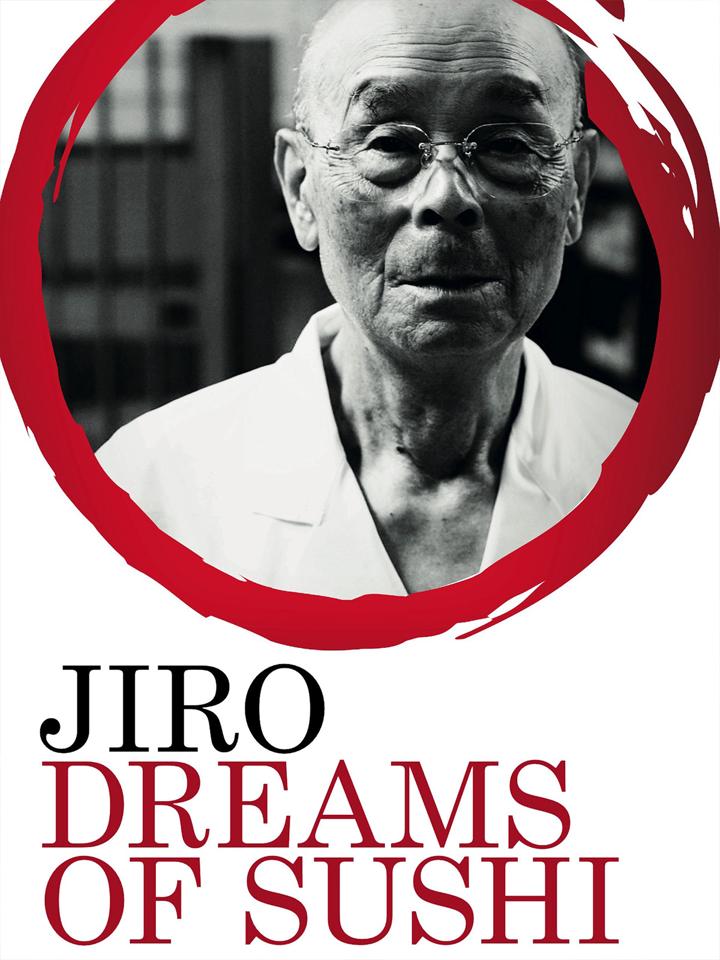
Jiro Dreams of Sushi is one of those documentaries you watch on a whim, expecting to just get hungry, but end up having much more to chew on than food. The film follows Jiro Ono, an 85-year-old sushi master running a small, ten-seat restaurant tucked away in a Tokyo subway station. Right from the get-go, you feel the monastic calm of his kitchen and the almost mythic discipline he brings to his craft. It’s a documentary that cares about every detail, much like its subject, and that level of precision drew me in instantly. What stood out most to me was how the film moves at a deliberate, almost meditative pace. There’s a rhythm to the preparation, the slicing, the serving, and the editing matches that. It sometimes feels slow, but then again, so does sushi when it’s being made right. The director, David Gelb, makes every shot count. The glossy, close-up cinematography of the food is downright mouthwatering, but there’s more going on — he lingers on Jiro’s face, the folds and frowns of a man dedicated, maybe even obsessed, with his singular pursuit. But this isn’t just food porn. It’s about legacy, about the idea that perfection can be both a dream and a curse. Jiro’s eldest son, Yoshikazu, is like a supporting character in his own life, waiting for his turn to take over a legacy that is both inspiring and crushing. This tension gives the documentary an unexpected emotional weight. You feel for Yoshikazu, quietly hopeful but always in his father’s long shadow. One thing that really resonated with me was how the film doesn’t shy away from showing the darker sides of perfectionism. Jiro talks unapologetically about his own failings as a parent, and his staff train for years without ever being allowed to even cook rice for customers. It’s not always uplifting. At times, it almost feels like a cautionary tale. The subtle interviews with food critics and market vendors flesh out the world of high-end sushi, showing the ripple effects of Jiro’s relentless standards. If I had to nitpick, there are moments where the film’s devotion to atmosphere means it glosses over a few harsher realities. For example, there’s only the briefest mention of sustainability or the pressure on seafood sources, which in 2011 was already a big topic. I was left wanting a deeper dive into the cultural context and ethical concerns surrounding the industry, but the focus stays strictly on the craft and the man. For some viewers, that narrow vision might feel limiting. Still, the documentary nails its sense of place and purpose. The soundtrack gives it a gravitas almost like a spiritual quest, with Philip Glass’s minimalist piano score encouraging you to sink into the small, repetitive joys of the kitchen. That said, it can come off a little precious or even self-serious at times. There’s a kind of rarefied air to the whole thing, and you get the sense that most mortals simply aren’t cut out for this world of epicurean devotion. I respect that the film doesn’t try to dumb any of this down. What I appreciate most though is how universal it ends up feeling, even if you’ve never touched sushi in your life. It’s about family, satisfaction, sacrifice, and the question of when good is ever good enough. Jiro is inspiring, yes, but he’s also intimidating — a reminder that behind every genius is a stack of heartbreaks and missed moments. The film’s honesty about that is what helps it stick for me. Jiro Dreams of Sushi isn’t perfect, and maybe it doesn’t try to be. But just like the food it lovingly chronicles, it invites you to pay closer attention to the simplest details, and makes you seriously question the cost of chasing flawless work. You’ll want to eat sushi by the end, but you might also walk away thinking about your own pursuits — whatever they are — in a new, quieter light.
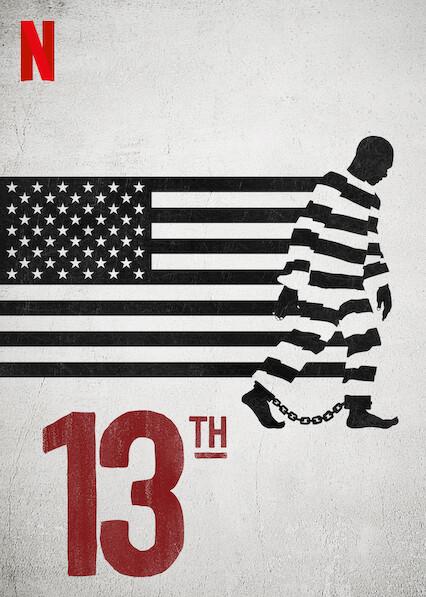
"13th" is one of those documentaries that burns itself into your memory for all the right reasons. Directed by Ava DuVernay, it unpacks the history of racial inequality in the United States, specifically focusing on the nation’s prisons and the ugly legacy of the 13th Amendment. Basically, the doc argues that slavery never really ended, it just evolved into mass incarceration. The premise sounds heavy, and it absolutely is, but DuVernay has a way of making the heavy stuff stick without weighing you down with academic jargon or self-congratulation. The documentary’s pace is relentless, but in a way that makes sense. "13th" jumps from one era to another with precision, layering news footage, interviews, music, and animations. It never feels rushed, though. Instead, it’s like getting hit by revelations one after another. If you like your documentaries slow and meditative, this might feel like a caffeine jolt in comparison. But honestly, for a film about urgent, continuing injustice, the quick pace fits perfectly. What really stands out here is the range and quality of the interviewees. You get everyone from Angela Davis to Newt Gingrich, hip hop scholars, activists, and unexpected voices from both sides of the aisle. Their input doesn’t just serve to nod along in agreement, either. DuVernay includes perspectives that clash, which makes the film feel less like propaganda and more like a conversation you’d have late at night with friends who actually want to solve problems. The cinematography in "13th" might not be the first thing you notice, but it’s worth mentioning. There’s this sharp, kinetic energy to how scenes are cut together. Newspaper headlines slide across the screen, mugshots flicker by, and there are stark juxtapositions of black and white footage that never feel gimmicky. It’s visually stylish for a documentary, but not in a way that gets in the message’s way. It’s the use of music that really pulled me in emotionally. The soundtrack alternates between bracing hip-hop tracks and mournful spirituals, accenting the themes of anger, resistance, and survival. When Public Enemy’s lyrics hit in the context of discussing "law and order" rhetoric in politics, it genuinely stings. There’s careful curation at play — the songs are part of the story, not just background seasoning. As for emotional weight, "13th" is devastating without being manipulative. There are moments where statistics hit hard — like the fact that the US has 5 percent of the world’s population but 25 percent of its prisoners. You get story after story of real people who make those stats matter on a personal level. While there are talking heads, in a good way, the personal narratives feel raw and present, not just tacked on for drama. Not everything is perfect, though. "13th" is so intensely focused and urgent that it can feel a little exhausting by the end. The film isn’t especially hopeful, either. There are suggestions of what could improve, but it’s mostly an alarm bell, not a comfort. Some viewers might come away wishing for more on-the-ground action or practical policy solutions — that’s just not what this film is offering. It's more about shaking you awake. Looking back, "13th" doesn’t revolutionize the documentary form, but it uses all the familiar tools ferociously well. It’s a film I think about anytime there’s a news story on prisons or race in America, which is often. If you care at all about justice, history, or the messiness of American politics, this is essential viewing. It’s not easy, but it is unforgettable.
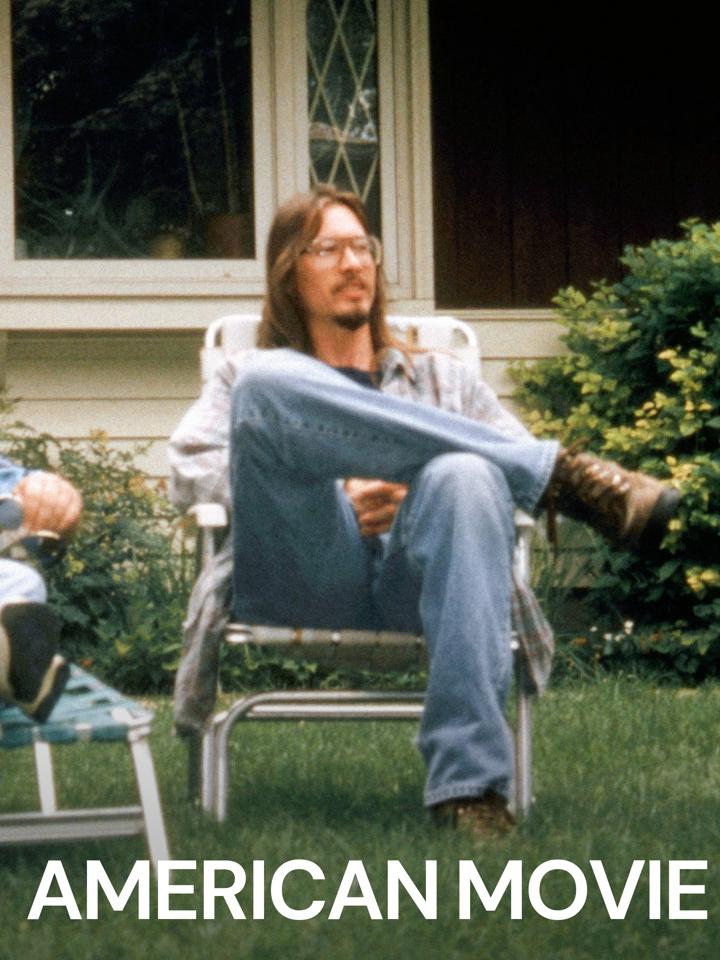
If you’ve ever chased a creative dream that seemed far out of reach, American Movie gets you. It’s a documentary that follows aspiring filmmaker Mark Borchardt in his dogged attempt to finish his low-budget horror film, Coven. The story isn’t really about filmmaking, though - it’s about grit, delusion, and the tough realities of chasing passion in small-town America. Mark’s optimism is both inspiring and kinda heartbreaking, especially when you see just how uphill his battle really is. One thing that stands out is the cast of real-life characters surrounding Mark. His best friend Mike Schank, with his spaced-out sincerity, is a walking reminder that geniuses don’t always come wrapped in conventional packages. The dynamic between Mark and his family, especially his no-nonsense uncle who bankrolls the project, is a priceless bit of Midwestern reality. It’s funny and awkward, and sometimes a little sad, but always human. The film’s tone is oddly uplifting, even though it chronicles a lot of setbacks and disappointments. It has this scrappy, underdog energy throughout, much like Mark himself. The directors, Chris Smith and Sarah Price, never feel like they’re mocking Mark or his ambitions. The camera just quietly observes, giving space for awkward silences and those rare moments of triumph that feel well-earned. You almost forget you’re watching a documentary and not a well-scripted comedy. Pacing-wise, American Movie doesn’t speed along, but it rarely drags. If you’re expecting pure adrenaline, you might get twitchy. But I appreciated the time it takes to let things unfold - the little moments, like Mark pitching his film to tired investors in a dingy kitchen, or the repetitive, obsessive editing of a single sound effect. It says a lot about how tiring and tedious real creativity can be, with none of the Hollywood gloss. Cinematography is minimal, with plenty of grainy home-footage feels. Nobody’s winning awards for visuals here, but it works for the DIY vibe. The real magic is in the editing, which gives the story just enough narrative shape to keep you hooked. There’s an urgency to Mark’s quest, and the film finds a way to let you ride that high and low with him. It does fall victim to a bit of repetition in the middle. Mark’s struggles start feeling cyclic, and at a certain point you get the sense he’s his own worst enemy. But honestly, that’s kind of the point. By the end, you may not be rooting for Coven to be a blockbuster, but you’ll definitely have a soft spot for the guys who keep trying to make something happen, regardless of all odds.