
Browse our collection of family reviews and ratings.Showing 12 of 26 reviews.
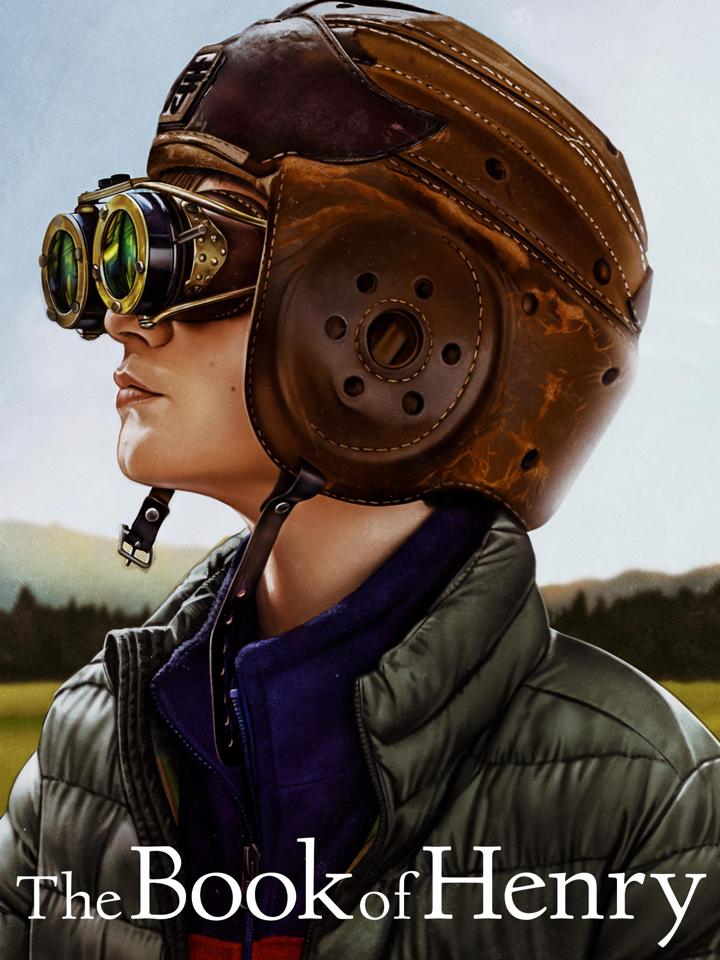
This is one of those movies that slipped under the radar but left a curious impression on me. "The Book of Henry" is about a precocious young boy, Henry, who lives with his mother and younger brother. He discovers something disturbing about his neighbor and creates a detailed plan to help, blending family drama with a bit of mystery and suspense. What really stood out to me was the dynamic between the mother (played by Naomi Watts) and her two sons — it's heartfelt, quirky, and sometimes a bit unconventional. Naomi Watts does a lovely job portraying a mother trying to figure things out as she goes along, and Jaeden Martell is earnest and engaging as Henry. There’s this genuine sweetness to their interactions, especially in the little family rituals and their inside jokes. Where the film stumbles is in its abrupt tonal shifts. It starts as a warm, almost whimsical family story, then veers into thriller territory, which can feel a bit jarring. Some of the plot developments, especially in the later half, require a healthy suspension of disbelief. The script occasionally stretches credibility, and you might find yourself going, "wait, really?" more than once. Visually, the film is pleasing — there’s a soft, golden glow to much of the cinematography, which matches the storybook-esque atmosphere at the start. Director Colin Trevorrow keeps things visually engaging, though the contrasting moods sometimes clash. The film is peculiar in the way it combines genres, which is both a strength and a weakness. You would enjoy this if you like bittersweet, offbeat family dramas that aren’t afraid to take big swings, even if not all of them land. It’s perfect for someone looking for something a little different, with memorable performances and a thought-provoking premise about family, justice, and belief in oneself.
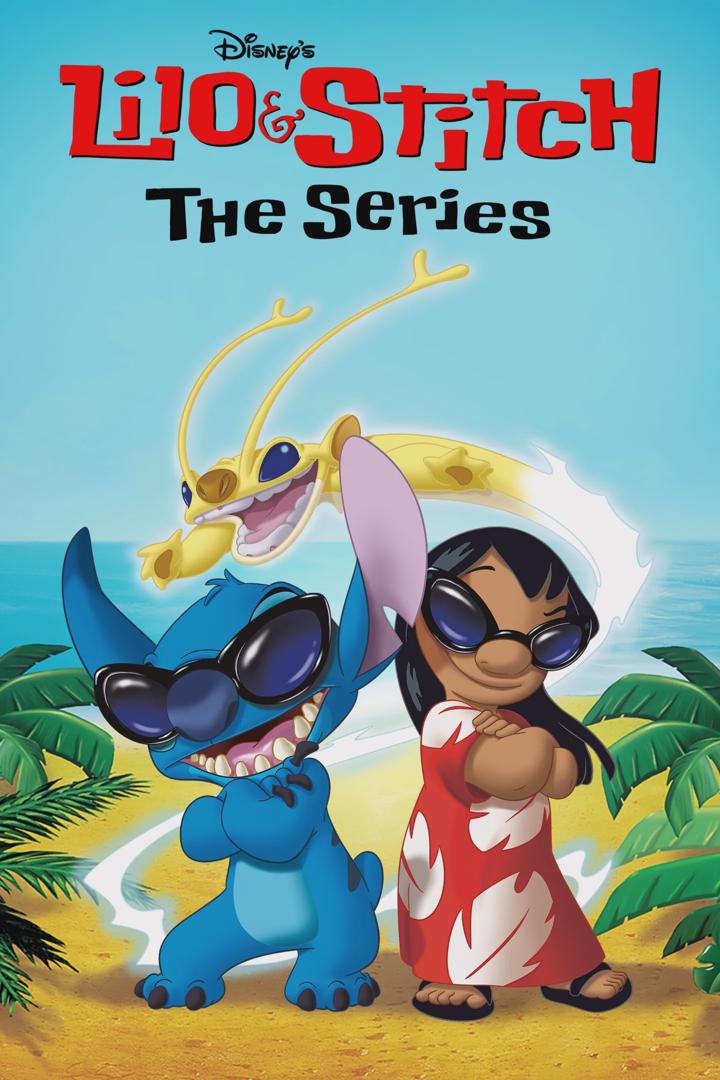
If you enjoyed the wild ride of the "Lilo & Stitch" movie, the TV show picks up almost exactly where the film left off—and manages to bottle that same offbeat energy. The premise is simple but effective: Lilo and Stitch are tasked with finding each of Jumba's other 625 "cousins," each with a unique power, and helping them find their proper place on Earth instead of causing chaos. Think "Pokemon," but with alien experiments and a healthy dose of Hawaiian vibes. What really stood out to me is how the series balances a sense of zany fun with some surprisingly sweet family moments. Daveigh Chase and Chris Sanders return to voice Lilo and Stitch, keeping their dynamic as quirky and heartfelt as ever. The animation stays true to the movie’s style—colorful backgrounds, expressive characters, and the unmistakable island sunset palettes make for a visually cozy show. Plus, I absolutely love that it gives more screen time to side characters like Pleakley and Jumba, who are delightful in their own right. That being said, the show’s episodic nature means some stories can feel a bit formulaic—"new experiment, new hijinks, then a touching moral." Not every episode is a winner, but there’s enough creativity, especially in designing the wacky experiments (there’s one that turns anything to ice cream—what’s not to love?). It's comfortably predictable, which can be a positive or negative depending on your mood. Voice acting is a particular strong point. Kevin McDonald and David Ogden Stiers have fantastic comedic timing as Pleakley and Jumba, keeping things entertaining for grownups, too. Some episodes dig a little deeper into themes like belonging and forgiveness, which gives the show a nice emotional backbone beneath the slapstick. You would enjoy this if you like lighthearted, imaginative adventures that keep things breezy but genuinely witty. It especially hits the spot if you want something family-friendly that doesn’t talk down to its audience—plus, nostalgic 2000s Disney vibes are always a comfort. Bonus if you were ever obsessed with the "gotta collect them all" feeling of monster-of-the-week shows.
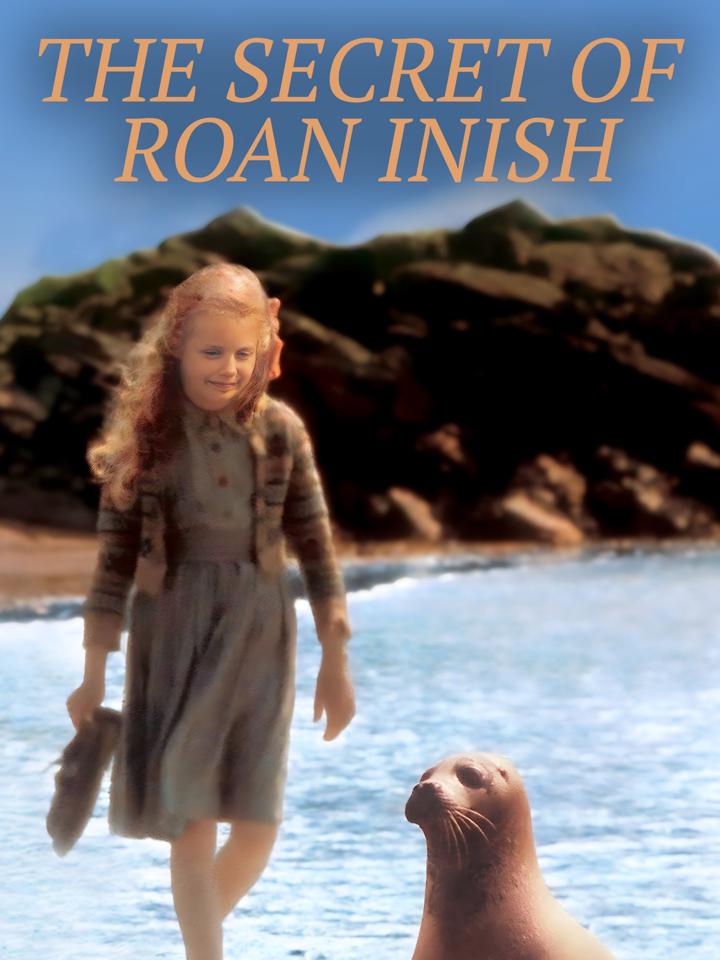
Have you ever stumbled upon a film that feels a bit like a dream from your childhood you can't quite place? That’s exactly the vibe of "The Secrets of Roan Inish." It's a gentle, magical family story set on the rugged Irish coast, following a young girl named Fiona who unearths the fantastical legends swirling around her family's past and a tiny island called Roan Inish. What immediately struck me was how rooted everything feels in authentic folklore; every wave and gust of wind seems thick with mystery and love. The movie takes its time, so don’t expect high-octane action. Instead, it’s more about quiet moments—Fiona wandering windswept beaches, listening to her grandfather’s stories, piecing together clues about the fate of her lost baby brother. Scenes are almost painterly, with the cinematography letting you breathe in the fresh, salty air and marvel at the glowing greens and blues of the Irish landscape. It’s gorgeous to look at, almost like a storybook brought to life. What stood out for me the most was just how sincere the performances felt, especially from the young leads. These kids actually act like real children—curious, daring, and a bit awkward at times, which makes their belief in the island's magic all the more touching. John Sayles, who directed and wrote the film, gives everything a certain tenderness; even moments that might veer into darkness are softened by the ever-present warmth of family and home. If I had to nitpick, I’d say the pacing might be a little too deliberate for some viewers—there’s a lot of quiet, and the story unfolds at the speed of a tide coming in, which might not work for anyone who needs constant excitement. And some of the more fantastical elements are left implied, not spelled out, which can be both tantalizing and a hair unsatisfying if you want clear answers. You would enjoy this if you love folktales, movies that unfold gently, or if you appreciate old-fashioned family stories with a strong sense of place. It’s especially good for families who want something a bit different from the usual Hollywood fare or anyone with a love for Irish myths and scenery.
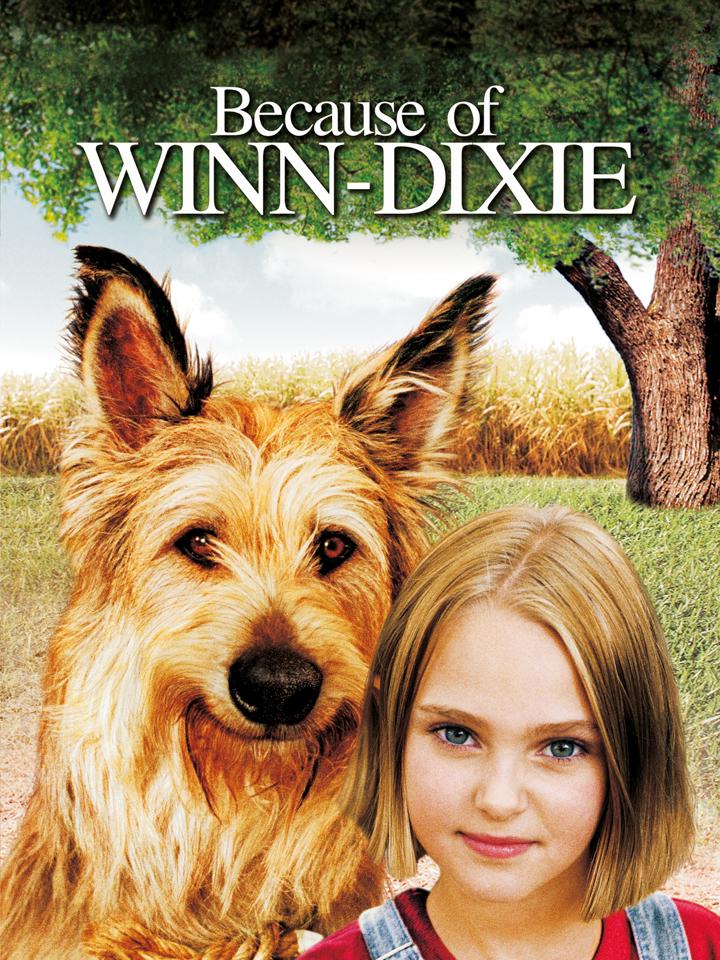
Because of Winn-Dixie is one of those sweet, gentle family movies that doesn't try too hard, and that's part of its charm. The story follows India Opal, a lonely girl who moves to a small Florida town and adopts a scruffy dog she finds in a supermarket. Their friendship becomes the glue that helps her connect with quirky townsfolk and mend old wounds, especially in her somewhat fractured relationship with her preacher father. What stood out to me was how the movie lets its simple story breathe. It's not in a hurry—there's plenty of time spent just observing small-town life and the peculiar characters Opal meets (like Otis, the shy musician played by Dave Matthews, of all people). AnnaSophia Robb, as Opal, really carries the movie. She feels genuine and earnest in a way that’s easy to root for. The cinematography is warm and just a bit sun-drenched, which fits the slow, Southern summer vibe. It's the kind of film where you can practically feel the humidity and smell the tall grass. Nothing here is particularly flashy, but it serves the gentle tone well. Some of the side characters verge on caricature, but the film seems self-aware about its own light-heartedness. If I'm honest, the stakes never feel very high, so if you’re looking for suspense or huge revelations, this might underwhelm. Also, a few emotional moments get a little heavy-handed with the score, but that’s sort of par for the course with family films from the early 2000s. Still, there’s an earnestness here that makes it easy to forgive those minor missteps. You would enjoy this if you like movies about community, gentle humor, and stories that revolve around a lovable animal bringing people together. It’s great for an evening when you want something wholesome, safe for kids but not so saccharine that adults will roll their eyes.
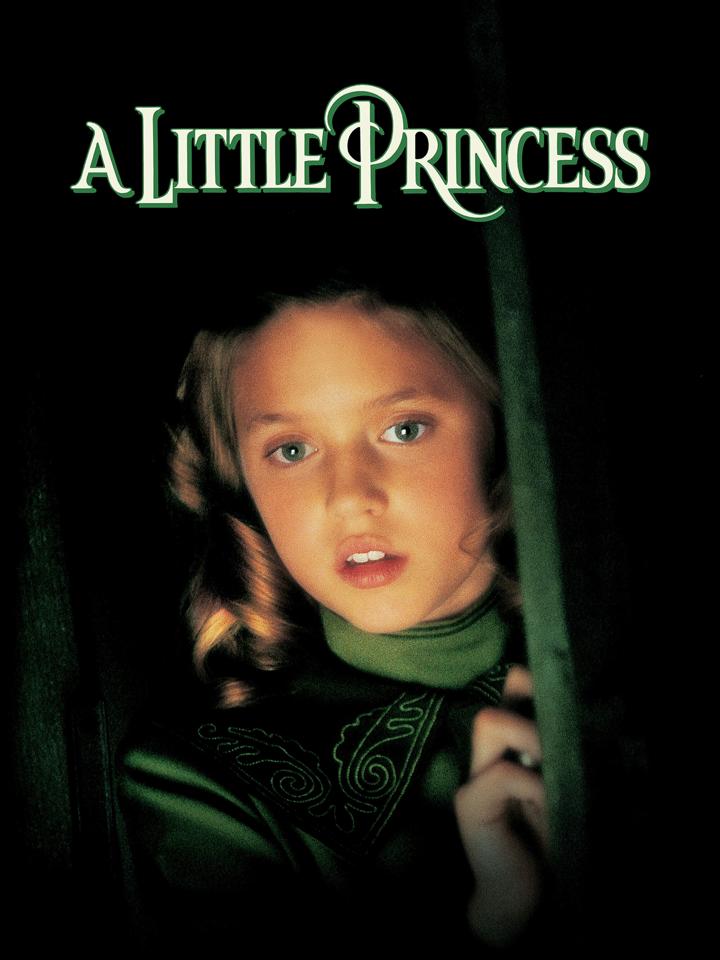
So, "A Little Princess" is this beautifully shot adaptation of Frances Hodgson Burnett’s classic novel, and it really shines in that lost-in-time, dreamy way only '90s family films can. Directed by Alfonso Cuarón (yep, before he did Gravity or Children of Men!), the movie follows a young girl named Sara Crewe, who's sent to a strict boarding school while her father fights in World War I. What I loved most is how the film uses fairy tale imagery and warm, rich colors — you can almost feel the magic spark off the screen, even in the bleakest moments. The cast is full of unfamiliar faces, but that actually makes it easier to get swept up in the world. Young Liesel Matthews gives Sara this headstrong sincerity that keeps you rooting for her. Eleanor Bron’s turn as Miss Minchin is pitch-perfect villainy, not cartoonishly evil but believably cold and self-righteous. The chemistry among the schoolgirls feels genuine, lending a cozy, ensemble vibe. Cuarón’s direction is what truly stands out, though. You notice the camera gliding softly down shadowy hallways, or lingering on flickering candles, making even the most ordinary scene feel almost enchanted. The storytelling weaves reality and imagination together seamlessly, so Sara’s inner worlds — stories of princesses, lost fathers, faraway lands — blend into her real-life struggles. The visual effects are subtle but effective, especially for a '90s family film. On the downside, I think the movie leans a bit too heavily into its melodramatic roots sometimes — there are moments where the soundtrack swells a little more than it needs to, or a character’s tears seem maybe a shade too shiny. And if you’re not in the mood for something sentimental, the film’s earnestness could wear thin. You would enjoy this if you like storybook adaptations with a strong visual style, heartwarming drama, and don’t mind getting a little tugged at by nostalgia. It’s a great choice for family movie night, especially if you want something visually evocative, wholesome, and not too overexposed.
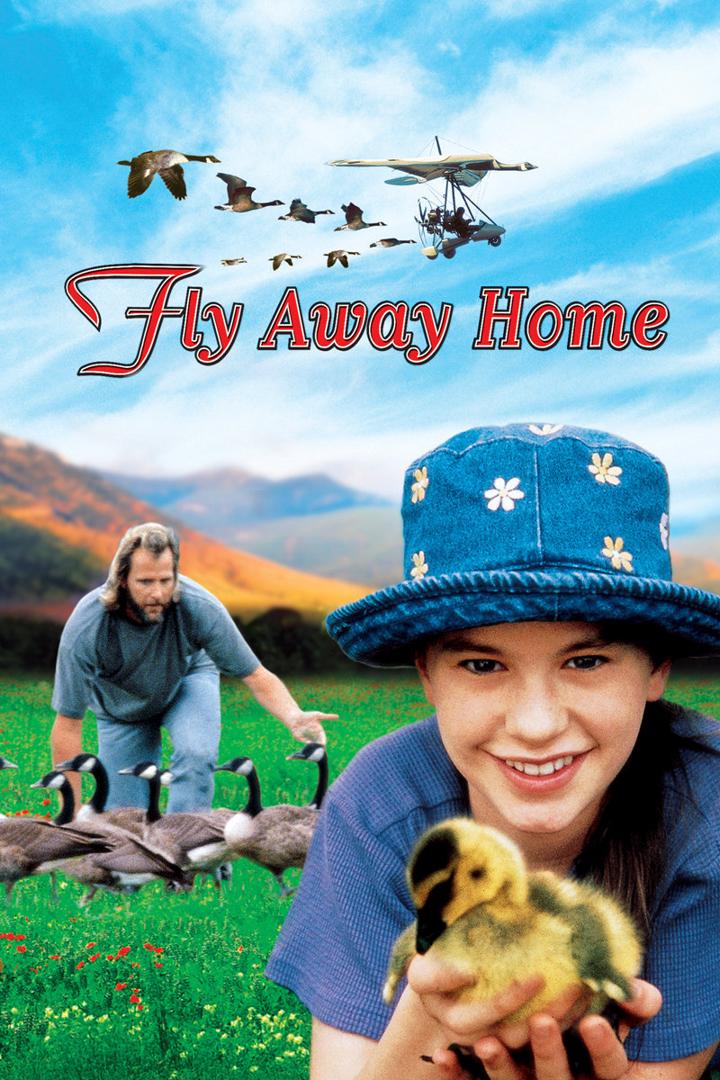
Fly Away Home is a 1996 family film that's quietly beautiful and a little bit under the radar these days. The story follows a young girl, Amy, who moves in with her estranged father after her mother’s death. They end up working together to help a flock of orphaned goslings migrate south by building and flying their own ultralight aircraft. It's based on a true story, which adds a sense of wonder and sincerity to the quirky premise. What really stands out in this movie is the relationship between Amy and her father, played by Anna Paquin and Jeff Daniels. Their awkwardness, grief, and eventual bonding feel incredibly real, minus a lot of the cheesy moments you often get in this genre. The fact that the film takes its time developing these characters amidst the gentle backdrop of Canadian countryside gives it a soothing but engaging pace. Visually, Fly Away Home is a treat. The sweeping aerial shots of the birds in flight, silhouetted against orange autumn skies, are just gorgeous, and frankly kind of meditative to watch. Those scenes capture the majesty of nature in a way that feels sincere and not forced — almost like a nature documentary with a narrative twist. The film isn't perfect. Some of the side characters are a bit one-note, and the “villains” (developers threatening the land, for instance) feel there just to give the plot some friction, which can feel formulaic. But overall, it's hard not to get swept up in the gentle adventure, thanks to an evocative score and Paquin's grounded performance. You would enjoy this if you liked movies that mix heartfelt family drama with an environmental message, or if you’re in the mood for something peaceful but not boring. It’s especially great for families with older children, or anyone who loves animal stories without too much syrupy sentimentality.
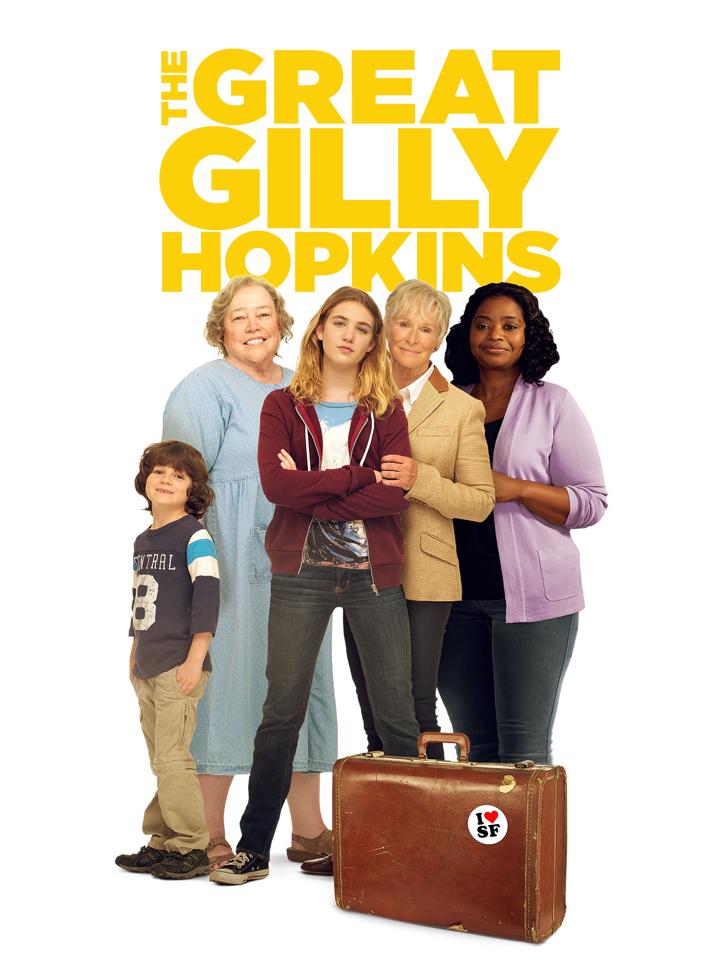
Have you ever watched a family movie that felt a little rough around the edges, but still managed to tug on your heartstrings? "The Great Gilly Hopkins" is one of those. It follows a fiercely independent, tough-talking foster kid, Gilly, as she bounces between homes and eventually meets a quirky foster mother who just might be a match for her spirit. The film adapts Katherine Paterson’s classic book in a way that preserves much of its heartfelt, slightly prickly charm. What stands out are the performances—especially Sophie Nélisse as Gilly, whose balance between bravado and vulnerability feels genuinely moving. Kathy Bates, as the well-meaning but no-nonsense foster mom, is a highlight and brings a warm, layered presence to the film. Their evolving dynamic is really the core of the story, and it's hard not to root for both of them. I did feel like the movie sometimes didn’t quite know what tone it wanted—there are moments that go for big, cheesy sentimentality and others where it tries to be more quirky and raw. That blend works in parts, but at times it’s a little uneven. Some of the supporting character arcs also felt rushed or underdeveloped. Cinematography-wise, it’s nothing flashy, but it works for the story. The movie takes place in drab, real-life settings—suburban houses, classrooms—which actually matches the unglamorous, day-to-day struggles of its characters. Nothing visually spectacular, but it keeps the focus on the human elements. You would enjoy this if you like family movies that are a little bit rougher and real, rather than all sugar and sunshine. It's a solid pick for parents and teens, or anyone who likes heartwarming stories with complex, imperfect families. Just don’t expect a Disney-level gloss or constant laughs.
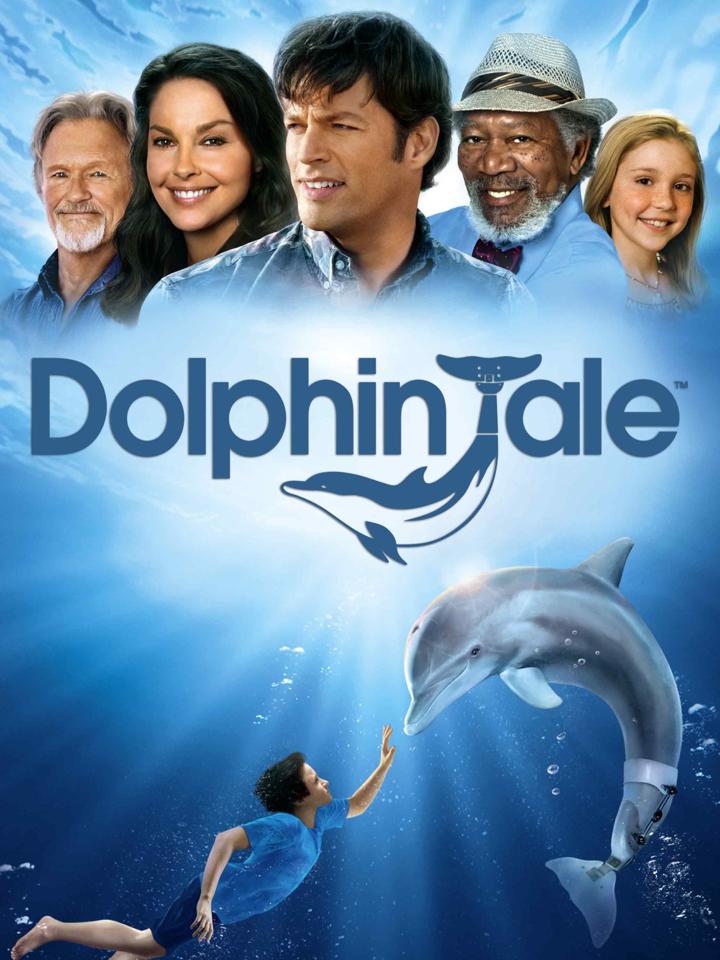
Dolphin Tale is a heartfelt family film based on the true story of Winter, a dolphin who loses her tail and finds hope and healing with the help of a group of compassionate humans. The movie mixes real-life inspiration with a touch of Hollywood warmth, resulting in a feel-good story that never feels too saccharine. It centers on a lonely boy, Sawyer, whose friendship with Winter catalyzes his own emotional growth and brings a struggling community together. What truly stood out to me was the genuine bond between the characters and the dolphin—there’s a sincerity in the interactions that makes you root for their unconventional family. The scenes in the marine hospital feel immersive, and the movie takes time to show the challenges and small victories involved in Winter’s rehabilitation. The animal cinematography is impressive—the close-up shots of Winter are both adorable and quite moving. On the flip side, some of the dialogue is a bit on-the-nose, especially when the film tries to spell out its messages. A few characters feel somewhat underdeveloped, and there are predictable beats you can see coming a mile away. Still, the movie’s earnestness and the lively energy of its young cast manage to steer it away from being cliché. Morgan Freeman and Harry Connick Jr. lend gravitas to the proceedings, but it’s the kid actors and the dolphin herself who really shine. There’s a gentle pacing to the film that might bore some older kids or adults, but for families (especially those with animal lovers), it’s easy to get swept up in the hopeful vibe. You would enjoy this if you’re looking for an uplifting, animal-centric story that the whole family can watch together. If your household loved Free Willy, or if you appreciate movies based on real events—with a bit of tear-jerking inspiration thrown in—this is an easy recommendation.
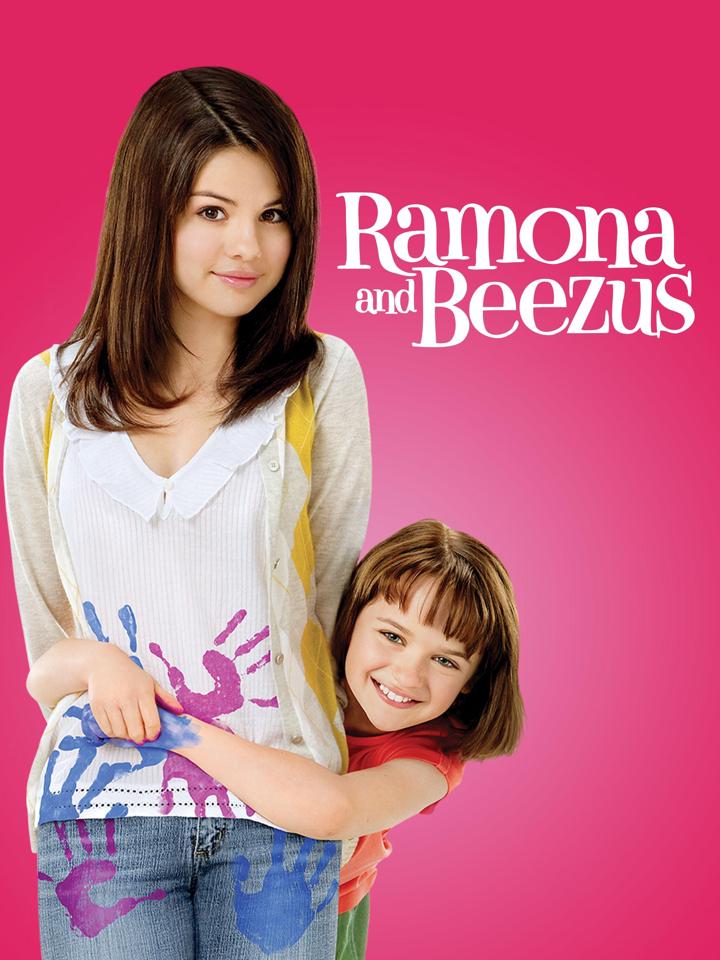
If you want a sweet, genuinely funny family film that doesn't lean too much on slapstick or talking animals, "Ramona and Beezus" is a little gem. Adapted from Beverly Cleary's beloved books, it follows the misadventures of precocious third-grader Ramona Quimby, her patient but sometimes exasperated older sister Beezus, and their loving but struggling family. It’s that sort of everyday-magic story — plenty of mishaps, a lot of heart, and real challenges (like family finances and sibling rivalry) handled with honesty. What really stands out are the performances from the young cast. Joey King, as Ramona, brings tons of energy and charm; she makes you believe in Ramona's wild imagination and heartfelt worries. Selena Gomez is excellent as Beezus, balancing the role of responsible big sister with a real sense of longing to grow up but stay close to her quirky family. The adults (John Corbett and Bridget Moynahan) add warmth and depth, making the Quimby family feel believable, if a little idealized. The cinematography is bright, warm, and inviting — it has that sunlit, storybook quality without getting too stylized. I appreciated how the camera occasionally dips into Ramona's fantasy world; it adds a gentle whimsy without hijacking the plot. The pacing is good for younger kids (not too slow!), and older viewers won’t feel talked-down to. Not everything lands perfectly. Sometimes the script tries a bit too hard to be cutesy, and there are a few emotional beats that feel contrived to nudge a tear. Still, the film avoids most of the overwrought melodrama you see in other family movies, and there’s zero mean-spirited humor. You would enjoy this if you like heartfelt, gentle family comedies about real-life challenges, especially if you appreciate strong sibling bonds and a dash of youthful creativity. It’s great for anyone who’s read the books, or those nostalgic for classic kids’ movies that respect their audience.
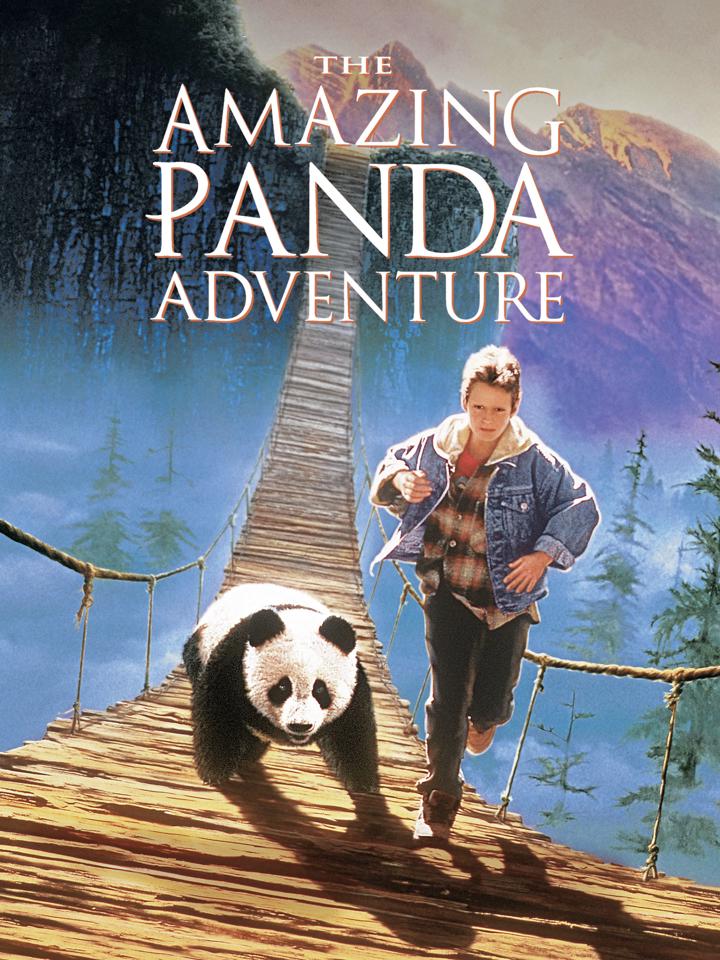
If you’re looking for a family film from the '90s that somehow flew under a lot of radars, "The Amazing Panda Adventure" is a sweet, straightforward pick. It’s got that Indiana Jones-for-kids kind of spirit, centered on a kid who travels to China and finds himself on a mission to save a panda cub from poachers. It’s all very earnest and features a lot of sweeping shots of the Chinese countryside, which really adds to the adventure vibe. What I liked most was the genuine sense of wonder the movie offers about nature and wildlife. The panda scenes, in particular, are adorable, and it’s clear the filmmakers wanted to deliver a message about conservation and respecting cultures. There’s a sort of throwback charm—think old Disney live-action fare—that feels pretty wholesome. The relationships, especially between the American kid and his Chinese peers, are handled with warmth, even if they sometimes drift into cliché. If I’m being honest, the movie’s dialogue and acting are pretty basic, and at times it feels like an “afternoon special.” The American lead, played by Ryan Slater, is likable but never really breaks out of the wide-eyed-neophyte mold. Some of the emotional beats feel a little forced, and the villains are almost cartoonishly over-the-top, but that didn’t stop me from cheering for the heroes. The cinematography is surprisingly lovely, with sprawling mountain shots and lush forests that give the film a sense of scale. The panda puppetry and animal sequences aren’t top-tier by today’s standards, but they do the job and younger viewers won’t mind. There’s a nice rhythm to the adventure—never scary, but enough excitement to keep things moving along. You’d enjoy this if you’re after a family movie that’s a touch nostalgic, a bit educational, and ultimately well-intentioned, especially for kids who love animals and parents looking for a low-key movie night pick. It’s not a groundbreaking film, but it’s definitely one that deserves a little rediscovery.
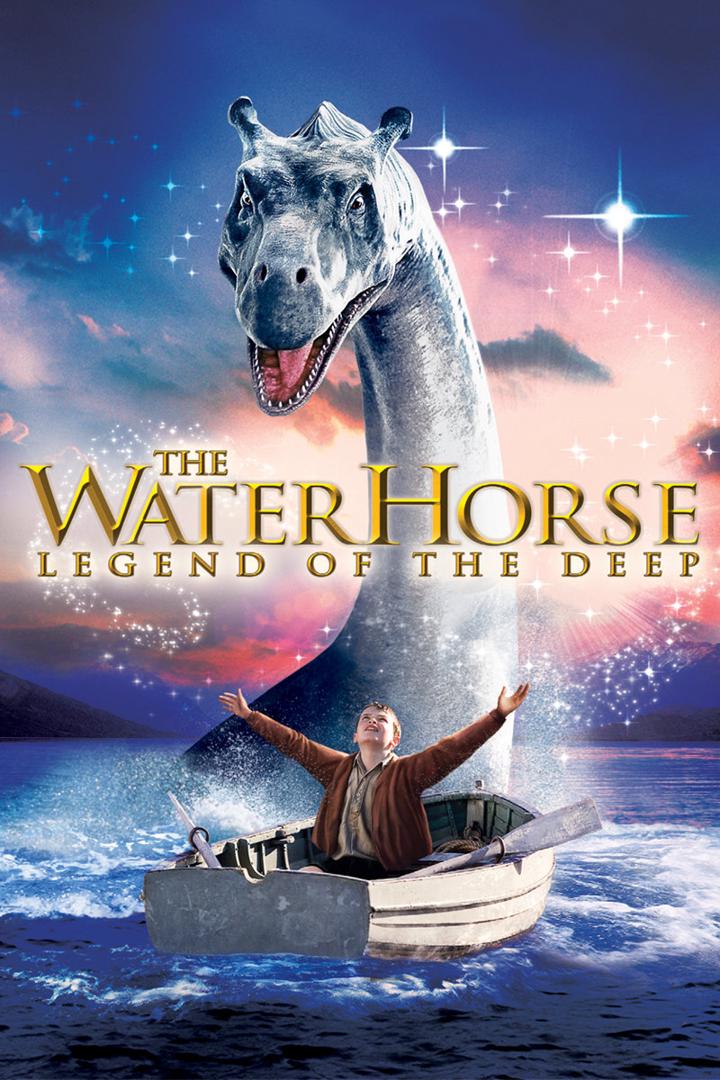
The Water Horse: Legend of the Deep is one of those family films that I wish more people talked about. It's set in Scotland during World War II and centers on a lonely boy who discovers an odd egg that hatches into a mythical creature, the "water horse." The combination of fantasy and history adds a lovely layer, giving it a unique setting that's less generic than your typical family movie fare. What really stood out to me was the bond between the boy, Angus, and the creature he names Crusoe. The movie does a great job of capturing the wonder and challenges of growing up, especially through the lens of grief and change. There's so much heart in the performances, especially from young Alex Etel, who brings a believable vulnerability and innocence to the role. Plus, the creature effects are surprisingly charming and well-integrated for a mid-2000s film. On the downside, the tone can feel a bit uneven at times — one moment it's whimsical and adventurous, the next it's dabbling in wartime drama with soldiers traipsing around the loch. Some supporting characters could have used a bit more development, particularly the adults who feel a bit one-note compared to Angus and his mother. It’s not quite as punchy or layered as the greats in the family genre, but it still holds its own. Cinematography-wise, the Scottish landscapes are absolutely stunning, and the film really benefits from its location. The visuals are lush, giving it an epic yet grounded feel. Crusoe, the creature, is a blend of endearing and slightly goofy — exactly the right balance for a fantastical family film. The music, too, complements the magical vibes perfectly. You would enjoy this if you appreciate movies like Free Willy or The Iron Giant — stories about kids forming bonds with creatures that adults don’t fully understand. It’s heartfelt, a bit adventurous, and never totally predictable. Perfect for a family movie night when you want something magical without being too saccharine or mainstream.
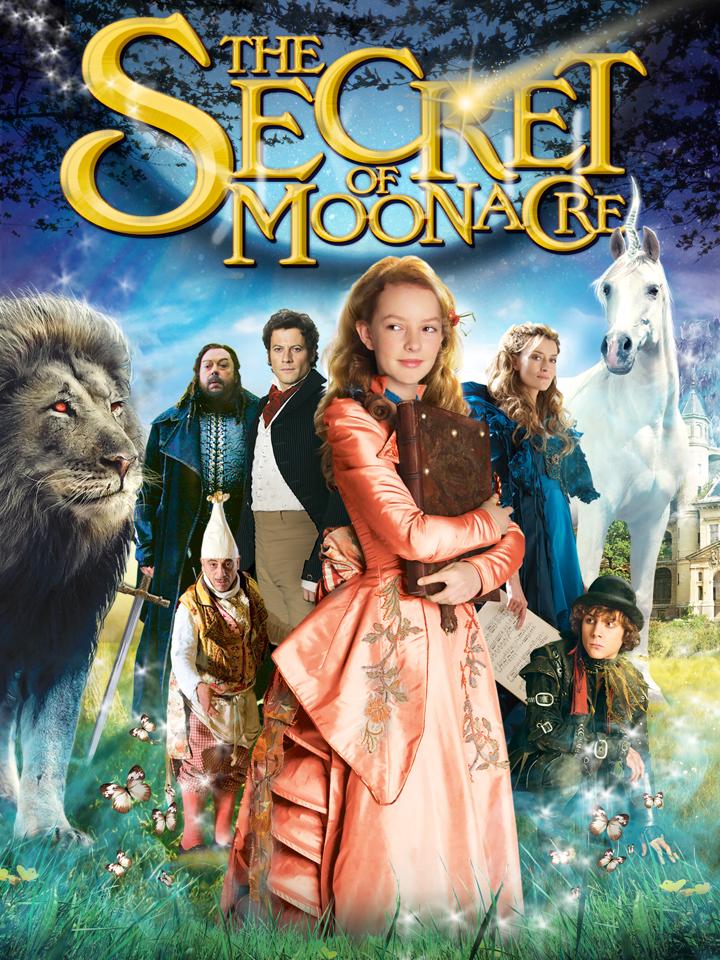
This is one of those family fantasy films that kind of slid under the radar, and I think a lot of people missed out on its whimsical charm. The story follows Maria, a recently orphaned girl who moves to her uncle’s gloomy manor in the countryside. There, she’s swept up in a magical feud, ancient curses, and secrets that give the movie this storybook feel. It’s based on the classic novel “The Little White Horse,” but visually, it feels like a fairytale brought to life. What stood out immediately was the production design—imagine faded stone halls, overgrown gardens, strange creatures, and quirky details in every corner. The costuming is lush and colorfully whimsical, making the movie a visual treat, especially for younger viewers or anyone who loves a slightly gothic aesthetic. There’s this real old-fashioned British charm throughout, and the sets genuinely help you get lost in Maria’s world. The cast is a nice surprise too. Dakota Blue Richards (from The Golden Compass) plays Maria with pluck, and there are great supporting performances by Ioan Gruffudd and Natasha McElhone. Tim Curry pops up as the villain, hamming it up just enough to keep things entertaining without veering into parody. None of the performances are life-changing, but they’re sweet and committed, which is more than enough for the story’s tone. If there’s a shortcoming, it’s probably in how the plot unravels; it leans into clichés and sometimes moves a bit too quickly, skipping over character beats you wish they’d spent more time on. The result is a film that’s enchanting but a little forgettable in the long-term. Still, for a rainy afternoon or a cozy family movie night, it hits the spot. You would enjoy this if you’re into gentle fantasy worlds, classic fairytales, or movies with a warm, hopeful message. It’s also ideal if you want something magical but less mainstream than Harry Potter or Narnia—think the same vibe, but quirkier and a bit more niche.