
Browse our collection of film noir reviews and ratings.Showing 4 of 4 reviews.
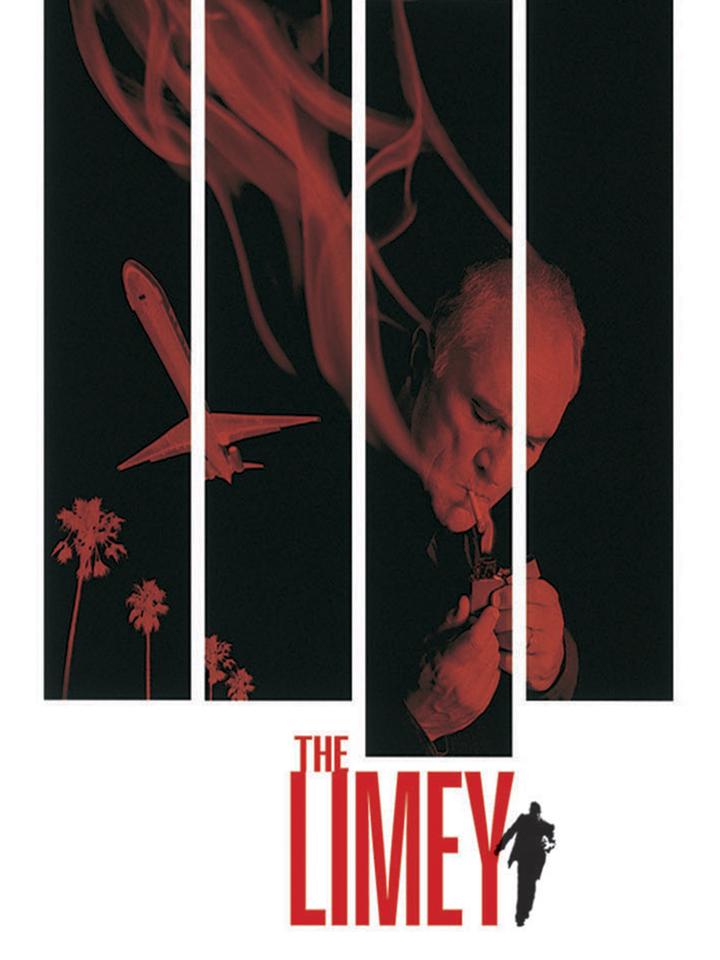
So, "The Limey" is one of those films that sneaks up on you. It’s technically a crime thriller, but it’s seeped in the stark, shadowy feel of film-noir — except it's set in sunny Southern California. The story follows Wilson, a British ex-con who flies to L.A. seeking answers, and revenge, for his daughter’s sudden death. It’s mostly about him tracking down vague connections, suspicious Hollywood types, and getting tangled up in a world he doesn’t really fit into. It feels sparse and mysterious, with a real punchy momentum. What really stands out is Terence Stamp’s performance as Wilson. He’s tough-as-nails but not in a cartoonish way — more like a man whose pain is barely held in check. The direction by Steven Soderbergh is absolutely icy-cool, with quirky editing that bounces back and forth in time, almost like memory fragments. The way Soderbergh shuffles dialogue and scenes makes the story feel even more dreamlike and tense, which you don’t see often in American neo-noir. On the downside, the fragmented style — all those non-linear edits — can sometimes get confusing, especially if you’re expecting a straightforward revenge movie. Also, the supporting characters don’t quite have as much weight; Peter Fonda is cool as the sleazy record producer, but you never get quite a full sense of who he is. The emotional heft rests almost entirely on Terence Stamp’s shoulders. Cinematography is gorgeous for what’s essentially a low-key noir. The California sunshine gives everything a hard, blinding edge, like noir turned inside out. There are some pretty exhilarating sequences, but also lots of moments of quiet contemplation. Soderbergh knows how to use silence and cityscapes to make the whole thing simmer. You would enjoy this if you’re into moody, unconventional thrillers, or if you’ve always wished for a “Get Carter,” but set in modern-day L.A. It’s not your typical noir — more like an echo of one, filtered through the '90s indie lens. Worth checking out for the offbeat editing and performances alone.
So, "One False Move" is a '90s neo-noir film that feels almost forgotten in the sea of bigger crime thrillers, but it's one of those hidden gems that really rewards your attention. It follows a trio of criminals on the run after a grisly drug heist, the small-town Texas cop eager to catch them, and the messy tangle of secrets that start surfacing as their paths converge. The film builds tension with an understated hand — there’s a quiet menace simmering under the surface of nearly every scene, making it all the harder to look away. What really stood out for me was the way the film juggles perspectives. You get to know the criminals almost as intimately as the police, and it never feels overly judgmental or tries to make things black and white. Billy Bob Thornton, who co-wrote and starred, is intensely memorable — but it's Bill Paxton as the small-town sheriff who steals the show. He gives this vulnerable, earnest performance that grounds all of the film's dread and violence with a really believable humanity. On the downside, the pacing can be a bit uneven. There’s a long stretch in the middle that drags, depending on whether you’re into slow-burn character drama or craving more traditional noir action. Some side characters don’t fully get their due — it feels like there was room to unwind their stories just a bit more. But honestly, these flaws are pretty minor compared to how well the core narrative is woven. Cinematography-wise, it leans heavily into atmospheric night shots and the sweaty, sun-baked visuals of rural Texas and Arkansas. There’s a sense of looming danger in every empty field and dusty highway. Carl Franklin, the director, has a real eye for letting quiet moments stretch and breathe, especially when violence is just around the corner. It’s not as overly stylized as some newer noir, but I liked its lower-key mood. You would enjoy this if you’re into crime dramas that dig into the moral gray areas without spoon-feeding answers, or if you like stories where small-town secrets upend outwardly simple lives. It's especially good if you want a film-noir that feels both classic and unpretentious, with acting that stays with you after the credits roll.
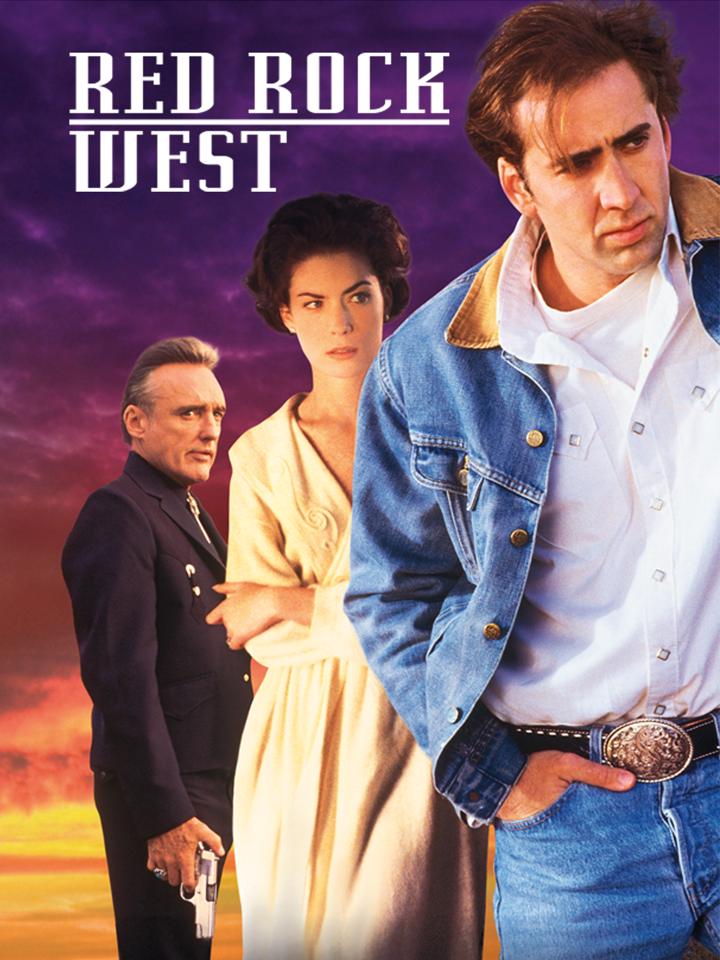
Let’s talk about “Red Rock West” for a minute, because this is one of those ‘90s neo-noir gems that never seems to get the attention it deserves. Directed by John Dahl in 1992, it stars Nicolas Cage back when he was still a little weird but hadn’t gone fully off the rails yet. The premise sounds straightforward enough: drifter rolls into a small Wyoming town and winds up neck deep in a plot that’s way over his head. But what unfolds is a thriller so casually twisted and blackly comic that you’re never sure where it’s going next. Nicolas Cage plays Michael, one of the most relatable screw-ups in noir. He’s basically a good guy, but his bad luck seems genetically engineered. He breezes into Red Rock looking for work, is mistaken for a contract killer, and—rather than correcting anyone—just sort of rolls with it. It’s the classic noir desperation but with a kind of blue-collar humility that makes the film feel uniquely American. Cage is surprisingly restrained for most of the movie. It’s not his wildest or most technically impressive performance, but he nails “borderline panic barely hidden under politeness” in a way that makes you root for him, even when he’s making dumb decisions. What really stands out about “Red Rock West” is its setting. Most noirs lean hard into urban decay or slick, rain-soaked streets, but Dahl shoots wide Wyoming vistas and dusty backroads in a way that feels both dangerous and oddly beautiful. There’s this fantastic sense of isolation, like the whole world could just forget about you out there. It’s a noir that understands how bleak the open plains can be. The film’s pace is another thing that sets it apart. It wastes almost no time getting Michael tangled up with the wrong people. There’s a restless, propulsive energy that makes even the quieter scenes feel like they’re ticking down to some impending disaster. Once Dennis Hopper shows up (as the real hitman), the movie takes on this manic, unpredictable energy. Hopper is perfect here, giving a performance that’s menacing but also bitingly funny. He’s clearly having a blast, and his scenes with Cage are just absolute gold. Lara Flynn Boyle rounds out the leading trio as the enigmatic femme fatale. She’s no Barbara Stanwyck, but she’s got a chilly, calculating edge that definitely works. You’re never really sure what her deal is, which is exactly how a femme fatale should be. Honestly, all the main players are serving up the kind of ambiguous motives and questionable loyalty that make noir plots both frustrating and fun. If there’s a complaint to be had, it's that the film’s twists start to feel slightly mechanical by the third act. There’s a kind of pinball logic to the script: twist, double-cross, new danger, repeat. Sometimes it feels clever, other times maybe a bit forced. But given the movie’s short runtime and straight-shooting vibe, it mostly gets away with it. You’re so busy trying to keep up with Cage’s cascading misfortunes, you don’t mind the occasional contrivance. Cinematographer Marc Reshovsky deserves a shout-out. He resists the urge to slather everything in shadow and instead lets the daylight expose all the roughness. The result is a rare breed of noir that’s sunburned instead of rain-drenched. It adds so much to the mood—a classic sense of menace, but with a dry, West-of-nowhere claustrophobia you don’t see often. “Red Rock West” is the kind of film that would’ve killed at the box office if people actually knew how much fun it was. It’s smarter than it first appears, never takes itself too seriously, and basically exists to see how much trouble it can put Nic Cage through before the credits roll. It’s not perfect, but it’s more memorable than a lot of so-called modern noirs. If you want a tight, twisty, slightly sadistic thriller with scenery that’s as dangerous as its characters, this one hits the spot.
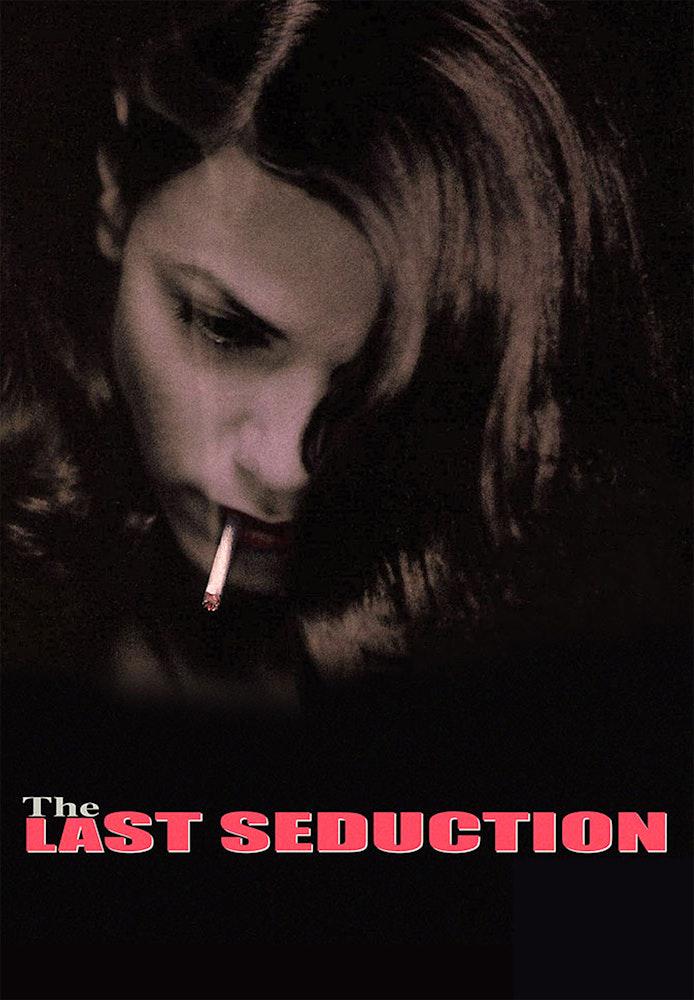
If you're looking for a chilly, razor-sharp neo-noir from the '90s that somehow hasn't been discussed to death, The Last Seduction is a real gem. It's about a femme fatale named Bridget Gregory (played with wicked brilliance by Linda Fiorentino), who double-crosses her husband and slips away with a briefcase full of cash. The story unfolds in small-town America, but Bridget's relentless manipulation and cold-blooded moves inject city grit into every frame. The movie blew me away with its darting dialogue and the way it flips gender expectations - Bridget's schemes put most "bad guys" to shame, and Fiorentino walks a perfect line between charm and menace. The cinematography is lean and moody, totally fitting the noir vibe, and the pacing keeps you second-guessing everyone's true motives. If you love movies with antiheroes and clever plotting, it totally delivers. It's not a perfect film - there are a few moments where the plot strains credibility, and some side characters are a little thinly sketched. But overall, it's a clever, brazen take on the genre that feels both old-school and refreshingly subversive. Highly recommended for fans of sharp dialogue and confident, unconventional thrillers.