
Browse our collection of horror reviews and ratings.Showing 12 of 18 reviews.
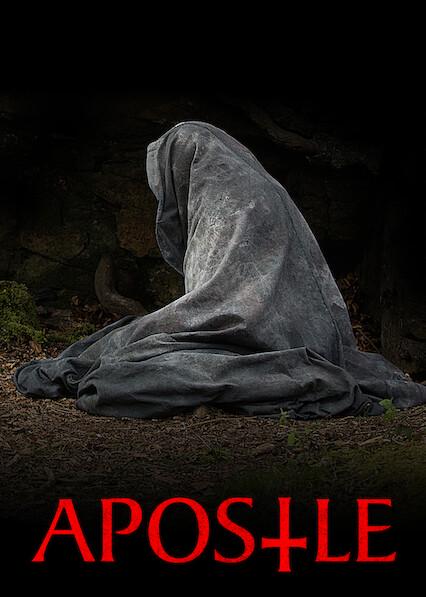
Apostle is a moody, slow-burn folk horror film set in 1905, following a drifter (Dan Stevens) who infiltrates a remote, mysterious cult on an isolated island to rescue his sister. It leans heavily into creepy atmosphere and a sense of dread, slowly unraveling its mysteries in a way that reminded me of The Wicker Man, but grimier and more visceral. The period setting is immersive—think muddy boots, tumbledown cottages, and candles flickering against the darkness. What really stands out here is how the horror gradually seeps in, rooted both in the fanaticism of the cult and actual supernatural forces at work. The movie isn’t frantic with jump scares; instead, it ratchets up tension with unsettling rituals and ominous village politics. Dan Stevens carries the film with haunted eyes and a quietly desperate energy, while Michael Sheen, as the cult leader, is sincerely captivating—his charisma masks something deeply rotten. Visually, Apostle is gorgeous in a bleak way. The cinematography makes great use of the fog, rough landscapes, and claustrophobic interiors, really selling you on the idea that this island is cut off from everything sane and safe. The gore, when it comes, is unflinching and stomach-turning—definitely not for the squeamish. There are some beautifully shot sequences that feel painterly, right before plunging you into genuine horror. If there’s a drawback, it’s that the film lags a bit in the middle. The measured pace may turn off viewers looking for relentless scares or quick plotting. At over two hours, it’s a tad long for what’s essentially a contained cult horror story, and sometimes the storytelling teeters close to indulgence. But if you stick with it, the payoff is both weird and memorable. You would enjoy this if you appreciate horror that’s patient, atmospheric, and laced with historical oddness, or if you’ve got a penchant for cult stories with a supernatural bite. It’s not your typical popcorn slasher, but if you want something eerie and thoughtfully put together, Apostle is worth the watch.
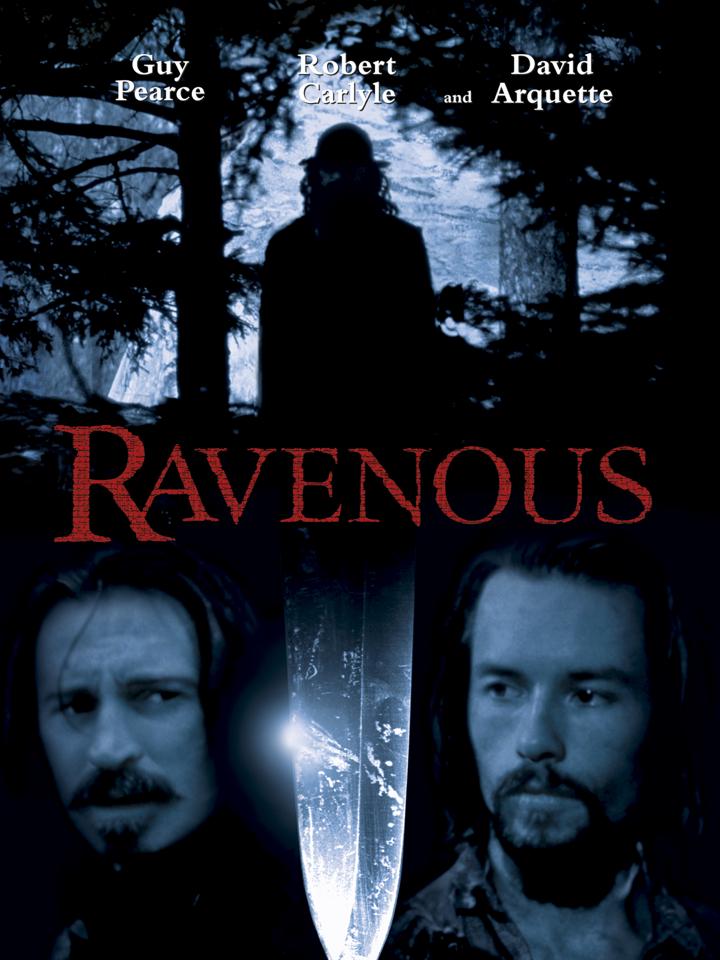
Ravenous is one of those late-90s horror movies that flew under the radar, and honestly, it’s hard to pin down — part cannibal thriller, part black comedy, with a dose of frontier survival. Set during the Mexican-American War, it follows a disgraced Army officer sent to an isolated outpost in the snowy Sierra Nevadas, where things go sideways after a stranger appears with a grisly tale of being stalked by a Wendigo-like cannibal spirit. The plot goes pretty wild from there, never letting you settle into any one genre for too long. What I really love about this film is its tone: it constantly shifts between grotesque gore and jet-black humor. Guy Pearce is perfectly understated in the lead, and Robert Carlyle chews scenery (no pun intended) as one of the most unpredictable villains I’ve seen. The offbeat, experimental score by Damon Albarn and Michael Nyman gives the whole thing a strange, jagged energy that keeps you off balance. There are some genuinely tense scenes, particularly whenever the characters are out in the snow, alone with the fear of what’s lurking nearby. But the movie isn’t for everyone. The humor is so dark that if you’re not ready for it, it can feel jarring or out of place — one minute people are getting picked off one by one, the next it’s almost slapstick in its absurdity. Some of the supporting cast are a little over-the-top and cartoonish, which undercuts the horror at times. The pace can also drag in the middle third, as it tries to stretch out a premise that might’ve been tighter with a few edits. The cinematography stands out: cold, bleak landscapes punctuated by bursts of violence, with some surprisingly beautiful shots for a movie this grimy. The period setting is refreshing, too, with muddy uniforms and grimy faces adding to the sense of isolation. Despite the flaws, there’s something unique about Ravenous — it manages to say something interesting about power, hunger, and what people are willing to do to survive, even if it’s wrapped in a surreal cannibal package. You would enjoy this if you appreciate dark satire mixed with horror, you like movies that take risks with tone, or you want something weirder than your typical haunted house or slasher flick. It’s probably not for the squeamish, but for anyone looking to dig up an offbeat cult gem, Ravenous is worth sinking your teeth into.
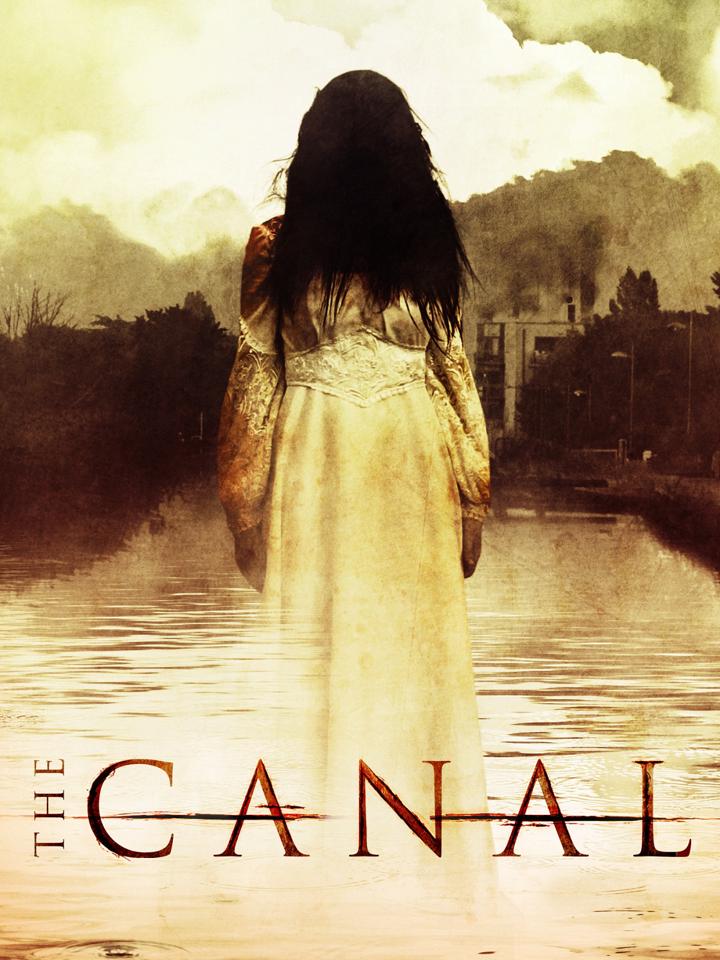
Okay, so "The Canal" is this Irish horror film from 2014 that flew under a lot of people's radar, but it's quietly unsettling in the best way. It follows a film archivist, David, who discovers that his house was the scene of a gruesome murder decades earlier, just as he suspects his own wife might be cheating on him. Things spiral from there, and the lines between reality and supernatural unravel at an atmospheric, unsettling pace. What really stood out to me is the movie’s commitment to mood and slow-building dread. The director, Ivan Kavanagh, gives us these beautifully grim visuals—there's a greyness to everything that just seeps into your bones while you watch. The way it uses old film reels and grainy footage as sources of horror is genuinely creative. There are some deeply creepy moments thanks to its sound design, too—sometimes it's what's just out of sight or earshot that gets you. The cast is solid, especially Rupert Evans as David. He manages to pull off a character who’s unraveling at the seams without becoming over-the-top. His slow descent feels raw and believable. The supporting actors are strong, although some of the secondary characters feel a little underwritten—there are points where you wish you knew just a touch more about them. The story does borrow a bit from the usual "haunted house/obsessed protagonist" playbook, so it might feel somewhat familiar if you’ve seen your share of horror films. There are a couple of dream sequences and twists that border on cliché, and the ending is a bit divisive—some people love it, some people (like me a little bit) wish it went differently. Still, the oppressive sense of paranoia is handled with a deft touch. You would enjoy this if you like your horror slow, psychological, and heavy on atmosphere. It's not a gore-fest, but it digs its claws in and leaves you uneasy long after the credits roll. Fans of films like "Sinister" or "Session 9" will probably have a good time—or a bad time, in the best possible way.
I finally watched "The Empty Man," and I'm so glad I went in knowing almost nothing. On its surface, it sounds like a typical urban legend horror flick, but it’s sneakily ambitious — tackling cosmic horror, cults, and existential dread, especially in its back half. The story follows an ex-cop who stumbles onto a string of disappearances linked to this mysterious entity, the Empty Man, and I kept feeling like I was watching a blend of "Seven" and "Hereditary" with some truly haunting visuals. The opening prologue in Bhutan is a standout — it’s basically its own short film, so atmospheric and unsettling, giving you this creeping sense that something is always lurking in the shadows. The cinematography makes fantastic use of darkness and wide shots, making the characters seem really small compared to this unknowable threat. Some scenes had me squinting at the screen, looking for details in the gloom, which absolutely ramps up the tension. James Badge Dale, who plays the main character, is way better than you usually get in this kind of horror. He brings this worn-out, haunted quality to the role, grounding a story that gets really surreal. The supporting cast—especially the cult members—play their parts with a strange, almost uncanny calmness that makes everything feel more off-kilter. No big jump scares here, just a gradual build of dread. If I’m being honest, the movie’s pacing is off at times. At over two hours, it definitely drags in the middle, and the story can get so muddled with its own weirdness that I had to resist the urge to check my phone. But there are some jaw-dropping set pieces—like the forest scene near the lake—and the way the movie toys with reality and perception pays off if you stick with it. You would enjoy this if you like your horror weird, heady, and slow-burn, more for atmospheric dread than for gore or jump scares. Fans of Lovecraftian themes or movies like "It Follows" and "The Ritual" will probably get a lot out of this, especially if you don’t mind a few narrative loose ends.
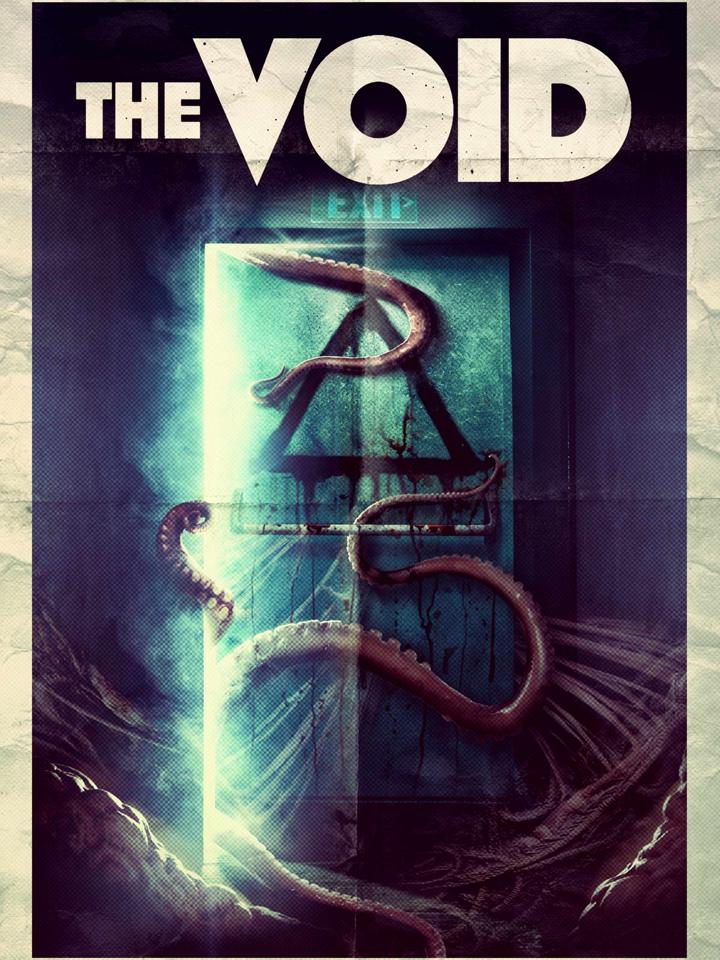
Let’s talk about The Void, a 2016 indie horror film that feels like someone dumped John Carpenter, Clive Barker, and David Cronenberg into a blender—though the results are definitely chunkier in some places than others. The movie opens with a bang: a bloodied man stumbling out of the woods and into a small-town hospital, which is immediately besieged by robed, cult-like figures posted ominously outside. Meanwhile, something really gross and not-at-all normal is happening inside with the patients. Right off the bat, you can tell this is a movie built on a foundation of eighties horror obsessions, both in aesthetic and attitude. One thing that really stands out is the atmosphere. Directors Steven Kostanski and Jeremy Gillespie conjure up this paranoid, otherworldly feeling that feels genuinely oppressive. Most of the action takes place within the hospital, and it’s surprisingly effective, not because the building looks particularly spooky but because of the lighting: blue, sickly green, and shadows everywhere. You never know what’s lurking down a hallway or behind a curtain. The camera lingers a little too long on closed doors, making you really feel that tension instead of just showing you another monster jumping out. Speaking of monsters: let’s get this out of the way. The Void is practical effects heaven. Buckets of goo, writhing limbs, meat sculptures that look like someone tried to recreate The Thing from memory but ran out of budget—it is gnarly in the best way possible. There’s a real mix of gross-out and creative, weird-as-hell body horror. You won’t forget some of these creatures anytime soon, whether you want to or not. It reminded me a bit of seeing Hellraiser for the first time and thinking, nobody should have this much fun with latex and fake blood, yet here we are. A big chunk of the movie’s emotional engine rides on the shoulders of its lead, Aaron Poole, who plays a worn-out small-town cop dealing with what’s essentially the worst night of his life. He’s convincing enough, though the script doesn’t give him a ton to work with outside of “tough, sad guy who keeps moving forward.” There are some interesting dynamics between him and the ensemble of hospital survivors, but honestly, most characters get more for their physical suffering than their personalities. Not everybody has much going on beyond being monster fodder or deliverers of exposition. The pacing gets weird after the rattling first act. Things slow a bit too much midway through, like the filmmakers are stretching to hit a feature-length runtime. There are some moments where the characters seem to be doing laps around the same parts of the hospital purely for the sake of splitting them up and picking them off. It builds tension but also feels a bit circular, and I found myself glancing at the runtime, which is never a great sign. Once the cult stuff and metaphysical horror start ramping up, though, the back half gets wild again, in ways that are refreshingly bonkers. Where The Void struggles most is with its mythology. The movie gestures at some Lovecraftian cosmic horror, with portals and eldritch nightmares, but a lot of it comes out half-baked. We get cryptic dialogue, creepy symbols, and a big climactic vision that suggests deeper meaning, but it never quite earns the profound emotional payoff the filmmakers are reaching for. I couldn’t shake the feeling that they tried to pack three seasons of True Detective weirdness into ninety minutes, and as a result, some things feel more confusing than mysterious. Still, there’s something really admirable here: The Void feels passionate. You can sense how much everyone involved wholly loves this stuff, and that love is infectious. Even when the plot goes off the rails or the dialogue gets clunky, there’s real craft in the monster effects and the atmosphere. The sound design is cool too, with growls and squelches that’ll give you goosebumps. The synth-heavy score probably won’t stick in your memory, but it does exactly what it needs to. All said, The Void isn’t perfect, but it’s definitely fun if you love practical gore, monsters, and old-school weirdness. It’s not the next cult classic, but it is exactly the sort of midnight movie I have a soft spot for—ambitious, a bit messy, straddling the line between homage and earnest attempt to disturb you. If you want an atmospheric, gnarly time, this one is worth a watch after dark with friends who appreciate slime and weirdness.
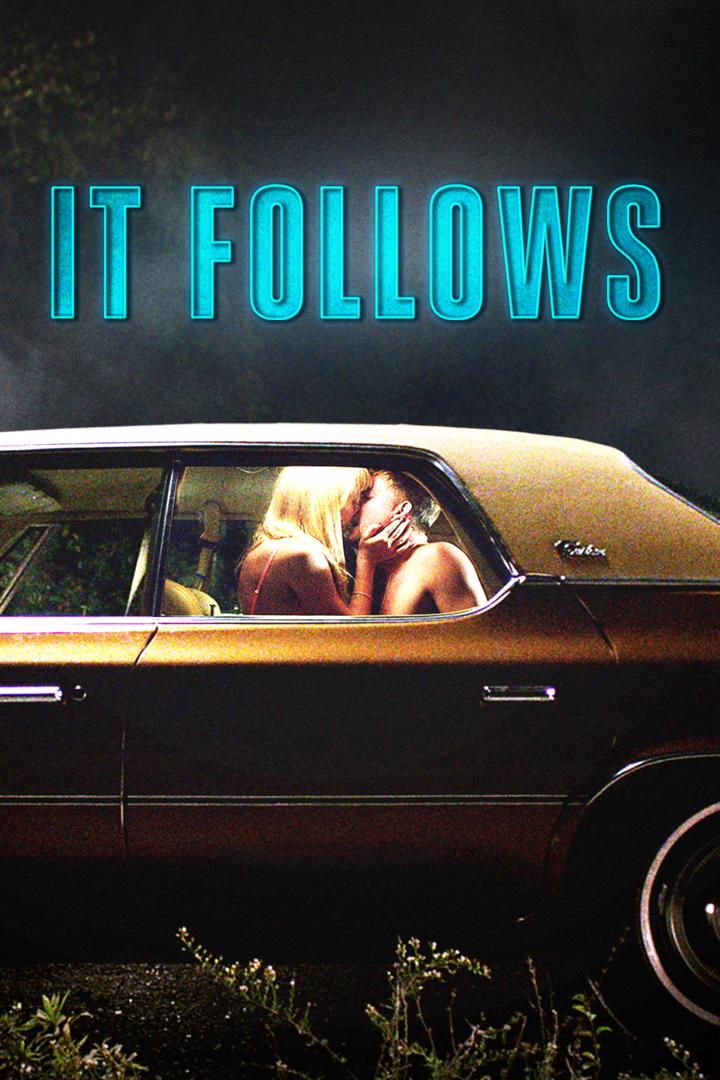
If you haven’t seen “It Follows,” it’s one of those horror films that landed right in the middle of the 2010s with a ton of buzz and a vibe that just feels entirely its own. The gist: after a very awkward and unfortunately haunted hookup, Jay (Maika Monroe) realizes she’s being stalked by a relentless, shape-shifting entity. It can look like anyone, moves at a painfully steady walking pace, and the only way to shake it off is to pass the curse on through sex. Truly, no dating app horror story can top this. I love how this film creates dread out of the simplest, most mundane visuals. The entity doesn’t flip tables or throw objects across the room. It’s just always walking, and you’re constantly scanning the background for someone moving like they don’t belong. David Robert Mitchell, the director, taps into this primal fear that something’s coming for you and it will not stop, even if you cross state lines. And the way he shoots Detroit’s empty streets and forgotten suburbs makes you feel isolated in a way that’s more unsettling than loud jump scares. The score deserves a mention because it’s absolutely killer. Disasterpeace took what could have been a standard horror soundtrack and made it pulse with synth-driven, retro tension. It ties the movie to ‘80s horror outbreaks without feeling cheap or like it’s just doing nostalgia for nostalgia’s sake. Every time the music ramps up, you start bracing yourself, whether anything’s actually happening or not. The sound and visuals work together so seamlessly that it’s hard not to get sucked in, even if you know deep down it’s all creepy vibes and suggestion. What really works about “It Follows” is how it takes a simple, almost absurd concept that could have been silly and makes it stick in your brain. Jay and her friends don’t make a lot of the classic “idiot moves” you usually see in slashers. They process, regroup, and try to problem-solve like actual teenagers, which goes a long way toward making you care about whether they make it out. The way the threat slowly closes in adds genuine urgency instead of cranking up fake suspense. That doesn’t mean the film is flawless. The pacing, especially in the middle chunk, gets a little fuzzy. There’s this weird stretch where it almost slips into a loop: get attacked, run, brief safety, repeat. A couple of attempts at character development for Jay’s supporting crew don’t really land. Some emotional beats are just left hanging, and honestly, you probably won’t remember most of their names. The film favors its relentless mood and clever rules over making you deeply invest in anyone who isn’t Jay, and that feels like a missed opportunity. Let’s talk visuals again, because Mitchell made some interesting choices. He keeps the camera moving in slow circles or following characters at odd angles, which keeps you disoriented and helps you buy into the paranoia. The color palette is oddly bright for a horror movie, with daytime scares and pools of unnatural light. It’s sharply shot, but sometimes these stylistic touches take precedence over telling us anything new about the plot or the curse. That balance between style and substance isn’t always perfect, but it’s consistently gripping. Maika Monroe, though, is the anchor for this whole haunted ship. Her performance is raw and weirdly grounded, blending fear, resignation, and a sense of growing detachment. Watching her run from this thing gets tougher, emotionally speaking, because Monroe never lets us forget how utterly alone Jay feels. The film hints at heavier themes about consent, trauma, and growing up, but floats them just enough so they don’t get heavy-handed. You can read into it as much or as little as you want. By the end, “It Follows” leaves you with a lingering sense of unease, even if not all the questions get answered. It’s less about unraveling the mystery of the curse and more about living with it, which is, in a twisted way, kind of refreshing. The weird pacing issues and undercooked side characters hold it back from pure greatness, but the originality and execution make it stand out as one of the decade’s smarter, scarier horror films. You’ll probably find yourself looking over your shoulder for the next few days, which is really all you can ask from a movie like this.

Session 9 is one of those horror films that doesn’t go for the cheap jump scares or gore. Instead, it gets under your skin with its setting: an abandoned mental asylum where every echo feels loaded with decades of grief and paranoia. The plot follows a crew hired to remove asbestos from the building, and right off the bat, you can tell none of these guys are going to have a good time. The film thrives on mood and slow-burn tension, which is polarizing but, in my view, really effective. What really stands out in Session 9 is the sense of place. The Danvers State Hospital is almost a character itself. Director Brad Anderson doesn’t drench the film in special effects or elaborate set pieces. Instead, he uses the hospital’s crumbling corridors and graffiti-covered walls to create a claustrophobic vibe. It feels real because it is real; the movie was shot on location, and you can smell the mildew through the screen. That setting is pretty unforgettable. The cast is grounded and weirdly believable in a way you don’t always see in horror. Peter Mullan is fantastic as Gordon, the foreman who starts to unravel as the job goes on. David Caruso is surprisingly solid too, dropping his trademark sunglasses for a performance that’s subtle and unflashy. None of these characters are particularly likable, but their flaws make the story land harder. The way the guys bicker and break down feels authentic, like real blue-collar workers just trying to pay the bills. Pacing is a mixed bag. If you need a movie to hit the gas pedal after the first act, Session 9 might frustrate you. It spends a long time just letting characters roam the asylum, finding old therapy tapes and exchanging uncomfortable glances. But if you’re a fan of slow-burn horror, the tension is excruciating in the best way. The story unfolds like peeling an onion, and there’s always this sense that something terrible is just out of sight, waiting. The sound design does a lot of heavy lifting here. Aside from the eerie score, the movie is filled with unsettling whispers and the hum of buzzing lights, making everything feel off-kilter. The therapy session tapes, in particular, are legitimately creepy. When they start playing those tapes and you hear unsettling voices talking about “Simon,” it gives you genuine goosebumps. Session 9 is definitely more psychological than paranormal, which might disappoint anyone hoping for more supernatural fireworks. The scares come from the idea that evil is something mundane and internal. Anderson doesn’t spoon-feed the audience; instead, he layers hints and lets you put together your own theory about what’s happening. That ambiguous approach is refreshing but might leave some people cold. Visually, the film is washed-out and grainy. Some people might think it just looks cheap, but I think the rough look adds to the unease. There’s this constant pallor in the lighting that makes everything feel sickly. The editing is jittery, especially as things get weirder, which honestly fits the fracturing mental states of the characters. I can totally see how the aesthetics here could be both a strength and a turnoff. In the end, Session 9 is not a fun horror flick to watch with a group and shout at the screen. It’s the kind of film you watch alone on a rainy night, then spend hours afterward thinking about. Is it a perfect movie? Not quite. Some plot details feel unresolved, and the payoff might be too subtle for those craving answers. But it’s one of the more haunting, atmospheric horror films I’ve seen, and it lingers with you long after the credits roll.
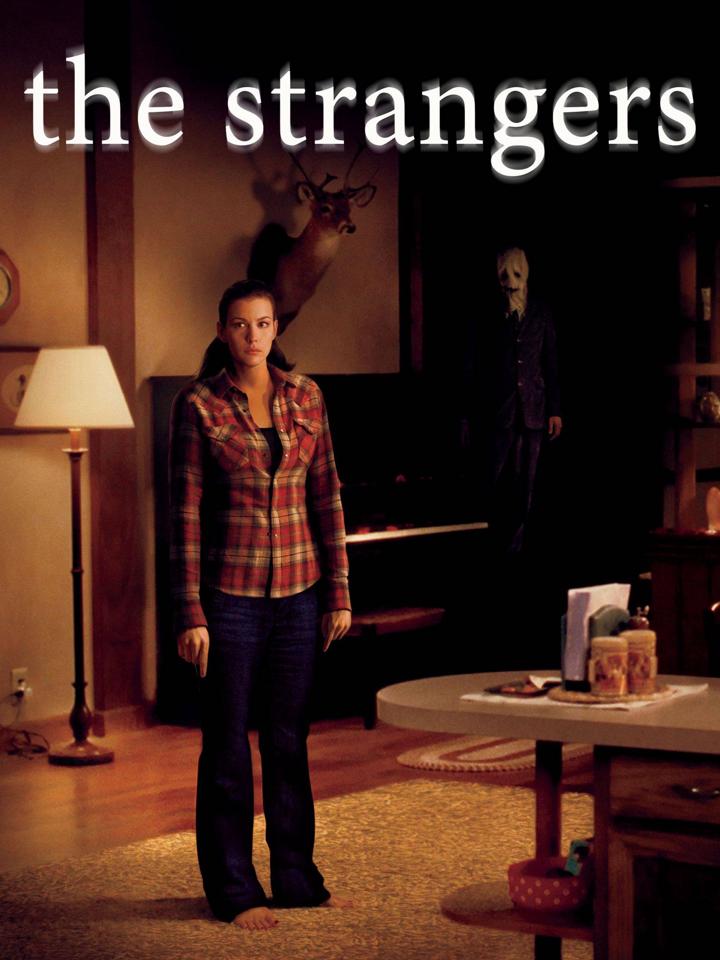
Remember those summer nights in your twenties when you’d rent a cabin with your significant other to get away from the world for a bit? Yeah, The Strangers (2008) takes that vibe and stomps on it. The premise is unnervingly simple. A couple, already dealing with their own emotional distance, finds their secluded getaway turned into a nightmare when masked intruders start to terrorize them for seemingly no reason at all. That’s basically it, and honestly, the simplicity is what makes this movie linger after the credits roll. One of the things that stood out immediately was the film’s tone. There’s a palpable sense of dread from the first frame, and it never lets up. Director Bryan Bertino doesn’t overcomplicate things with elaborate backstories or convoluted plot twists. Instead, he leans into silence and stillness. There are long stretches where nothing much happens on-screen, but you can feel the menace lurking outside. I love that Bertino trusts his audience enough to sit with the tension rather than filling every moment with jump scares. Speaking of jump scares, the movie does use them, but sparingly and effectively. This isn’t Insidious or The Conjuring where something leaps out of the dark every five minutes. Here, you mostly get slow, creeping horror. A figure quietly appears in the shadows, just barely visible in the background, and the camera lingers. I have to admit, during my first watch, there was one particular moment in the kitchen that made me blurt out a curse word. It’s subtle moments like that which really do a number on your nerves. Let’s talk about the acting. Liv Tyler, as Kristen, does a great job of balancing vulnerability and raw panic. Her performance doesn’t feel melodramatic or forced. Scott Speedman, playing her partner James, is a little more subdued, but it works for the dynamic between the two. They feel like real people, which is surprisingly rare in horror movies and goes a long way toward making the terror feel more legitimate. You actually want them to make it out alive, and it feels like the actors have put in the work to sell the relationship's awkwardness and pain even before the night turns hellish. Cinematography here is clever without being show-offy. The house itself almost becomes a character, with hallways and doorways used to frame both the protagonists and their tormentors in ways that make you paranoid about what might be just out of sight. The lighting is low and grainy but never confusing, and you always feel like you’re peering around the corner just as much as the characters are. The use of inky darkness isn’t for effect; it actually makes you squint at the screen, feeling every ounce of the couple’s confusion and fear. Now, the pacing will annoy some viewers. The middle third drags a bit. For all its tension, the movie could have trimmed a few repetitive stalking scenes. Sometimes, less is more, but there’s a thin line between building suspense and just spinning your wheels. On a rewatch, I found myself wishing they’d gotten to the point a little faster, especially considering how minimalist the story is overall. Still, the atmosphere and anxiety do a lot of heavy lifting here. My biggest gripe is with the “why” of it all. The Strangers leans all the way into the idea that horror can be random, and that randomness is what makes it scarier. To a point, I agree. But when the movie gets to its infamous answer for why the attackers do what they do, it’s meant to be chilling. Instead, after the shock, it left me wanting a tiny bit more motivation. Maybe that’s just my own hang-up. Some people will find that lack of explanation supremely effective. I found it a touch unsatisfying. Overall, The Strangers works best as an exercise in raw, experiential horror. It doesn’t reinvent the wheel, but it does what it sets out to do really well. You’ll probably check your locks before bed and be a little extra freaked out by every bump in the night. If you want a clean, relentless home invasion film that doesn’t spell everything out for you, this is one of the best of its decade, even flawed as it is.
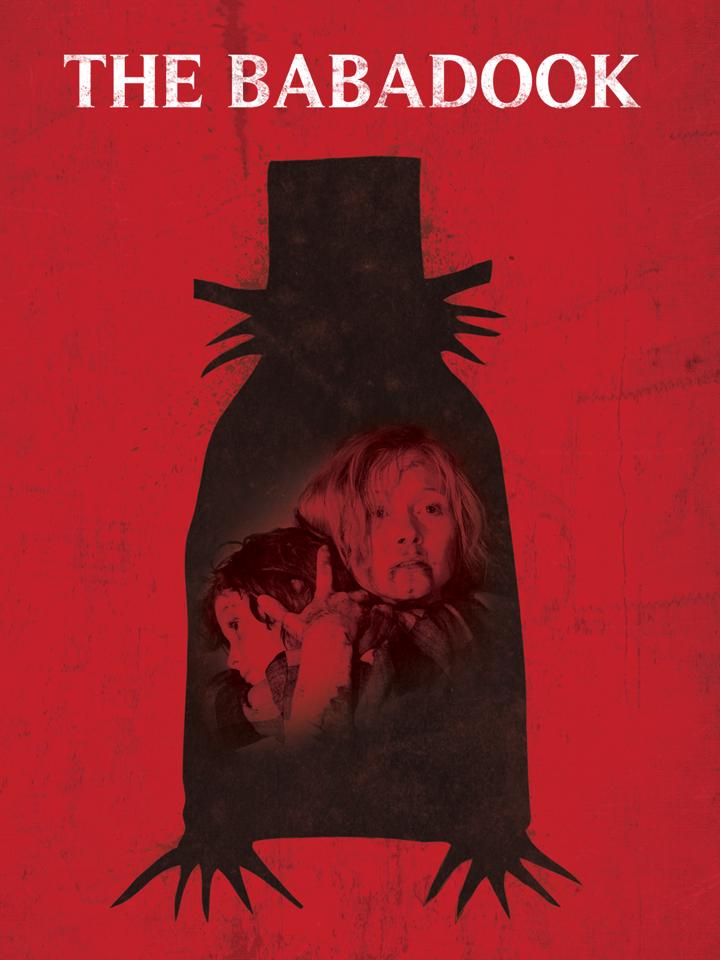
If you’re looking for a horror movie that doesn’t rely on cheap scares, The Babadook hits that weird spot where psychological horror feels all too real. It starts out with a grieving mother, Amelia, and her troubled son Samuel, whose weird behavior is already unsettling before anything supernatural even shows up. You get the sense that this is as much about mental health as it is about monsters, and honestly, that’s where the film gets under your skin. The tone is suffocatingly bleak from the start, and it never really lets up. Director Jennifer Kent uses the house almost as a character, with tight, claustrophobic shots that make the space feel smaller and more oppressive as things unravel. It’s visually striking, but not in a flashy way. Instead, everything looks a bit washed out and dreamlike, just enough to make you second-guess what's real. Essie Davis, who plays Amelia, absolutely carries this movie. Watching her try to hold it together while her son spirals is both exhausting and mesmerizing. On another level, it’s impressive how you end up as disturbed by the family dynamic as you are by the monster itself. The kid, played by Noah Wiseman, does feel grating at times - but honestly, that almost works in the film's favor. The tension between them is raw and uncomfortable. The pacing can be a bit uneven, though. The first half leans hard into the drama and slow buildup, so if you’re coming for big scares right away, you might get impatient. But when the film finally goes all in on the horror, it delivers. The Babadook itself is genuinely creepy without ever being over-explained, which I loved. The sound design - rattling doors, pounding on the walls - wriggles into your nerves. My one real gripe is that some of the symbolism about grief and trauma is a little on the nose. There are moments where the metaphors feel like they’re poking you in the ribs, as if the director really wanted you to get the point. Sometimes, less is more, and I wish the movie trusted the audience a bit more to put the pieces together. Still, this is a horror movie that sticks with you afterward, not because of gore or body count but because it makes you squirm about real-life fears. If you’re looking for a different kind of scare, this one leaves a weird, heavy feeling behind - and I mean that as a compliment.
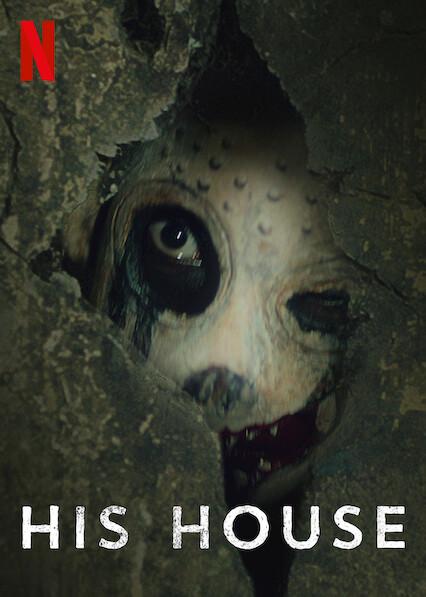
I feel like I slept on this one for too long. "His House" is a horror movie from 2020 that’s miles away from your average haunted house flick. A Sudanese refugee couple gets relocated to a run-down council house in England, but it turns out they’ve brought something with them. The setup is familiar, but right away the film does something clever with the horror: it’s not just about spooky bumps in the night, but about trauma, displacement, and guilt. It uses real-world pain as fuel for what’s haunting the characters, and that gives it a raw punch a lot of horror movies miss. The scares? Legitimately eerie. Director Remi Weekes keeps things unsettling with some of the creepiest visuals I’ve seen in a while. The way shadows linger or flicker where they shouldn’t, and the sound design - constant tapping, low groans, the creaking of the house itself - feels designed to keep you on edge. There’s one sequence in the living room that had me tense the whole time, and it works not by jump scares, but by pure, thick atmosphere. What I did not expect was how much heart this film has. Sope Dirisu and Wunmi Mosaku just kill it as the leads. Their performances are quietly devastating, especially as the husband tries to sweep things under the rug, while his wife refuses to let reality be rewritten. You just buy into them as a married couple with way too much weighing on their shoulders, and their conflicts feel sharp, not melodramatic. The pacing is pretty tight for a movie that juggles so many themes. It never gets bogged down in metaphor, but sometimes, I did wish for a bit more digging into the supernatural rules. Some questions go unanswered, and while that keeps it mysterious, it left me wanting a bit more connective tissue to really blow my mind. Visually, the film is strong. The house has this battered, almost cavernous look that makes ordinary spaces unsettling. The moments that dip into surrealism, with water seeping into the walls or memories intruding in ghostly ways, look amazing and really stick with you after the credits. It’s a film obsessed with what you can and can’t escape, and that comes through in every grimy, rain-soaked shot. The only downside is that its ambitions slightly outpace its runtime. By the ending, some threads feel a little rushed, like the film is sprinting to make its thematic point. It’s clever and impactful, but I would’ve loved a little more time for it to breathe. Still, it hits hard, both as horror and as a story about refugees balancing the past and present in a place that doesn’t exactly welcome them.
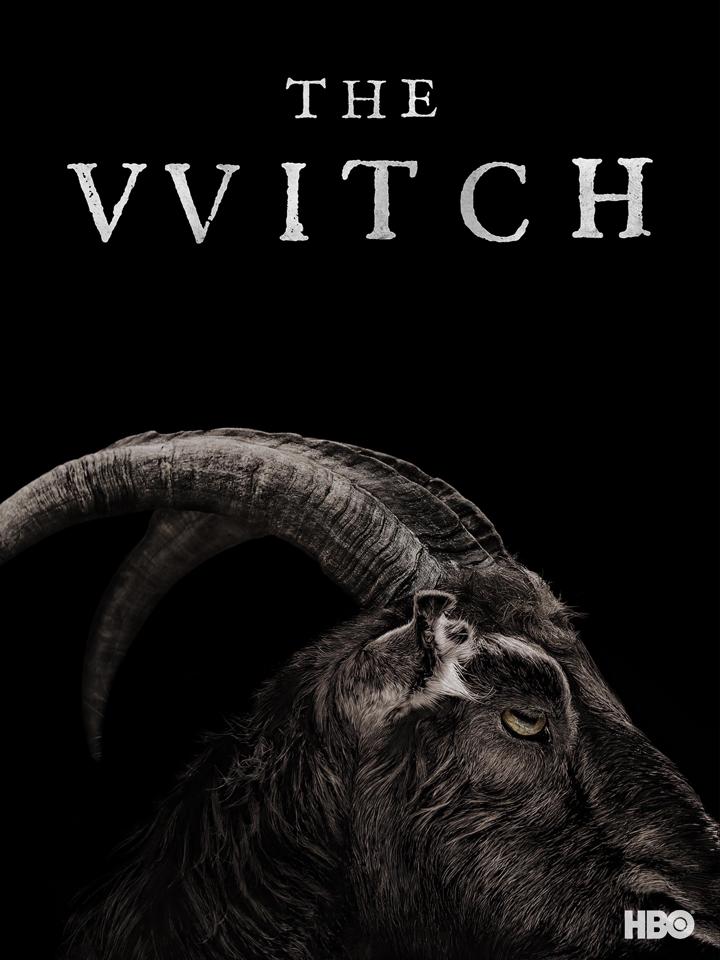
Robert Eggers’ "The Witch" is one of those horror movies that creeps under your skin before you even realize what’s happening. Set in 1630s New England, it follows a Puritan family whose isolation in the woods does them absolutely no favors. The premise is deceptively simple - paranoia and religious fervor slowly suffocate the family - but the execution is so precise that you end up holding your breath for most of the film. The first thing that jumped out at me was the atmosphere. The cinematography is so muted and naturalistic that you almost feel the chill of the forest, hear the crunch of dead leaves, smell the anxiety. The camera lingers just long enough to make the shadows feel alive. Honestly, it makes most modern horror look like carnival rides. What really works here is the commitment to authenticity. The dialogue is lifted from actual 17th-century sources, and while it’s sometimes hard to parse, it pays off in spades. The language makes the characters’ dread and superstition feel painfully real. Anya Taylor-Joy, in her breakout role as Thomasin, is genuinely fantastic. She balances teenage confusion and terror in a way that’s almost too believable. The pacing, though, will not be everyone’s bag. This is a slow burn with capital S and B. If you’re looking for cheap jumps or buckets of blood, you’ll get bored quickly. But if you’re willing to let the tension smolder, the payoff is intense and pretty disturbing. Emotionally, the story sneaks up on you. Sure, it’s about witches, but it’s really about familial breakdown and the fear of the unknown. Eggers somehow makes the mundane (a missing silver cup, a family argument) feel just as terrifying as any supernatural threat. When things spiral, it’s both shocking and kind of inevitable. On the downside, some scenes are extra obtuse, and the heavy period language means you’ll probably miss a few lines unless you watch with subtitles. It’s not a film you throw on for background noise. But if you want to be unsettled and impressed at the same time, this is a high bar for modern folk horror.

If you haven’t seen The Descent, you’ve really missed out on one of the great claustrophobic horror movies from the 2000s. The plot is simple enough: a group of adventurous women reunite for some cave diving in the Appalachian mountains. Of course, things go wrong in about three different flavors: the caves are dangerous, the group dynamic is messy, and, well, there’s something down there with them. What really sticks with me is how Neil Marshall makes the caves feel completely suffocating. Some scenes are so tight I found myself shifting in my seat. The sound design only amps it up, from the echo of labored breathing to the unsettling skittering in the darkness. Forget cheap jump scares - this movie gets under your skin with dread. It’s almost more survival thriller than horror at first, and then it punches you right in the face with its monsters. The cast is centered on Shauna Macdonald, who’s completely convincing as a woman running on trauma and adrenaline. The chemistry between the women is real, especially as tensions ramp up. It’s not some corny girl-power thing either - the relationships have genuine cracks. A couple of the characters are a little thinly drawn, but that’s honestly my only real beef script-wise. Pacing is a big win here. It’s a slow burn, but one that keeps ratcheting up your anxiety with every scene. When things go sideways, the film doesn’t let up. The violence is hard-hitting, but it never tips into goofy territory. There’s a realism to how the group reacts, like the panic and desperation actually make sense. Visually, this movie is all gloom and shadows, but there’s craft to how it’s shot. When Marshall gives you a glimpse of those creatures, you wish he hadn’t - the unknown was bad enough. The most disturbing scenes are just as much about what you imagine as what you see. If you can stand films like Alien or even 28 Days Later, you’ll feel right at home squirming through The Descent. My only real gripe: I still can't decide if the ending lands. It’s divisive, and different versions exist. But that shouldn’t keep you from seeing it. If you want a proper, primal scare that doesn’t insult your intelligence, this is the one to watch.