
Browse our collection of music reviews and ratings.Showing 11 of 11 reviews.
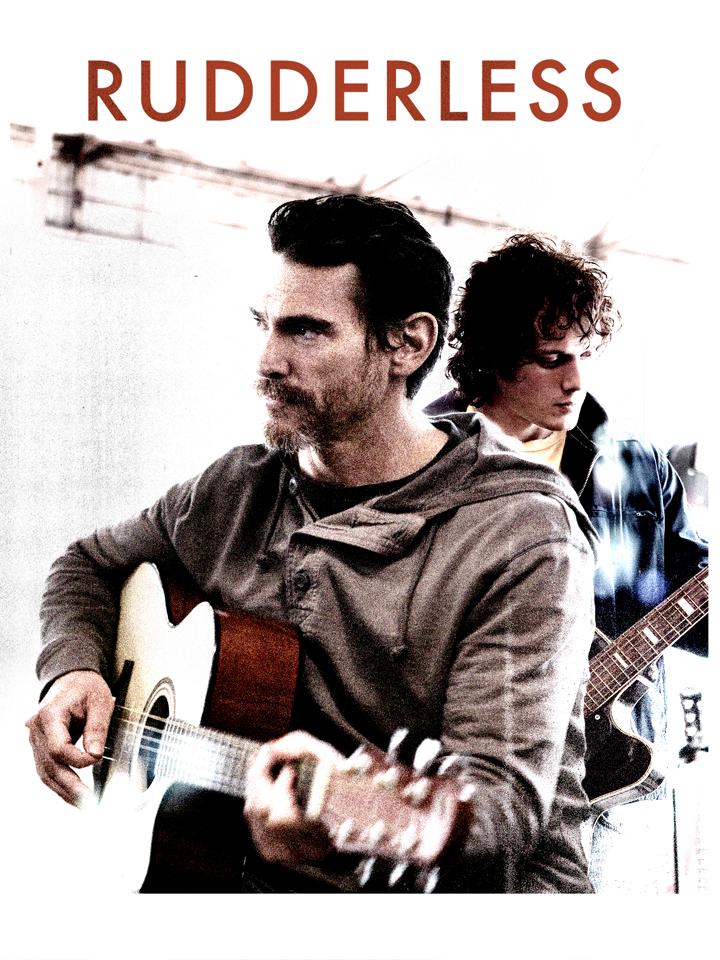
Rudderless is one of those music-infused indie dramas that slipped under the radar but honestly deserves a little more attention. Directed by William H. Macy, it follows the story of a grieving father (played by Billy Crudup) who discovers his late son's demo tapes and ends up forming a band to play his music. The movie's premise is heavy—it’s about loss, regret, and the surprising ways we try to cope—but it delivers these themes with a gentle touch and a strangely hopeful energy. What really stands out is the film’s genuine love for music as a form of healing. The scenes where Crudup’s character plays in scrappy, dim-lit bars or practices with unexpected bandmate Anton Yelchin feel authentic and unpolished in a good way. There are several original songs, and they're catchy enough to stick in your head after the credits roll—especially "Stay With You," which is a low-key indie gem. The performances have a subtle realism, and there’s a believable awkwardness that somehow works, capturing the clumsy way people connect through music. Not everything quite lands, though. The movie sometimes drags in the middle, and a couple of the emotional beats feel a tad forced—almost as if it wants to make sure you really "get" the lesson. Also, some side characters are thin sketches, mostly existing as signposts for the main guy’s journey. But Crudup and Yelchin bring enough heart to keep things rooted and honest. Visually, it’s quietly beautiful in that indie way—think washed-out color palettes, intimate close-ups, and lots of lingering shots on makeshift stages and musical instruments. Macy keeps the camera work simple, which actually works for the story, letting the emotions and soundtrack take center stage. The soundtrack itself is, honestly, one of the film’s secret weapons; if you love movies where the music feels woven into the soul of the story, you’ll appreciate this. You would enjoy this if you like bittersweet, music-centered dramas with a strong undercurrent of redemption. Especially if you prefer movies that deal with grief and recovery without too much melodrama or glam, and you’re up for discovering some new indie tunes along the way.
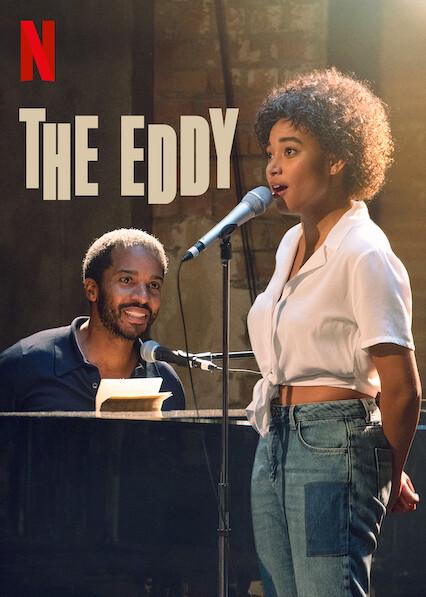
I stumbled onto "The Eddy" on Netflix a while back, and I was pleasantly surprised by how textured and authentic it felt for a music drama. The show is set in Paris and spins around a struggling jazz club, weaving together threads of crime, family friction, and—at the heart of it all—some truly soulful jazz music. It’s bold in the way it mixes English and French dialogue, which makes the city’s atmosphere feel genuinely lived-in rather than just a backdrop. What really gripped me was the way it captured the messiness of life and creativity. André Holland leads the cast as a burnt-out American musician trying to keep his club afloat; his character feels raw and realistically flawed. The supporting musicians, many of them real jazz performers, bring a loose, improvisational spirit that seeps into every episode—sometimes it’s like you’re catching them off-guard, in the best way. I have to admit, the story structure isn’t always super tight. Early episodes zigzag from character to character—one episode focuses intensely on the club’s co-owner, another on the lead singer—which can be a little jarring if you’re after a fast, linear plot. But that same meandering quality gives space for some really poignant moments and quiet tension, where you can practically feel cigarette smoke and the weight of unspoken words. Cinematography-wise, Damien Chazelle (of "La La Land" fame) directed the first couple episodes and set the tone: handheld camera work, shaky but intimate, trailing the characters through cramped alleyways, tiny apartments, and neon-lit performance spaces. There are some gorgeous musical set pieces, where the camera just settles and lets you soak in a song—these are the highlights for sure. You would enjoy this if you like moody, character-driven dramas with a heavy dose of real jazz and don’t mind a slower, more atmospheric pace over explosive action. Musicians, fans of stories about flawed artists, or anyone who’s lived in a city where dreams feel both close and out of reach should give it a shot.
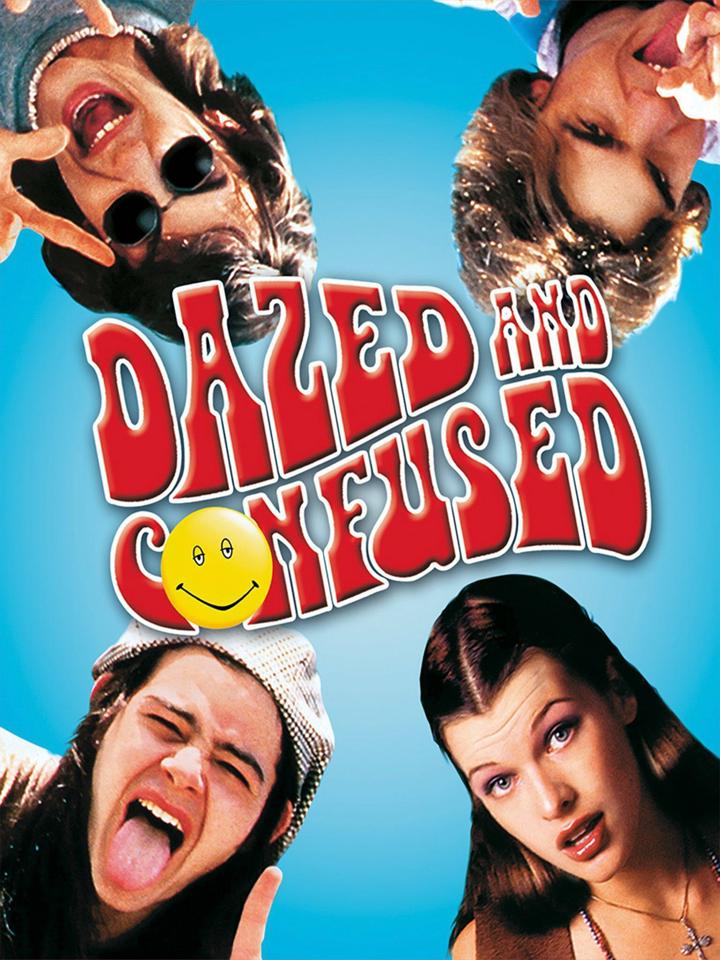
This is one of those films that goes down easy, like a great song on a summer night. “Dazed and Confused” (1993) is a coming-of-age story with a laid-back, infectious vibe, set during the last day of high school in 1976, and the energy is as much about the music as it is about the characters. The film’s rock-heavy soundtrack is honestly just as memorable as its wild, weaving storylines, and it really sets the tone for the entire movie. What stood out to me the most was Richard Linklater's ability to make it genuinely feel like you’re hanging out with your own school friends. It’s got a huge ensemble cast, many of whom went on to become famous — like Matthew McConaughey in his ultra-chill, scene-stealing debut. The dialogue is loose and real; the costumes, the cars, the soundtrack — all of it just *feels* right for the era, and you can tell how much attention went into those details. On the flip side, if you’re looking for a movie with a strong, driving plot, this isn’t it. The pacing is extremely casual; it floats along without any big climaxes, and some storylines kind of drift away. That might bore some viewers, but that’s also the film’s charm—it isn’t about the major moments, it’s about all the little ones: a glance, a joke, a group singing in a car on the way to nowhere in particular. Cinematography is low-key but really effective. There are these long tracking shots that capture the chaos and camaraderie of teens just blowing off steam. All those moments around dusk—kids hanging out in parking lots, under the glow of streetlights—there’s a lot of warmth and nostalgia in how it's filmed. You get the sense that Linklater is recalling his own youthful memories, and that lends the movie a lot of heart. You would enjoy this if you love movies where music is a key player, and if you appreciate stories about friendships and the awkward, electric feeling of growing up. It’s great for anyone who digs ensemble casts, period movies, or the kind of films that are more about a mood than a message.
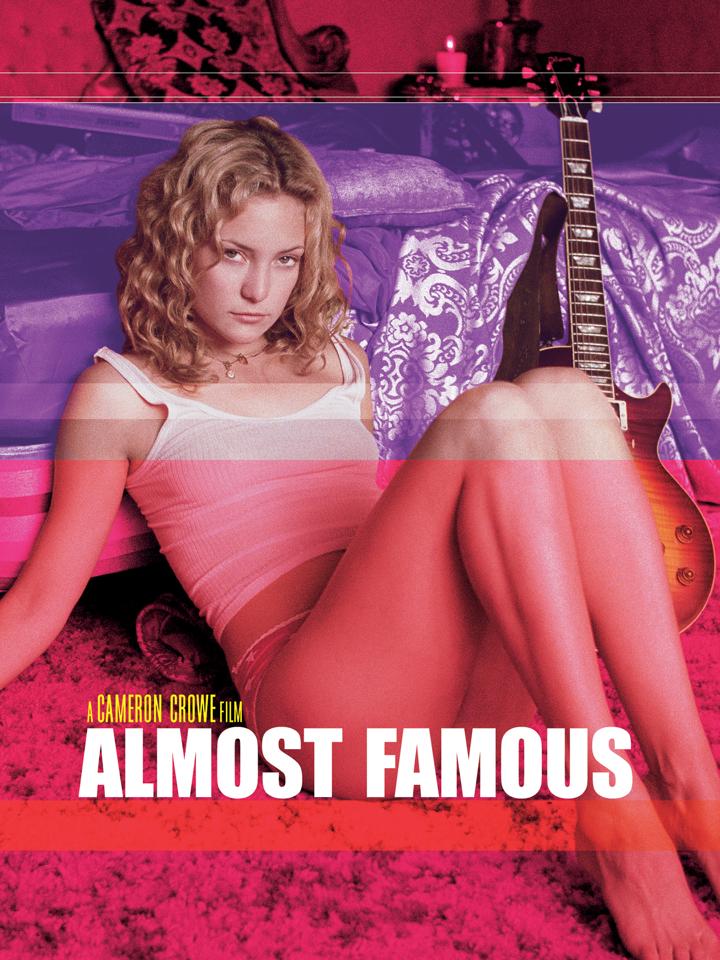
I’ve probably seen “Almost Famous” a dozen times by now, and I get why people still bring it up when talking about music movies. It’s set in the early seventies, but honestly, the nostalgia hits even if you didn’t live through that era. Director Cameron Crowe based the whole thing on his teenage years writing for Rolling Stone, so it has that feel of someone reliving their own fond chaos. The basic plot is about a fifteen-year-old named William who lands a dream assignment to follow an up-and-coming (and delightfully dysfunctional) band called Stillwater on tour. If you remember ever being a nerdy kid caught in a scene that was way too cool for you, this hits home. The real star here, though, is the cast. Patrick Fugit’s William is endearing and awkward without being a complete doormat. Frances McDormand as his mom is hysterical, genuinely caring but over-the-top, like she took every helicopter parent trait and cranked them up just enough to make them funny instead of annoying. Then there’s Kate Hudson as Penny Lane. She brings this vulnerable, ethereal energy to what could have been a cliche “groupie with a heart of gold” role. Instead, she’s layered, messy, and occasionally heartbreaking. It’s a delicate juggling act and she pulls it off like she was born for it. What really sticks with me is how the film nails the atmosphere of touring life. There’s that legendary “Tiny Dancer” singalong on the bus — now almost a cliche in film nerd circles, but it genuinely works here and feels earned. Every hotel lobby, concert venue, and grubby afterparty feels alive, sweaty, and filled with the slightly desperate hope that comes from chasing fame. Cinematographer John Toll works pure magic here. Scenes are bathed in that golden, soft light that somehow makes the seventies both romantic and a little faded around the edges, like an old Polaroid. The pacing, though, drags a bit in the second act. After the thrill of William getting his assignment and setting out on the road, the movie takes a while to build up its real interpersonal drama. There are intervals where William is wandering hotel corridors or eavesdropping at parties and I remember feeling like, okay, we get it, this world is wild and confusing — move things along. It’s not a dealbreaker, but on rewatch, you kind of wish Crowe trimmed about fifteen minutes of side shenanigans. Crowe’s script deserves real praise for letting messy emotions bleed through the fun rock moments. It’s not just about the glory of the road or the excitement of seeing your heroes up close. Most of the relationships in this movie feel vulnerable and real. Billy Crudup’s Russell, the band’s guitarist and William’s main interview target, is both magnetic and deeply flawed. He and William have these fantastic little power struggles, and their scenes together let the story push past hero-worship into something messier and more interesting. I also appreciate that “Almost Famous” doesn’t sugarcoat the business side of music. The band’s manager is oily but competent, contracts are mentioned, and you see just how fast “family” disintegrates when money or fame is at stake. It isn’t all about brotherhood and music — egos absolutely get in the way. There are moments of pettiness and small betrayals that feel painfully true to life, which makes the emotional peaks land harder when they arrive. If you’re into rock music, the soundtrack is a total treat (what else would you expect, given Crowe’s knack for needle drops?). Led Zeppelin, Elton John, Simon & Garfunkel — it’s stacked with the kind of music that would thrill both dads and their vinyl-obsessed Gen Z grandkids alike. But it’s never just a wall of hits. The producers often let a song roll for a while, creating mood and space instead of just filling time. There's a reason people talk about “Almost Famous” as one of the best needle drop movies ever, and it totally earns that rep. That said, the movie is definitely a bit too gentle in places. Crowe clearly loves his characters, maybe to a fault. He’s not interested in dragging anyone through the dirt, even if maybe they deserve it. There's a sense that everything will eventually be okay, which, for all the film’s charm, can make it feel less urgent or raw than stories like “This Is Spinal Tap” or “Sid and Nancy.” You rarely get the sense that things will truly fall apart permanently for these characters — and as a result, some stakes are missing. For a movie about sex, drugs, and rock and roll, it almost feels safe.
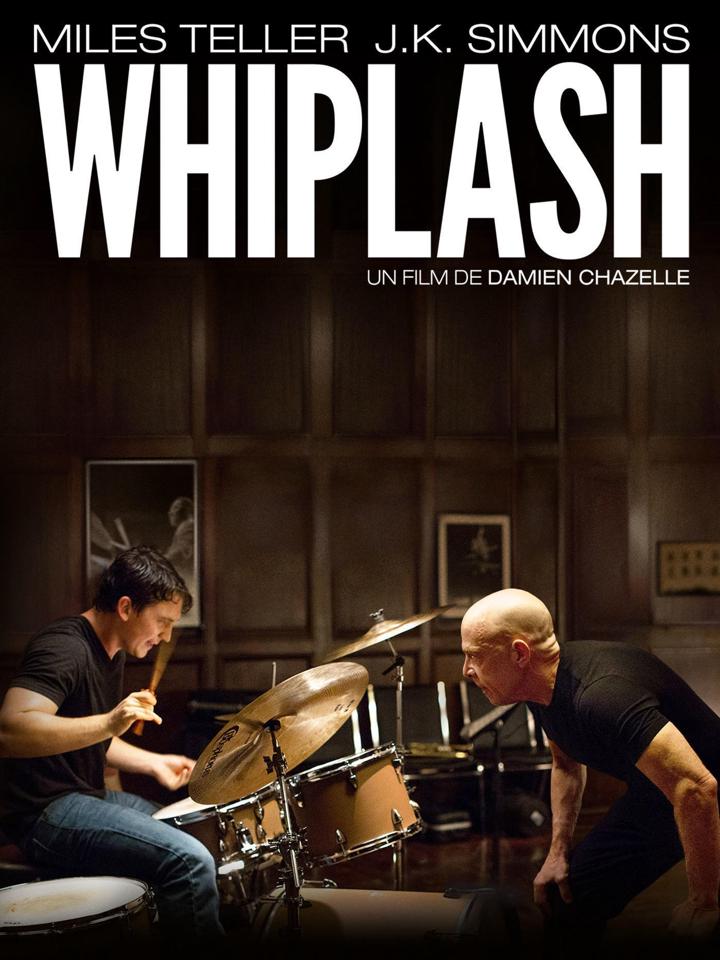
Whiplash is the kind of film that grabs you by the collar and doesn’t really let up until the last frame. It follows Andrew, a fiercely ambitious young jazz drummer, as he tries to impress the infamously terrifying band leader Fletcher, played by J.K. Simmons. The setup is simple but it rockets into some of the most intense scenes I’ve ever seen in a “music” movie. You spend the whole time both hating Fletcher’s tactics and weirdly admiring his commitment to greatness. What I love about Whiplash is that it’s a movie obsessed with obsession. There’s not really any soft, dreamy love for music or art here. Instead, it’s about sweat, blood, and the toll that perfectionism takes. Miles Teller nails the Andrew character - awkward, prickly, and just unhinged enough that you buy why he keeps coming back for more punishment. Meanwhile, J.K. Simmons is all ferocious energy and icy, unpredictable charisma. The pacing is really tight, which is crucial for a movie where so much tension comes from practice rooms and jazz performances. There’s almost no downtime, but when the film does slow down, it’s to let you feel the exhaustion these characters live with. I appreciated that the director, Damien Chazelle, kept the story laser-focused instead of drifting into unnecessary subplots. Not a single scene feels wasted. Cinematography is slick but not flashy. The way the drum sequences are shot is genuinely thrilling; you can see the blisters on Andrew’s hands and the sweat dripping down faces. The color palette leans into this almost sickly yellow that makes everything feel claustrophobic and sweaty. The editing, especially during performance scenes, gives you that heart-in-your-throat anxiety. It’s stressful, sure, but weirdly exhilarating. If there’s a downside, it’s that the movie gets so wrapped up in the drive for greatness that it barely lets you breathe. There’s not much complexity to the secondary characters, and sometimes it feels like the world here is just Andrew, Fletcher, and a set of drums. I get why some folks find the film’s message troubling, too - does the end justify the means when the “means” look like psychological warfare? Whiplash isn’t interested in giving an easy answer. But honestly, whatever faults it has, Whiplash is the rare music movie that feels as exhausting and rewarding as practicing an instrument until your hands bleed. It’s tense, pulpy, and often uncomfortable, but if you’re up for it, the final ten minutes will leave you breathless.
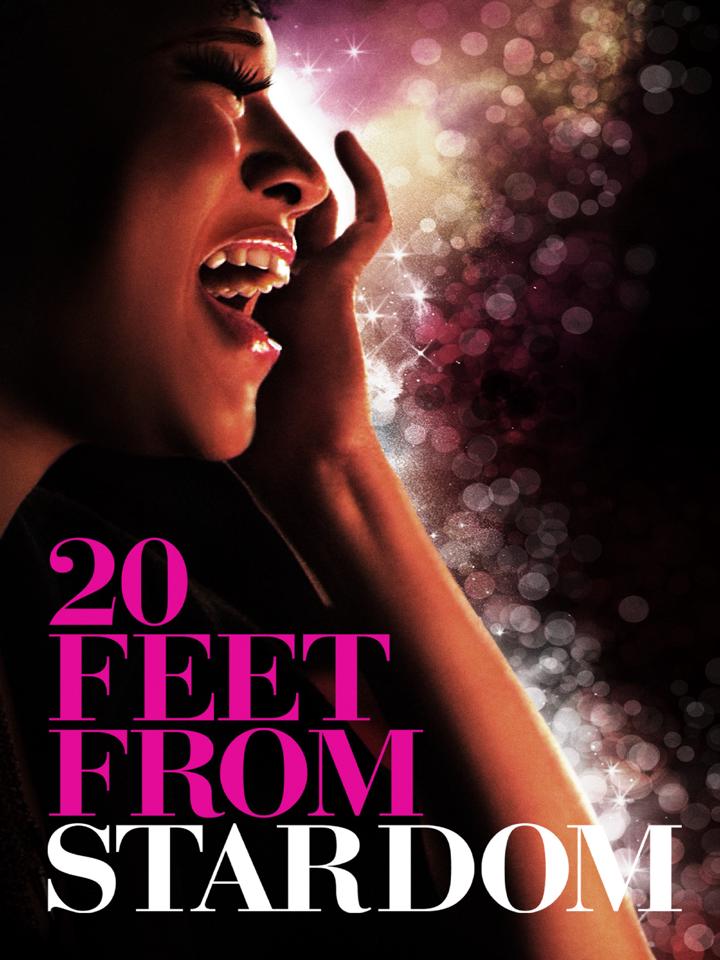
There’s something sneaky about how “20 Feet from Stardom” grabs you. You settle in expecting a jukebox nostalgia trip, but what you get is a surprising gut-punch documentary about the background singers who anchored some of pop music’s greatest moments. The premise is straightforward but the execution goes deep - you end up wondering how you could have spent a lifetime loving big hits without ever noticing the powerhouse voices just outside the spotlight. The real reason this doc works so well is its cast of unsung heroes. Darlene Love, Merry Clayton, Lisa Fischer: these women aren’t just talented, they’re magnetic. The movie lets them tell their stories, and you can sense the complicated emotions - the pride, the hurt, the resilience. It’s honestly brutal at times watching such gifts get filtered and overshadowed by the star system, and you get the sense of an industry that’s rarely fair. Stylistically, Morgan Neville keeps the pacing tight and unflashy. The archival footage is cleverly woven into new interviews, so it never feels like a history lesson - more like digging through a box of old photographs with a friend who has the best stories. There are moments where the film drifts into hagiography, and some interviewees (cough, Sting, cough) feel a little too pleased with themselves, but the focus always returns to the real stars: the backup singers. What surprised me most was how emotional this gets. Merry Clayton’s recollection of singing on “Gimme Shelter” genuinely hurts; you see every bit of the cost and joy of creating something iconic, only to get barely a footnote in the history books. The doc is smart enough not to resolve everything or to pretend success is just a matter of time and talent. It lets you feel the injustice without sledgehammering the point. My only gripe is the way the final act leans a tad heavy into sentimentality, but honestly, these women have earned it. If you’re a music fan - or just someone who wants to know what raw perseverance looks like - “20 Feet from Stardom” is easily worth your ninety minutes.
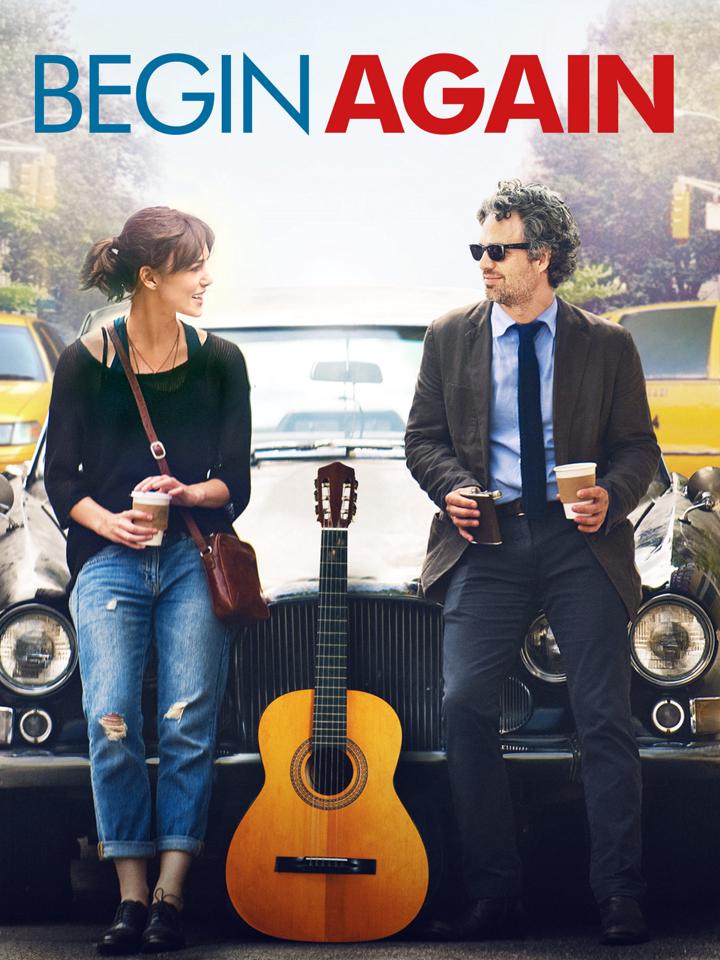
This one’s a hidden gem from John Carney, set in New York’s indie music scene. It follows Gretta (Keira Knightley), a songwriter, and Dan (Mark Ruffalo), a down-on-his-luck record exec. After an impromptu performance, they set out to record an album all over the city - literally, on rooftops, alleys, and parks. It’s about new beginnings, both creatively and emotionally, rather than the usual “make it big” narrative. What really charmed me is the low-key chemistry between Knightley and Ruffalo. It never tries to force a romance but lets their partnership develop as a kind of friendship/mentorship. Knightley’s singing isn’t powerhouse, but it’s honest and works for the character. Adam Levine even turns up as Gretta’s rock star ex, which is fun if a little on-the-nose with the “musician boyfriend” trope. Some of the movie’s best moments are its musical interludes - the city becomes this ever-present backdrop, almost like another character. The way they record songs guerrilla-style around New York gives the film a breezy, spontaneous feel. There’s one rooftop number at sunset that’s especially sweet, making you appreciate the raw, imperfect beauty of street music. It does drag here and there, especially in the middle when the personal dramas get a bit too predictable. Some characters (like Ruffalo’s family) could have used more fleshing out, and a couple of subplots don’t go anywhere. But it never gets bogged down for long - there’s always a new song or a quirky recording spot just around the corner. You would enjoy this if you’re into music movies that aren’t about superstars, but about creative people making stuff that matters to them. It’s got enough feel-good energy to make you smile, but with an indie sincerity that keeps it from turning cheesy. Perfect for fans of films like “Once” or small-scale music stories.
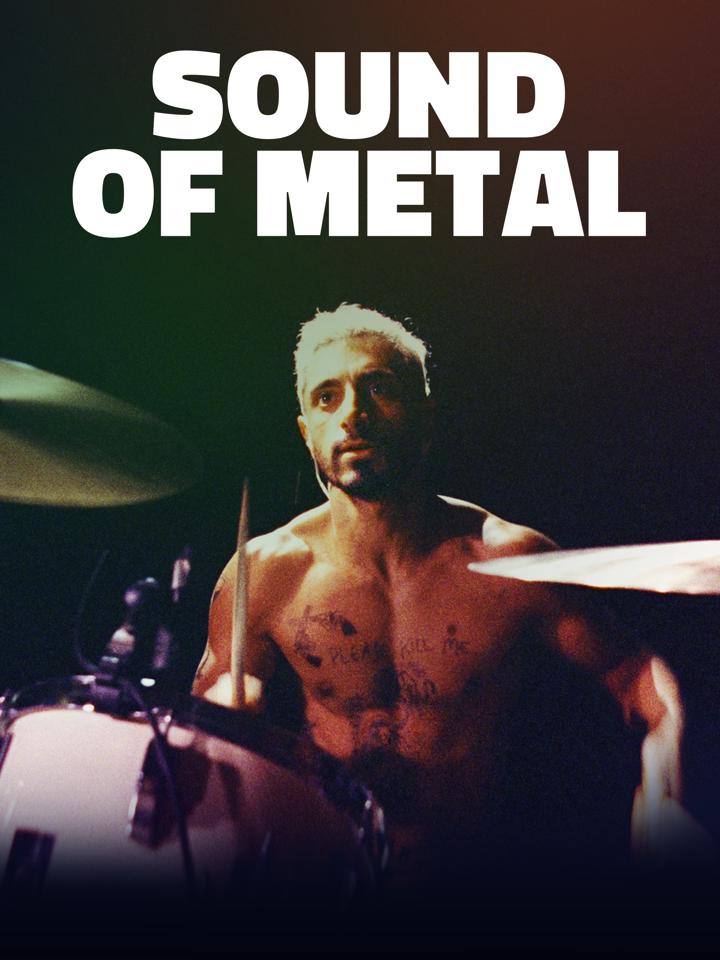
Sound of Metal follows Ruben, a passionate drummer in a heavy metal duo whose world is shaken when he suddenly loses his hearing. The movie does a fantastic job of drawing you into Ruben’s perspective - almost literally, with the way it uses sound design to let you experience the confusion and isolation he feels. It’s not just about music or hearing loss, though. It’s very much a story about identity, resilience, and finding new meaning when everything changes. One thing that really stood out was Riz Ahmed’s performance. He’s intense but never over-the-top, really making you feel Ruben’s panic and determination. The supporting cast, especially Paul Raci as Joe, brings a lot of warmth and subtlety, grounding Ruben’s journey in real human connection. There’s a tenderness in the way the film handles the deaf community and the culture Ruben finds himself in - it never feels patronizing or clichéd. Visually, the movie isn’t flashy, but its naturalistic cinematography fits the story perfectly. The handheld camera work and muted colors create a raw, lived-in feeling, almost like you’re watching a documentary unfold. It’s intimate and immersive, especially when the film toggles between the outside world’s noise and the muted, muffled experience Ruben is forced to adjust to. The technical choices really serve the story. If there’s anything that didn’t quite land for me, it’s that the pacing drags a little in the third act - after such an urgent beginning, the quieter moments start to feel slightly stretched. And although Lou, Ruben’s girlfriend and bandmate, is compelling, I wish we got a bit more of her point of view. Still, these are minor issues in an otherwise beautifully crafted film. You would enjoy this if you like character-driven dramas that explore big emotional shifts through intimate storytelling, or if you’re drawn to music-themed movies that don’t settle for clichés. It’s for anyone curious about what it means to start over when you least expect it - and how art and silence can both be transformative.
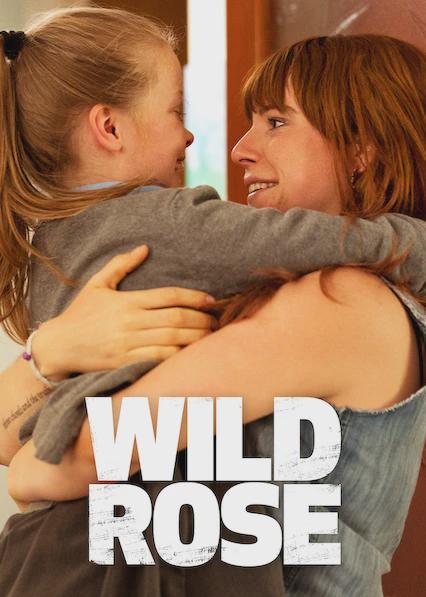
Wild Rose is a gem of a movie that follows a young Glasgow woman (played by Jessie Buckley) who dreams of making it as a country music star all the way in Nashville. The story isn’t just about music, though - it’s also about motherhood, personal ambition, and dealing with your past. What makes it stand out is how gritty and authentic it feels. You can almost smell the rain-soaked streets of Glasgow alongside the neon promise of Nashville. Jessie Buckley is really the heart of the film. She manages to sell every complicated emotion - hope, guilt, defiance, and joy - without ever hamming it up. Her singing voice is honestly incredible, too; the songs are performed live, giving some electric, raw moments that really stick with you. The supporting cast, especially Julie Walters as her mum, brings a lot of warmth and conflict that feels real and earned. One thing that didn’t fully land for me was the rushed pacing near the end. It felt like the story was building to something grand and then had to squeeze the payoff into too short a window. But the movie never loses sight of its heart. Some plot beats are familiar, but the setting and performances make them feel fresh. The way the film is shot is also beautiful - there's a lived-in, unfussy look to everything, with muted colors that reflect the lead character’s struggles and occasional bright bursts when the music takes flight. The live musical performances are shot in a way that puts you right in front of the stage with her, making you root for Rose even more. You would enjoy this if you love character-driven stories about chasing big dreams, especially if you like music movies that don’t sugarcoat reality. There’s a little bit of Once and a bit of Billy Elliot, if you’re a fan of those. It’s one of those movies where you end up rooting for someone flawed, and just maybe cheering up whenever she sings.

Imagine if you mashed together a classic coming-of-age story with British New Wave music videos, and tossed in a lot of heart - that's basically Sing Street. Set in 1980s Dublin, it follows a teenage boy who starts a band to impress a girl, but winds up discovering a real sense of purpose and creativity. The film gets the ache and awkwardness of being a teen just right, and the original songs are genuinely catchy (I've still got "Drive It Like You Stole It" on my playlist). What really stands out is how naturally the movie captures the thrill of making music with your friends, and the escapist joy it can bring during tough times. The dynamic among the band members (especially between the protagonist and his quietly supportive older brother) feels lived-in instead of forced. The depiction of family tension and growing up in a rough economic time adds realism that tempers the sweetness, so it never gets saccharine. If there's a flaw, it's that some supporting characters could use a little more depth, and the ending might feel a bit too fairy-tale for some. Still, if you love stories about bands, underdogs, and that moment you realize music can change your life, you'd really enjoy this. It's not just for people who grew up in the '80s - the vibe is universal.

If you’re even a little curious about the post-punk and rave explosion in Manchester, "24 Hour Party People" is an absolute trip. It’s a semi-chaotic, semi-true biopic that follows the rise (and spectacular chaos) of Factory Records through the eyes of Tony Wilson, played with equal parts smugness and charm by Steve Coogan. The movie darts from the birth of Joy Division all the way to the Hacienda club’s wild days, mixing archival and staged footage so smoothly you’re never sure what’s legend and what’s real. What stuck with me is how self-aware and witty it all is - there’s this ongoing wink to the camera that makes you feel in on the joke. The music, obviously, is phenomenal, and it’s paired with manic energy that never really stops. You won’t get a traditional, tidy biopic here - it's messy, inventive, and sometimes almost surreal, but that completely fits the era and culture it’s chronicling. Still, if you’re expecting a deep dive into any of the bands or a straightforward narrative, it might throw you off - some characters blur together, and the story jumps around quite a lot. But honestly, if you like your music histories with humor and style (and don’t mind a fair bit of myth-making), this is a really enjoyable watch. I think anyone who’s into ’80s and ’90s alternative music, or just loves seeing how wild creativity sometimes works, will have a blast.