
Browse our collection of mystery reviews and ratings.Showing 12 of 20 reviews.
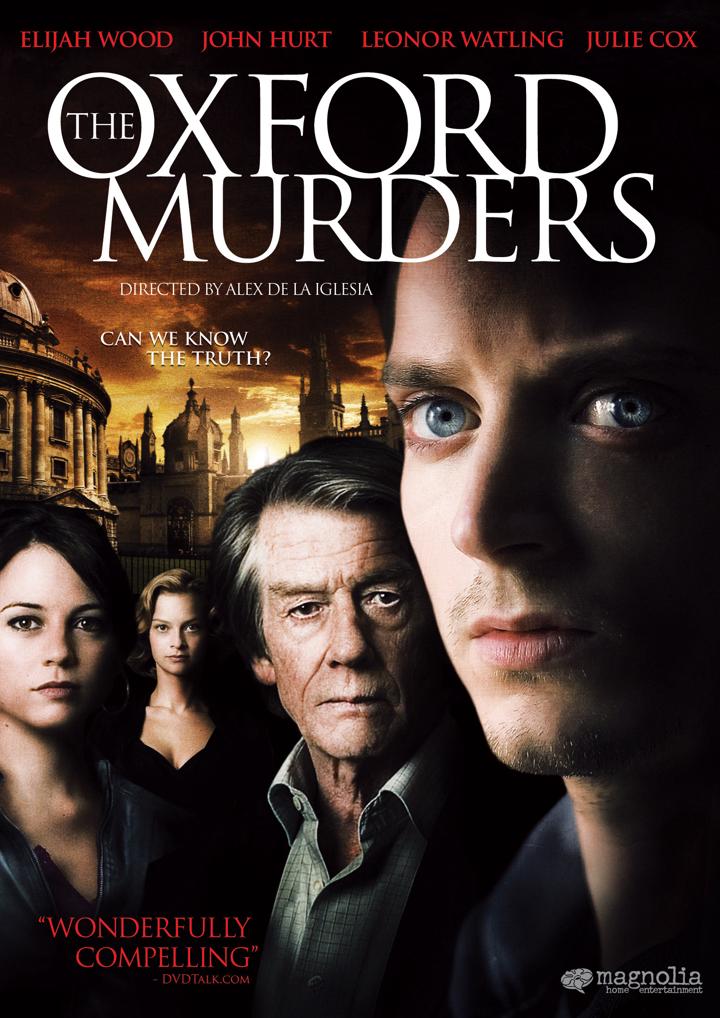
This is one of those twisty little mystery films that slipped under the radar for most people. It stars Elijah Wood as an American math student who arrives at Oxford, and quickly finds himself entangled in a series of bizarre murders alongside his eccentric professor, played by John Hurt. The story hinges on logic puzzles and mathematical riddles, giving it a distinctly cerebral vibe compared to your standard crime thriller. What really stood out to me is the way the movie uses intellectual banter and mathematical theory as part of its suspense — almost like the clues are hidden in lectures and conversations, not just in bloodstains and footprints. Elijah Wood is quietly intense, and John Hurt gives that wonderfully prickly performance he always seemed born for. Their chemistry makes the film’s slower spots feel enticing; it's like being invited to a cryptic, deadly game among scholars. On the downside, the plotting sometimes gets a bit too in love with its own cleverness. There are moments where the explanations of the mathematical puzzles feel heavy-handed, like the film is making sure you know how smart it is. If you aren’t that into academic debates, you might get a little impatient with the scenes that veer away from actual detective work. Some of the supporting characters are also written a bit thinly, which can make their motivations harder to buy. Cinematography-wise, the movie makes beautiful use of Oxford's old colleges and foggy courtyards; the locations do a lot of heavy lifting, and you really feel like you're wandering a thousand-year-old labyrinth full of secrets. The tone stays pretty moody and atmospheric throughout, which works even when the script wobbles a bit. The score is understated, letting the ominous quiet do its job. You would enjoy this if you like mysteries where puzzles are as important as plot, and you'd rather be challenged by dialogue than jump-scares. It's a good pick for people who enjoy something along the lines of The Name of the Rose or Da Vinci Code — but with less action and more academia.

Shining Girls is a gripping mystery series that stars Elisabeth Moss as a woman whose life is upended by a time-hopping serial killer. The premise is immediately intriguing—it's not every day you see a story combine crime investigation with reality-bending twists. The show strikes a haunting mood right from the start, and Moss anchors everything with her intense, lived-in performance. You really get the sense of her character being haunted, not just by trauma, but by the instability of her own reality. What really drew me in was the show's fragmented storytelling technique. Time slips, unreliable perspectives, and plenty of ambiguous details give every episode this tense, uneasy feeling. It’s a puzzle both for the protagonist and the viewer, and while it can sometimes be disorienting, it works perfectly for a story that’s as much about trauma as it is about solving a crime. That said, some of the middle episodes do feel a little slow, and the story's refusal to spell things out might annoy folks who want their mysteries more by-the-numbers. I personally liked the ambiguity, but I can see how it could be frustrating if you’re watching just for the crime-solving elements. The sci-fi aspects—though never fully explained—keep the show fresh, but I did wish for just a little more clarity on the killer’s motives and mechanics toward the end. Visually, Shining Girls is fantastic. Chicago comes across as both beautiful and ominous, and the directors use color and space to convey how distorted reality has become for the main characters. Some big set-pieces and smaller details (like recurring objects) really pay off if you’re paying attention. The supporting cast, especially Wagner Moura and Jamie Bell, add a lot without stealing focus from Moss. You would enjoy this if you like mysteries with an unusual, almost dreamlike edge—think along the lines of Twin Peaks or Dark. It’s not your average detective show, but if you enjoy cerebral, emotionally layered stories that make you work for the answers, Shining Girls is worth a shot.
This is a French mini-series that hinges on the sudden vanishing of a teenage girl, Léa, in Lyon. Right from the first episode, there’s a gripping tension that doesn't let up as her family and the police try to unravel layer upon layer of secrets. What I found especially intriguing is how every character feels like they could be hiding something; it keeps you constantly second-guessing your own theories. Visually, the show makes excellent use of urban France — it isn’t all pretty postcard Lyon, but rather a mix of everyday apartments, moody streets, and stark police offices that set the series’ anxious tone. The cinematography is subtle but effective, helping you feel both the intimacy of the family’s pain and the relentless pressure of the investigation. The storytelling is smart and deliberate, mostly favoring a real-world, procedural style over dramatic action. Sometimes it’s almost plodding in its patience, but the payoff is that when major revelations do hit, you realize how carefully clues were placed earlier on. I will say that in the middle episodes, the pacing does drag a little and the focus splinters a bit too much among the supporting cast. Acting-wise, the standouts are the actors playing Léa’s parents — they bring a rawness and unpredictability to their grief and suspicion that makes every conversation tense. The police investigators also have real chemistry; they feel more like real colleagues than plot devices. A few of the younger supporting characters aren’t as compelling, but the central performances keep the drama grounded. You would enjoy this if you like slow-burn, character-driven mysteries that lean more on emotional stakes than on shocking plot twists. Fans of The Missing or Broadchurch will feel right at home — but even if you haven’t seen those, this one is worth a try if you don’t mind subtitles or want something “realer” than most American mystery fare.
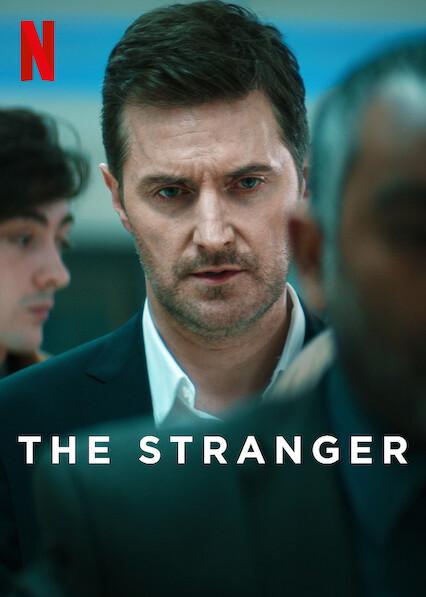
Let’s talk about "The Stranger" on Netflix, which kind of snuck onto the platform in early 2020 and lured me in on a lazy winter weekend. This is a British miniseries adapted from the Harlan Coben novel, and at first glance it seems like your typical suburban mystery. An unknown woman appears from nowhere and drops a bombshell secret in someone’s lap, ripping apart cozy family dynamics. It’s not a revolutionary premise, but the show injects it with so much tension and “what would I do?” intrigue that I found myself glued to the screen in a way I honestly didn’t expect. What immediately worked for me is the pacing. Traditionally, a lot of crime-mystery shows tend to stretch their plotlines to fill an episode quota, but "The Stranger" is tight — just 8 episodes, each with a proper cliffhanger. By episode two, you realize no one is safe (or honest) and the show is going to absolutely pile on the reveals. In lesser hands, this would feel convoluted, but here it mostly works. Each episode throws another wrench into the mix, whether it’s a surprising betrayal or a sudden body, and it keeps you anxious to find out what twisted bit of suburban drama you’ll witness next. Richard Armitage leads the cast as Adam Price, the everyman whose life gets derailed. Armitage is one of those actors who can play haunted and shell-shocked really well, so his steady unraveling feels very real. Opposite him, Siobhan Finneran as Detective Johanna Griffin is a low-key scene stealer. She manages to imbue a fairly standard detective archetype with warmth and surprisingly funny deadpan moments, especially in her exchanges with her partner. The casting overall is clever; there’s a real sense of community and interconnection even when everyone’s busy backstabbing each other. I have to give credit to the cinematography too. The color palette feels intentionally chilly — lots of muted blues and rain-slicked streets, which gives the whole thing a vaguely Menacing British Suburbs vibe. The mood never really lets up, which is both a strength and a slight weakness. It helps the tension, but at points it gets a little one-note. There were whole scenes where I wished they’d take a breather and let somebody crack a smile that wasn’t hiding a secret. What didn’t quite work for me was, ironically, the density of the plot twists. For a while, it feels like every single character is hiding something, and not all the subplots really land. A teenage prank storyline (involving hallucinogenic drugs and an animal) felt way too soap opera for my taste and distracted from the genuinely interesting central mystery. Some of the late-season reveals are more silly than shocking, and I rolled my eyes more than once when the script clearly bent over backward to keep a surprise going. Still, I think where "The Stranger" really excels is in the emotional fallout. The moments when characters are reeling from betrayals or forced to make life-altering decisions actually land. A particular sequence in a hospital room hits that raw nerve of realizing just how little you might actually know about the people closest to you. The show plays with that universal anxiety in a way that’s more unsettling than any of the actual crime. The tone is consistent — dark, jittery, sometimes bleak but rarely exploitative, thankfully. The show resists making the violence too graphic or the twists too mean-spirited, and it’s not about shock value for its own sake. You can tell Harlan Coben’s fingerprint is strong: every “oh my god” revelation is counterbalanced by a reminder that these are real people, not just chess pieces in a puzzle box. So is it perfect? Not really. I could have done with less busywork and more time spent exploring the characters’ actual motivations (a few supporting arcs kind of disappear), but it’s suspenseful and emotionally effective. It filled that "just one more episode" slot in my week. If you’re in the mood for a British suburban nightmare, it’s a solid pick that mostly avoids the genre’s lazier tricks. Disclaimer: you’ll probably sleep with one eye open.
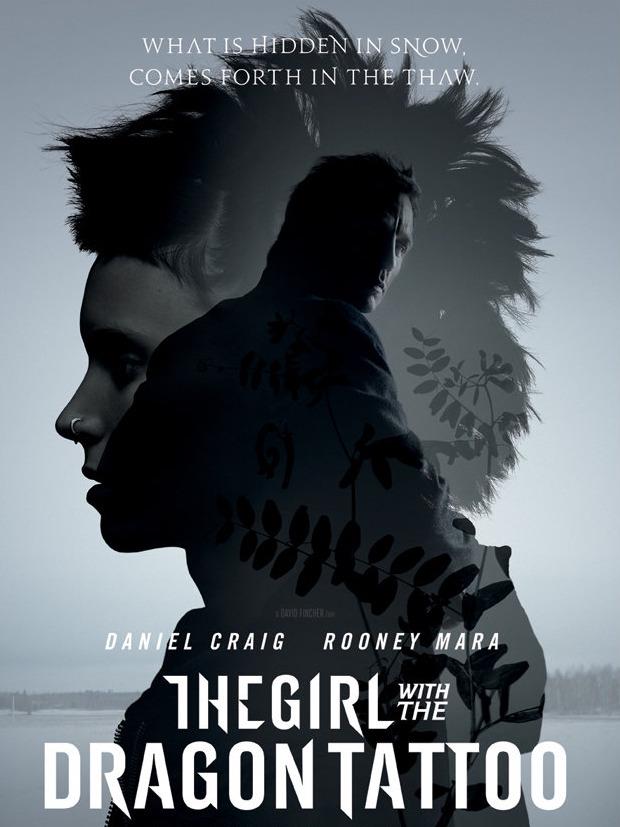
Let’s talk about David Fincher’s The Girl with the Dragon Tattoo, which is technically a Hollywood remake of the Swedish film but somehow manages to stand on its own feet. It’s based on Stieg Larsson’s mega-popular novel, which you’ve probably spotted in at least three airport bookstores. Rooney Mara slips into the role of Lisbeth Salander with a kind of alien confidence. You can’t look away from her — half of the mystery here is just trying to figure out what makes her tick. At its core, the movie is about a disgraced journalist (Daniel Craig, dialed way down from his James Bond energy) and a brilliant hacker diving into a decades-old disappearance case involving a twisted, filthy-rich Swedish family. The classic murder mystery setup is there, but in Fincher's hands, it picks up a cold, clinical sheen. You feel like you’re inside a snow-globe version of Sweden, with every window frosting over. Cinematographer Jeff Cronenweth brings that icy aesthetic to life; the entire movie feels coated in blue and grey. There is not a single warm frame. As a mystery, the film is layered and labyrinthine. The plot constantly dangles clues just out of reach, and Fincher lets moments breathe instead of rushing to the next revelation. It feels like he trusts the audience to keep up. The downside: the pacing drags a bit in the middle. I get that we need to see all the red herrings being tossed around, but some sections, especially the long exposition scenes, could’ve used a little tightening. There are times where you find yourself mentally pleading for the plot to kick into gear. Rooney Mara’s performance is the heart of the film. She plays Lisbeth like she knows how to hurt and how to disappear at the same time. I remember being genuinely startled by her presence — the awkward silences, the sharp intelligence behind her hollow-eyed looks, those tiny flinches in moments when most actors would go big. Daniel Craig, meanwhile, has the tricky task of being the audience’s proxy, and he plays it straight, maybe a bit too straight? He’s almost neutral to a fault, with Mara pulling most of the emotional weight. The supporting cast, including Christopher Plummer as the haunted patriarch, is solid and occasionally steals scenes. What’s more, the film doesn’t flinch at showing the darkness inside the glossy surface. Some moments are genuinely tough to watch. Fincher isn’t shy about the violence and trauma in the story, and I think it’s a fair warning: do not watch this expecting easy popcorn thrills. It’s heavy, sometimes grimy. The score by Trent Reznor and Atticus Ross is one of the high points for me. Industrial clangs and ghostly echoes creep in at just the right moments. The opening credits alone are such a jolt — it’s a sequence that makes you want to sit up straight, foreshadowing what’s to come. They blend menace and melancholy, making every frame feel one second away from disaster. The big flaw, I’d say, is that for all its style and nerve, the film can feel emotionally distant. There are moments when you feel the chill and not much else. Lisbeth’s personal story, which should cut deepest, sometimes gets buried under the procedural plot. I found myself wanting more of her world and less corporate family drama. Still, when the film finally snaps all the puzzle pieces together, it’s gratifying and sickly satisfying in equal measure. By the time the credits roll, you’ll probably feel both bruised and a little bit awed. The Girl with the Dragon Tattoo is gripping and dense, sometimes repellent, but it’s never dull. It’s a hard film to love, but an easy one to respect.

This is one of those movies that slipped under the radar for a lot of people, even though it really shouldn’t have. Gone Baby Gone—Ben Affleck’s directorial debut—lands hard in the gritty corner of Boston and never lets go of its edge for a second. The story is based on Dennis Lehane’s novel, and it kicks off when a little girl goes missing from her tough neighborhood. Private investigators Patrick (Casey Affleck) and Angie (Michelle Monaghan) are brought in by the family to help the cops. What unfolds is less about the whodunit and more about the cost of finding the truth. Affleck shoots Boston with the eyes of someone who actually grew up there. It’s unvarnished, almost ugly at times, but in a way that feels honest. Every street corner looks lived-in. You can smell the cigarettes and spilled beer. That kind of atmosphere isn’t just backdrop either—it’s a character, shaping every decision the people in this movie make. The film avoids that touristy Southie glow that Hollywood sometimes slaps on. Instead, it makes you feel like you’re really walking those mean streets. Casey Affleck is an odd choice for the lead. He’s got this soft, kind of almost awkward vibe that doesn’t scream tough guy. Somehow, though, it just works here. His Patrick is quiet and polite, but the steel underneath shows in the film’s big moments. Michelle Monaghan, as Angie, doesn’t get as much to do, and that’s honestly one of the weak spots. The script kind of sidelines her character and leans a bit too heavy on the familiar “brooding male investigator” trope. The cast around them is stacked. Ed Harris and Morgan Freeman both show up and just do the thing they always seem to do—give that sense of “this is the real deal, pay attention.” Harris especially never turns his Boston cop into a caricature. I kept expecting some clunky attempt at the accent or mannerisms, but it never crossed the line. His performance in the last stretch of the movie hits especially hard, even if his character treads close to cliche at times. What really lingers is the film’s moral ambiguity. This isn’t a story with clean answers, which might explain why it left me thinking about it days later. Every time you think you know what’s right, the movie flips the table. The ethical questions running through the story are complicated and raw. There’s a pivotal choice at the end that I still argue with myself about. A lesser movie would have picked a side or wrapped things up in a neat bow, but Gone Baby Gone leans into all the discomfort. Pacing-wise, things stumble in the middle. There’s a stretch where it feels like the characters (and, honestly, the film itself) are stuck, not really moving forward or deepening. It never drags enough to get boring, but there’s some bagginess. Once the final act clicks in, though, it’s almost relentless, and the tension hits that “jaw clench” level where you forget to breathe for a bit. Visually, the movie keeps things simple. There’s not a bunch of fancy camera tricks or moody lighting setups. It trusts the story and the actors. But that rawness in the cinematography gives it a kind of documentary flavor. You get close-ups that don’t flatter, and wider shots that show just how small and trapped everyone is in this crumbling cityscape. It’s not showy, but it fits the movie’s blue-collar bones. For me, the biggest plus is how the film doesn’t try to be “cool” or overcomplicated. The mystery unravels in a way that feels earned, not forced, but it does waver with a couple of overly convenient plot turns. Still, the emotional punch at the end just lands. Gone Baby Gone isn’t the kind of mystery you’d call “fun” or “entertaining,” but it’s the sort that actually gnaws at you. That’s a rare thing these days.
There are few mystery thrillers from the 21st century that land with as much icy precision as David Fincher’s The Girl with the Dragon Tattoo. Part of this is the cold Swedish setting, which feels as frigid as the vibe between most of the Vangers in this twisted family saga. But it’s also about Fincher’s laser-focused direction. He takes Stieg Larsson’s international best-seller and refuses to treat it like mass-market pulp, giving it prestige-level polish - even when the story gets grimy. Rooney Mara is basically unrecognizable as Lisbeth Salander, which you’ve probably heard before, and yeah, it’s deserved. The way she inhabits the character doesn’t feel like an actor putting on quirks; there’s a real sense of someone permanently at odds with the world. Daniel Craig is almost subdued by comparison, trading in James Bond for a scruffy, less-confident Mikael Blomkvist. Their dynamic is awkward and chilly for most of the film, but the tension is both uncomfortable and oddly magnetic. What really makes this adaptation work is its atmosphere. Fincher’s style - moody lighting, precision editing, a soundtrack that feels like a cold breath on your neck - gives the film an unshakeable sense of dread. When you’re combing through decades-old photographs alongside Blomkvist, every click of the projector feels loaded. Even the moments of downtime feel tightly wound, thanks to Atticus Ross and Trent Reznor’s score, which fits the film’s mood like a black leather glove. The mystery itself is dense but not confusing, which is hard to pull off. The film respects your intelligence; you’ll actually need to pay attention to keep up, which I appreciate. It doesn’t hold your hand, and I love that Fincher trusts the audience to piece things together. That said, the movie is not perfect. It drags in the third act, as Fincher tries to tie up all of Larsson’s many plot threads. Some scenes feel like they’re adding unnecessary weight, especially after the big revelations. It stays with you in a way I’m both impressed by and a little troubled by - there’s some seriously disturbing content here, which isn’t always handled gracefully. Still, if you’re craving a mystery that treats you like an adult and does not shy away from darkness, this is as sharp and immersive as they come. I wouldn’t call it an easy watch, but it’s one you’ll remember whenever someone starts going on about “Scandi-noir.”
Let’s talk about The Night Of, HBO’s moody miniseries from 2016. It’s based on a British show (Criminal Justice), but the New York setting gives it a grit and bleakness I haven’t felt in a crime drama in years. The premise: a shy young man (Riz Ahmed) wakes up in bed next to a dead woman and gets swept into the criminal justice system. Sounds straightforward, but it’s way messier and more hypnotic than your standard whodunnit. Right away, the show’s pace is glacial. In a good way. I never felt rushed, but I did feel constantly unsettled. Each scene lingers just a little too long, dragging out the awkward silences in police interrogation rooms and dingy holding cells. There isn’t a single car chase or shootout. Instead, the tension comes from things like paperwork and guard slumps. It’s procedural, but feels almost existential. What hooked me most was the acting. Riz Ahmed is all twitchy uncertainty, and John Turturro as his eczema-ridden lawyer is the definition of “guys who peaked on Law & Order, but now have to hustle for clients.” The supporting cast - Michael K. Williams especially - brings lived-in weariness to every frame. Even minor characters, like jaded corrections officers, feel like people you’ve met and instantly wanted to avoid. Visually, it’s not showy, but the color palette is all yellowed lights and grime-smudged glass. There are long, wordless stretches where you feel the characters’ anxiety strangling the room. The cinematography adds weight to the suffocation, like when you realize how tiny and claustrophobic a police precinct actually feels. As much as I love slow burns, a couple of episodes in the middle feel a little padded, like the writers weren’t sure if they should pull the trigger on certain plot points yet. The actual mystery is a bit of a red herring, too - don’t expect some earth-shattering twist. It’s much more about the process and the collateral wreckage done to real people. If you want closure, this might leave you gnawing at your cuticles. When it’s at its best, The Night Of is less about “Who did it?” and more about “Who gets crushed by the system?” It has moments that hit like a sledgehammer (the finale stays with you), but it’s the slow, spiraling descent into despair that makes it great. It’s not flawless, but it’s riveting and honestly kind of exhausting - in a way that works.
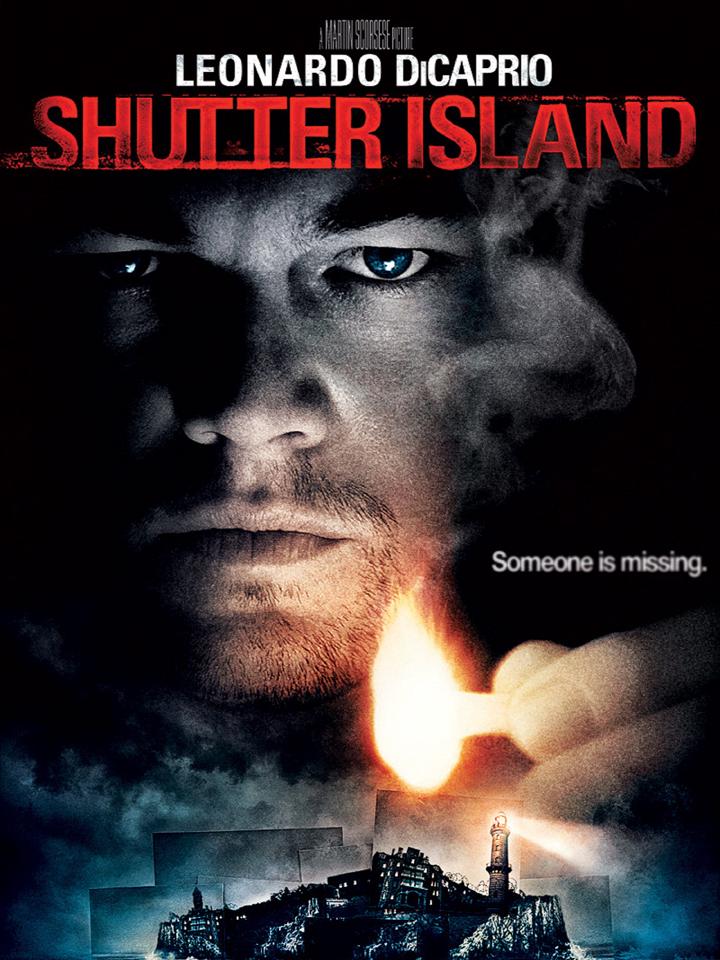
Shutter Island is one of those films that I can’t help revisiting every couple of years, just to see if I missed something the first time around. DiCaprio plays Teddy Daniels, a federal marshal investigating a missing patient on an island that hosts a mental institution. It’s the kind of movie that gives you plenty to chew on but doesn’t spoon-feed anything, which I appreciate. Martin Scorsese directs with his usual flair, keeping things tightly wound and slightly surreal. The tone is unsettling from the beginning. Even the wide shots of the island feel claustrophobic, which is impressive. There’s a constant sense that something is itching under your skin, and the way Scorsese uses the soundtrack and lighting ramps up the paranoia. I remember being genuinely on edge through most of the movie, and honestly, that doesn’t happen often. What really stood out this time was the cinematography. The color palette is bleached and washed-out, making everything look dreamlike and eerie. There’s one tracking shot when Teddy first walks through the hospital’s main ward - you get all these silent, withering glances from patients - that’s just loaded with tension. It’s the little visual details like this that make the film work even when parts of the plot get twisty for twisty’s sake. Still, the middle third drags a bit. There’s a lot of “clue collecting” and flashback sequences that start repeating themselves. I get that it serves the story, but it feels a bit indulgent. I found myself wishing the editors tightened things up, especially on a rewatch. Not every puzzle piece feels necessary. Performance-wise, DiCaprio is completely in the zone here. He goes all in on the unraveling-cop routine, especially in scenes with Mark Ruffalo and Ben Kingsley. Michelle Williams is haunting in only a few scenes, but she makes them count. If you’re looking for bombastic action or clean answers, this is not the film for you - Shutter Island leans hard into ambiguity, and you have to live with not knowing everything. When the credits roll, you’re left unsettled but satisfied, like you’ve just closed a book with a perfectly ambiguous ending. It’s stylish, moody, and just unhinged enough to stand out from typical mystery fare. Not a perfect film, but one that lingers, and I love that.
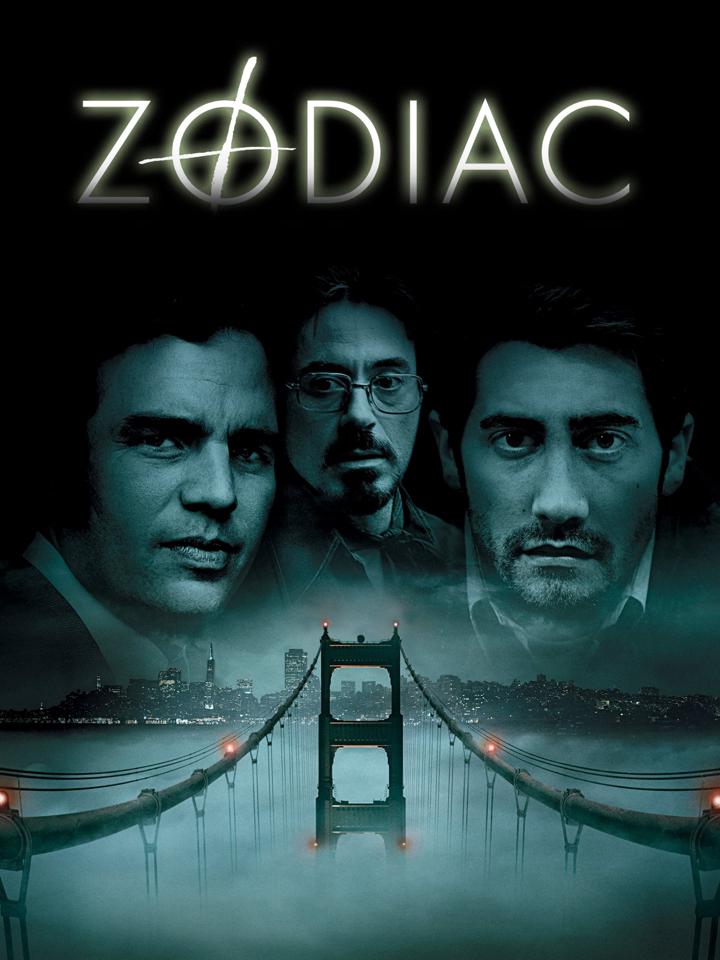
David Fincher's "Zodiac" is one of those films that feels pretty clinical at first, then slowly hooks you with an obsessive chill that creeps up on you. Set in San Francisco amid the Zodiac killings of the late 1960s and 70s, it follows a newspaper cartoonist (Jake Gyllenhaal), a hard-edged reporter (Robert Downey Jr.), and a weary cop (Mark Ruffalo) whose lives spiral as they try to crack the identity of the elusive murderer. This isn’t your typical serial killer movie filled with jump scares or over-the-top confrontations. It’s steady and relentless, much like the case itself. What stands out most here is the mood. Fincher’s polished direction turns newsrooms and city streets into spaces thick with anxiety. There’s this tint to the cinematography - sort of gloomy and anxious, like the actual fogged-in feeling of not knowing. He’s also incredibly patient, letting scenes hang for just long enough that you start noticing how jittery everyone is. No swelling music cues, no dramatic monologues. Just raw, lived-in tension. The acting is top-shelf across the board. Gyllenhaal plays the guy who just can’t let it go, slowly unraveling but never tipping into melodrama. Downey Jr. is magnetic as always, bouncing between cocky charm and brittle exhaustion. Ruffalo’s detective is the real backbone - dogged and skeptical, sometimes frustrated to the point of muttering, but never cartoonish. There’s one scene where he simply says “I’m tired of this” in a coffee shop and, honestly, it lands with so much weight that you feel it in your own gut. If there’s a downside, it’s the pacing. The film is long - like, ‘don’t watch it if you’re sleepy’ long - and it doesn’t care about resolving things quickly because, well, nothing in the real case ever resolved quickly. For some, that’s going to be frustrating. For me, it made the experience feel authentic; the endless red herrings and blind alleys become a kind of punishment for everyone on screen. But you have to be in the right mood for it because this movie is allergic to catharsis. Not everyone will love the way "Zodiac" eschews easy answers. Instead of righteous closure, you get obsession stretched past the breaking point, and a story more about what the case does to the people than about the killer himself. It’s not always satisfying, but it’s honest. Still, if you go in expecting a puzzle you’ll never solve, it becomes kind of mesmerizing. "Zodiac" is a rare mix of brainy, chilly, and emotionally bruising. Even if you know all the facts, you’re still left staring at the final frame with a weird sense of unfinished business.
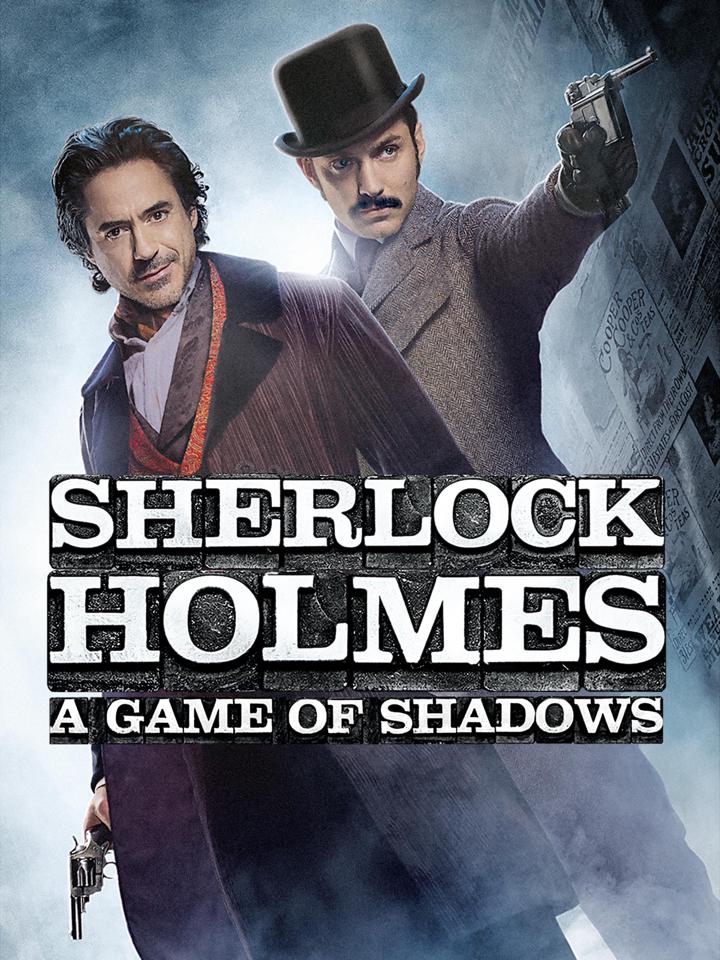
If you liked the first Guy Ritchie take on Sherlock Holmes, you’ll probably have a blast with A Game of Shadows. This sequel amps up the action and brings Holmes and Watson on a European adventure, pitting them against the notorious Professor Moriarty. The plot is a bit of a whirlwind at times, but it’s mostly an excuse for banter-filled scenes and high-stakes chases. I’ve got to say, Robert Downey Jr. and Jude Law still make a fantastic Holmes-Watson duo - their chemistry is sharp as ever. Both actors seem to be having fun, which makes their friendship feel real and keeps things lively, even when the story gets overly complicated. Jared Harris as Moriarty is deliciously creepy and makes for a great counterbalance to Downey’s eccentric Holmes. The film isn’t perfect, though. The plot, involving international intrigue and elaborate schemes, gets a bit convoluted and sometimes feels like it’s just there to move the characters from one action sequence to the next. Some of the supporting characters, like Noomi Rapace’s Simza, don’t get much to do, and I honestly wished for a bit more emotional depth. Where A Game of Shadows really shines is in its visuals and frantic, trademark Guy Ritchie style. Those slow-mo battle scenes, quirky camera angles, and quick-cuts are all back, making even the most predictable moments feel dynamic. The period sets and costumes are also a treat - you do get swept up in the world, even when the story falters. You would enjoy this if you like fun, twisty detective stories with a heavy dose of action, or if you’re just here for clever banter between leads. It’s not the most faithful Sherlock adaptation, but it’s a high-energy popcorn movie that doesn’t take itself too seriously.
Shimmer Lake is a twisty, crime-driven mystery that unfolds its story in reverse. Set in a sleepy American town, the film opens with a messy bank robbery and tracks backward over several days to piece together what really happened. The reverse chronology kept me guessing, as each new day revealed a little more about the motivations and secrets of the quirky residents. It has this darkly comedic tone - think Coen Brothers, but with a lower budget and a bit more grit. What stood out most for me was the cast: Rainn Wilson, often pigeonholed as Dwight from The Office, plays a gruff and morally ambiguous character that’s genuinely refreshing. Benjamin Walker plays the calm and persistent sheriff at the center of the drama, and I enjoyed his understated performance. The way the story is structured means you have to pay attention early on, because even throwaway details become important later - er, earlier. There are some fun cameos, too, like Ron Livingston and John Michael Higgins, who add quirky energy. On the flip side, the movie sometimes feels a bit restrained by its indie roots - certain scenes that should land emotionally don’t quite hit as hard, and the pacing can be uneven in the middle. The dialogue can be a little wooden at times, but the clever, looping structure makes up for a lot of its flaws. It’s definitely more about tension and mood than big action sequences. Cinematography-wise, Shimmer Lake isn’t flashy, but it uses its rural, autumnal setting well. The atmosphere is thick with small-town secrets, and there’s a washed-out palette that enhances the noir vibes. The reverse storytelling keeps you on your toes - just when you think you get a character, the next scene (set the day before) recontextualizes everything. It’s fun to try connecting the dots as you watch the puzzle come together in reverse. You would enjoy this if you like twisty mysteries with a little dark humor, or if you're a fan of stories about morally grey characters in offbeat towns. It isn’t a perfect film, but it’s clever and keeps your brain engaged. Perfect for a night in when you’d rather watch something under-the-radar but rewarding.