
Browse our collection of thriller reviews and ratings.Showing 12 of 21 reviews.
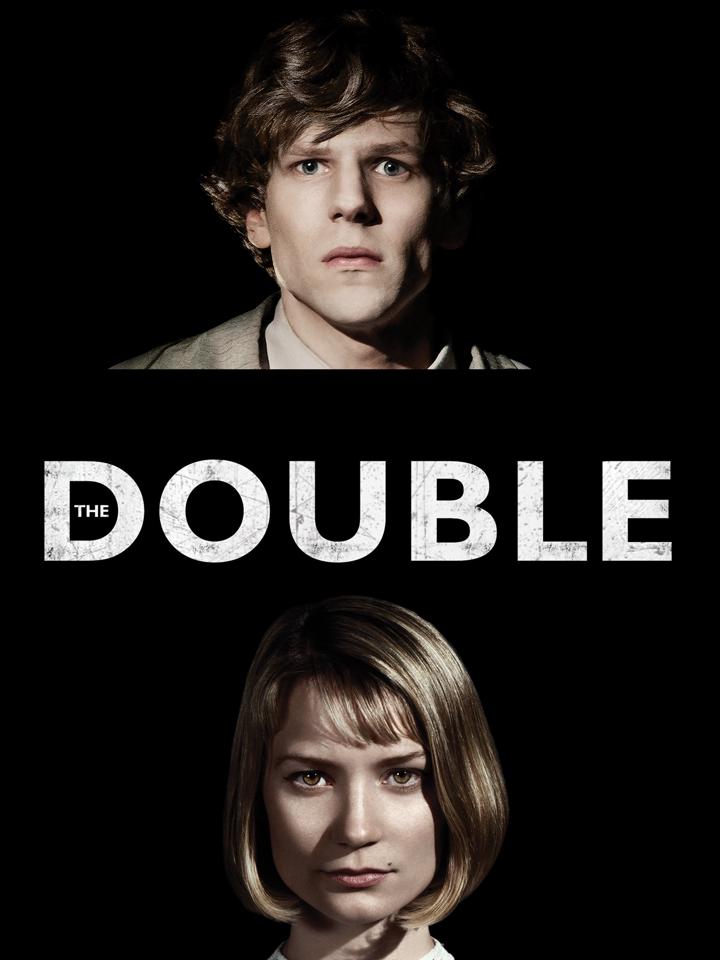
This 2013 thriller, directed by Richard Ayoade, is a strange and stylish adaptation of Dostoevsky's novella, but with a surreal modern twist. It stars Jesse Eisenberg in a dual role — he plays Simon, a meek office drone overlooked by just about everyone, and also his doppelgänger James, who is charming, confident, and slowly takes over Simon's life. The movie is set in a bizarre, retro-futuristic world that almost feels like a Kafka story filmed through a Terry Gilliam lens. The atmosphere is hands down the best part of The Double. The cinematography is deliciously gloomy — think washed-out colors, ugly fluorescent office lighting, and an ever-present sense of claustrophobia. I was pretty floored by how much visual storytelling there is; nearly every frame feels meticulously designed to make you squirm just a little. There's a droning, offbeat score, too, which adds to that feeling of creeping unreality. Eisenberg honestly nails both roles so well that I kept forgetting they were the same actor. Mia Wasikowska is quietly great as the love interest, making her character more than just an object of Simon's affection. The supporting cast is full of those "Oh, I know that face!" British actors, and they all lean into the deadpan, almost cartoonish horror of Simon's world. The dialogue, while sometimes intentionally stilted, manages to do a lot with a little. My only complaint is that the movie's chilly style sometimes makes it hard to connect emotionally. It's such a specific, oddball world that you have to be in the right mood to let it wash over you. The story gets a bit muddled in the final stretch, too — if you want clear answers and neat resolutions, this won't be your cup of tea. You would enjoy this if you like dark, cerebral thrillers with a lot of visual flair, or if you dug movies like Brazil, Enemy, or Synecdoche, New York. It’s perfect for anyone who likes their thrillers less about chases or fights and more about anxious, weird atmosphere and identity crises. Definitely watch it if you want something off the beaten path that’ll stick with you.
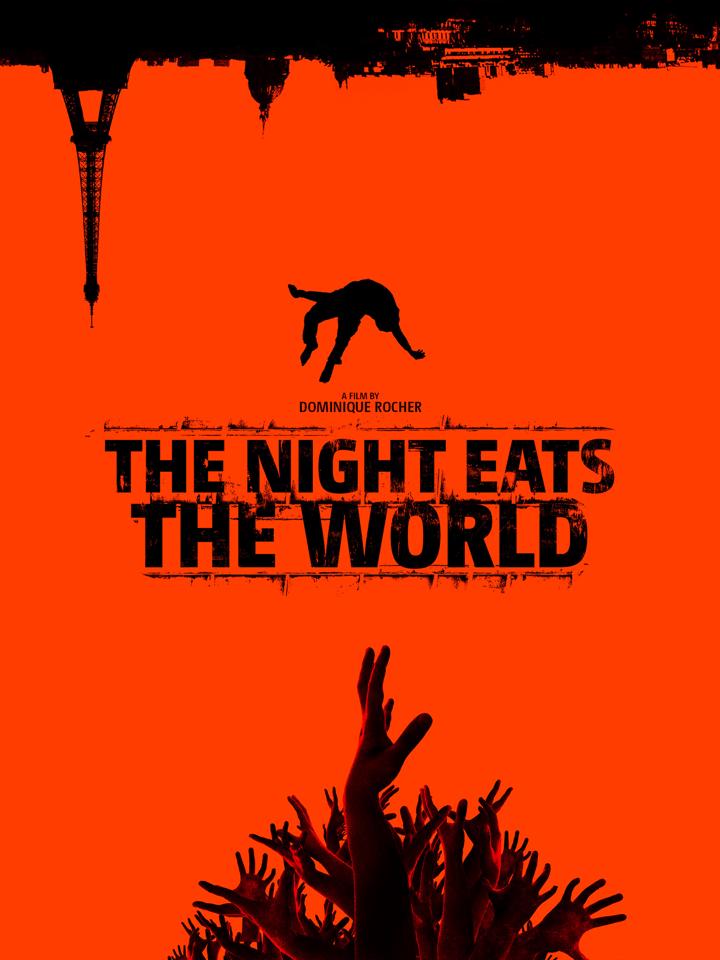
This is a French thriller that landed quietly back in 2018, and I feel like it flew under a lot of people's radars. "The Night Eats the World" follows Sam, who wakes up after a party in Paris only to realize the world has basically ended while he was out—zombies have taken over, and he’s completely alone in a locked apartment building. The setup is eerie and lonely, and right from the opening scenes, you get that sinking feeling of isolation that’s almost suffocating. It isn’t your usual zombie movie; it’s quieter and a lot more focused on what it’s like to be the last one left. What really stands out in this one is how much the director leans into atmosphere and suspense. There’s hardly any dialogue for big chunks of the film, and the silence is oppressive—you start noticing every creak and groan of the old building just like Sam does. The feeling of being trapped is so palpable, and the film makes really clever use of sound (or the lack of it). It’s a slow burn, but I never found it dull; it feels more like an existential thriller than pure horror. One thing that doesn’t land for everyone is just how minimal the movie is. The plot is razor-thin on events—more about watching Sam adapt and slowly unravel, rather than big, dramatic set pieces. I think that’s a deliberate choice, but if you want action or heavy plot twists, this might not scratch that itch. Also, the pacing can almost stall at times. Still, it nails the dread in those empty hallways and the psychological stress of waiting for something—anything—to change. Anders Danielsen Lie, who plays Sam, is really great here. He has to carry almost the entire film, and so much of his performance is just body language and facial expression. There's just enough of other people and flashbacks to flesh things out, but it really is a one-man show. Visually, it’s not flashy but it’s haunting—the depopulated Paris feels almost more dangerous than the zombies. You would enjoy this if you like thrillers that lean hard into mood and isolation, or if you’ve ever wanted a more introspective and realistic spin on the post-apocalyptic story. If you liked things like "28 Days Later" but wished they were quieter—or if you just want something different from the usual endless zombie onslaughts—this is worth a try.
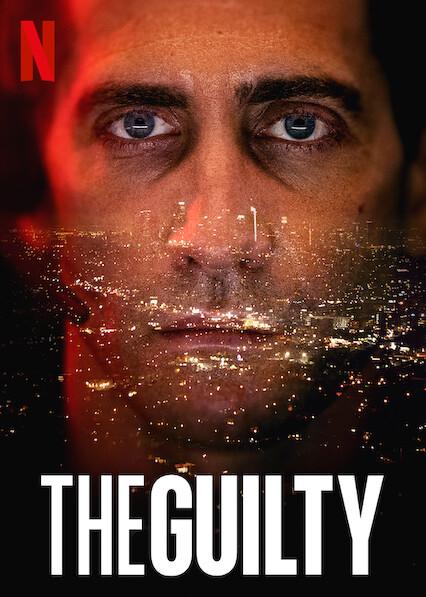
Have you ever seen a movie that keeps you locked in suspense, even though it never leaves a single room? "The Guilty" is a Danish thriller (there’s also an American remake, but the 2018 original is where it’s at) about a police officer working at an emergency call center. The entire film unfolds in real time, as he tries to help a kidnapped woman over the phone. It’s a testament to just how gripping dialogue, sound design, and facial expressions alone can be. What drew me in immediately was how tense and claustrophobic everything feels. The main character, played by Jakob Cedergren, barely moves from his headset, but his reactions and the way his voice changes had me hanging on every word. There are no action scenes or big shootouts—just one man, a phone, and a handful of panicked callers. It’s incredible how much the movie relies on your imagination to fill in the gaps, using minimalism as its greatest weapon. That said, there are moments where the one-location setup can feel a bit stifling. If you crave visual variety or fast-paced movement, you might get fidgety after a while. Occasionally, the plot leans a bit hard on twists that feel more like shocks for the sake of their own impact rather than natural conclusions. Still, the story is surprising and effectively unravels in ways that kept me guessing. Cinematography-wise, it’s all about close-ups—faces tight with anxiety, flickers of doubt and realization crossing the main character’s eyes. Even though the setting is bland (just a police office late at night), the mood is thick with dread and urgency. The sound design is top-notch, especially the way phone calls are layered with background noise that hints at danger we never see. You would enjoy this if you’re into character-driven thrillers that make a lot out of a little. If you liked movies like "Locke" or even "Phone Booth," or if you just want something taught and original that doesn’t need car chases to be gripping, this is worth your time.
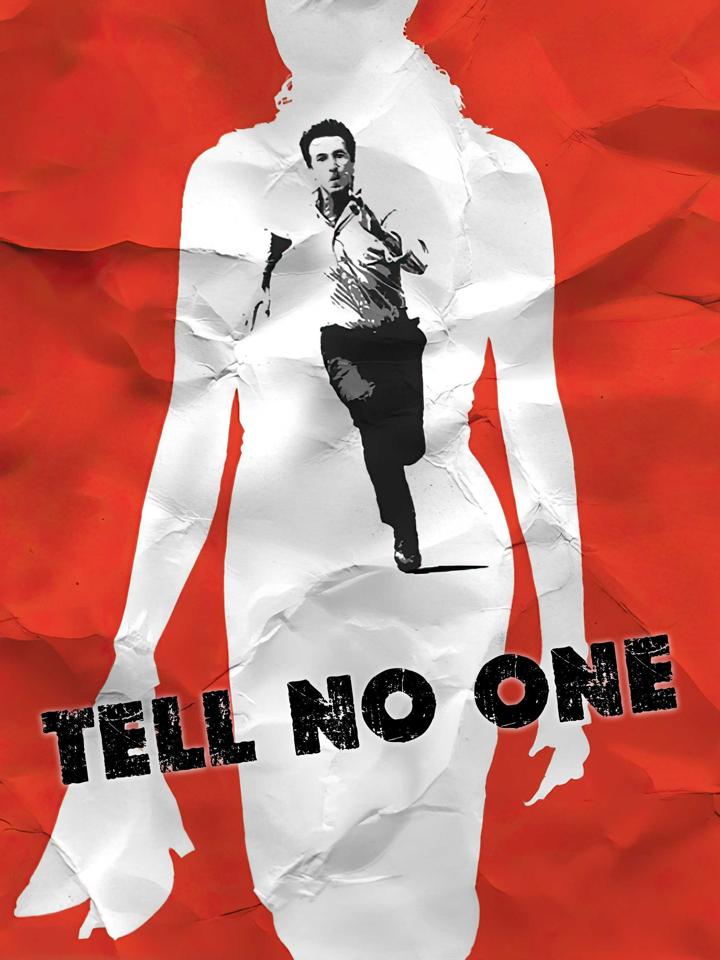
"Tell No One" is one of those French thrillers that really grips you from the opening scenes, even if you’re not familiar with the novel it's based on. The movie centers around Alexandre, a pediatrician whose wife was supposedly murdered eight years ago—until he suddenly gets a mysterious email suggesting she might still be alive. That initial premise kicks off a fast-paced and often unpredictable rollercoaster of twists, paranoia, and emotional turmoil. What stands out is the emotional intensity. The film spends real time with its characters, making you care about Alexandre and his loss before turning the tension up. The chase sequences are exhilarating in a very grounded, messy way—there’s a foot pursuit through Paris that’s more breathless and sweaty than slick action. That sense of realism makes the stakes feel even higher, and the stakes do get high for everyone involved. Not everything lands perfectly. Sometimes, the supporting characters (especially the peripheral detectives and gangsters) are a little thin or conveniently written, popping up just to move the plot along. And the big mid-movie info-dumps can feel overwhelming if you’re not paying close attention. But honestly, the pacing and suspense more than make up for those hiccups. Visually, the film is stylish without being showy. Director Guillaume Canet gives Paris a slightly melancholic, muted look that matches Alexandre’s confusion and grief. The performances are spot-on: François Cluzet is phenomenal, selling roughly twenty different varieties of panic, sadness, and determination. Kristin Scott Thomas (in a supporting role) is her usual fantastic self. You would enjoy this if you like thrillers with a touch of melancholy, intricate mysteries, and aren’t afraid of a twisty plot that demands attention. It's ideal for fans of "Gone Girl" or "The Girl with the Dragon Tattoo," but who don’t mind reading a few subtitles along the way.
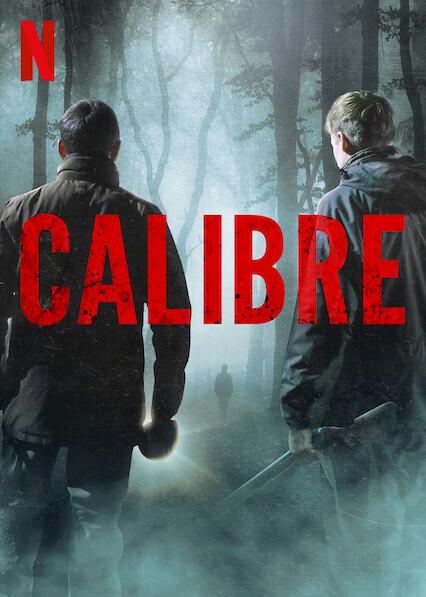
Calibre is a Scottish thriller that slipped under a lot of people’s radars when it landed on Netflix in 2018. The movie follows two old friends, Vaughn and Marcus, who head out for a hunting weekend in the Scottish Highlands—and things spiral out of control after a single, harrowing moment in the woods. It’s incredibly tense, right from the opening scenes, and the movie gets darker and more claustrophobic as the pair try to deal with the consequences of their choices. What really stood out to me is how grounded and real everything feels. The script doesn’t rely on cheap twists or cartoonish villains—just ordinary people caught up in a nightmare, surrounded by close-knit locals who get more suspicious by the hour. The sense of isolation, both physical and emotional, is cranked up by the setting: misty forests, small pubs, and wide stretches of wilderness that feel both beautiful and menacing. Jack Lowden and Martin McCann are both fantastic, giving performances that make you squirm for their characters, even when you don’t agree with what they’re doing. The supporting cast, especially the townsfolk, bring a gritty authenticity that grounds the story. There isn’t a weak link here—everyone is completely believable, which only raises the suspense. If I had to nitpick, the second act drags just a touch, and the relentless tension might be a bit much if you’re looking for something lighter or more conventional. This isn’t a popcorn thriller with big action sequences; it’s an exercise in dread, with a payoff that had me thinking about it for days. The cinematography underscores that, using the bleak Scottish landscape as almost another character in the film. You would enjoy this if you appreciate slow-burn thrillers with moral gray areas, or if you like movies like The Wicker Man or Kill List, but want something that feels even more rooted in realism. If you’re after a suspenseful tale that sticks with you, Calibre is worth seeking out.
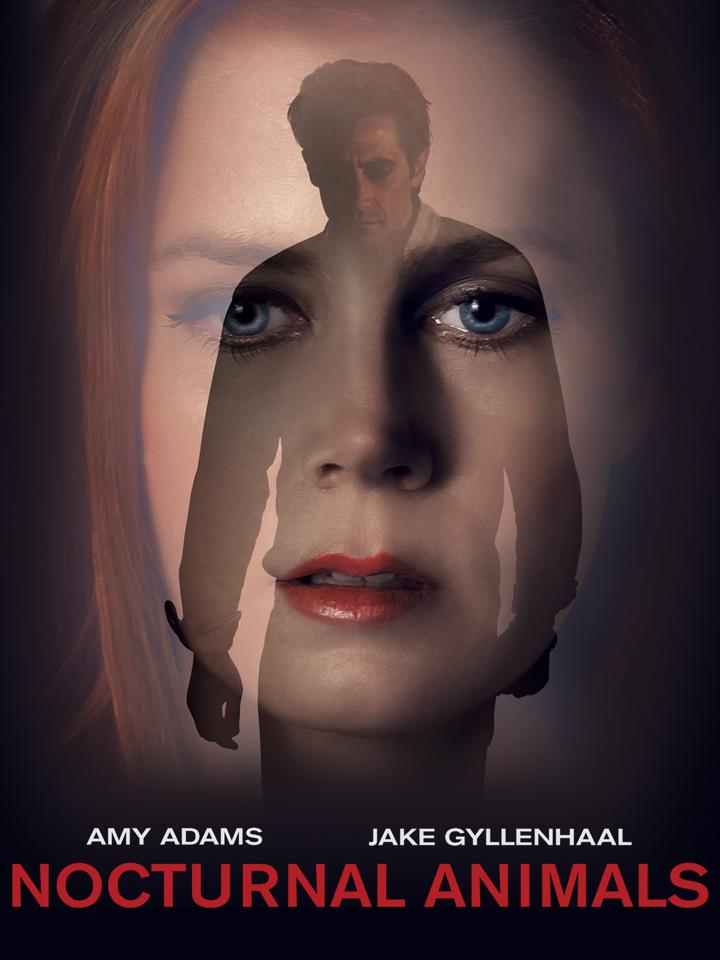
Tom Ford’s "Nocturnal Animals" is a thriller that doesn’t so much unfold as uncoil, always with a sense of dread humming in the background. It’s a story within a story, as Amy Adams’ character reads her ex-husband’s (Jake Gyllenhaal) violent manuscript, and the film bounces between her cold, sterile LA life and the pulpy narrative of the novel. On the surface, it's glossy and artful, but there’s a bitterness in the heart of it that stays with you. What I really like here is the atmosphere. Visually, Ford paints everything with a cold beauty, sometimes so precise that it almost feels alien. The cinematography drifts between glossy magazine perfection and harsh Texas grit. It’s jarring in the best way, underlining the emotional distance between Adams’ real world and the fever dream of the novel. The score is unsettling, in a way that pushes you right up to the edge but never lets you get comfortable. Performance-wise, it’s a real knockout for Gyllenhaal. He does desperate and raw better than almost anyone, and he gives the “story within the story” real anguish. Aaron Taylor-Johnson is probably the other big standout here - he’s so greasy and menacing that you find yourself genuinely uncomfortable during his scenes. Amy Adams is reliably strong, but her character is so icy that it’s tough to ever feel close to her, intentionally or not. The main thing holding this movie back from greatness is its hollow emotional core. The big revenge theme should hit hard, but instead you’re left thinking about how pretty and punishingly bleak everything looks. Ford is more interested in constructing a visual argument than making you root for anyone. The style gets dangerously close to overshadowing substance, and the final scenes feel more like a curated mood board than a punch to the gut. Pacing is another issue. The film lags a bit in its “real world” segments, maybe because Adams’ loneliness feels muted rather than raw. I kept wanting the tension of the story within the story to spill over into her life, but there’s a wall that never quite comes down. It all builds to an ending that’s clever but not as devastating as it wants to be. All in all, "Nocturnal Animals" is a chilling, exquisitely made ride that’s more intellectually haunting than emotionally bruising. If you want a thriller that’s as beautiful as it is bitter, you’ll find a lot to admire, even if you walk away a little cold.

I revisited Enemy of the State the other night and honestly, it still cooks. This is late '90s glossy paranoia at its finest, and Tony Scott knows how to keep things tense without letting it get too self-serious. The plot’s classic wrong-man stuff: Will Smith stumbles into a political conspiracy and basically gets chewed up by a surveillance state that’s both hilarious and kind of prescient when you realize how much of our real lives it almost predicted. Will Smith is right in his prime here. He mixes nervous energy with just enough swagger to make you actually root for him, instead of just wringing your hands about how outmatched he is. Gene Hackman, too, gets to play the grumpy ex-spook, and you can feel the burnt-out wisdom behind every line. Their dynamic is the movie’s biggest strength; Hackman’s entire attitude could’ve been cribbed from his role in The Conversation, which I totally feel was intentional. The cinematography is very of its time: lots of saturated blues and oranges, shaky handheld, and those rapid zooms that make every chase feel more urgent than maybe it really is. The editing’s fast but not Michael Bay-level exhausting, which is a plus. Still, some of the surveillance tech and computer graphics feel hilariously ancient now, which undercuts the tension a little if you’re watching in 2024. Pacing-wise, it’s mostly a sprint, sometimes to the point where it barely gives you time to care about any character who isn’t Smith or Hackman. That makes it fun but also kind of disposable. I wish there’d been more time spent fleshing out the supporting villains, because Jon Voight just feels like “generic bureaucratic bad guy” and never really makes an impact. What did surprise me is how freakishly modern a lot of the conversation around privacy feels. Some of the lines about giving up civil liberties for safety would fit perfectly in a script from this decade. The emotional stakes work when it’s about Smith’s family, but once the plot gets twistier in the third act, it starts to feel a bit cartoonish and less grounded. Overall, it’s not subtle, but it’s still genuinely entertaining. If you want a smart popcorn thriller with some eerily predictive moments and two leads firing on all cylinders, Enemy of the State still holds up pretty well, even if some of its tech is laughably retro.
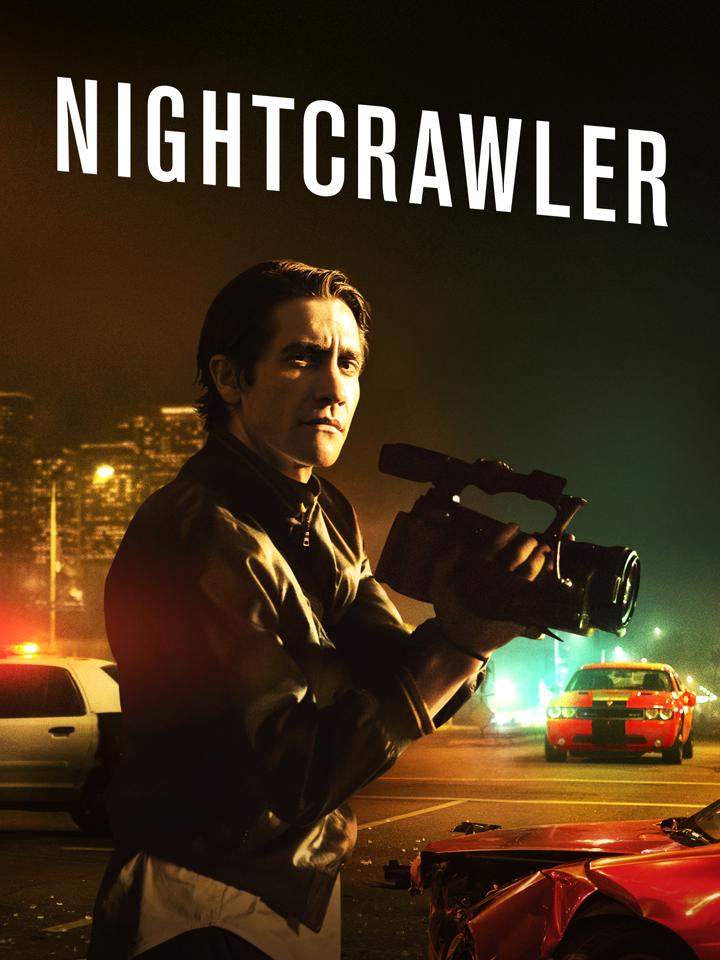
Jake Gyllenhaal is absolutely unhinged (in the best way) as Lou Bloom, a bottom-feeder who discovers LA crime journalism is a lucrative, if morally bankrupt, calling. The entire movie is a fever dream, drenched in neon and shot in a way that makes even a convenience store at 2 a.m. look unsettlingly cinematic. The plot itself is pretty simple - Lou goes from hustling for scraps to becoming a major player, and it’s hard not to get sucked into his slimy ambition, even as you want to slap him. What stood out right away is how dirty and desperate everything feels, from the stilted small talk between Lou and the other stringers, right down to the greasy breakfast diners. Director Dan Gilroy never lets you forget that everyone here is slightly off and the city is a character in its own right - corrupt, hungry, and indifferent. The pacing doesn’t let up, either. The more awful Lou becomes, the faster the movie moves, pulling you along whether you like it or not. Gyllenhaal, though, is why you’ll remember this one. His physicality - those buggy eyes, alarming gauntness, and that near robotic politeness - makes him both grotesque and mesmerizing. It’s the sort of performance where you realize halfway through you’re rooting for the villain, and then you immediately question your own morals. Riz Ahmed gives an underrated turn as Lou’s wide-eyed assistant, bringing a tragic, anxious energy that makes their dynamic genuinely tense (watch their car scenes; it’s excruciating in the right way). The story is tight, but not everything lands. Some stretches (especially early on) spend a little too much time spelling out the rules of the nightcrawler world, as if Gilroy’s worried you won’t get it. And while the ending works in context, it’s a little on the nose with its cynicism - it doesn’t trust you to feel gross, it practically demands it. Cinematography is a major win, though. Robert Elswit deserves some kind of lifetime supply of black coffee for the way he shoots LA at night - everything looks radioactive, dangerous, and just a bit tragic. James Newton Howard’s score is subtly grimy, too, the kind of music that sticks to your ribs after the credits roll. Overall, Nightcrawler doesn’t flinch. It’s slick, horrifying, and way funnier than I expected in a very dark way. Definitely not one to throw on for background noise, but if you want to feel uneasy in your own skin for a couple of hours, it’s hard to beat.

So, "The Guest" slipped under a lot of radars when it came out, but honestly, it’s one of those thrillers that’s just weirdly fun from start to finish. The whole premise is about a mysterious soldier who shows up at a family’s doorstep, claiming to be a friend of their deceased son. Right from the first act, there’s a sense that something is a little off - and the film absolutely thrives on that tension and uncertainty. Dan Stevens, who you might know from "Downton Abbey," completely sheds that image here and delivers an icy, charismatic performance. He manages to be both likeable and deeply unsettling, sometimes in the same scene. The supporting cast, especially Maika Monroe as the daughter, is refreshingly real and holds their own against Stevens’ creepy, magnetic energy. One of the standout aspects for me was the synth-heavy soundtrack and neon-drenched cinematography. It gives the movie this retro, almost ‘80s horror vibe, but wrapped in modern sensibilities. Little details in the camera work keep you guessing about whether you’re watching an unhinged hero or a total villain take over this family’s life. Not everything works, though; the story gets a bit over-the-top by the third act (bordering on the ludicrous at points), and some characters make choices that will have you rolling your eyes. Still, it grips you with a sense of dread and style, never really letting you get too comfortable. You would enjoy this if you like twisty, suspenseful movies that blur lines between genres - a little bit thriller, a little bit horror, and seriously stylish. If you want something pulpy but smart, with a cool anti-hero at its core, “The Guest” is a wild ride worth checking out.

Wind River is a haunting thriller set on a Wyoming Native American reservation, following a wildlife tracker and an FBI agent trying to solve the murder of a young woman. What immediately struck me was the bleak, snow-covered landscape - every shot seems to reinforce the sense of isolation and danger. It’s a slow burn, but the atmosphere pulls you right in from the very first scene. Jeremy Renner and Elizabeth Olsen both give restrained but deeply emotional performances. Renner especially nails the tension of a man haunted by personal loss, and Olsen brings a lot of vulnerability to her rookie agent role. Their chemistry isn’t flashy, but it’s genuine, making you invest in their characters’ journey together. The story sheds light on the often-overlooked plight of Indigenous communities, especially with regard to missing and murdered women. The film doesn’t preach, but it’s pretty devastating in moments - there’s an honest sadness running under the suspense. It’s not always easy to watch, but it feels very true. If I had to nitpick, some of the supporting roles feel a bit underdeveloped, and there are moments where the movie leans a little too hard on genre clichés. Still, Taylor Sheridan’s direction keeps the pacing taut, and the cinematography makes the cold almost tangible. I found the score by Nick Cave and Warren Ellis really enhanced the mood, too. You would enjoy this if you like taut mysteries with a strong sense of place and atmosphere - especially those with a rough edge and heartfelt character beats. It’s for fans of crime dramas who want something a little different, a bit grittier, and more soulful than the typical fare.
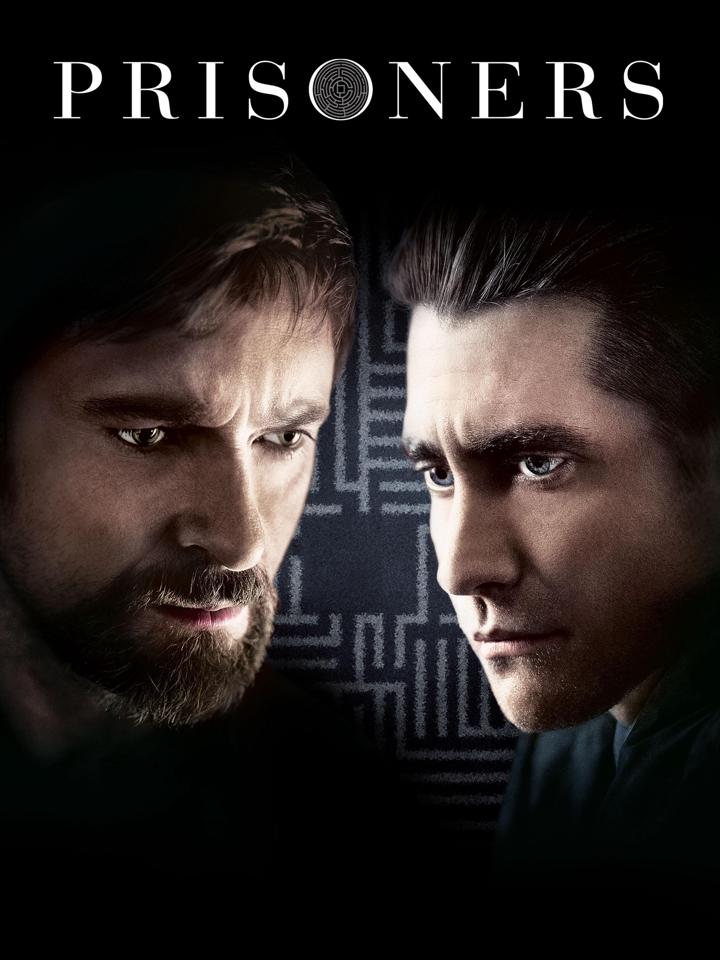
Prisoners is a 2013 thriller directed by Denis Villeneuve, centered on the disappearance of two young girls in a quiet American suburb. It quickly becomes less about the mystery itself and more about the spiraling desperation of the parents, especially Hugh Jackman’s character. The tone is tense and uncomfortable from the first scene, setting you up for this dark journey that isn’t afraid to show the ugly side of grief and suspicion. What really stood out to me is how unflinching the cinematography is - everything looks stark, cold, and rain-soaked. Roger Deakins shot it, so the visuals are just, honestly, stunning and bleak in equal measure. You almost feel like you’re right there in the chilling Pennsylvania winter with these families, which adds so much weight to the story’s slow burn. Hugh Jackman is incredible here, playing a dad who goes way too far in his pursuit of the truth. Jake Gyllenhaal as Detective Loki is also fascinating; his nervous tics and intensity make him way more than the average “cop on the case.” The supporting cast - Viola Davis, Maria Bello, Terrence Howard, Paul Dano - all serve up some really grounded performances, which keeps the tension believable. The downside is the film’s length - it clocks in at about two and a half hours, and you do kind of feel it drag in the middle. Also, some of the plot twists can feel a bit forced or maybe too conveniently tied together by the end. But if you like layered, character-driven thrillers, these are pretty minor gripes. You would enjoy this if you like slow-burn thrillers that are more about psychology and moral ambiguity than action or traditional whodunits. Fans of movies like Zodiac or Mystic River will probably be hooked. Just brace yourself: it can get pretty dark.
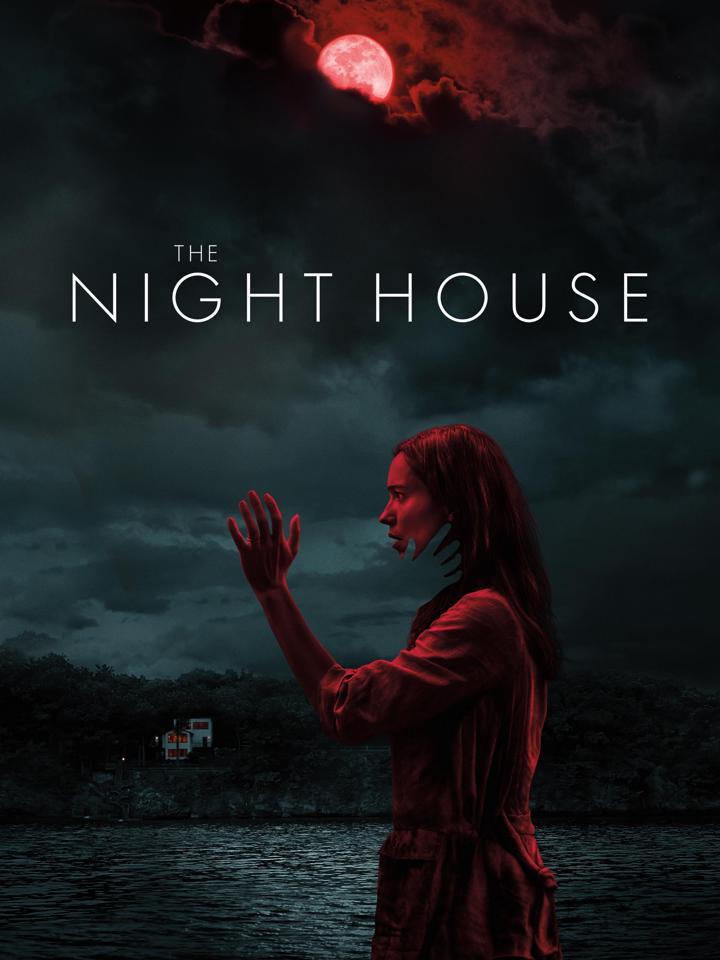
If you’re in the mood for a thriller that actually gets under your skin, "The Night House" is a worthwhile watch. It follows a recent widow, played by Rebecca Hall, who starts to experience increasingly disturbing visions and clues about her late husband’s secret life. The movie feels like a slow-burn psychological labyrinth, and Hall’s performance really anchors the whole thing - she manages to make both the grief and tension feel genuinely raw. What stood out to me was the way the film uses its lakeside house setting. The cinematography has this unsettling, dreamlike quality, and there are some creative, even chilling visual tricks that make you constantly question what’s real and what’s imagined. The pace is methodical, but not boring, and the suspense really creeps up on you rather than bombarding you with jump scares. On the downside, I thought the plot tried to juggle a few too many threads by the end. Without spoiling anything, the mix of supernatural and psychological explanations didn’t always gel perfectly, leaving the final act feeling a little muddled. Still, if you appreciate thrillers that lean into atmosphere and ambiguity over outright action, this is definitely one to add to your list.