
Browse our collection of biography reviews and ratings.Showing 12 of 35 reviews.
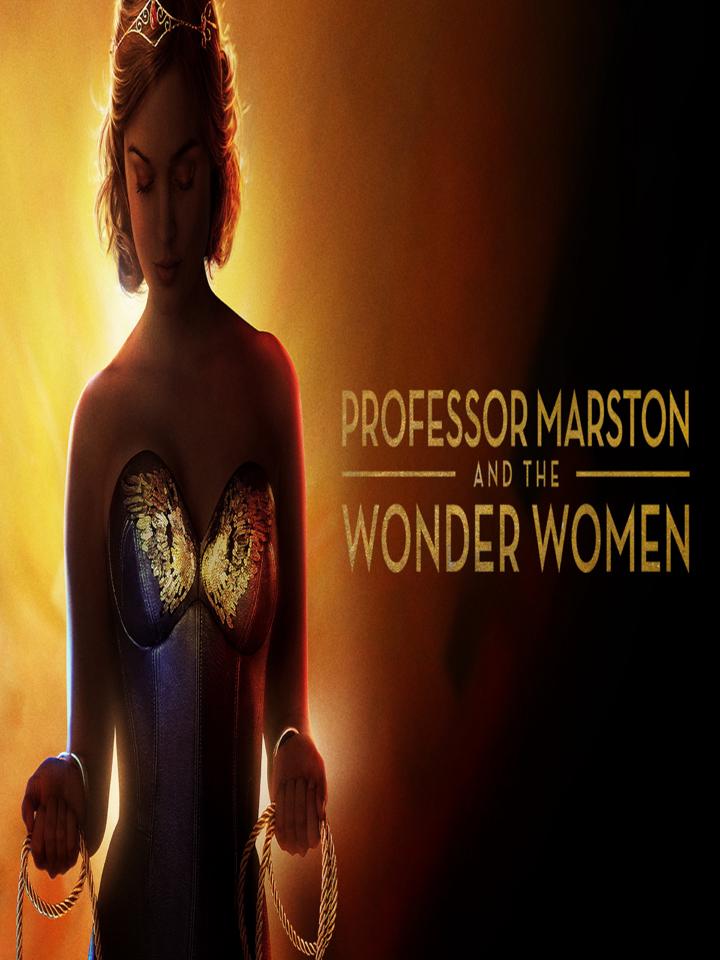
This is one of those biographical dramas that genuinely surprised me. It tells the fascinating true story behind the creation of Wonder Woman — but it’s less about superheroes and more about the unconventional relationship between psychologist William Moulton Marston, his wife Elizabeth, and their partner Olive Byrne. The film explores not just the origins of a comic book icon, but the complexities of love, trust, and social boundaries in early 20th-century America. What stood out straight away was the chemistry among the three leads: Luke Evans, Rebecca Hall, and Bella Heathcote. Their performances are deeply felt and never veer into melodrama, even as the story addresses taboo topics like polyamory and BDSM. The movie doesn’t treat these subjects as shock value but as core aspects of who these people were and what bound them together, and it’s easy to feel invested in their struggles as a result. The storyline moves at a gentle but deliberate pace. Sometimes, it does feel like it lingers a bit too long on the couple’s personal negotiations and conflicts, which can drag the middle act. Still, it fits with the film’s character-driven focus — if you like intricate emotional arcs more than explosive plot points, you’ll probably appreciate the extra depth. Visually, there’s a lush, slightly theatrical look to the cinematography. The setting feels period-accurate but not stuffy, and the attention to detail in costumes and set design is impressive. There are a few moments where it feels a little too polished or “movie-ish,” but it's generally immersive and pleasing to look at. You would enjoy this if you like biopics that dive deep into the messy, complicated parts of human relationships, especially ones that aren’t sanitized for mainstream tastes. Fans of Hidden Figures or The Danish Girl will probably find something to love here, especially if you’re curious about the real-life origins of pop culture phenomena.
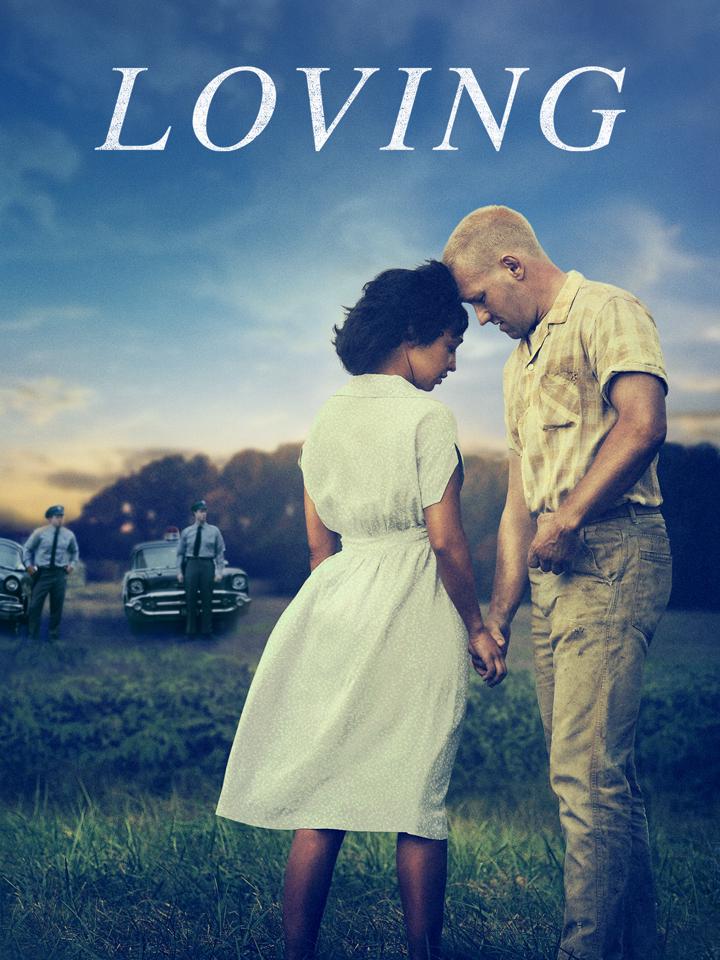
Loving is the understated but powerful true story of Richard and Mildred Loving, the interracial couple whose marriage led to the landmark Supreme Court case that invalidated laws prohibiting interracial marriage in the US. The beauty of this film is its intimacy — it doesn’t get swept away in grand speeches or courtroom theatrics. Instead, it focuses on the subtle but deeply emotional lives of the Lovings as they navigate prejudice and threaten their safety just to be together. The cinematography truly stood out for me. Jeff Nichols directs with a gentle hand, letting the rural Virginia landscapes and the couple’s quiet routines speak volumes. There isn’t dramatic music or heavy-handed symbolism, and that restraint makes the stakes feel even more real. It’s as if the quietness of the film matches the humility and private nature of the Lovings themselves. Joel Edgerton and Ruth Negga (especially the latter, who earned an Oscar nomination) bring so much life to their roles with minimal dialogue. Negga communicates entire emotional arcs with just her eyes and a slight change of expression. It’s refreshing to watch a biopic where the performances aren’t loud or showy, but rather lived-in and honest. If there’s a downside, it’s that the movie’s slow pace might put off people looking for a conventional biopic with more dramatic courtroom scenes or emotional showdowns. Some moments can feel almost too subdued, risking audience detachment from the story’s larger context. Still, I appreciated how it never lost sight of this being, first and foremost, a personal love story. You would enjoy this if you like biographical dramas that take their time, spotlight history through intimate, deeply human portraits, and don’t mind trading Hollywood flash for authenticity. Loving is a quiet revelation, best for viewers curious about civil rights history or just in the mood for a moving story about ordinary people changing the world.
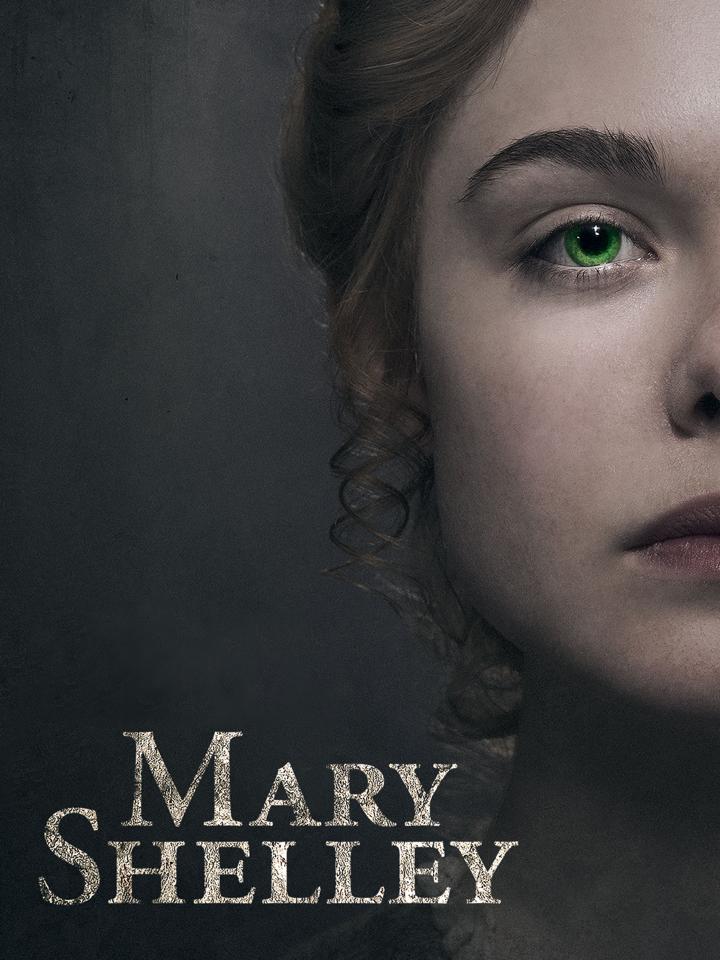
This film follows the life of Mary Shelley, the groundbreaking author of “Frankenstein,” and dives into her tumultuous romance with poet Percy Bysshe Shelley. What struck me was how the movie spotlights Mary’s inner world — her grief, ambition, and the way she carved her own identity amid the suffocating expectations of her era. Elle Fanning brings a quiet intensity to the role, balancing Mary’s vulnerability with undeniable resolve. The cinematography lends a gothic, windswept beauty to every scene — you really feel the chill and storminess of 19th-century England. There’s a deep palette of grays and candlelight, which not only fit the mood but help transport you into Mary’s creative imagination. Scenes in Geneva and by the lake where she first conjured “Frankenstein” are especially moody and atmospheric. The film does take its time setting up the relationships and social context, so the pacing is a bit uneven, especially in the first half. At times, the dialogue can feel a little on-the-nose, almost as if it’s overly eager to let you in on the historical significance of each moment. Still, once it finds its rhythm, the emotional stakes start to pay off. The performances are definitely the highlight — besides Fanning, Douglas Booth makes Percy Shelley both frustrating and charismatic, which seems apt. I also appreciated how the film doesn’t overly romanticize their relationship and isn’t shy about showing its imbalances and heartbreaks. It’s a good reminder that the making of a literary legend was far from a fairy tale. You would enjoy this if you’re drawn to literary history, period dramas, or stories about women ahead of their time. If slow-burn romance mixed with a taste of dark academia appeals to you, this is a rewarding, moody watch that sticks with you after the credits roll.
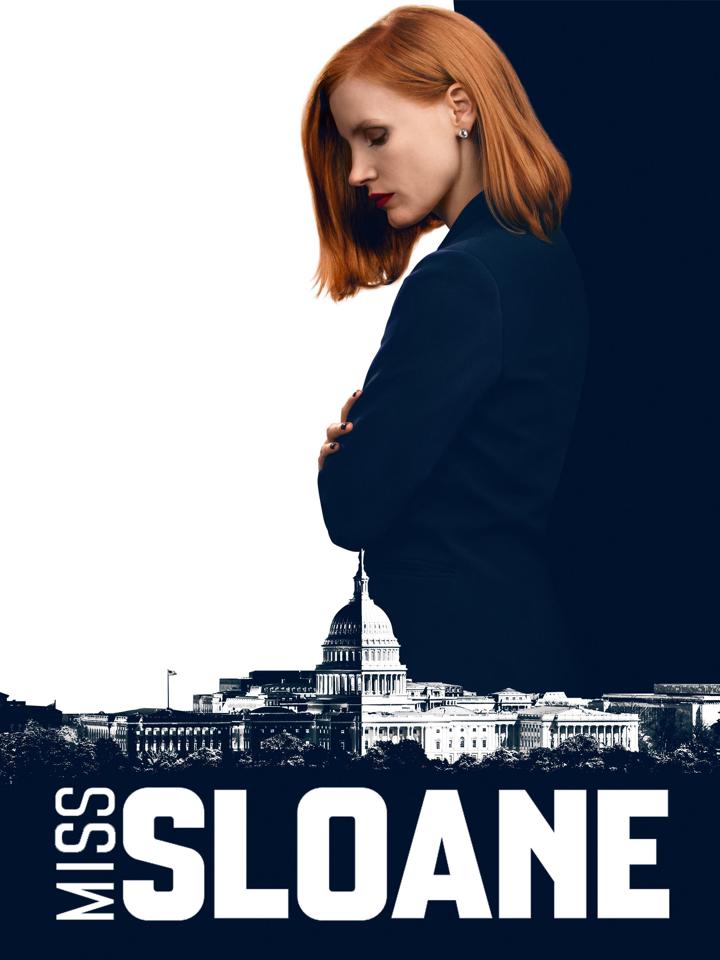
Miss Sloane is a biographical political drama that dives deep into the life of a fiercely intelligent and morally ambiguous lobbyist played by Jessica Chastain. The film follows Elizabeth Sloane, who is determined to push for gun control legislation against formidable odds, using every trick in the D.C. playbook. Though not a traditional biography of a widely known individual, it provides a window into the real pressures and maneuverings inside Washington, drawing inspiration from actual insider experiences. What instantly hooked me about Miss Sloane was Chastain’s electric performance. Every scene with her feels like a masterclass in intensity—her character is smart, unpredictable, and just this side of unlikable, but you’re always compelled to root for or at least be awed by her. The supporting cast (including Mark Strong and Gugu Mbatha-Raw) holds their own, delivering layered performances that keep the stakes high whenever Chastain is off-screen. The storyline is packed with twists and tense negotiation sequences, creating taut momentum even when a lot of the action is literally just people talking in sleek boardrooms. The script sometimes veers into being a little too clever for its own good, with dialogue that draws attention to itself instead of flowing naturally. Still, I never found myself bored; the pace rarely lets up, and there’s always a sense that something big is about to break. Cinematography-wise, the film uses cool, sterile colors and sharp angles that echo the calculated, almost clinical world its characters inhabit. There’s nothing overly flashy, but the visual style complements the mood perfectly—it feels like you’re right inside the pressured corridors of power. The film doesn’t shy away from the ethical gray areas, and while that can be a little frustrating (don’t expect easy answers!), it adds a nice touch of realism. You would enjoy this if you’re into smart, intricate political dramas with a strong, female lead and don’t mind a protagonist who’s as ruthless as she is brilliant. Fans of movies like Michael Clayton or the series House of Cards will probably get a kick out of the moral chess match on display here.
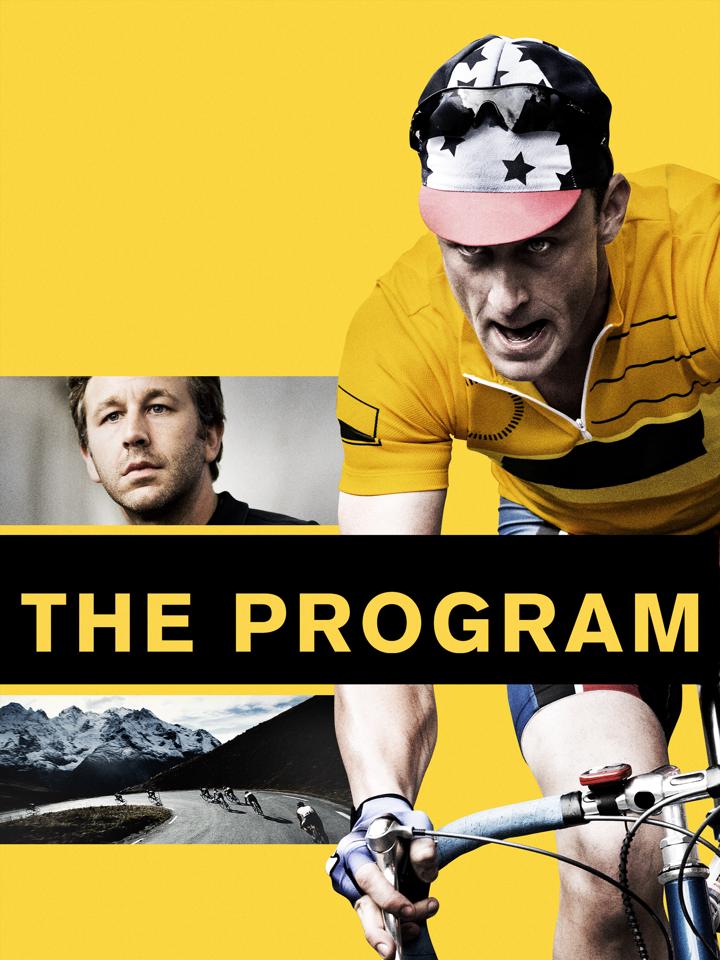
The Program is a biographical drama about Lance Armstrong’s meteoric rise and fall in the world of professional cycling. It doesn’t shy away from the ugly details of Armstrong’s doping scandal and the cult-like persona he built around “never giving up.” Ben Foster gives a magnetic (and almost unnerving) performance as Lance — he nails that blend of charm and ruthlessness that defined Armstrong in the public eye. What really stood out to me is how the film portrayed obsession, both Armstrong’s own and the sport’s need for a hero. There’s a frenetic energy to the racing scenes (almost like mini thrillers in themselves), and you get a sense of just how intoxicating victory — and the myth of invincibility — can be. Chris O’Dowd is also great as the persistent journalist David Walsh, providing the dogged outsider perspective that grounds the narrative. The movie doesn’t dig quite as deep emotionally as I’d hoped. While it covers the major points of the scandal with style and pace, you never really get under Armstrong’s skin in a lasting way. It’s more about depicting the events than helping you understand why so many people bought into the lie, or what it cost personally for those betrayed. Visually, the film looks sharp — bright, but also clinical in a way that works for the story. It’s not flashy, but director Stephen Frears keeps things moving briskly, with racing sequences that are genuinely tense. The whole thing feels like an exposé, and that journalistic slant means it covers ground quickly, which could be a strength or a weakness depending on what you want from a biopic. You’d enjoy this if you like sports dramas that focus more on the why and how rather than just the winning moments, or if you remember bits of the Armstrong story but never followed the scandal’s nitty-gritty. It’s a solid watch for fans of recent sports history, or anyone who likes a complex antihero — just don’t expect a deeply emotional journey.
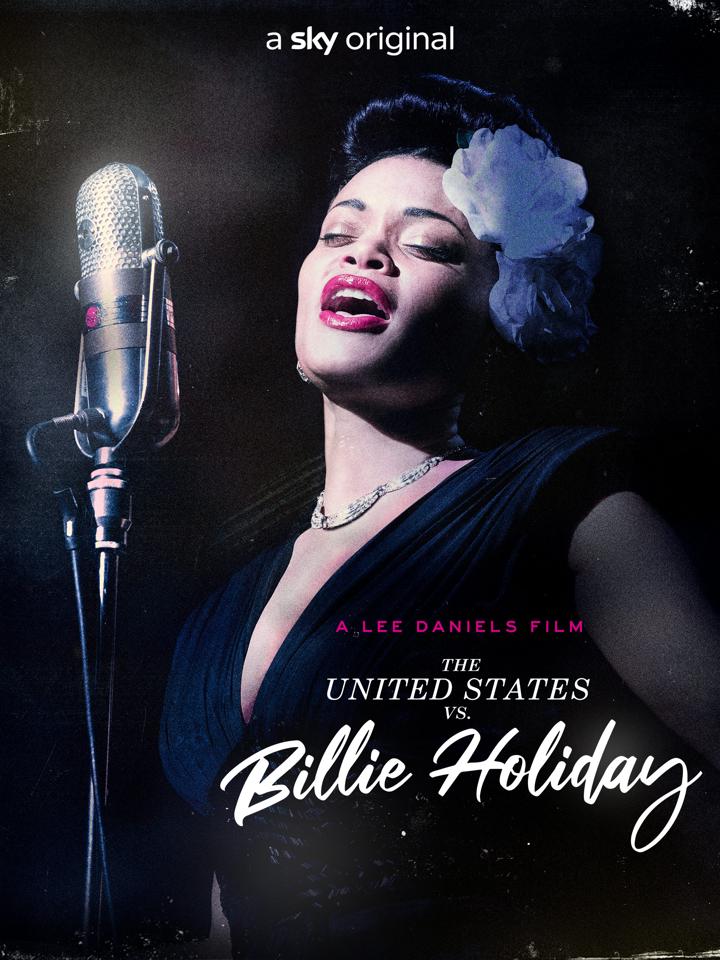
This film tells the riveting and painful story of jazz legend Billie Holiday, focusing intensely on the years when she was targeted by the U.S. government over her political song "Strange Fruit." It's much more than a music biopic—the core is Holiday's battle against both addiction and the relentless persecution led by the Federal Bureau of Narcotics, painted as a pointed reflection of American hypocrisy and racial injustice. It's both a celebration and a tragedy, unfolding in a dim world that somehow manages to pulse with Holiday's magnetism. Andra Day's performance is the real anchor here—she's phenomenal, especially for someone stepping into her first major acting role. Day doesn't just mimic Holiday; she finds a way to channel her tough, battered charisma, making the musical performances both haunting and uniquely vulnerable. Some scenes, especially her renditions of key songs, stop the film in its tracks with sheer emotional force. The movie doesn't entirely avoid the pitfalls of the biopic structure; some narrative pacing issues crop up, and there are moments that feel like they lean a bit too heavily on iconography without digging as deeply as they might've. The attempts at stylized visual storytelling—the big, moody close-ups, the dreamlike transitions—sometimes work brilliantly but can also feel heavy-handed. The story jumps around, and at times it blurs facts for dramatic effect, which can be frustrating if you want a clear biography. Still, the lush cinematography and costumes are hard to ignore. Vintage sets and locations draw you straight into the 1940s and '50s, and there are some beautifully composed shots—gritty and saturated—that add a noir-ish gloss to a bleak story. Supporting performances are solid, though they're somewhat overshadowed by Day's presence. You'd enjoy this if you like stories about artists who clash with the system, especially if you want to see a less-told but deeply American tale of resistance and resilience. It's not always fun to watch, but it's rewarding if you want a headier, rawer music biopic than the usual fare.
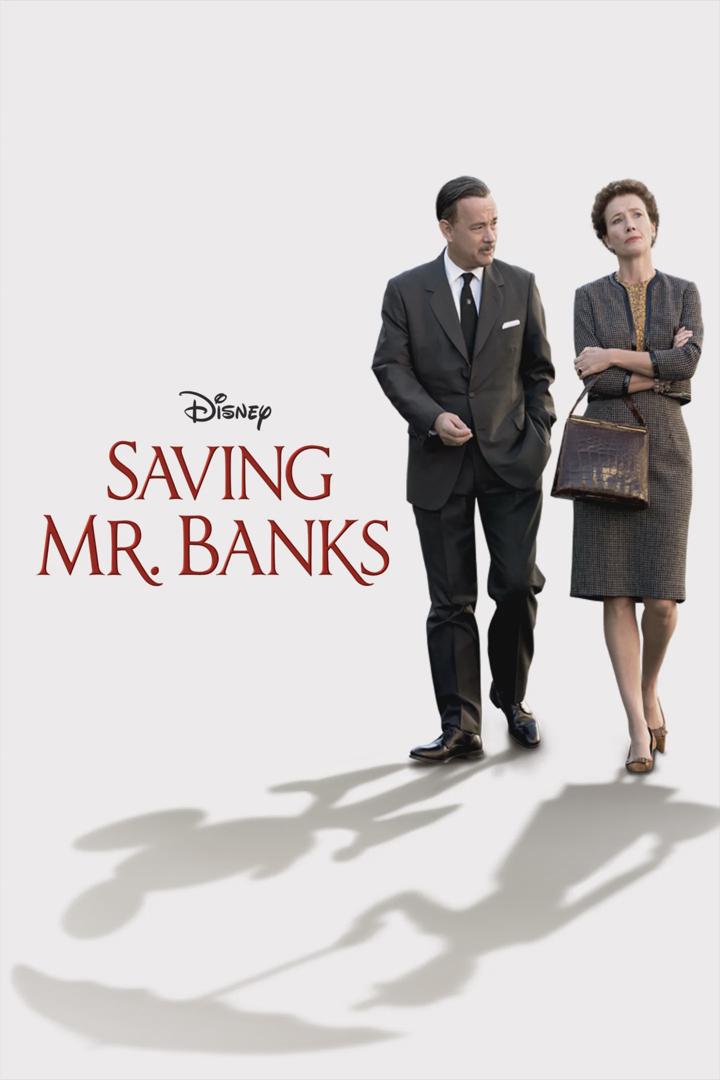
This is one of those quietly compelling biopics that takes you behind the scenes of a world you thought you knew. "Saving Mr. Banks" tells the true story of how Walt Disney finally convinced P.L. Travers to let him adapt her beloved "Mary Poppins" books into a film, and it's much more emotionally layered than you might expect. Emma Thompson plays Travers with prickly charm and a core of deep sadness, and Tom Hanks makes for a warm, understated Disney. What really stood out for me is the way the film shifts between 1960s Los Angeles and Travers’s painful childhood in rural Australia, showing why her stories and her resistance mattered so much. The movie isn’t afraid to delve into the complicated nature of memory and art, and some scenes have a real sting—they’re not just nostalgic fluff. The humor in the writers’ room scenes feels genuinely earned, especially when Travers bulldozes everyone’s ideas. That said, the movie does veer a bit into Disney self-mythologizing at times, glossing over some rougher edges of both main players. The ending, while uplifting, leans heavily on sentimentality—so if you’re allergic to heartstring-tugging, brace yourself. Still, I found it hard not to get swept up by the soundtrack and the emotional payoff. Cinematography-wise, the film is surprisingly lush, especially in the sepia-toned flashbacks and sun-drenched studio lots. The period detail pops without ever turning into a visual cliche. Supporting actors like Paul Giamatti and Colin Farrell have standout moments, adding depth and nuance in roles that could’ve easily been one-note. You would enjoy this if you like behind-the-scenes Hollywood stories, nuanced character explorations, or just generally enjoy movies that dig into the complicated process of adaptation and creativity. If you want something both smart and heartfelt—but not too conventional—this one’s worth tracking down.
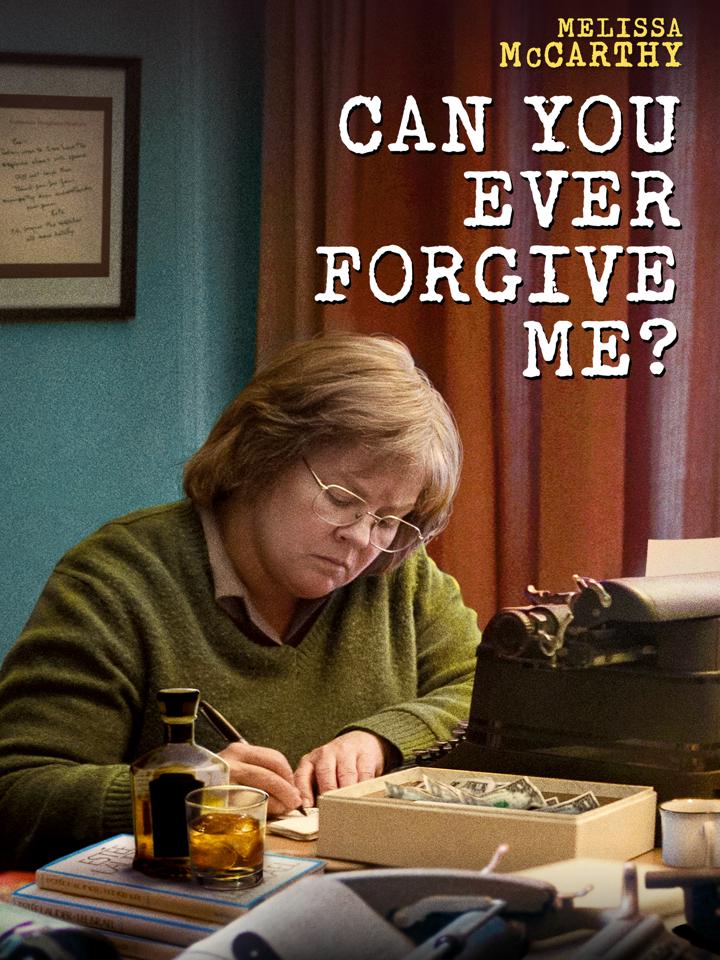
This is one of those biographical films that really sneaks up on you. It's based on the true story of Lee Israel, a struggling celebrity biographer who turns to forging letters from famous writers. Melissa McCarthy plays Lee, and honestly, it’s so refreshing to see her in this more dramatic, surprisingly vulnerable role (she's usually all comedy, but here she's just... real). There’s this subtle sense of desperation that runs through the entire film, and McCarthy nails it — the mix of wit, gloom, and faint glimmers of hope. The film’s atmosphere is perfectly grimy New York, drenched in dim lighting and stacks of thrifted books. The cinematography captures that early-nineties sense of faded grandeur, almost as if the scenery itself is resigned to being overlooked. The script, too, is sharp and a little bit melancholic, making you root for Lee even as her situation unravels. Every bar and cramped bookstore feels lived-in, like you’ve wandered right into a quietly desperate chapter of someone’s life. Richard E. Grant is just brilliant as Jack Hock, Lee’s flamboyant, often troublesome partner-in-crime. Their chemistry is offbeat but warm, and their late-night escapades are both funny and sad in the way that only true stories can be. Their banter brings bursts of energy to the film, and Grant especially delivers a performance that's both larger-than-life and totally heartbreaking. If there’s a flaw, it’s that the pace sometimes trudges a bit and there's a quietness that not everyone will appreciate—it's slow, more character study than caper. You don’t get lots of traditional “wow” moments, but instead, the movie lingers on smaller, lonelier truths. That can make it feel a bit drab or meandering if you’re after big spectacle. You would enjoy this if you like movies about messy, prickly people, old New York, and the peculiar line between right and wrong. It’s for anyone who appreciates strong performances and an underdog story that doesn’t sugarcoat things. Maybe especially if you’ve ever felt a little lost, or found, in the pages of a library book.
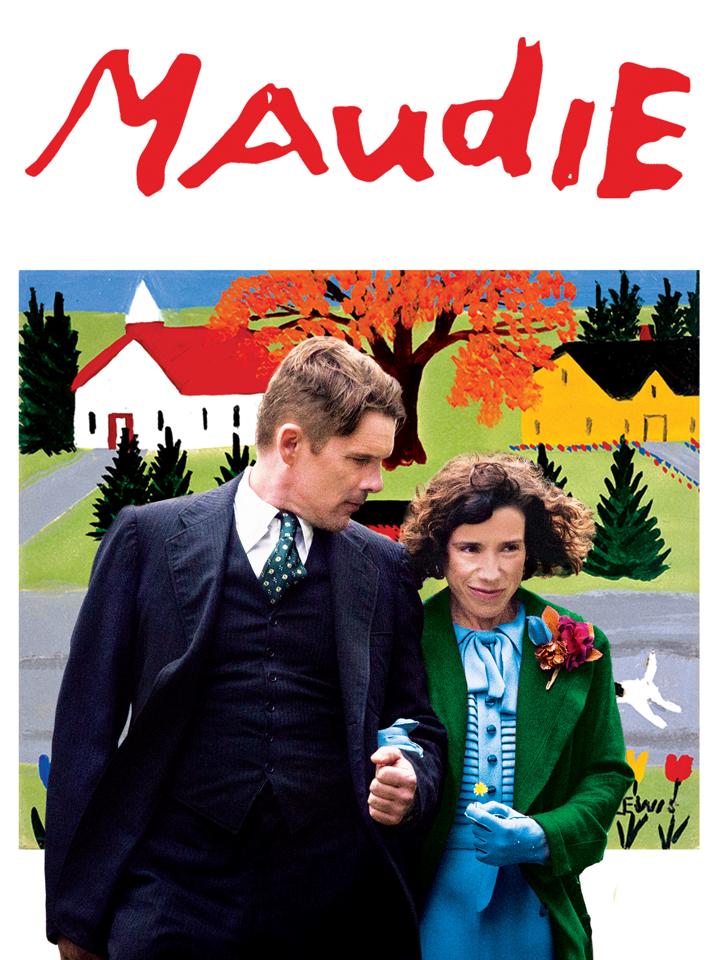
Maudie is a quiet, intimate biographical film about the Canadian folk artist Maud Lewis and her peculiar relationship with Everett Lewis, a rough-edged fish peddler. The film paints a lovely but unsentimental portrait of a woman who, despite her severe rheumatoid arthritis and an unforgiving environment, creates luminous art and finds joy in small everyday moments. There's a gentle rhythm to the storytelling, unfolding in the windswept Nova Scotia countryside, which really lets you settle into Maud’s perspective. What stood out most to me were the performances. Sally Hawkins is spellbinding as Maud—her physicality and the subtle determination she brings to the character make Maud believable, endearing, and heartbreaking all at once. Ethan Hawke, as Everett, gives a gruff, minimal performance that slowly reveals warmth as the film goes on. The chemistry feels raw and authentic, especially as their initially transactional relationship morphs into something unexpectedly tender. Visually, it’s quite beautiful. The cinematography finds magic in the everyday—the chipped paint of a kitchen chair, wintry blue shadows, and the riot of colorful artwork that slowly fills Maud’s world. The director, Aisling Walsh, lingers on small gestures and details, which makes Maudie feel all the more personal and true. It’s not a grandiose, sweeping biopic; rather, it’s about the significance of a life lived with purpose, even if confined to just a tiny house on the edge of nowhere. There are moments where the film leans a little too hard on its charm, glossing over some of the harsher aspects of Maud's situation or the roughness in Everett’s character. While the slow pace helps build atmosphere, it may feel a bit meandering for some. Still, I found myself thoroughly drawn in, moved by the simplicity and authenticity of the world it builds. You would enjoy this if you like character-driven dramas, patient storytelling, or finding beauty in ordinary life. It’s perfect for anyone who wants a true story that celebrates persistence and artistic spirit without resorting to melodrama or cliché.
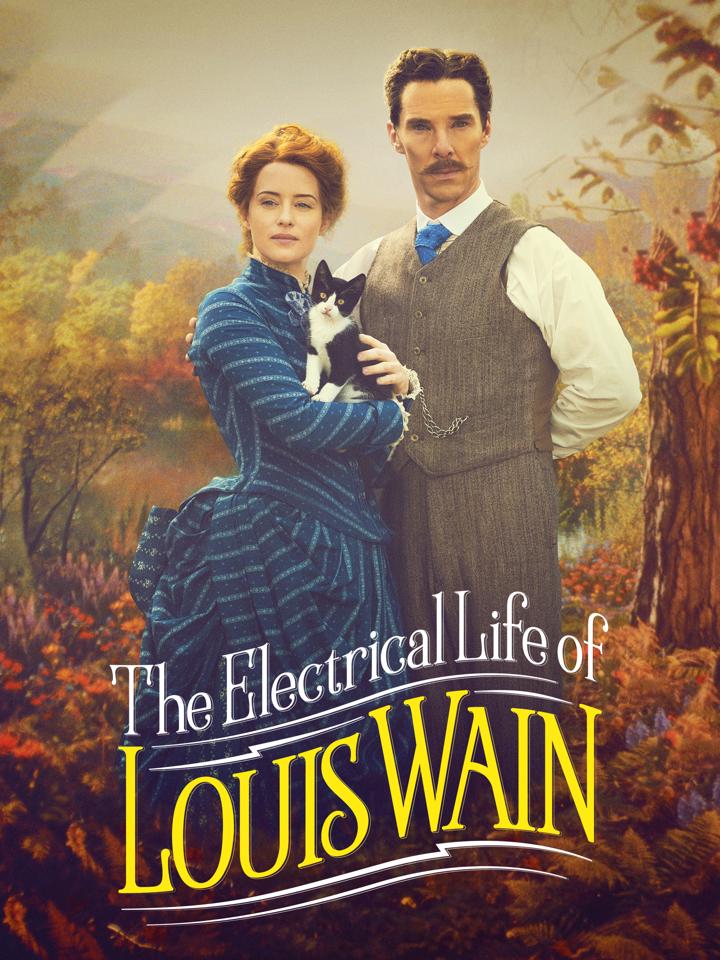
This film focuses on the eccentric British artist Louis Wain, who became famous for his expressive and sometimes psychedelic paintings of cats. What struck me right away was how it manages to balance whimsy with a sense of melancholy, showing both the vibrant surface of Wain’s art and the complexities of his life beneath it. The movie doesn’t just tell you about Wain—it really tries to show how he saw the world, full of color, oddity, and movement. Benedict Cumberbatch delivers a performance that feels both earnest and a bit tragic, capturing Wain’s social awkwardness and artistic brilliance. His chemistry with Claire Foy, who plays his wife Emily, is genuinely touching and forms the emotional heart of the story. I loved how their relationship was depicted—not just as a classic romance, but as a partnership full of mutual support and shared strangeness. The cinematography is incredibly playful, using distorted lenses and saturated colors to hint at Wain’s interior world. There are moments where the visuals almost take over the narration, making you feel like you’re inside one of Wain’s paintings. It’s refreshing, though honestly sometimes the stylization feels a bit overbearing and threatens to overshadow the quieter moments. Narratively, the movie covers a lot—sometimes at the expense of depth. There’s so much packed in: family struggles, grief, mental illness, and of course, the changing status of cats in British society (which is a surprisingly big deal here). Occasionally it feels like it’s racing from event to event; I wished it would linger more on certain phases of Wain’s life. Still, the film never loses sight of its strange sense of humor and warmth. You would enjoy this if you’re drawn to offbeat biographies, love biopics that get a little weird stylistically, or have a soft spot for cats (honestly, the cat content is fantastic). It’s not your standard paint-by-numbers biopic—more like a beautifully messy scrapbook dedicated to a truly unique mind.
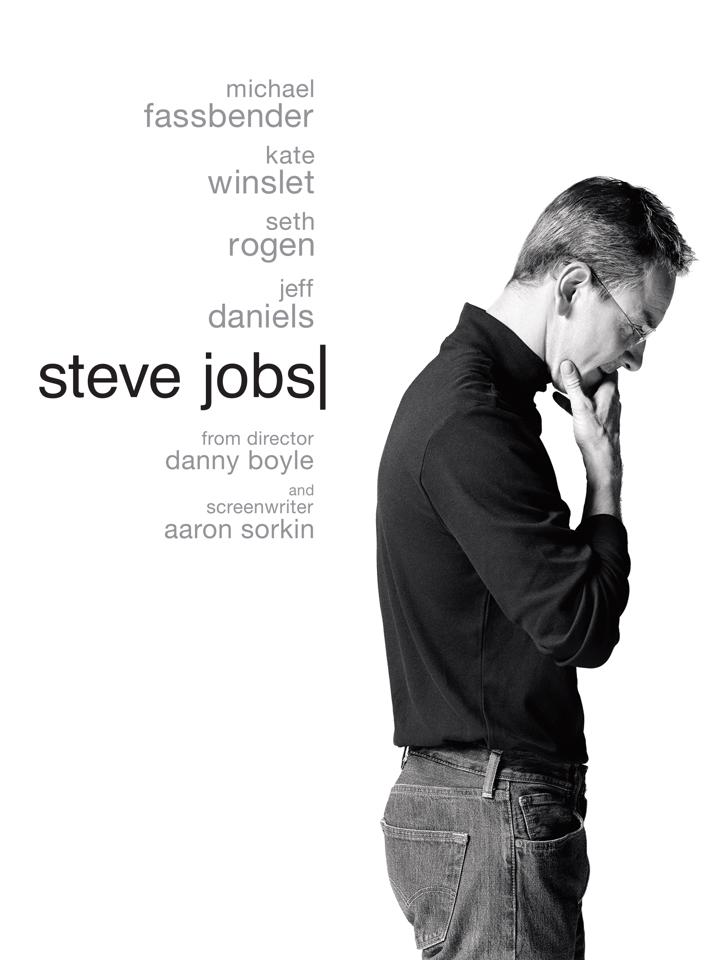
I finally watched "Steve Jobs" (the 2015 one with Michael Fassbender), and it’s not your typical cradle-to-grave biopic. The film zeroes in on three pivotal product launches, letting us eavesdrop backstage on the chaos, ego clashes, and personal stakes that swirl around Jobs at each phase of his career. It feels more like a stage play, with Aaron Sorkin’s sharp, kinetic dialogue bouncing between characters in confined spaces. The standout for me is how Fassbender plays Jobs—not as a saint or cartoon villain, but as a fiercely intelligent, deeply flawed guy whose genius can’t quite excuse his lack of empathy. Kate Winslet nails her role as Joanna Hoffman, his right hand and often the only person able to confront him honestly. Seth Rogen as Wozniak is surprisingly grounded too, bringing some heart to the mix. Sometimes, though, I wished the film slowed down. It’s so dense with words and ideas that it almost forgets to breathe, which can alienate you if you’re not in the mood for a verbal onslaught. If you’re hoping for a detailed history lesson or an all-encompassing life story, you won’t get that here. It’s intimate and selective instead, focusing on emotional arcs over factual completeness. Cinematography-wise, Danny Boyle does this cool trick where each act has a slightly different visual texture to match the era—grainier for the '80s, glossier as time moves on. The editing and tight, almost claustrophobic camera work make you feel the tension piling up before each big tech reveal. It might frustrate some who want more sweeping Apple-in-garages nostalgia, but I found the focus pretty refreshing. You would enjoy this if you like character-driven stories, fast dialogue, and movies that don’t mind showing their protagonist’s warts. It’s especially for fans of Sorkin’s writing or those curious about the messy human side behind visionary innovation.
Christine is a biographical drama from 2016 that tells the haunting story of Christine Chubbuck, a TV news reporter in 1970s Florida whose on-air suicide shook the media world. It’s a film that pulls you into the daily grind of local television, but also offers a deeply personal look at mental health struggles that still resonate today. Rebecca Hall’s moving performance as Christine is easily the best thing about this film — she brings such subtlety and compassion to a character who could’ve felt like a cliché. What really struck me was how the movie balances its factual basis with a very intimate, almost claustrophobic feel. The newsroom becomes a pressure cooker and you can really sense how Christine’s battle with depression and professional frustrations build up around her. It’s both a critique of the media’s pursuit of sensationalism and a portrait of loneliness, competence, and being misunderstood. The cinematography is understated but really effective, with a muted 70s color palette and lingering close-ups that make you feel uncomfortably close to Christine’s world. There’s this persistent hum of anxiety throughout, and even when nothing dramatic is happening, you feel the tension simmering. The supporting cast — including Michael C. Hall and Tracy Letts — help create a believable and sometimes painfully awkward newsroom dynamic. Not everything lands perfectly. There are moments where the pacing drags, especially in the middle, and you can sense the filmmakers struggling a bit with how much to explain versus show. But if you appreciate character-driven stories that don’t shy away from the darker parts of real life, it's deeply affecting. Just know that this isn’t a light or easy watch. You would enjoy this if you’re drawn to biographical dramas that delve into mental health, unsung historical stories, or just plain like seeing masterful acting in a small-scale setting. If you found movies like Shattered Glass or The Assistant compelling, this is definitely worth adding to your list.