
Browse our collection of history reviews and ratings.Showing 12 of 26 reviews.
This is one of those historical adventures that flew under the radar for most folks outside Scandinavia. Set in early 13th-century Norway, The Last King follows two warriors, Torstein and Skjervald, as they risk everything to protect an infant heir during a brutal civil war. The story is based on real events, and it’s cool to see a slice of European history that isn’t just another royal scandal or Tudor drama. The Norwegian winter landscape is a character in itself. The endless snowscapes and sweeping mountain shots are gorgeous, and you really feel the chill and exhaustion of these characters slogging through ice and danger. It reminds me a bit of The Revenant, but with more focus on loyalty and camaraderie than survival for survival’s sake. There are some epic chase sequences on skis that are honestly thrilling to watch. Where it stumbles a little is, ironically, in the history. If you’re not already a bit familiar with Norway’s past, you might find some of the details confusing or glossed over—for example, the political factions and why this infant actually matters to everyone. The script assumes you’re coming in with some context, so you might end up reaching for Wikipedia just to figure out who’s who. The performances are strong, particularly from Kristofer Hivju (who you might recognize from Game of Thrones). There’s a solid chemistry between the two leads, and though the characters might not feel deeply nuanced, they’re easy to root for. The film avoids cheap melodrama, instead leaning into grit and resilience, which fits its chilly tone. You’ll enjoy this if you’re into underdog stories, love the idea of a historical action flick that’s not set in the usual English-speaking territory, or just want to see a genuinely different kind of medieval adventure. It’s especially worth it for anyone who thinks they’ve seen every “based on true events” movie but wants something a little more off the beaten path.
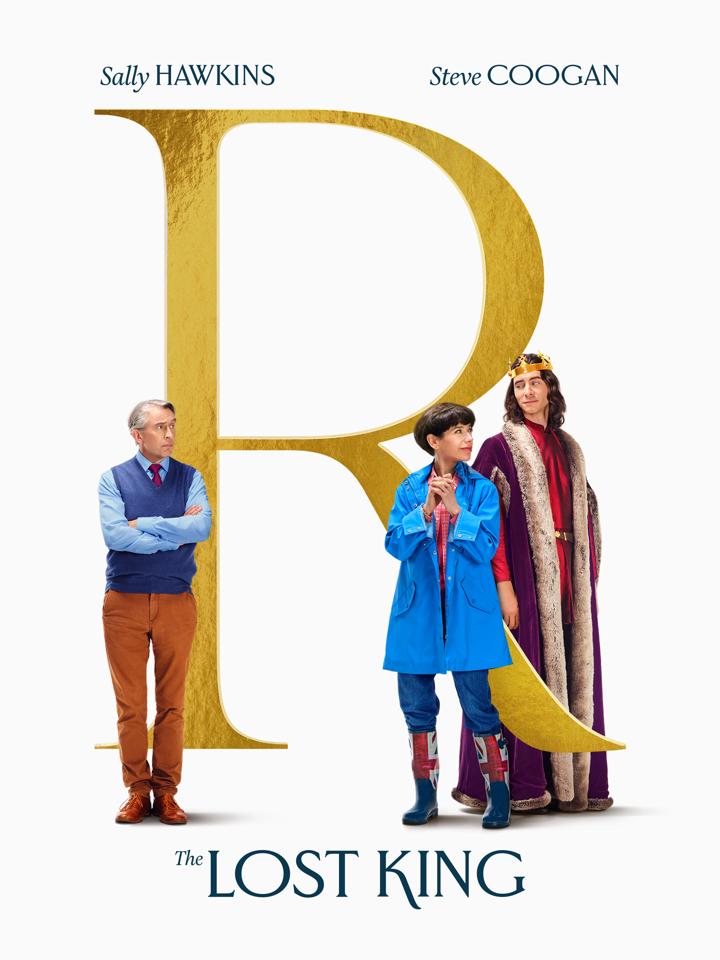
The Lost King is one of those historical dramas that flew under the radar but really deserved a bigger audience. It’s about Philippa Langley, an amateur historian who became obsessed with finding the long-lost remains of King Richard III. The film follows her eccentric quest and the institutional skepticism she faces—as well as her determination, which is honestly infectious. It’s equal parts mystery, underdog story, and British quirkiness. What stood out to me most is how Sally Hawkins carries the entire film. Her portrayal of Philippa is both quietly resolute and extremely relatable; she’s awkward, persistent, and believable. Steve Coogan (who also co-wrote the screenplay) brings humor and warmth as her supportive but bemused ex-husband. The supporting cast is solid, but it’s Hawkins who keeps you invested in a journey that might otherwise have seemed mundane. The storyline avoids the big battle re-enactments you might expect from a movie about royalty—instead, it’s an intimate, sometimes oddball crusade against academic gatekeeping and chauvinism. There’s a light, almost whimsical touch in how the film blends Philippa’s imagination (Richard III sometimes appears to her) with the nuts and bolts of her investigation. Some may find these magical-realist moments a distraction, but I thought they brought Philippa’s internal world to life. Cinematography-wise, The Lost King is more functional than flashy, but it does a nice job of capturing the damp, modern landscapes of Leicester and the peculiar mix of excitement and tedium inherent in historical research. Visually, it's a little muted, which fits both the British tone and the unsensational (but obsessive) nature of the true story. You’ll really enjoy this film if you like offbeat underdog stories, British humor, or the idea that regular people can rewrite history. It’s not the most dramatic or action-packed telling of real events, but its heart and peculiarity make it memorable in its own right.
Burning Bush is a Czech miniseries that digs deep into the aftermath of Jan Palach’s self-immolation, an event that’s not as widely known outside Eastern Europe as it should be. It’s all about the human and political ripples that followed his act of protest against the Soviet occupation in 1969. The story orbits around a lawyer who tries to defend Palach’s memory from a government smear campaign—so it’s got legal drama, personal stakes, and that heavy historical weight. One thing I really appreciated was how grounded and immediate it feels. Amsterdam-born Tatiana Pauhofová is especially strong as Dagmar Burešová, the lawyer; she brings both resilience and vulnerability, steering the whole show with quiet conviction. Unlike the usual big, sweeping biopic style, it’s a lot more up-close and personal. Most of the scenes take place in cramped offices, apartments, or gray, chilly streets, so you really get a sense of the pressure and paranoia that defined that era. The cinematography stands out for balancing period detail without feeling overwrought or romanticized—lots of dark, smokey interiors and newsprint hues that fit the melancholy mood. Holland doesn’t try to glam up the material, and it’s all the better for it. Even though it’s relatively slow-burning at times, the tension keeps rising steadily, especially as the stakes for Dagmar and her family grow. If there’s a downside, it’s that some of the secondary characters feel a bit underdrawn, and the pacing can drag a little if you’re not already invested in the history or the subject. The series also assumes you have some context about Prague Spring, but honestly, its emotional core still comes across. It’s uncompromising and sometimes dour, but in a way that suits the subject. You would enjoy this if you liked things like The Lives of Others or are curious about European history beyond the “big Hollywood events,” or even if you just enjoy smart legal dramas with a conscience. It’s not flashy, but it’s moving, and gives you a lot to think about after the credits roll.
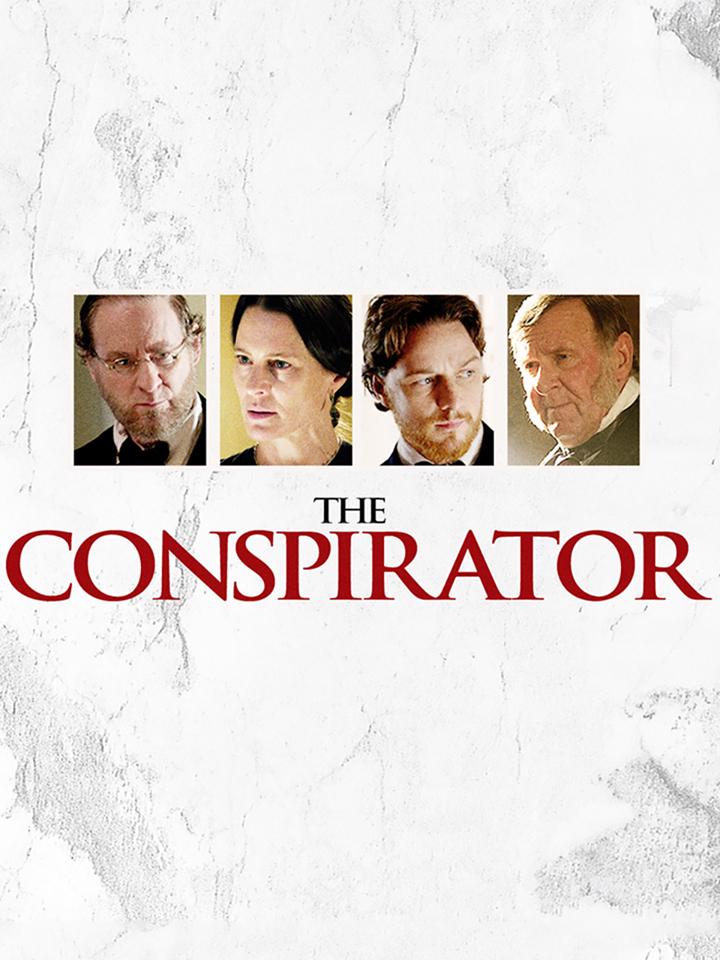
This is one of those historical dramas that slipped under a lot of radars, but really shouldn't have. Directed by Robert Redford, "The Conspirator" dives into the aftermath of Abraham Lincoln’s assassination, focusing on the trial of Mary Surratt, the lone female charged in the conspiracy. The film isn’t flashy, but it’s meticulous in showing the political tensions and societal complexities of post-Civil War America. The performances are what anchor the movie. Robin Wright brings a haunting quietness to Mary Surratt, while James McAvoy is earnest and conflicted as her reluctant lawyer. Their dynamic is the emotional heart of the story. The supporting cast, which includes Tom Wilkinson and Kevin Kline, adds real weight to the courtroom scenes, making them feel more gripping than you might expect. What stood out most to me is how the movie deals with the concept of justice versus vengeance. It doesn’t shy away from the ugly, sometimes unfair ways justice is handed out in tense times. Some of the dialogue risks feeling didactic, but I appreciated how unapologetically the film challenges us to examine bias, loyalty, and morality. Visually, "The Conspirator" has a muted, almost sepia-toned palette that matches the somber atmosphere. The costume and set design are subtle but immersive. The pacing can be a bit slow, especially if you’re not already invested in the historical subject matter. At times, it prioritizes facts over narrative flair, which may turn off viewers looking for more action and less legal wrangling. You would enjoy this if you like thoughtful, dialogue-heavy period pieces or have a soft spot for courtroom dramas with high ethical stakes. It’s not the kind of film that blows you away with spectacle, but it quietly gets under your skin and makes you think about the real cost of justice.
"Conspiracy" is a chilling, quietly intense dramatization of the 1942 Wannsee Conference, where senior Nazi officials coordinated the implementation of the "Final Solution." It's set almost entirely in a lavish lakeside villa, lending the whole film a claustrophobic intimacy that’s both tense and disturbing. Kenneth Branagh leads the ensemble cast with icy precision as Reinhard Heydrich, displaying subtle power dynamics as the men debate logistics with horrifying calmness. What really stood out for me is how the film relies on sharp dialogue and nuanced performances rather than flashy visuals or action sequences. The way the script exposes the banality of evil—these men discussing genocide like a corporate strategy meeting—is both unsettling and deeply compelling. Stanley Tucci, in particular, is fantastic as Adolf Eichmann; his almost bureaucratic detachment makes the proceedings even more unnerving. The cinematography supports this atmosphere well, using muted colors and lots of medium shots that never let you forget you’re just one of the people in that room. There are moments where the pacing lags a touch, especially given how heavy the subject matter is—sometimes you wish for a break in the tension, but the relentless dialogue doesn’t really allow it. "Conspiracy" doesn’t have traditional character arcs or action—the power is in the historical accuracy and how it lays bare the chilling normality of these horrifying decisions. The film is almost stage-like, and at times you feel as trapped as the attendees, witnessing a moment that changed the world without leaving the room. You would enjoy this if you like tightly-wound dramas based on real events, or if you’ve seen things like "12 Angry Men" or HBO historical films. This isn’t a popcorn flick—it’s thought-provoking, uncomfortable, and rewarding for viewers interested in the darker corners of history.
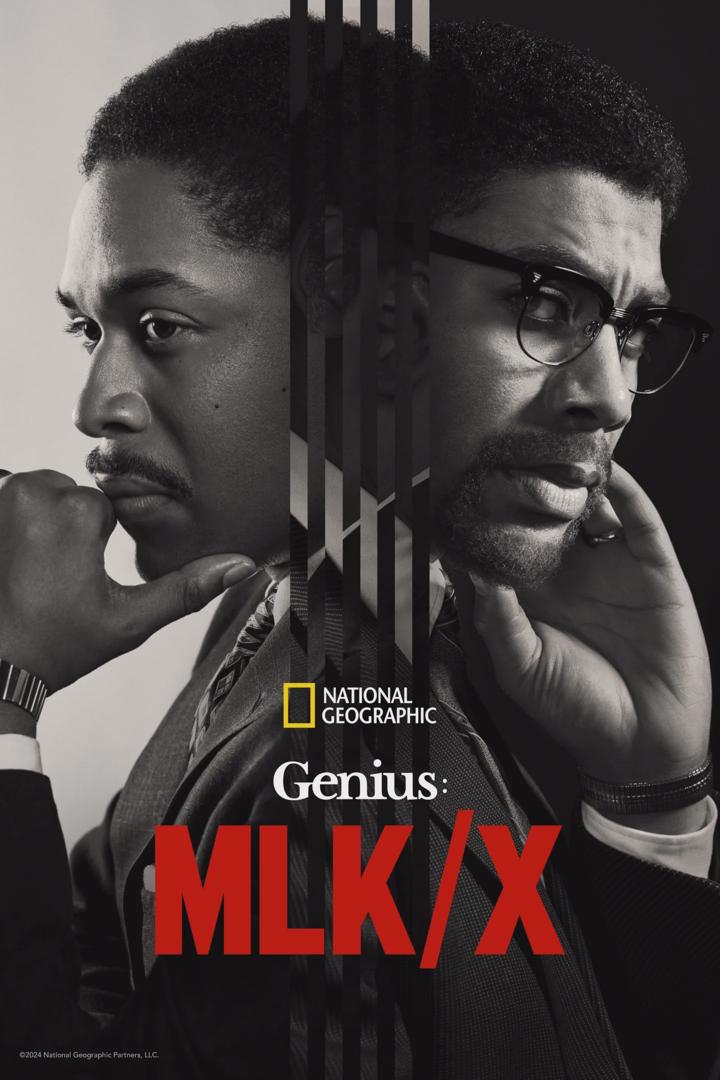
The first season of the "Genius" anthology series, focused on Albert Einstein, really surprised me. It’s not just a dry biopic, but a smartly told mix of science, philosophy, and personal drama. The show weaves through various timelines, showing young and old Einstein struggling with both the breakthroughs and blind spots in his life. Geoffrey Rush, in particular, brings a warmth and eccentricity to Einstein’s later years that makes him feel oddly approachable. What impressed me most is how the series doesn’t shy away from Einstein’s flaws—his complicated relationships, ambition, and his sometimes messy private life are all on display. Some episodes dive deeply into his marriage to Mileva Marić or his fractious dealings with the academic establishment, which adds real texture to what could've been a worshipful portrait. There are moments where you genuinely feel for the people around him, too, not just the man himself. Visually, there’s nothing flashy here—don’t expect mind-bending visual effects or anything—but the period details and color palette work well to evoke the early-20th-century atmosphere. The show has a grounded, almost old-fashioned look that matches the subject matter. Sometimes it gets a bit repetitive with the lecture scenes or the laboratory shots, but generally, it keeps things moving thanks to brisk pacing. The storyline jumps back and forth between different time periods, which sometimes can be a little confusing if you’re not paying close attention. But this structure also helps highlight how Einstein’s earliest passions and ideas shaped—and were shaped by—the conflicts of his later life. Some of the supporting cast doesn’t quite hit the same note as Rush, but Johnny Flynn as young Einstein does a solid job balancing intensity and vulnerability. You would enjoy this if you’re even a little bit curious about science history, or if you like character-driven stories that don’t sugarcoat their hero’s journey. It’s perfect for those who appreciate clever storytelling and historical context, but maybe not for someone looking for fast-paced action. Give it a try if you want something a bit meatier and more complex than your standard history fare.
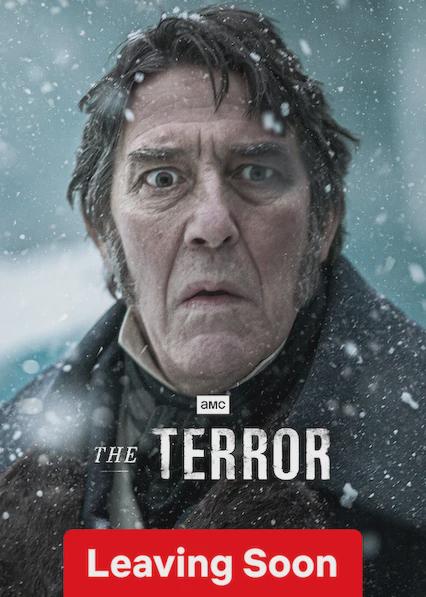
If you’re up for a moody, slow-burn historical drama with a chilling twist, The Terror is one of those shows that quietly flies under the radar. Set in the 1840s, it fictionalizes the real-life doomed Arctic expedition of the HMS Erebus and HMS Terror, slowly enveloping you in bone-chilling cold and even colder interpersonal tensions. The show gradually goes from a period survival drama into something much darker and more unsettling, weaving together history and folklore in a way that you truly don’t see coming. The performances are fantastic — Jared Harris, in particular, brings both gravitas and vulnerability to his role as Captain Crozier. The supporting cast doesn’t miss either; there’s this constant sense of tension and mistrust, heightened by how isolated and desperate everyone slowly becomes. The writing is careful and detailed, never rushing things, which works beautifully for the atmosphere but might feel a touch slow for anyone wanting big action beats. What really stands out to me is the cinematography. The vast white expanses of the Arctic are starkly beautiful, and the claustrophobic ship interiors feel almost coffin-like as the crew’s situation deteriorates. The visual style leans into dread, making every creak of the ship and every flickering lantern feel ominous. It’s really impressive how the show uses the setting to reflect the characters’ crumbling hopes. Not everything lands — some of the more supernatural elements might feel like a strange fit if you’re after strict historical accuracy, and a couple of character arcs get a little lost amid the sprawling cast. The show demands patience: it takes its time building the tension, and sometimes episodes can feel like they're inching forward. But if you like stories where the setting is as much a character as the people in it, this one’s worth sticking with. You would enjoy this if you like dark, atmospheric historical dramas with strong ensemble acting and don't mind a bit of slow-burn storytelling. Fans of shows like Chernobyl or films like The Revenant will probably find a lot to love here, especially if you appreciate a true story steeped in atmosphere and a touch of the unknown.
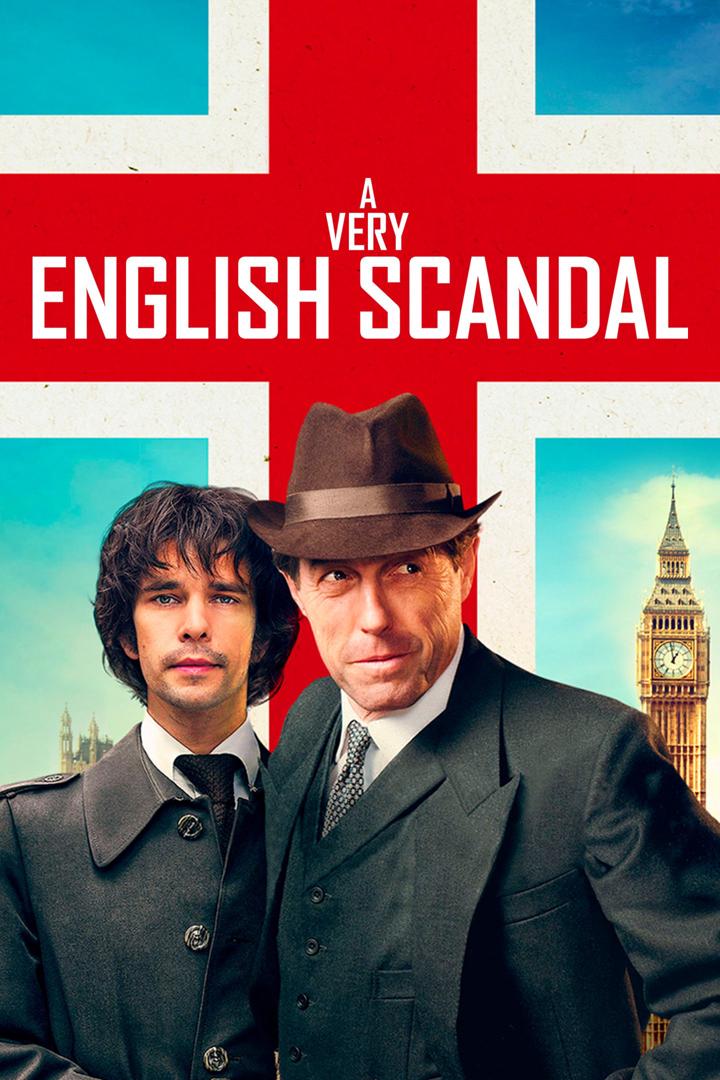
This three-part miniseries dives into the wild, real-life British political scandal surrounding Jeremy Thorpe, a charismatic MP whose secret love affair threatens to unravel both his career and personal life. It’s like a history lesson delivered with both dark humor and genuine pathos, rooted in 1970s England (with all its polyester, prejudice, and paranoia on display). I was surprised by how much fun it was, given the heaviness of the core events — there’s this brisk, slightly mischievous tone that threads through the whole thing. Hugh Grant completely disappears into Thorpe — he’s calculating, charming, sometimes sympathetic, sometimes absolutely infuriating. Opposite him, Ben Whishaw as Norman Scott is heartbreaking and sly in equal measure, making every scene between them tense and unpredictable. The supporting cast, including Alex Jennings and Monica Dolan, bring a wry, offbeat Britishness that gives the story a sense of lived-in authenticity. The show’s period recreation really stands out: it’s vibrant but never cartoonish. The costumes and sets deliver that mundanely dreary 1970s England with the right mix of nostalgia and realism. Stephen Frears’ direction is sharp, always finding little ironies in the story, and the pace never drags, which is impressive for a show handling scandal, attempted murder, and legal drama all in a short runtime. Some spots felt a little compressed — you can sense the rush to squeeze a wild, years-long event into three episodes, and occasionally this means a bit of character nuance gets flattened. There’s also a distinctive Britishness to both the humor and legal proceedings, so if you’re more accustomed to fast-cut, American-style political dramas, it might take a bit to adjust. You would enjoy this if you like true-life scandals, darkly funny history lessons, or performances where the actors disappear into complex, flawed people. Think The Crown but seedier and zanier, with a sharp wit and a real human core.
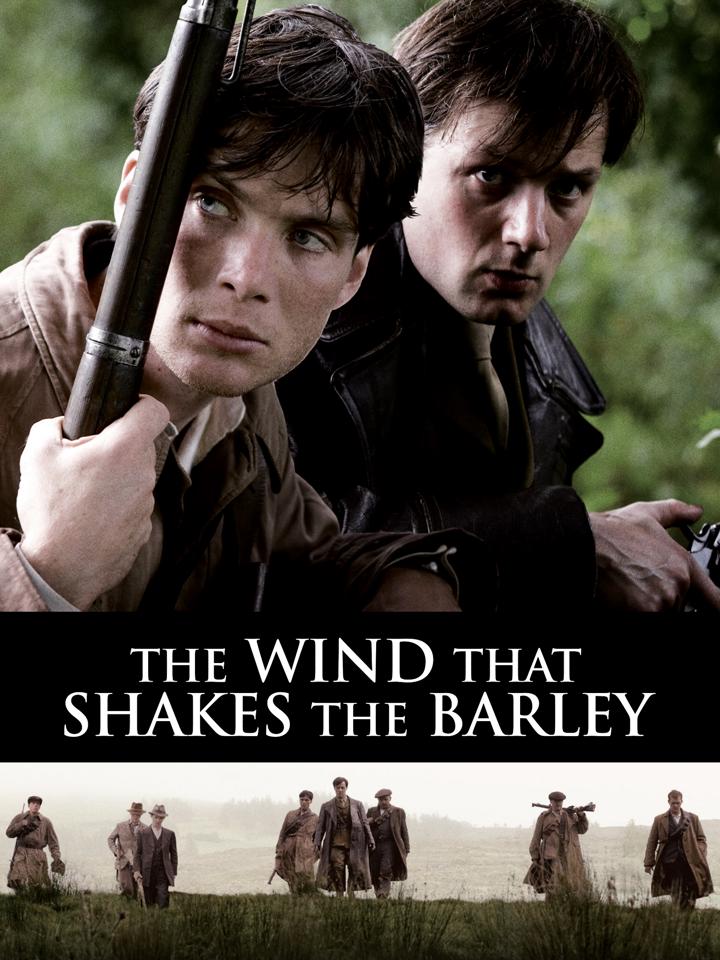
This film drops you right into early 1920s Ireland during the tumultuous fight for independence from Britain. It follows two brothers, played by Cillian Murphy and Pádraic Delaney, who join the Irish Republican Army together but find themselves on opposite sides when civil war erupts. The tension between personal loyalties and political ideals drives the story, making it feel immediate, human, and very personal. Ken Loach directs with his signature raw, unfiltered realism. The cinematography is quietly beautiful, emphasizing the misty Irish countryside—there’s a palpable sense of place, with every stone fence and rain-soaked field adding to the authenticity. This is not a glossy Hollywood take, and that’s part of what makes it so compelling. Dialogue feels natural, sometimes even improvised, which makes the heartbreak all the more earnest. What really stands out are the performances. Cillian Murphy shows off an early depth that would eventually land him bigger roles, and the supporting cast give the film a grounded, everyday feel. It’s hard not to get caught up in the brothers’ journey, especially as their relationship erodes under the stresses of war and conflicting ideology. Some of the faces will likely be unfamiliar to you, but that adds to the realism. If anything doesn’t quite land, it’s that the pacing can feel slow at times. There’s a deliberate, almost documentary pace in the first act, which some might find a little sluggish. The script also demands your attention to follow the shifting political lines and who’s siding with whom, but this pays off emotionally by the end. You would enjoy this if you’re curious about the Irish struggle for independence, appreciate films that don’t over-sensationalize history, and like stories that wrestle with messy family dynamics set against a larger political canvas. It’s heavy, but meaningful, and perfect for a quiet night when you want to watch something that lingers after the credits.
This Norwegian historical adventure dives straight into the chaos of civil war-era Norway in the early 1200s. It follows two warriors, Torstein and Skjervald, as they risk everything to protect an infant heir to the throne during a bitter winter. I was immediately pulled in by the snowy landscapes and the energy of the chase — the film opens with tension, and doesn’t slow down much from there. What really stood out for me was the sense of authenticity in the environments. The cinematography makes great use of Norway’s frozen wilderness — you feel the bite of the cold, which adds a physicality to both the danger and survival elements. There are some genuinely kinetic ski-chase sequences, which aren’t something you see too often in historical dramas. Visually, it’s a treat if you like rugged, immersive period settings. The story itself is straightforward, mostly focusing on loyalty, fatherhood, and the cost of war. It’s not trying to be a sweeping epic with dozens of political threads; instead, it feels smaller and more intimate, which I actually liked. The relationship between the two guardians and the little heir pulls the emotional weight. If I have a gripe, it’s that the characters beyond the main pair aren’t as fleshed out as they could be. Some of the villains and political figures are pretty one-note, and a couple of the plot turns felt telegraphed. But overall the film leans into adventure and momentum rather than twists, so it didn’t bother me too much by the end. You would enjoy this if you like historical adventures with a brisk pace, stunning winter visuals, and don’t mind subtitles (it’s in Norwegian). For fans of movies like The Revenant or The Eagle, but with a tighter focus on a particular episode in Scandinavian history.
So, this movie takes us to the chilling, remote Norwegian island of Bastøy in the early 1900s, where a reformatory for boys is run with an iron fist. What I liked immediately was the bleak, atmospheric cinematography—you can practically feel the cold, damp air and sense the isolation. The setting itself becomes a kind of character, adding weight to an already grim story about rebellion and survival. The film centers around Erling, a tough new arrival who refuses to accept the brutal discipline and cruelty of the staff. The way the story develops, you're drawn into this power struggle between boys and adults, with Mads Mikkelsen (as the stern governor) delivering a performance that's both chilling and weirdly sympathetic. The young cast also holds their own impressively, especially given the heavy subject matter. While it’s definitely intense, what stands out most is how it balances moments of camaraderie and hope amidst all the hardship. There are scenes where the boys bond, and those glimmers of humanity genuinely keep you rooting for them. The movie doesn’t shy away from showing how grim and unjust things were for these kids, but it stops just short of turning into pure misery porn. That said, it can feel a little heavy-handed at times—I found the pacing dragged in the middle, and some of the dramatic beats are predictable if you’ve seen other “reform school revolt” stories. It’s not here to reinvent the genre, but it’s a solid, emotionally charged entry with a distinctly Scandinavian flavor and attention to historical detail. You’d enjoy this if you’re into true-story-based dramas that don’t sugarcoat the past, or if you’re looking for a historical film outside the usual big-budget English fare. If you liked movies like Sleepers, but wanted something a bit grittier and with stunning wintry visuals, this one’s worth your time.
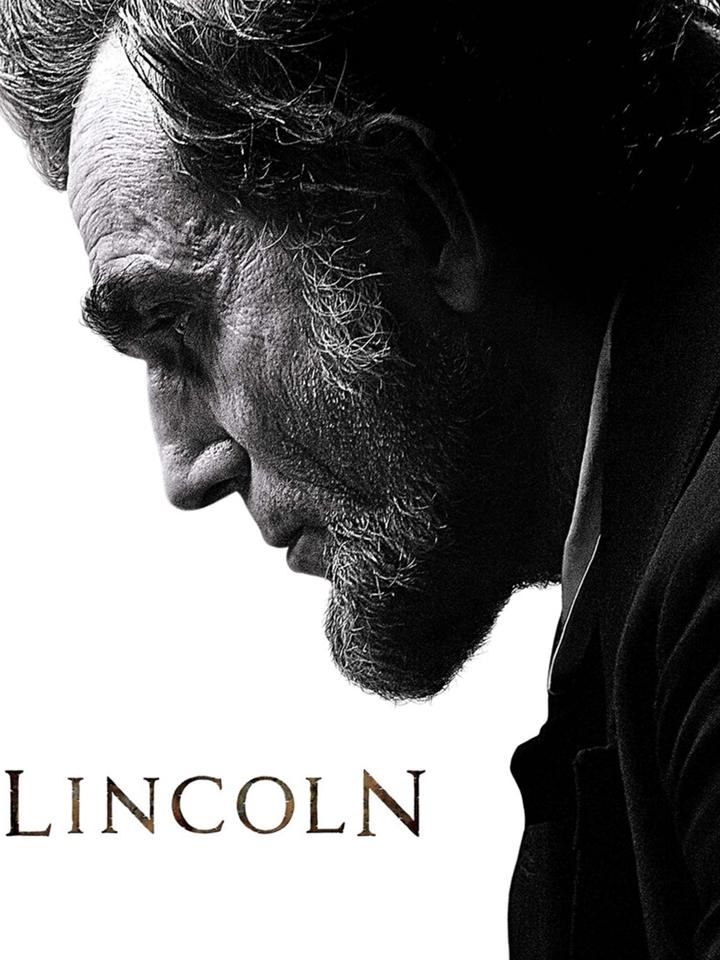
Steven Spielberg's "Lincoln" is one of those films that, on paper, should be a slog — a two-and-a-half hour drama about political wrangling in the 1860s sounds like the cinematic equivalent of a dry textbook. But this isn’t your high school history class. Spielberg leans hard into the chaos and compromise that actually defined the passing of the Thirteenth Amendment. He wisely shrinks the timeline to focus on the last few months of Abraham Lincoln’s life, which makes the story feel surprisingly tense and relevant. Daniel Day-Lewis's performance as Lincoln is honestly a clinic on how to embody a historical figure without lapsing into parody. Right from his first scene, he’s not just doing an imitation of Lincoln — he’s inhabiting a complicated, wry man who is both weary and determined. You feel the physical and emotional exhaustion in his hunched shoulders and cautious speech. It’s a performance that carries the whole movie, and every moment feels carefully calibrated. The supporting cast is stacked and brings some much-needed energy to a film that could have felt too solemn. Sally Field as Mary Todd Lincoln is genuinely heartbreaking at times, especially in a scene where she calls out her husband for his emotional distance. David Strathairn plays William Seward with just the right mix of loyalty and exasperation. But the real scene-stealer is Tommy Lee Jones as the cantankerous Thaddeus Stevens. His scenes actually snap with wit, sarcasm, and frustration. "Lincoln" really shines in the way it doesn’t sugarcoat the messy, unglamorous nature of politics. You get a sense of how ugly and manipulative those backroom deals were — and Spielberg doesn’t shy away from showing both compromise and hypocrisy. For example, the deliberate ambiguity about what constitutes "equality" for different factions exposes the squirmy moral underbelly of even the most celebrated historical moments. If there’s a flaw, it’s that the pacing drags in the middle act. The movie gets bogged down in endless congressional debates and procedural discussions. Some of these scenes are fascinating in how they subvert traditional “great man” storytelling, but others feel repetitive. I caught myself glancing at the time once or twice, wondering if we really needed this much footage of James Spader bribing people in dimly lit rooms. Visually, the film is quietly beautiful. Spielberg and cinematographer Janusz Kamiński fill everything with overcast light, soft shadows, and candlelit interiors. There’s a tactile sense to the production design, especially the cluttered war rooms and crowded House floor. The muted color palette keeps things somber but never dreary. It fits — this is not a rousing, flag-waving history lesson but a story about personal and political grit. The emotional beats hit harder than you might expect from a movie that spends so much time discussing legal language. There’s a moment when Day-Lewis’s Lincoln contemplates the real human cost of the conflict, and it’s not showy or melodramatic — just deeply human. John Williams’s score avoids his usual bombast and instead adds a gentle undercurrent, which stops the movie from being too sentimental. In the end, "Lincoln" is more about the process of change than the heroes behind it. It’s not pretending that the right thing “just happens”; it’s about how the right thing almost didn’t happen at all. This focus on moral negotiation gives the film its lingering power. It’s heavy, sometimes dense, but deeply rewarding if you stick with it. I left the theater actually thinking about how those long-forgotten political battles still echo in today's world.