Quick Info
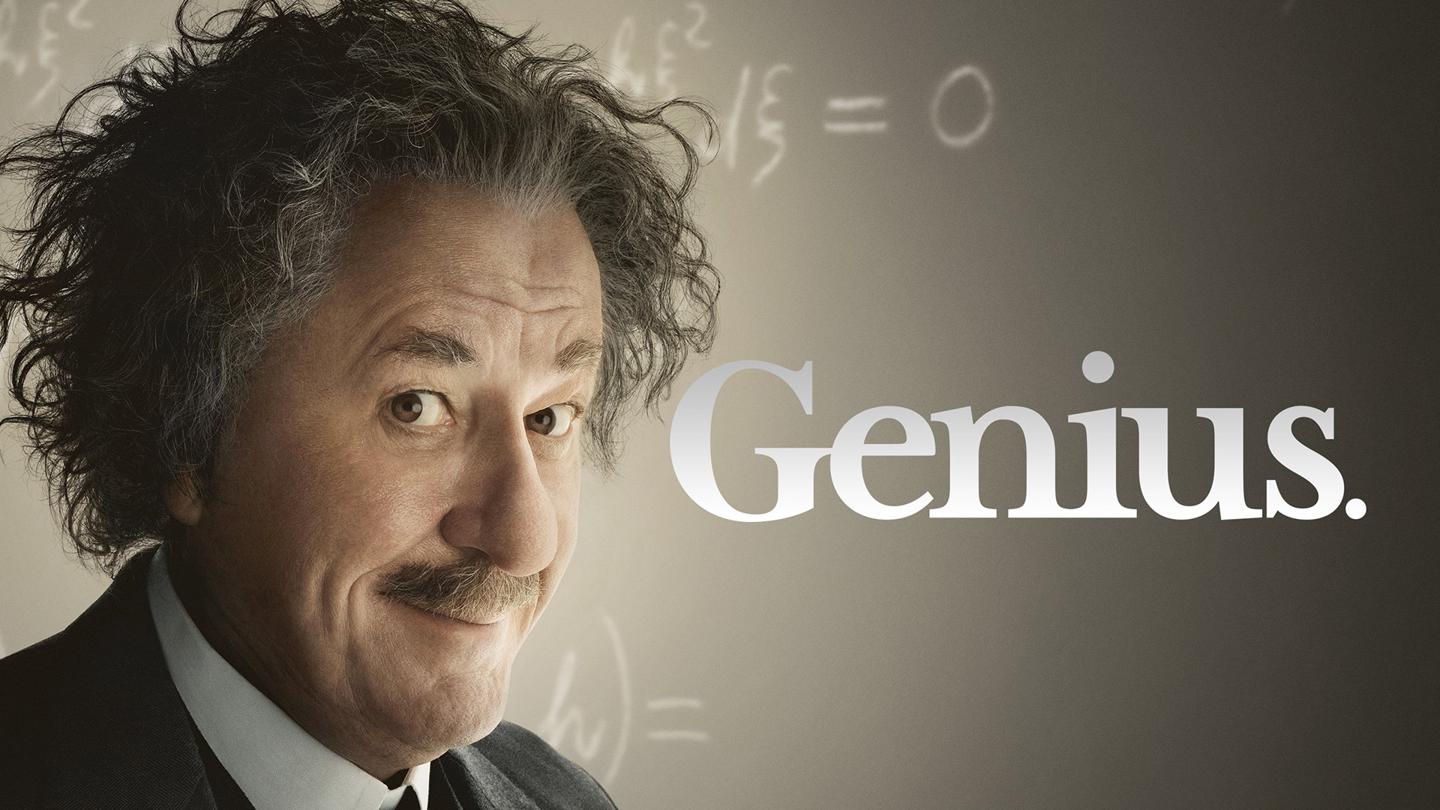
The first season of the "Genius" anthology series, focused on Albert Einstein, really surprised me. It’s not just a dry biopic, but a smartly told mix of science, philosophy, and personal drama. The show weaves through various timelines, showing young and old Einstein struggling with both the breakthroughs and blind spots in his life. Geoffrey Rush, in particular, brings a warmth and eccentricity to Einstein’s later years that makes him feel oddly approachable.
What impressed me most is how the series doesn’t shy away from Einstein’s flaws—his complicated relationships, ambition, and his sometimes messy private life are all on display. Some episodes dive deeply into his marriage to Mileva Marić or his fractious dealings with the academic establishment, which adds real texture to what could've been a worshipful portrait. There are moments where you genuinely feel for the people around him, too, not just the man himself.
Visually, there’s nothing flashy here—don’t expect mind-bending visual effects or anything—but the period details and color palette work well to evoke the early-20th-century atmosphere. The show has a grounded, almost old-fashioned look that matches the subject matter. Sometimes it gets a bit repetitive with the lecture scenes or the laboratory shots, but generally, it keeps things moving thanks to brisk pacing.
The storyline jumps back and forth between different time periods, which sometimes can be a little confusing if you’re not paying close attention. But this structure also helps highlight how Einstein’s earliest passions and ideas shaped—and were shaped by—the conflicts of his later life. Some of the supporting cast doesn’t quite hit the same note as Rush, but Johnny Flynn as young Einstein does a solid job balancing intensity and vulnerability.
You would enjoy this if you’re even a little bit curious about science history, or if you like character-driven stories that don’t sugarcoat their hero’s journey. It’s perfect for those who appreciate clever storytelling and historical context, but maybe not for someone looking for fast-paced action. Give it a try if you want something a bit meatier and more complex than your standard history fare.