
Browse our collection of musical reviews and ratings.Showing 12 of 23 reviews.
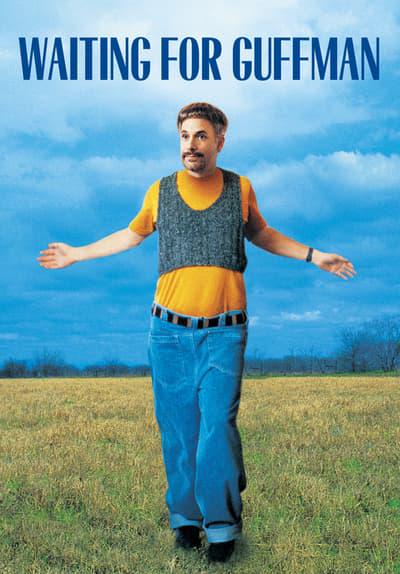
"Waiting for Guffman" is a quirky mockumentary musical that follows the dysfunctional citizens of a small Missouri town as they prepare an ambitious stage show for the town's sesquicentennial celebration. Directed by Christopher Guest, the film has this earnest, gentle humor that pokes fun at amateur theater without ever feeling mean-spirited. It dives into the personalities behind community productions—each character is both lovable and cringe-worthy, which makes their misguided, heartfelt efforts all the more endearing. What really stands out is the cast's improvisational genius. Christopher Guest, Catherine O'Hara, Eugene Levy, and Parker Posey commit to their roles in such an earnest way that each character feels like someone you really might know from your own town. The original songs are hilariously offbeat, and the performances strike just the right balance between sincere and silly. It's easy to feel a genuine affection for these wannabe stars, even when their dreams are clearly outpacing their talents. On the flip side, the movie’s hyper-specific style of humor—dry, understated, and loaded with inside-jokes about small-town America—won't land for everyone. If you prefer bolder, more sweeping musical numbers or tightly plotted storylines, you might find the pacing a bit slow and the lack of narrative drive underwhelming. Some jokes even feel better suited to the stage than the screen, but that almost adds to the charm in a way. Cinematography-wise, it's shot in an unfussy, documentary-like style: hand-held cameras, simple lighting, and lots of talking heads. This laid-back approach fits the subject perfectly, making it almost feel like a real behind-the-scenes doc at times. There are a few memorable visual gags—especially in the final performance, where the stage design and costumes are both intentionally awkward and delightful. You would enjoy this if you love the humor of “Best in Show” or “A Mighty Wind,” or if you’ve ever been involved in community theater (or been an audience member at one!). It's perfect if you appreciate musicals that are more irreverent than grand, and you don't mind characters who are kind of ridiculous but ultimately endearing.

"Bandstand" is a 2017 Broadway musical that was adapted into a filmed stage production for cinemas in 2018. Set right after World War II, it follows a group of veterans struggling to readjust to civilian life who form a swing band to enter a national radio contest. It’s both a toe-tapping celebration of 1940s swing and a surprisingly raw look at the lingering effects of war—kind of a rare combo in musicals, and it really works most of the time. Corey Cott and Laura Osnes lead the cast, and both are just electric. Osnes, in particular, brings this gentle strength and has a voice that’s at once classic and totally heartfelt. The choreography is legitimately impressive—Andy Blankenbuehler's work is instantly dynamic, and he gives every number a tight, propulsive energy that makes you wish you could see it in person. The big band numbers are an absolute highlight; you’ll want to replay "Welcome Home" more than once. What makes "Bandstand" stand out isn’t just its music (which is original and very much in the swing tradition), but its willingness to delve into PTSD and survivor’s guilt—stuff a lot of musicals shy away from, especially in flashy period settings. Sometimes the heavier scenes do get a little too on-the-nose, and the script can handhold its messages. Still, there’s honest heart in the way it addresses trauma, camaraderie, and finding hope through music. Production-wise, since you’re watching a filmed stage version, the cinematography aims for intimacy rather than spectacle. There are a couple of flatly shot moments (you can tell it’s for an audience, not a camera), but for the most part, it brings you close enough to catch all those subtle actor beats and dance details you might miss from the balcony. The costumes and set are appropriately 1940s lush—the period vibe is spot on without feeling kitschy. You would enjoy this if you like classic musicals with an emotional edge, or if you’re a fan of swing music and solid choreography. It’s a great pick for anyone curious about how musicals can tackle real topics, not just escapism—think "Come From Away" with a brass section. Probably not one for someone looking for a traditional happy-go-lucky show, but well worth checking out if you appreciate a thoughtful, heartfelt story in your musicals.
"Bandits" (not to be confused with the French New Wave film "Bande à part") is a 1997 German musical drama that I stumbled upon recently, and it’s honestly such a hidden gem. The story follows four female inmates who form a band while in prison. When they get a shot at performing outside, they make a run for it, turning into rock ‘n’ roll outlaws on the road, chased by both the police and sudden pop stardom. It’s a perfect mash-up of road movie and heist, with a real undercurrent of ’90s rebellion. What stood out for me was the distinct atmosphere — the cinematography excels at capturing both the grittiness of the girls’ fugitive journey and the sweet freedom of their music. There’s a lot of handheld camera work and almost guerilla-style shots that make you feel like you’re on this wild ride alongside the band. The music itself is catchy and gritty, with songs co-written and performed by the actresses themselves, which adds a layer of sincerity that you don’t often get in musicals. The performances are full of charisma, particularly Katja Riemann and Jasmin Tabatabai, whose chemistry as band members really anchors the film. The supporting cast never overshadows the four leads, which keeps the emotional focus tight. Not every subplot lands — it occasionally gets bogged down trying to juggle the cops-and-robbers antics with exploring the women’s pasts, but the film’s heart is clearly in the drama among the band. Some musical moments veer a little too much into melodrama, and the pacing flags a bit in the last third, but the movie always bounces back with another driving song or a spontaneous burst of energy. The raw, unpolished vibe actually ends up being part of its charm. This isn’t a polished Broadway-style musical — think more along the lines of "The Commitments" meets "Thelma & Louise," but distinctly German and female-fronted. You would enjoy this if you’re into stories about underdogs, enjoy indie/alt rock music from the ’90s, or want something a little messier and less predictable than your average musical. There’s a real lived-in quality here that makes the band’s fleeting freedom and hopefulness feel earned — and the soundtrack genuinely rocks.
This is definitely one of those odd gems that slipped under a lot of people's radars. "Bandits (a musical)" is a 2008 German film—don’t be confused with the American heist movie of a similar name. It follows an all-female rock band formed in prison, with the women ultimately deciding to break out and go on the run together. The musical numbers are performed by the cast, which really adds a raw, garage-band authenticity. What really stands out is the movie's energy and blend of rebellious spirit with genuine emotional moments. The songs are catchy (some even a bit grungy) and feel like they could have been pulled off a late-90s playlist. Katja Riemann, Jasmin Tabatabai, and the rest of the cast have great chemistry and really commit to both the music and the drama. The film does a nice job balancing dark humor with themes of desperation and friendship, never letting things get too grim or too silly. Visually, it's shot in a loose, almost kinetic style that matches the escape-on-the-run plot. Sometimes it’s chaotic, mirroring the characters’ feelings, which works, even if it occasionally makes the action a little hard to follow. The flashier musical numbers have a slightly rough, low-budget feel, but that actually fits the aesthetic—these aren’t polished pop stars; they’re women trying to find their voices and a way out. On the down side, the story does get a tad melodramatic at points, with some character motives and side plots feeling a bit rushed. The pacing isn’t perfect, especially in the middle act, but the movie’s heart and unique style more than make up for its uneven moments. While it's not a sweeping spectacle like "Moulin Rouge," it has a directness and authenticity I really appreciated. You’d enjoy this if you’re into offbeat musicals or stories about unlikely underdogs, and especially if you like music-driven road movies with a touch of grit. If the idea of a German “Thelma & Louise,” but with original rock music, appeals to you, “Bandits (a musical)” deserves a spot on your watchlist.
Sometimes you stumble across a musical with a wild premise, and “Bandits” (aka “Bandidas”), a French-German production directed by Christian Duguay, is exactly that kind of surprise. Set in 1990s Germany, it's a blend of crime caper and girl-band fantasy, following four women who escape prison and form a rock band while on the run. The plot sounds completely outlandish, but it leans into its own style with cheeky gusto, and that’s part of the fun. The biggest standouts here are the cast—especially Katja Riemann and Jasmin Tabatabai—who bring both grit and vulnerability to their outlaw characters. The chemistry among the ensemble works in its favor, giving each character a distinct arc, while the songs (performed by the actresses themselves) are genuinely catchy and layer in real emotion. The musical performances have an edgy, garage-band authenticity that fits the narrative’s sense of rebellion and camaraderie. Visually, you can tell it was shot on a tight budget, but the cinematography makes creative use of gritty, urban spaces as the backdrops for the band’s performances and run-from-the-law antics. There's nothing fancy in terms of flashy camera moves, but the energy is undeniable and the pacing keeps things moving briskly. It has that '90s European indie vibe that’s a little rough around the edges, and that ends up feeling charming rather than off-putting. If there’s a weak point, it’s that the story sometimes trades plausibility for style—the leaps of logic you’re expected to make can stretch a little thin. Not all the drama lands, and the tonal jumps from wacky chase scenes to emotional band moments don’t always blend seamlessly. But if you go in knowing you’re watching an off-kilter, part-musical, part-heist story, it’s weirdly easy to forgive. You would enjoy this if you like offbeat, girl-powered crime comedies with earnest musical interludes and don’t mind a mix of gritty realism and improbable escapes. Especially recommended if you’re into ‘90s European cinema or movies like “The Commitments,” but want something with a literal criminal twist.
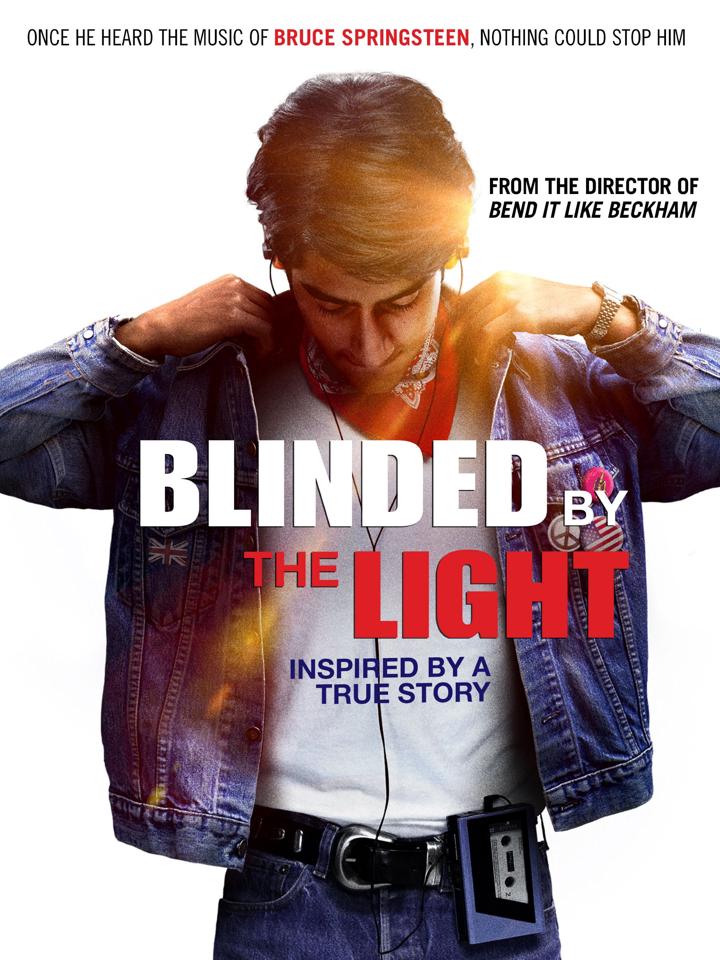
"Blinded by the Light" is a British coming-of-age musical drama about a Pakistani teenager in 1980s England who discovers Bruce Springsteen’s music and finds the courage to express himself amid cultural and generational clashes. While at first glance it seems like just another feel-good indie flick, it’s surprisingly heartfelt and evocative of what it’s like to belong to two worlds. The music isn’t your typical all-singing, all-dancing Broadway fare — instead, it creatively weaves Springsteen’s lyrics into the protagonist’s everyday struggles and dreams. What I really appreciated was how the film used its soundtrack. Instead of characters randomly bursting into song, the story lets the Boss’s music soundtrack real emotional moments or gets literally plastered onto the screen in quirky, stylized ways. It injects both nostalgia and freshness, even if you’re not a die-hard Springsteen fan. The sequences where the lyrics become a physical part of the scene were especially memorable and fun to watch. That said, sometimes the story gets a bit heavy-handed — some scenes spell out their messages a little too plainly, especially when it comes to family and racism themes. The supporting characters are a bit archetypal (the strict dad, the rebellious friend, the supportive teacher), and while that keeps the film light, it doesn’t leave as much room for nuance as I’d have liked. Still, the earnest performance by Viveik Kalra as Javed really anchors the film. The late-‘80s England setting is lovingly recreated, with everything from fashion to politics feeling authentic but never distracting from Javed’s journey. Visually, it’s nothing flashy or overly cinematic, but it’s comfortable and warm — like a favorite vinyl. You can tell the filmmakers wanted the focus on story and music rather than fancy camerawork, and for this kind of film, it works. You’d enjoy this if you like underdog stories, have a soft spot for music that changes lives, or ever felt a bit stuck between cultures. It’s a great pick for anyone who enjoys movies like "Sing Street" or "The Commitments," or anyone who wants a reminder of how powerful music, family, and a little rebellion can be.

Have you ever stumbled across a film that feels like listening to your favorite indie album on a lazy Saturday? "God Help the Girl" is just that kind of movie. It’s a quirky, Glasgow-set musical about Eve, a young woman dealing with mental health struggles, who finds hope and creativity through songwriting and new friendships. The film is written and directed by Stuart Murdoch, the lead singer of Belle and Sebastian, so if you’re into that wistful, delicate pop sound, you’ll feel right at home. The first thing I noticed is the film’s almost dreamlike atmosphere. It’s very stylized—full of pastel-colored costumes, whimsical set pieces, and moments that feel lifted right out of a music video. The cinematography is sweet and evocative, giving Glasgow a summery, slightly magical glow (even when rain is pouring down). The musical numbers are charmingly low-fi and spontaneous, with a homemade vibe that fits the characters so well. The cast is a real highlight. Emily Browning (you might know her from "A Series of Unfortunate Events" or "American Gods") plays Eve with a warm, brittle vulnerability, and her singing voice really surprised me—soft but expressive. Olly Alexander (from Years & Years) and Hannah Murray bring genuine awkwardness and earnestness to their roles as James and Cassie. They have an easy chemistry, even in the scenes that veer into twee territory. That said, not everything lands perfectly. The pacing can feel a bit uneven, sometimes drifting in the way of an aimless summer afternoon. The plot is pretty light (sometimes almost too lightweight), so if you’re expecting dramatic highs and lows, you might find yourself wanting a bit more substance. But personally, I really appreciated how the story stays grounded in small, honest moments. You would enjoy this if you love music-driven coming-of-age stories with hearts on their sleeves, or if you're into indie films overflowing with style and a sense of longing. Especially give it a go if Belle and Sebastian is in your Spotify rotation, or if you liked movies like "Sing Street" or "Once," but want something a touch more whimsical and gentle.
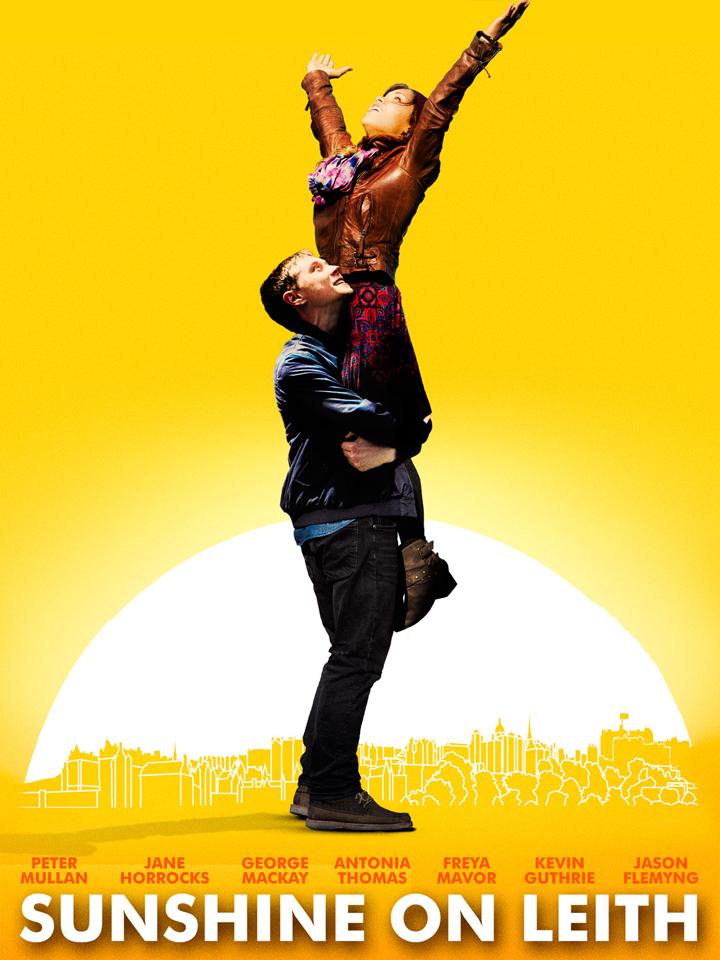
If you’re in the mood for a musical that’s equal parts heartwarming and cheeky, "Sunshine on Leith" is a lovely little surprise. Adapted from a stage musical based on the songs of The Proclaimers, the story weaves together the lives of two soldiers returning home to Edinburgh, with romantic entanglements and family revelations taking center stage. It’s got this earnest, working-class warmth that British musicals tend to nail, and the city of Edinburgh provides such a genuine, atmospheric backdrop. The musical numbers are a real highlight — there’s a rough-around-the-edges charm to them, and while not every cast member is a Broadway-level singer, their performances feel authentic. "I'm Gonna Be (500 Miles)" is easily the standout, turning into a big, almost joyous group number that’s hard not to tap along to. It kind of feels like a love letter to the simple joys of home, love, and friendship. Some of the plot twists veer into soap-opera territory, with misunderstandings and melodrama that feel a little forced. It doesn’t always quite earn its big emotional moments, but it never leans too hard into gloom either. If anything, some scenes could have used a little more time to breathe, especially when it comes to exploring the strained relationships at the heart of the story. Visually, it’s a treat — lots of golden-hour cityscapes, and a few memorable street-dance sequences that bring the setting to life. The cinematography isn’t flashy but serves the tone, staying grounded and down-to-earth. Peter Mullan and Jane Horrocks are reliably great, and the younger leads bring an earnest likability, even if their acting can be a bit uneven at times. You would enjoy this if you’re into jukebox musicals, stories that lean more on sentiment than spectacle, or if you just want something optimistic without being saccharine. If you like films like "Once" or even "Sing Street," this will probably hit the spot. It’s not groundbreaking, but it’s undeniably feel-good and sincere.
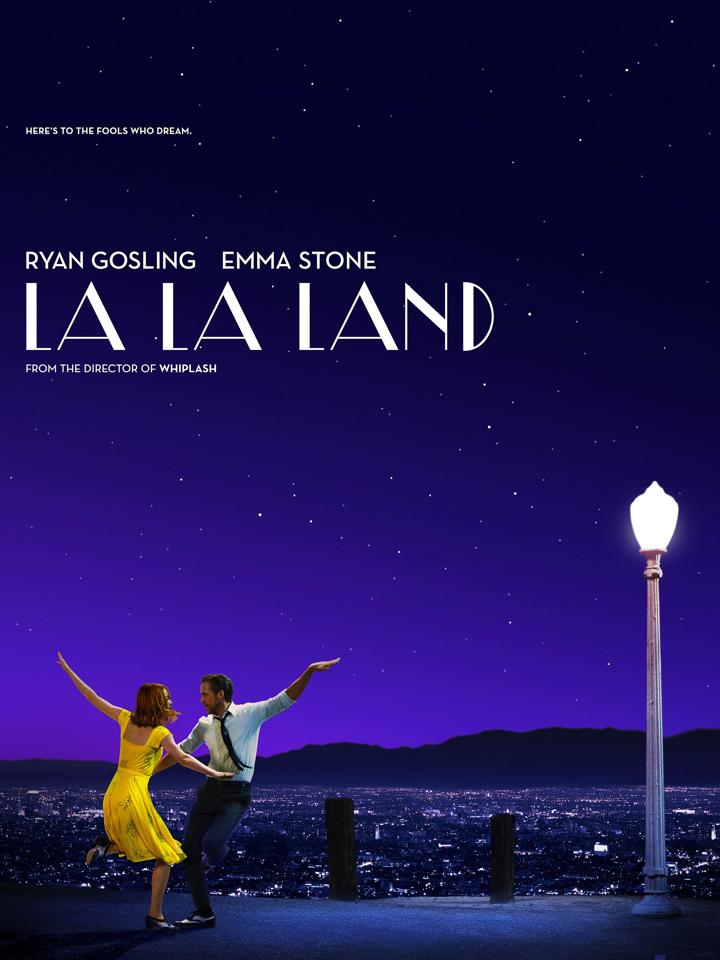
La La Land is one of those movies that make you fall a little in love with movies again, even if you’ve had your heart broken by clunky musicals before. It’s a jazzy, pastel-soaked valentine to old-school Hollywood, with Emma Stone and Ryan Gosling sliding into their roles as struggling artist types in Los Angeles. She’s an aspiring actress, he’s a purist jazz pianist, and their paths keep crossing in ways that are sometimes awkward but ring sweetly true. From the opening “Another Day of Sun” highway number, you instantly feel the film’s breezy confidence and ambition. It’s like director Damien Chazelle threw down the gauntlet: yes, we’re singing on the 110 Freeway and you’re just going to have to be on board. What really stood out for me is how alive the city of LA feels throughout – not in the touristy, star-maps way, but in the everyday struggle of audition queues, coffee shop shifts, and dodgy bars trying to keep live music afloat. The cinematography glows with primary colors and nighttime neon, often bathing everything in a storybook haze. There’s a magic to it, but also a weariness. When Stone’s Mia gazes out over the city’s twinkling lights, you feel both the scale of her dreams and how easily they could slip out of reach. I have to talk about the chemistry between Stone and Gosling. It’s not electric in the traditional, swooning sense – but there’s a vulnerability and awkwardness in their dances and shared glances that feels real. Their banter is charming without being sharp or jaded. Stone, especially, is kind of a revelation. Her big audition number leaves her voice breaking at the edges, which somehow makes the emotional punch land even harder. You’re with her, rooting for her not just to land a part, but to hold onto her sense of self. Musically, La La Land pulls off something tricky. It borrows the playful, bouncy energy of MGM classics, but drops jazz musings and wistful ballads that rarely stick in your head the way, say, Grease or The Sound of Music do. “City of Stars” is probably the catchiest, but even that gets under your skin more for its fragile mood than for its melody. Honestly, if you want toe-tapping tunes in a musical, you will probably find the individual songs here more background moods than earworms. The film rides a fine line with nostalgia. Sometimes this works beautifully, as in the planetarium dance sequence, which feels like a modern answer to the fantasy ballets of the ‘50s. Other times, the movie seems a little too in awe of its own references. There are nods to Rebel Without a Cause, to Jacques Demy’s French musicals, to Fred and Ginger. If you’re not a musical theater nerd or cinema geek, you might miss some of the winks – or maybe you’ll just find them a little smug. Pacing wise, La La Land takes its time, especially in the middle third. Some viewers I’ve talked to found this stretch drags, and I can see why. It’s less about plot and more about mood – creative frustration, missed chances, and the ache of wanting something big without knowing how to get there. Chazelle trusts the audience to sit in these moments, which is bold for a genre that often relies on brash choreography and major plot turns. Still, it does mean there are scenes that feel less memorable or even a little slow. There are emotional gut punches here, though, delivered in quiet or sometimes dazzlingly surreal ways. The movie’s epilogue is especially bold and bittersweet. Without spoiling it, I’ll just say I appreciated that La La Land doesn’t tie everything up in sparkly Hollywood ribbon. Instead, it lingers on the idea that sometimes just loving someone – or loving something like music or acting – is messy and only briefly perfect. The fantasy sequences are astonishingly well-edited and carry genuine emotional weight. La La Land isn’t perfect. Some of the vocal performances are just okay, a couple of songs are forgettable, and the film’s reverence for the past can occasionally border on self-indulgence. But there’s also something so earnest about it, so intent on capturing the weird euphoria and heartbreak of following a creative passion, that I still find myself thinking about it years later. It’s a love letter not just to Hollywood but to anyone who’s failed spectacularly and dared to try again.
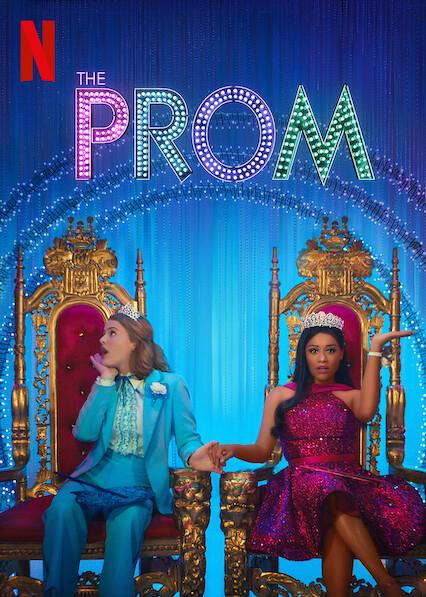
Let’s be real — not every Broadway adaptation for the screen works. “The Prom” is a case that sits awkwardly in the middle. The story is simple: in a small Indiana town, a lesbian teenager named Emma just wants to bring her girlfriend to the school prom. When the PTA shuts down the event, a trio of washed-up Broadway actors smell an opportunity for positive PR, and descend upon the town to save the day. It’s as earnest as they come, and the plot is genuinely sweet, if a little cartoonish. Visually, “The Prom” tries to match the glittery spectacle of the stage show. Ryan Murphy puts the whole candy-colored aesthetic on blast. Some shots look like you’ve been dropped into a sequence from “Glee” season two — all giddy tracking shots, rainbow spotlights, and matching costumes. I didn’t always love it. The cinematography is bright and energetic, but at times it’s so artificial-looking that it borders on parody. There’s a real disconnect between the sincerity of the story and the Instagram-filter sheen of the visuals. The cast is both the best and worst part. Meryl Streep, Nicole Kidman, and James Corden absolutely commit, dialing up the camp to about twelve. Streep is delightful when she gets to be ridiculous, and Kidman brings warmth to a thinly written role. Corden is divisive, and I’ll be frank — his performance lands with all the subtlety of a pie to the face. He’s supposed to be the emotional anchor but feels out of place, as if he wandered in from a different movie. Jo Ellen Pellman, who plays Emma, is the real heart of the film. She brings this natural, soft-spoken vulnerability that cuts through the bombast. Every time she’s on screen, you remember there’s an actual person at the center of all this noise. Ariana DeBose (her closeted girlfriend) is equally magnetic, even if she gets much less to do than she deserves. Their scenes together are gentle, honest, and refreshingly unpolished compared to the rest of the movie. Pacing is bumpy. The first 40 minutes are a madcap whirlwind of musical numbers and “funny” Broadway in-jokes — it feels like the film is screaming for attention, afraid you’ll turn it off if it isn’t constantly shouting at you. But then, once the plot gets real, it drops into a stretch that feels heavy-handed and melodramatic. It’s hard to switch gears from slapstick to social-justice earnestness, and “The Prom” isn’t deft enough to manage the tonal shifts gracefully. Musically, it’s a mixed bag. Some numbers, like “Dance With You” and “Unruly Heart,” are genuinely moving, and the choreography is bright and bouncy. But most songs aren’t that memorable on their own. The lyrics trend toward the obvious, and a couple of the set pieces just feel cringey (looking at you, “Love Thy Neighbor”). There’s a little too much winking self-awareness, and it undercuts the emotional punch that these musicals can deliver at their best. What did work for me was the climactic message. The movie genuinely believes in acceptance, inclusivity, and the power of showing up for people who need you. Even if everything’s painted in broad pastel strokes, there’s heart behind the spectacle. There are moments — mostly centered on Emma — where you see what this movie could have been, something honest and vulnerable wrapped inside all the pageantry. All in all, “The Prom” is like eating a slice of rainbow cake: it looks incredible, it’s loaded with sugar, but you’ll probably forget about it soon after. It isn’t a disaster or a triumph, just a very loud, surprisingly uneven ride. If you love Broadway, camp, and Murphy’s particular brand of spectacle, you might have a good time. Otherwise, it’s probably a skip.
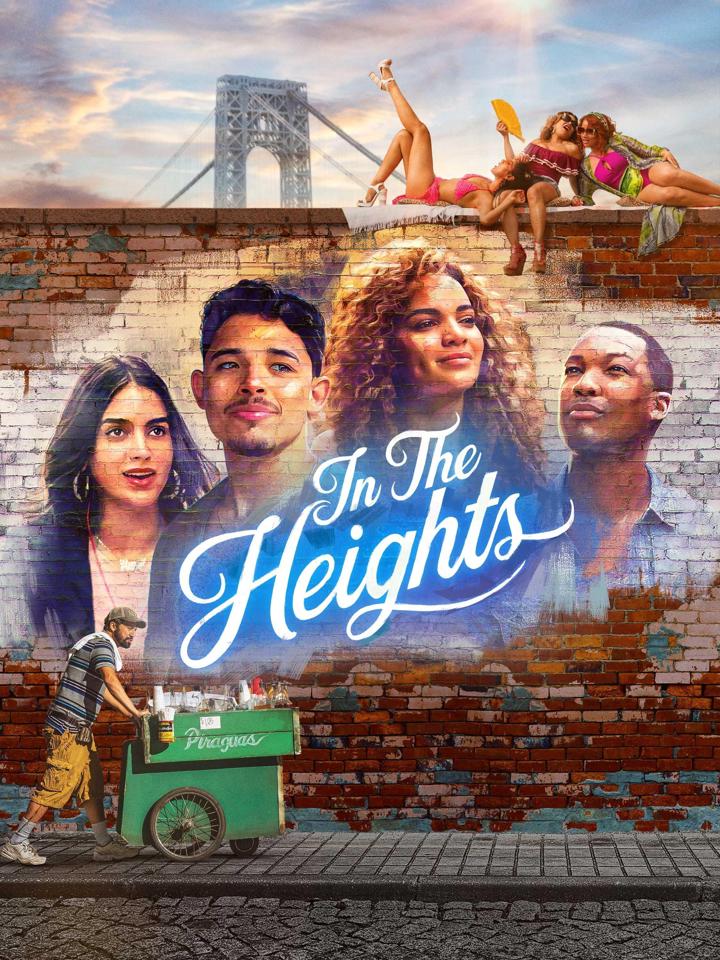
I finally got around to watching “In the Heights” after meaning to for literal years. I’m glad I waited until the hype simmered down, because what a fascinatingly mixed bag it is. If you don’t know, this is the film version of Lin-Manuel Miranda’s Broadway musical (pre-Hamilton era), set over a few days in a Dominican neighborhood of Washington Heights in New York. We follow Usnavi (Anthony Ramos), the bodega guy with a big heart and even bigger dreams, along with a suite of characters just trying to make it in a city that never stops pressing in from all sides. Let me start with the good stuff: the energy in this movie is so infectious that sitting still feels impossible. The musical numbers are massive, bursting with color and choreography that treats the block like a playground. “96,000” in particular is a wild poolside sequence that I replayed just to see all the clever, coordinated movement. Honestly, it’s the kind of spectacle musicals should aim for more often. The camera actually lets you see the dancing, instead of chopping everything up in frantic MTV cuts. Director Jon M. Chu gets the bigness of it all — and he lets it breathe. Performance-wise, Anthony Ramos is ridiculously charismatic, carrying Usnavi’s awkward sincerity and low-key sadness like it’s an old baseball glove he’s worn his whole life. Melissa Barrera (Vanessa), Corey Hawkins (Benny), and Olga Merediz (Abuela Claudia) all make their characters pop with distinct warmth. There’s real affection between them in every scene. But the true scene stealer is Merediz, whose quiet depth honestly made me tear up. She gives the whole thing its emotional spine, and she does it with what feels like minimal effort. That said, the film bites off a little more than it can chew emotionally. There are loads of conflicts and subplots swirling — generational pressure, gentrification, dream-chasing, romance, the big-deal blackout — but a lot of them get the broad-brush treatment. “In the Heights” wants to touch on The Big Issues, but it isn’t always brave enough to sit in the messiness of them. The film keeps one toe in fantasy and the other trying to say something potent about community and loss. Sometimes, that blend works. Other times, it feels thin. Tonally, I think Chu’s glossy optimism fits most scenes, yet in moments where the script gestures at hardship or real stakes, the brightness nearly washes it out. There’s a whole subplot about rising rents and families getting forced out, for instance, but you never really feel the anxiety or pain in any lasting way. The closest it gets is in the stories the characters tell each other, but even then, the film’s determined shine veers toward magical realism and away from real consequence. Pacing is a weird beast here. The first hour is absolutely electric — song stacked on song, brisk edits, scene after scene alive with possibilities. Then it sort of loses focus after the blackout and spends maybe thirty minutes meandering. There are lots of heartfelt moments, but I caught myself checking the time, wondering how much was left. The momentum drains and then has to claw its way back for the finale, which… kind of fizzles out in comparison to how everything kicked off. Visually, it’s a treat: stylized sun flares, saturated color, summer sweat practically sticking to the lens. But that same look also makes the film feel oddly “clean.” Even in hard times, everyone’s skin glows, and the streets look more like the backlot than, say, the grit of the real Heights. It’s less an authentic snapshot than a love letter written in neon, and while that’s nice, it left me feeling a step removed. My biggest gripe, which I can’t really ignore, is how much depth is sacrificed for big, bright musical fantasy. Don’t get me wrong: I love spectacle, and musicals should be bigger than life. But when every emotional reveal gets swept aside for the next perfectly staged musical number, you start to question what’s at risk for these characters beyond a few wistful monologues. By the end, I didn’t feel as wrung out as I wanted, just sort of warmed up.
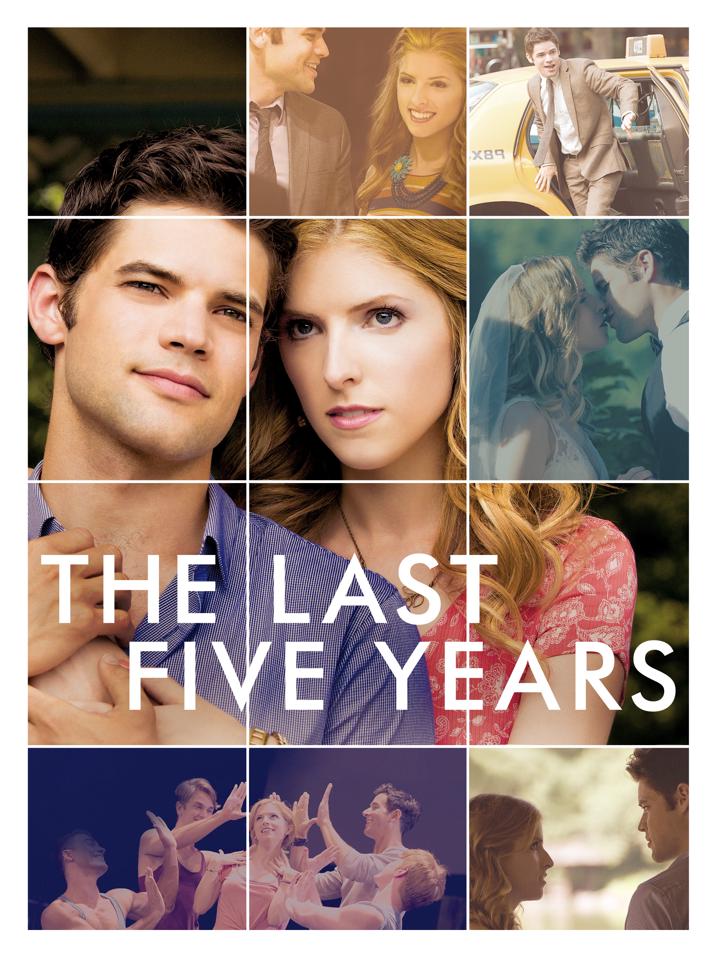
If you want a musical that ditches the big Broadway razzle-dazzle for something way more intimate (and maybe a little devastating), "The Last Five Years" is honestly right up your alley. The film is adapted from Jason Robert Brown’s wildly beloved stage show and follows a couple, Cathy and Jamie, across five years of their relationship—from exhilarating beginning to painful end. The trick here is that Cathy tells the story backward, from breakup to bliss, while Jamie goes forward in time. They only meet in the middle for one cathartic song. Yeah, structure nerds will love this. Anna Kendrick is hands-down the MVP of this thing. She plays Cathy with this vulnerable, self-deprecating honesty. Every little quirk, every flicker of hope, every pang of disappointment—she’s got it covered. Her voice, which can go from airy and insecure to full-bodied and angry within a single line, just knocks some of the movie’s best numbers out of the park. "Still Hurting" is especially brutal in her hands. If you thought she was great in "Pitch Perfect," prepare to see her actually act and not just sing cute pop covers. Opposite her, Jeremy Jordan is charismatic as Jamie, an ambitious, fast-rising novelist. He nails the allure—the early cocky charm that makes you understand why Cathy falls so hard—but also the selfish streak that makes some of their later scenes genuinely uncomfortable. Jordan’s voice was built for this score, and you can feel the Broadway experience in his delivery, even if sometimes he seems a bit too polished compared to Kendrick’s rawness. Tone-wise, the movie keeps things grounded and kind of cleverly simple. It’s mostly just the two of them, moving through New York apartments, bookshops, rehearsal spaces, cabs. Sometimes it feels a little stagey, with lots of lingering closeups and deliberately theatrical blocking. But this is definitely a choice—it’s almost like you’re trapped inside their heads, reliving the best and worst moments with them. Where the film struggles a bit is in pacing. Because the two characters almost never interact except for that midpoint, it can start to feel repetitive as each sings directly to the camera (or an imaginary partner). You miss that dynamic chemistry, and after two or three songs, the back-and-forth timeline isn’t quite enough to keep the structure feeling fresh. By the last third, it’s emotionally exhausting—and at times, a little claustrophobic. Still, director Richard LaGravenese succeeds in keeping the transitions smooth, especially with the use of color and lighting. He leans into warmer, sunnier looks for the romantic highs, and earthier, colder hues when things fall apart. This isn’t "La La Land" levels of lush cinematography—it’s more muted and insular but it matches the material. The focus is squarely on the performances. Something I have to mention: If you’re not into sung-through musicals, this might test your patience. There is very little traditional dialogue, and the lyrics are dense, often carrying all the narrative weight. That’s impressive in its own right, but I’ll be honest: there are a few spots, particularly in Jamie’s later songs, where emotional impact gets lost under clever wordplay and musical acrobatics. But then a song like "Goodbye Until Tomorrow" comes in and you remember why people are obsessed with this show. At its best, "The Last Five Years" is a raw, honest (and sometimes painfully relatable) look at a relationship’s slow implosion. It isn’t perfect, but it’s gutsy, and it trusts its leads to carry the emotional load without frills. If you want a musical that makes you feel something other than “happy,” this one is totally worth your time—even if you might need a drink afterward.