
Browse our collection of romance reviews and ratings.Showing 12 of 25 reviews.
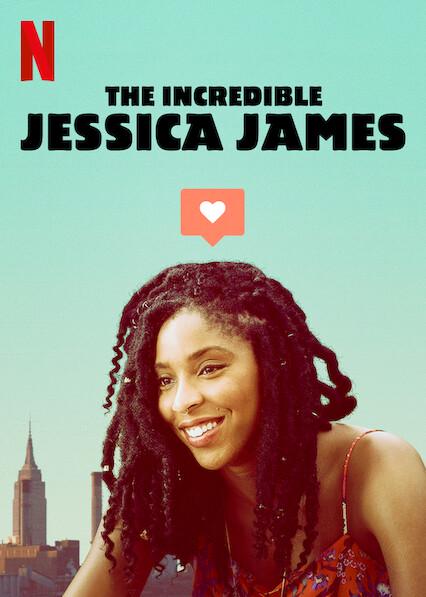
I stumbled upon The Incredible Jessica James kind of by accident, and it turned out to be one of those refreshing indie rom-coms that feel truly modern. The story follows Jessica, an aspiring playwright in New York, who’s recovering from a breakup and reluctantly re-entering the dating scene. What’s unique here is how the film juggles her messy real-life ambitions with awkward, funny attempts at moving on, especially when she meets Boone, a recently-divorced app developer. Jessica Williams owns every scene — seriously, her energy is infectious and she makes Jessica feel so real and relatable, awkwardness and all. There’s something really authentic in the way she portrays heartbreak; it’s not overly dramatic, but it isn’t brushed aside either. Chris O’Dowd, as Boone, brings this sweet, slightly weary vibe, and their chemistry is more unconventional than swoony, but it totally works for these two oddballs. The film’s sense of place stands out too — you get a palpable sense of Brooklyn’s bustle and the creative frustration that comes with trying to “make it” in a huge city. The cinematography doesn’t show off, but it’s sharp and confidently unfussy, which works for a story that’s so much about real emotions and the everyday grind. The soundtrack is full of indie gems that give it an extra kick. If there’s a flaw, it’s that some side characters (like Jessica’s playwright friends) don’t get developed as much, and a few plot threads could have gone deeper. It doesn’t reinvent the genre, but it sidesteps most clichés with a good-natured wink, landing somewhere between sassy and sincere. The ending is more about growth than a fairytale wrap-up, which fits perfectly with the overall tone. You would enjoy this if you want a romantic comedy that feels genuine, celebrates creative underdogs, and lets its leading lady shine without being pigeonholed. It’s a warm, easy watch that’s perfect for a solo movie night — especially if you’re over the usual glossy romance tropes.
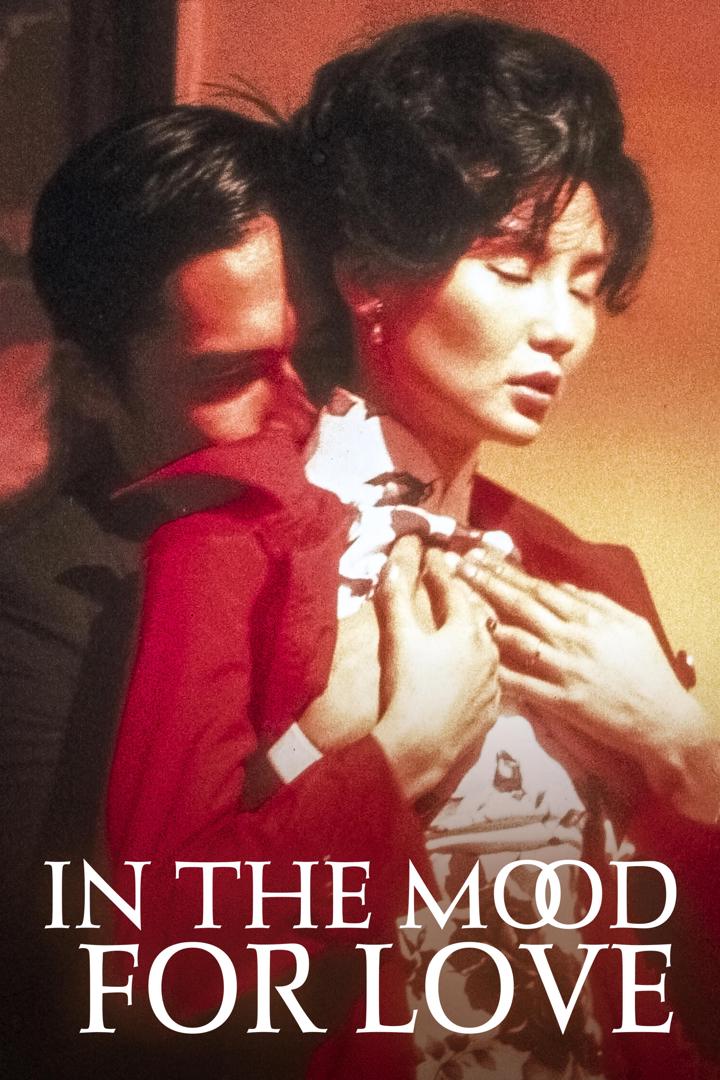
This is one of those movies that lingers with you, even if it never quite explodes with drama. “In the Mood for Love,” directed by Wong Kar-wai, is set in 1960s Hong Kong and follows two neighbors who develop a tentative friendship after suspecting their spouses of infidelity. At its heart, it’s about longing, missed connections, and the small, polite rituals that surround heartbreak. The mood is absolutely draped in melancholy; the slow pacing allows you to soak in the colors and emotions of every scene. The cinematography is gorgeous and almost painterly, with so much of the story told through reflections, passing glances, and the spaces between the characters. Maggie Cheung and Tony Leung give quietly powerful performances, often saying more with a look than with words. I’ll admit, the plot can feel minimalistic — it’s not about big romantic gestures, but the subtlety of what’s never dared to be said or done. Sometimes, it’s even frustrating in how little catharsis it gives, but it’s precisely that restraint that makes the story feel real and complex. If you’re expecting sweeping declarations or an epic love story, this isn’t quite that film. One thing that really stands out is the use of music and sound. The recurring motifs, the echoes of footsteps down a hallway, the faint hum of the city—the atmosphere is basically a character in itself. Combined with the stylized costume and production design, it creates a rich, immersive world that’s easy to get lost in for two hours. You would enjoy this if you’re into slow-burn romance, beautifully crafted visuals, and stories that explore the emotional gray areas in relationships. It’s best watched when you’re in the mood for something meditative and quietly moving, not looking for action or lighthearted laughs.
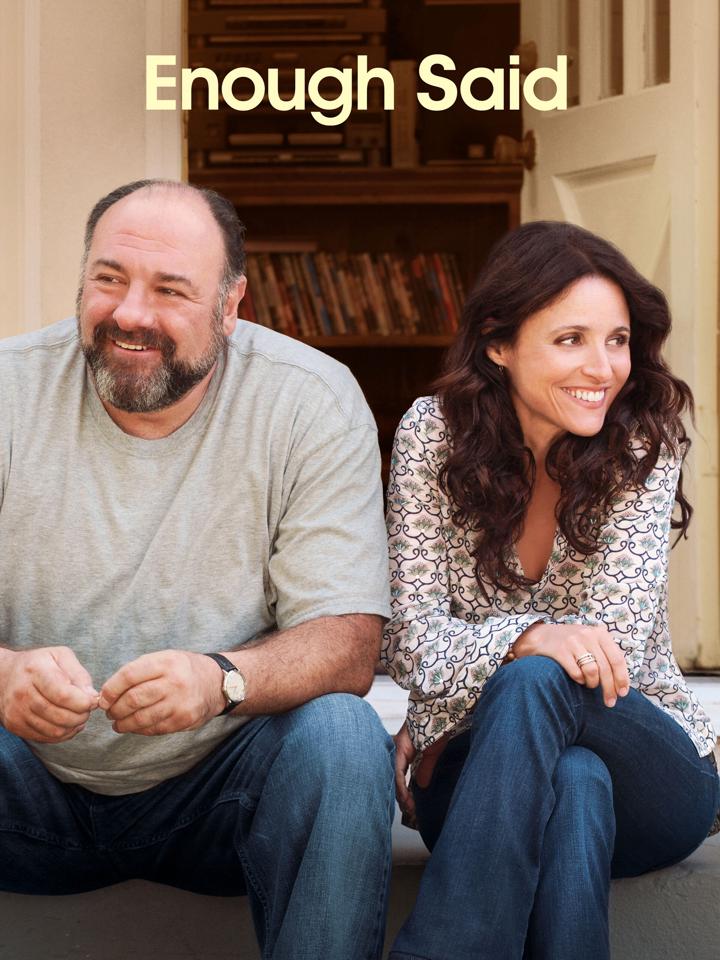
This is one of those rare romantic comedies that doesn’t feel manufactured or cloying. "Enough Said" follows Eva, a divorced masseuse, as she stumbles into an unexpected romance with Albert, only to discover he’s the ex-husband of her new friend. The plot sounds like something out of a sitcom, but the film sidesteps cliches and digs into the awkwardness and vulnerability of dating later in life. Julia Louis-Dreyfus and James Gandolfini (in one of his final roles) have a really charming, believable chemistry. Gandolfini, especially, brings a gentle, quietly funny presence that completely sidesteps his usual tough-guy typecasting. Their conversations feel so natural you’ll forget you’re watching actors. Louis-Dreyfus is both hilarious and painfully relatable. Nicole Holofcener’s direction keeps things feeling breezy and intimate, mostly set in sun-dappled Los Angeles neighborhoods and homes. There’s not a lot of flashy cinematography, but the cozy, slightly cluttered interiors make everything feel lived-in and real, like you could easily step into their lives. It’s a great example of how a specific setting can quietly enrich a simple story. If I’m being critical, some of the supporting characters (especially Eva’s teenage daughter and her best friend) don’t get quite enough room to breathe. The subplot with Catherine Keener as the ex-wife sometimes feels undercooked. Still, these are pretty minor drawbacks in a film so firmly focused on its main duo. You would enjoy this if you like your romance stories dryly funny, a little bittersweet, and grounded in the messiness of actual life rather than fairy tale logic. It’s ideal for fans of indie films, Holofcener’s other work, or anyone who misses the feeling of a clever, grown-up romantic comedy.
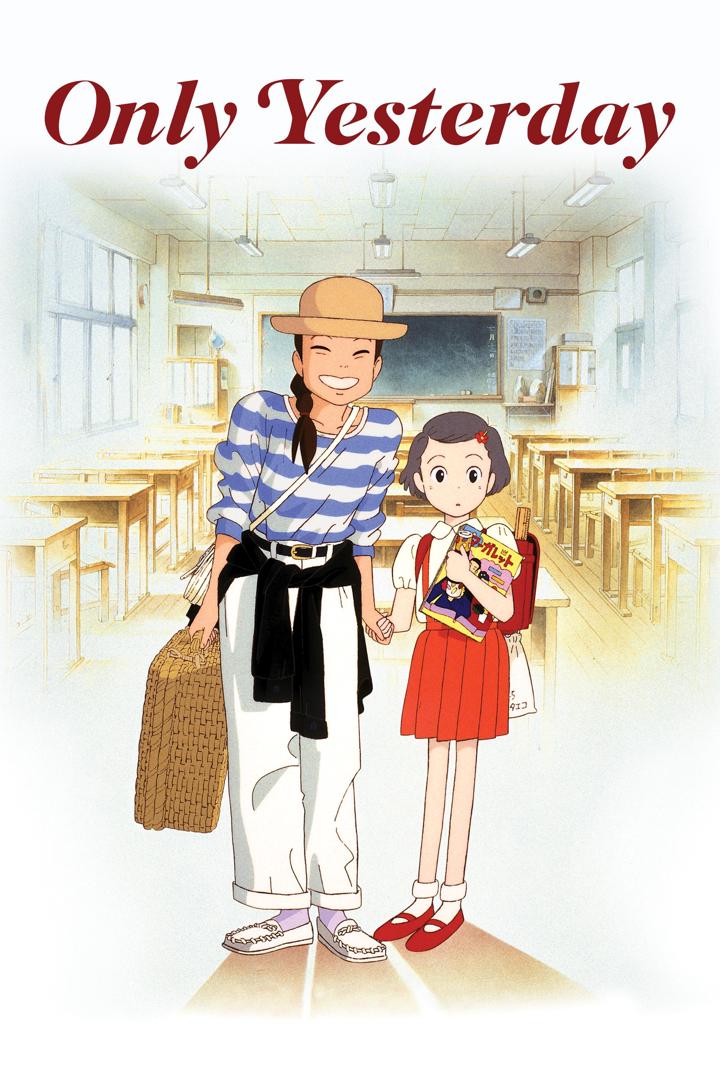
This is one of those movies that sneaks up on you. "Only Yesterday" is a beautifully understated animated romance from Studio Ghibli, but unlike their more famous works, it's set firmly in the real world and follows a 27-year-old woman named Taeko as she reflects on her childhood during a trip to the countryside. It moves at a gentle, personal pace that feels almost meditative. What really stood out for me was the way the film blends present-day scenes with Taeko's memories. The color shifts whenever we flash back, with dreamy, watercolor backgrounds that seem to fade at the edges, perfectly capturing the haziness of nostalgia. I loved the attention to mundane details — farming, family dinners, awkward school moments — all of which make the romantic thread feel grounded and genuine. The romance itself is subtle and slow-building, mostly through conversations and shared silences rather than big declarations. Some viewers might wish for a bit more drama or clear-cut plot, but I found the quietness refreshing. The "will they, won't they" angle is handled with such realism and restraint that it feels like something that could really happen. The voice performances (especially in the original Japanese) are gentle but full of emotion, adding a lot to characters who, at first, seem ordinary but reveal surprising depths. Visually, it has those signature Ghibli touches, just dialed down into everyday life: wheat fields, train rides, gentle breezes. It's a romance for people who like their stories honest rather than flashy. You would enjoy this if you love romance movies that are more about growth, memory, and subtle feelings than grand gestures. "Only Yesterday" is perfect for anyone who enjoys slice-of-life stories or wants a break from the usual tropes.
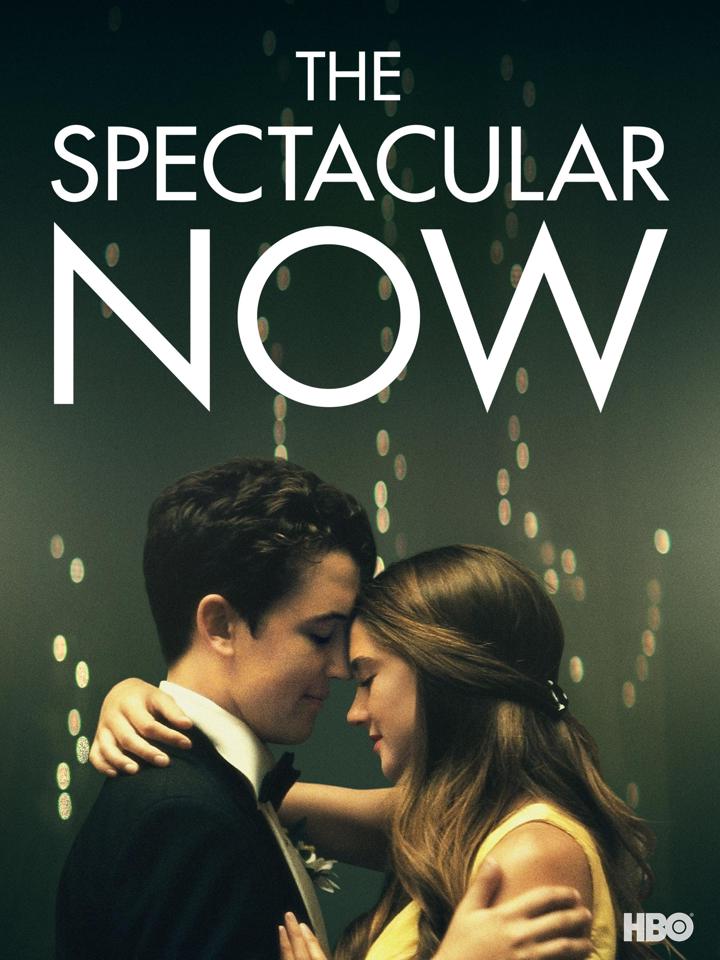
So, "The Spectacular Now" is one of those coming-of-age romance movies that surprised me with how honest and raw it felt. It follows Sutter, a high school senior who's charming and quick-witted but drinks way too much and lives entirely in the moment. He unexpectedly falls for Aimee, a sweet, thoughtful girl who's sort of invisible at their school. The story gently unfolds as their relationship pushes them both out of their comfort zones. What really stood out to me was the chemistry between Miles Teller and Shailene Woodley. Their performances are natural and vulnerable—nothing feels forced or overly dramatized. The conversations between Sutter and Aimee have this awkward realness that’s just so relatable if you've ever experienced those intense first loves or tricky transitions into adulthood. It avoids a lot of the usual clichés you'd expect in teen romances. Cinematography-wise, it's understated but beautiful. The film uses soft, warm lighting and handheld camera work that gives it a dreamy, almost nostalgic feel without being overly stylized. The setting feels lived-in and real, which builds on that sense of authenticity the film is going for. The storyline does have a few pacing issues—there are moments where I wanted it to dig a little deeper, especially into Sutter's family dynamics and what really drives his self-sabotage, but it sometimes skirts around those heavier themes. Still, the movie’s strength is in its restraint and how it doesn’t try to wrap everything up perfectly. Life's messy, and this movie isn’t afraid to show that. You would enjoy this if you like romance movies that are more about emotional honesty than grand gestures. It’s not flashy or melodramatic, but it lingers with you. If you appreciate character-driven stories that feel authentic and maybe have a soft spot for indie vibes, you’ll probably really enjoy this one.
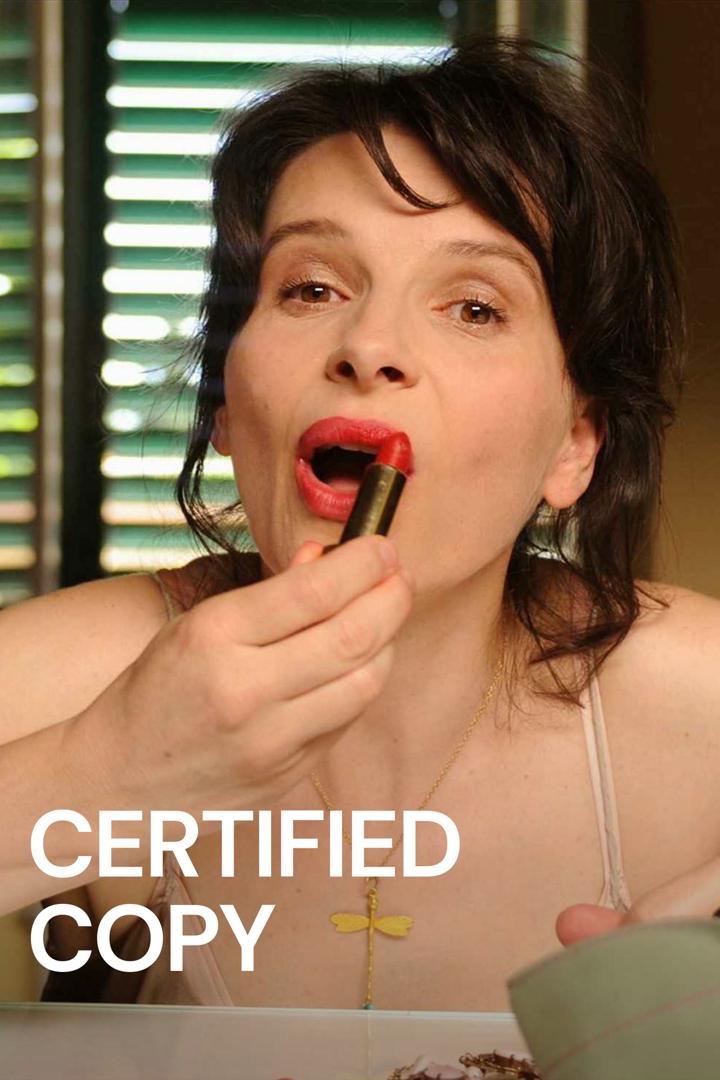
This is one of those romance dramas you stumble on and realize halfway through that you’ve never quite seen anything like it. “Certified Copy” (directed by Abbas Kiarostami) follows an English writer (played by William Shimell) and a French antiques dealer (the always captivating Juliette Binoche) who meet in Tuscany. At first, it seems like they’re strangers, but as they wander through sunlit villages, their conversation blurs the lines between reality and performance, until you’re questioning whether they’re newly acquainted or perhaps long-married. What really stood out to me is that the entire film is built almost entirely from conversation — sometimes playful, sometimes tense, and often surprisingly moving. Binoche is brilliant, shifting with ease from flirtation to frustration, and William Shimell, though not a professional actor, brings this careful restraint that actually works for the film’s shifting tone. The chemistry they develop is a puzzle in itself, and there’s a sly sense of mischief in how the movie keeps you guessing about what you’re really seeing. If there’s a drawback, it’s that the ambiguity can be frustrating at times. The movie is definitely not for everyone — if you like your romance straightforward and your endings clear, this might leave you a bit exasperated. Some stretches do get a little dialogue-heavy, and there are moments where I found myself wishing for a touch more narrative drive or background for the characters. But visually, it’s lovely. Kiarostami knows how to use a setting, and the film’s strolls through Italian squares and art galleries are as much about atmosphere as plot. The camera lingers patiently, sometimes in single takes that let you get absorbed in the scenery and the subtle expressions of the actors. The script also has some interesting reflections about authenticity in art and relationships, which gives you something to chew on after the credits roll. You would enjoy this if you’re into talky, European-style romances that leave you a bit unsettled and thoughtful, or if you’ve ever liked a Richard Linklater “Before Sunrise”-type movie. Definitely for fans of performances over plot, or anyone who appreciates a film that invites you to question what’s real in love — and in storytelling.
"Weekend" is such a quiet, naturalistic romance that it feels almost voyeuristic to watch. It follows Russell and Glen, two men who meet at a club in Nottingham and end up spending a transformative weekend together. What really stuck with me is how raw and unfiltered their connection feels—no sweeping gestures or melodramatic confessions, just long, meandering conversations and all the awkwardness of real attraction. You genuinely feel like you're peeking into someone's actual life rather than watching characters perform. I loved how the film tackled intimacy, especially those delicate early moments of vulnerability when you’re just getting to know someone. The dialogue is casual but loaded with subtext; the silences feel as heavy as the words. It doesn't shy away from the awkward, sometimes fumbling exchanges that happen when two strangers are figuring each other out. The chemistry between Tom Cullen and Chris New is phenomenal—they make every glance and hesitation count. There are aspects that might frustrate some viewers, though. The pacing is intentionally slow, almost stubbornly so at times, and there's not much action beyond talking, smoking, and a few walks around rainy city blocks. If you come in expecting plot twists or grand romantic gestures, you won't find them here. It’s all about two lives intersecting for a brief, intense spell, and then diverging just as quietly. What impressed me visually is how the camera lingers, mostly sticking close to the actors, letting their expressions and tiny gestures tell the story. The cinematography feels both intimate and a little claustrophobic, amplifying those moments of closeness and vulnerability. The muted color palette and unvarnished locations really ground the film in reality—you get a strong sense of place, almost as if the city is the third character here. You would enjoy this if you’re into stripped-down, dialogue-driven romances that prioritize character over plot—think "Before Sunrise" but with a bit more grit and British understatement. It's perfect for those who appreciate indie films, LGBTQ+ stories told with sensitivity, or anyone longing for a believable, low-key love story.
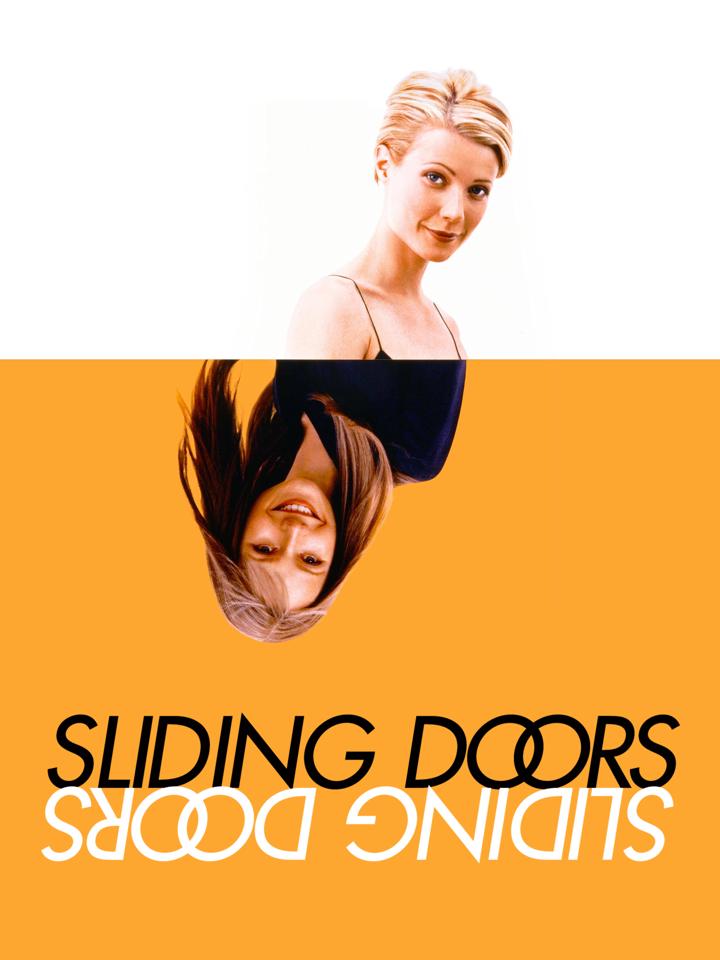
Let’s talk about Sliding Doors, the late 90s Gwyneth Paltrow romantic dramedy that a surprising number of people have seen but few will admit to loving. The premise is upfront and clever: What if a single moment split your life into two parallel timelines? Paltrow plays Helen, a Londoner whose fate hinges, quite literally, on catching a train. The film weaves back and forth between two realities — in one she makes the train, in the other she doesn’t — and from there, her romantic and personal life wildly diverge. What really stands out, even 25 years on, is how breezily the film handles its high-concept idea. It’s fun without ever feeling smug or overly enamored with its own cleverness. Director Peter Howitt doesn’t smother you with visual tricks; instead, he sticks with subtle cues (mostly haircuts and outfits) to keep the timelines distinct. It’s hardly Inception, but the clarity is refreshing. You never feel lost or patronized, and that’s not a small achievement for a movie with a split narrative. Gwyneth Paltrow is actually pretty great here. She’s got a slightly wonky British accent, but after ten minutes you stop noticing. It’s her vulnerability that grounds both versions of Helen. Paltrow’s performance is more natural than what she’d give in some of her later, more Oscar-baity roles. John Hannah, best known as the Scottish guy from Four Weddings and a Funeral, is charming and awkward in a way that feels real; you root for him instinctively. Jeanne Tripplehorn, on the other hand, plays one of the most grating “other women” characters I’ve seen, and that comes dangerously close to caricature. There’s never quite enough depth to her role, which is a shame. The emotional stakes are surprisingly high for a film best remembered as a “what if” romance. There are real moments of pain, insecurity, and quiet joy. It’s understated, and that restraint mostly works in its favor. The film never turns up the melodrama to Nicholas Sparks-level histrionics, which helps the characters feel like people instead of chess pieces being moved around for the sake of plot twists. On the downside, the pacing can get a little soggy in the middle third. There’s a chunk where you’re basically watching the same emotional beats play out in both timelines, and you kind of want the film to pick a lane and move forward. The script tries to balance screwball humor and genuine heartache, and sometimes trips over itself. A few of the jokes feel pretty dated, and the supporting cast outside the leads doesn’t leave a strong impression. Visually, Sliding Doors is nothing flashy. If you love moody London settings — rainy streets, cramped flats, cozy pubs — you’ll get your fix. It’s unpretentious, and honestly, that’s preferable to some soulless Hollywood sheen. The soundtrack, though, is classic 90s: watery pop, some soft Brit rock, a couple of light trip-hop tracks. Not groundbreaking, but comforting. What makes Sliding Doors kind of linger in your mind is how it handles the theme of chance and fate without getting preachy. The movie isn’t out to teach you a giant life lesson or lecture you about destiny. It just sits with the small, quiet choices people make and how they ripple outward. The ending in particular manages to be both low-key and surprisingly moving, even if you see parts of it coming. Is it flawless? Not even close. The timeline device, while clever, is a gimmick and by the end the film doesn’t quite know how to stick the landing emotionally. Still, it’s a smarter and more honest romance than most of its peers from the era. If you’re in the mood for something gently bittersweet that doesn’t insult your intelligence, it’s a solid pick.
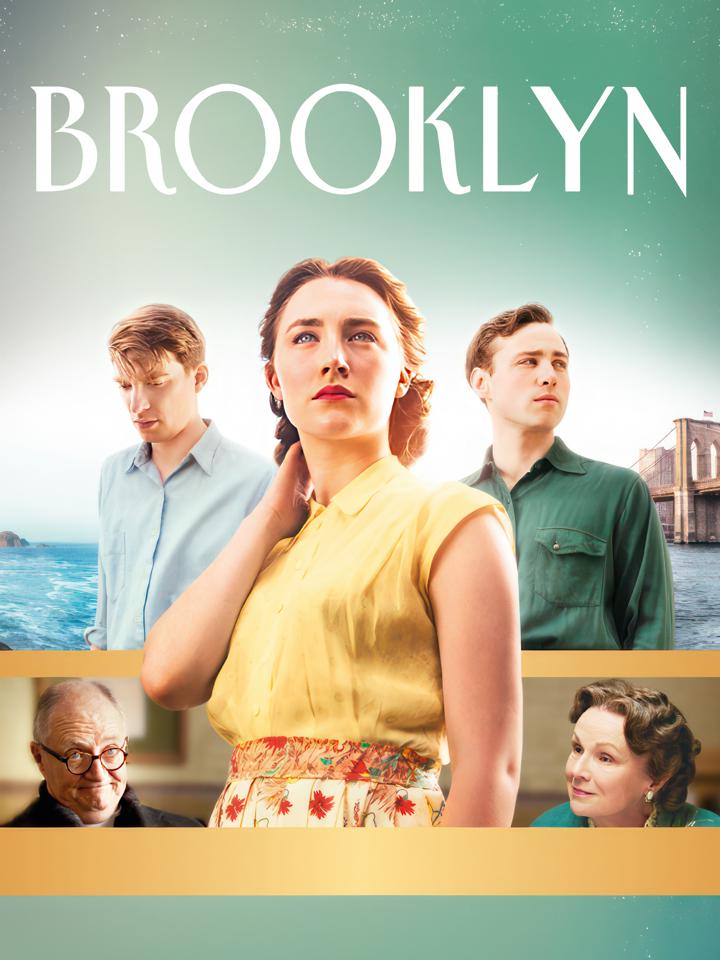
I finally got around to rewatching Brooklyn, despite every fiber of my cynical self pushing back — how much emotional sincerity can I handle in one sitting, right? Turns out, enough to sit through two hours of Saoirse Ronan making me root for her with every gorgeous frame. The story, based on Colm Tóibín’s novel, is set in the early 1950s and follows Eilis, a young Irish woman who immigrates to Brooklyn in search of a better life. She gets caught between two countries and two loves, which sounds like sentimental territory — and yeah, it is, but it’s done with a delicate hand. Saoirse Ronan does most of the film’s emotional lifting. She’s understated but constantly radiates everything her character feels. If you’ve ever made a huge life change and felt paralyzed by homesickness, watching Ronan will probably punch you right in the gut. The way her expressions flicker across uncertainty, loneliness, and longing is so subtle that you might miss it if you blink. She dominates every scene without ever feeling showy or over-the-top. The movie rides this soft-spoken wave — not once does it tip into melodrama. Even the romance between Eilis and Tony (the very endearing Emory Cohen) manages to feel authentic and honestly sweet instead of cloying. There’s this wonderful dinner scene where Tony introduces Eilis to his chaotic Italian family, and the awkwardness is so genuine that it almost feels improvised. The chemistry isn’t firework-sexual, but more like the warmth of standing in the sun. What really stands out is the cinematography. Director John Crowley and cinematographer Yves Bélanger paint New York and Ireland in completely different palettes, so you’re always aware of where Eilis’ heart is being pulled. Brooklyn’s colors are vibrant and bustling, hinting at opportunity, while Ireland sits in soft, grayish light that tugs at nostalgia. This makes transitions between settings feel extra meaningful, and visually makes the choice between home and away more palpable. For a film that deals with big emotional stakes, the pacing is patient. Maybe too patient for viewers who are itching for dramatic twists. But I found that the quiet, slow build gave the characters room to feel real, instead of bending to whatever plot contrivance comes next. The film also doesn’t vilify anyone — choices feel complicated, rooted in circumstance, not just sweeping declarations of love or identity. That nuance is rare in love stories, and it’s why Brooklyn stuck with me after the credits. That said, it’s not a perfect ride. The supporting cast is sometimes a little thin, especially the folks back in Ireland. I get that the film is Eilis’ story, but a bit more time with her family would have made the pull between her two lives more believable. There are also moments where the film leans almost too hard into quaint period detail — it can occasionally feel like a well-polished museum exhibit. If someone told me they found it visually stuffy, I’d get it. The emotional weight is definitely there, but if you’re looking for wild passion or anything subversive, Brooklyn probably won’t do much for you. It’s deeply earnest about love, loss, and what it means to belong — and while that makes the quieter second act richer, it also means the film sometimes pulls its punches when you wish it’d go for the jugular emotionally. It’s a credit to Ronan that even the smaller, understated moments hit as hard as they do. So, is Brooklyn a classic? Maybe not, but it’s beautifully crafted and so much more honest than a lot of modern romance movies. It reminded me that sometimes stories about good people trying to do the right thing can still feel urgent, especially when they’re told with this much skill and heart.
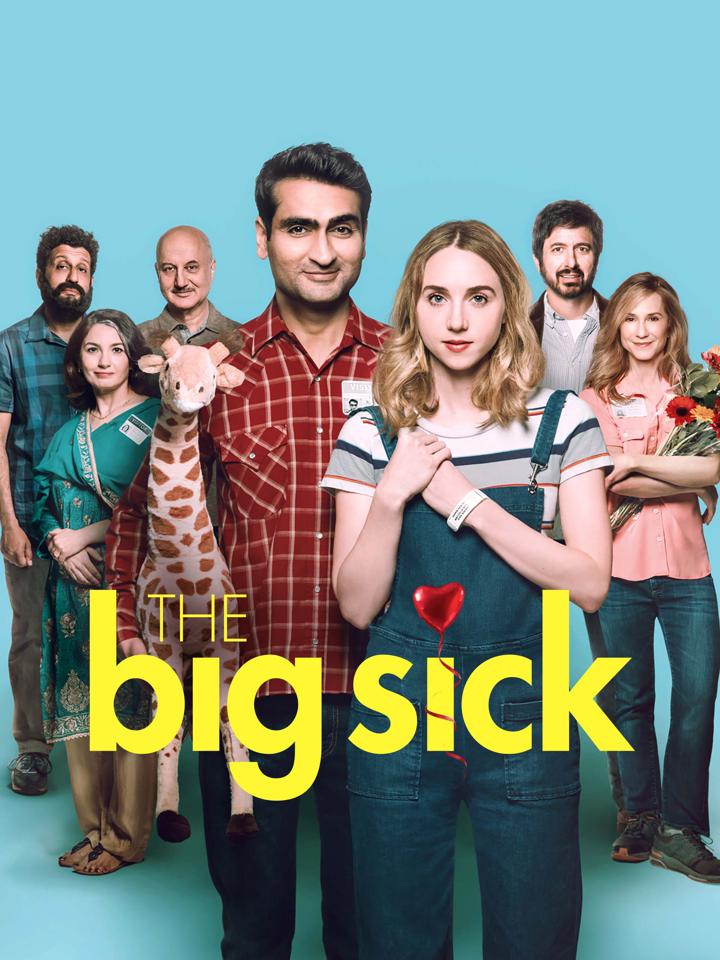
Let’s talk about The Big Sick, a romantic comedy that came out in 2017 and managed to actually say something real about relationships, culture, and the weirdness of falling in love. If you don’t know, it's based on the real-life courtship between comedian Kumail Nanjiani and writer Emily V. Gordon. Kumail stars as himself, while Zoe Kazan takes on the role of Emily. It all starts as a classic boy-meets-girl, but then veers completely off the usual rom-com tracks. What I love about The Big Sick is that it isn’t afraid to get messy, emotionally or otherwise. So many rom-coms shy away from actual stakes, but this one has some: immigration pressures, cultural obligations, family traditions, and above all, sudden illness that threatens upend everything. The film’s tone balances witty banter and some very real, very awkward pain. It is sometimes sweet, sometimes dryly funny, and often a little raw. The performances here really make the film. Kumail Nanjiani’s deadpan delivery is perfect, and Zoe Kazan brings a believable warmth to Emily, even when she’s rolling her eyes at Kumail’s awkwardness. But to me, the real standouts are Holly Hunter and Ray Romano as Emily’s parents. The level of discomfort and weird chemistry between Kumail and Emily’s family adds a layer of realism that most romances forget. Holly Hunter chewing out hecklers at a comedy club? Amazing. Visually, The Big Sick is unflashy, and that works in its favor. Michael Showalter’s direction doesn’t try to doll things up too much or cover the hard stuff with shiny surfaces. Instead, scenes are allowed to breathe. You get to sit with conversations in dingy apartments or bland hospital waiting rooms, places that look like real life, not a perfume commercial. That visual honesty really syncs with the story’s emotional range. One thing I struggled with was the pacing in the second act. As much as I appreciated the realism, the film sometimes gets bogged down hanging in hospital corridors and repeating one type of scene: Kumail awkward with the parents, Kumail waiting, Kumail moping. I wish there were a little more movement at some points. It can drag, and if you’re hoping for a snappy, tightly-plotted movie, this one pushes your patience a bit. The cultural stuff is handled with a surprising amount of nuance. Kumail’s family scenes are some of the best in the film: the revolving door of “potential wives” and the collision of Pakistani tradition with American expectations is never played for mean-spirited laughs. Instead, it feels honest and a little sad. You see the pressure people are under, and even when the film pokes fun, it’s never cruel. As a love story, The Big Sick skips the easy sentimental conclusion and earns its big emotions. I liked that Kumail and Emily’s relationship doesn’t get wrapped up just because of a single grand gesture. The script gives time to show how forgiveness and understanding take work, not just a dramatic hospital vigil or a big confession. That makes the pay-off feel deserved. Is The Big Sick perfect? Not really. The pacing hiccups slow down that charming momentum, and some people might be thrown by just how much time is spent away from Emily herself—she’s out of the picture for a big chunk of the film. But if you can live with that, you get a romance that feels lived-in, funny, awkward, sad, and hopeful. And honestly, that’s a win for the genre.
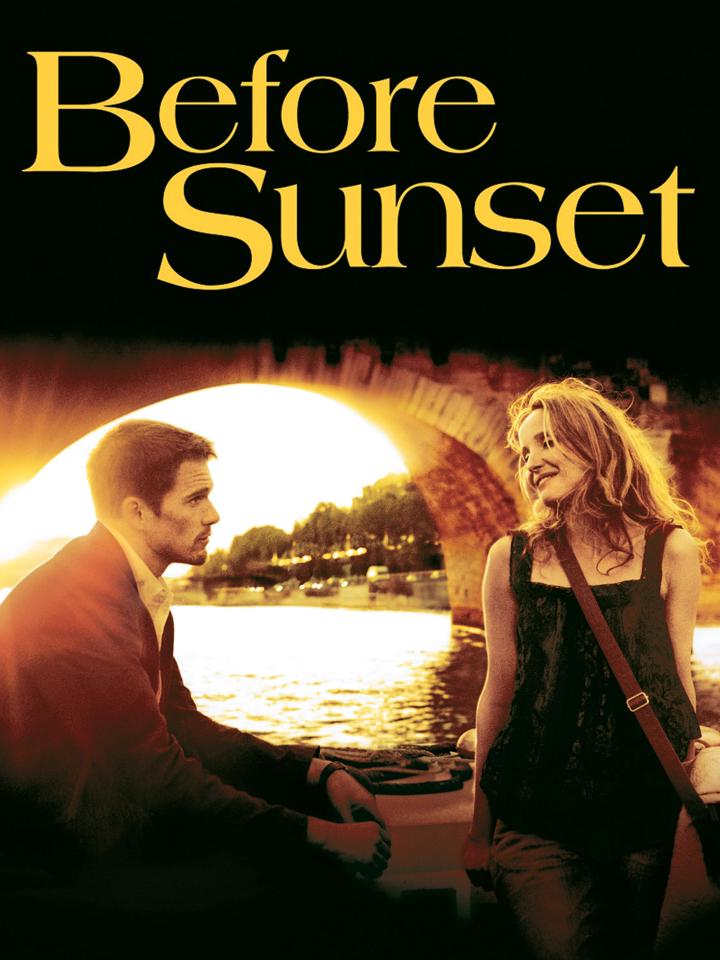
Before Sunset is Richard Linklater’s follow-up to 1995’s Before Sunrise, and honestly, I almost love it more than the first one. The movie drops us back into the lives of Jesse (Ethan Hawke) and Celine (Julie Delpy) nine years after their magical Vienna night, reuniting them in Paris for an afternoon. Over 80-ish minutes, the whole film unfolds in what feels like real time, which could be boring in lesser hands, but here it's more like eavesdropping on two old friends processing the last decade of hurts, hopes, and regrets. What really stands out is how unscripted the conversation feels. The dialogue is sharp but natural, as if the actors are actually making it up on the spot. It totally captures that anxious vibe of rekindling something with an old flame but now having way more baggage than you did at 23. There’s an undercurrent of time running out — Jesse’s got a flight to catch, Celine keeps checking the clock, but there’s clearly so much that needs to be said, and you can feel the tension ratcheting up every time a question hangs in the air. I have to talk about the way the film looks, though. It’s shot entirely in Paris in broad daylight. No moody nighttime sequences, no crazy set pieces — just two people walking and talking through bookshops, cafes, and those little cobblestone streets. The cinematography in Before Sunset isn’t flashy, but it leans all the way in on its setting so you feel like you’re right there next to them, eavesdropping as Paris whizzes by in the background. The city isn’t just backdrop here, it’s a character. It’s pretty rare for a romantic movie not to romanticize its city, but in this film Paris looks beautiful but lived-in, almost casual. Pacing is another thing that I didn’t expect to work but totally does. The whole film is just ninety minutes of conversation. No flashbacks, no dramatic third-act plot twist — just these two talking, arguing, flirting, getting uncomfortable, and sometimes just sitting with the silence. At first it can feel a bit slow. But, honestly, by halfway through you’re almost holding your breath, because every little subject they bring up carries way more emotional charge than you’d think. That ache of missed chances is everywhere. Julie Delpy is the secret weapon here. She’s got this restless energy, almost fidgety, and her vulnerability makes Celine feel real in a way that’s kind of rare for romance films. Hawk is good too — fumbling, nervous, sometimes a little smug — but Delpy just knocks every moment out of the park. There’s this part where she quietly describes a regret about her love life, and it lingers in the air for a good ten seconds after she’s done. No music swell, no dramatic close-up. Just honesty. It’s not perfect. Sometimes the self-consciousness of Jesse’s musings can feel a bit forced, especially when the script gets a little too poetical for its own good. There are moments where you can tell Linklater, Hawke, and Delpy collaborated on the screenplay, and some lines sound more like writers showing off than people actually talking. I also think the very precise, real-time format might annoy anyone who wants more traditional narrative momentum. Still, that low-key anxiety about time slipping away is really powerful here. Every little moment — brushing hands, an awkward silence, a too-bold confession — hits a little harder because you know they have history and might never get this chance again. You don’t get neat closure or answers, but you do get gut-level honesty, which is more than most romance movies venture to offer. To me, Before Sunset lands as one of the rare sequels that’s sharper, sadder, and somehow richer than the first film. Its restraint is a miracle, especially considering how melodramatic the genre usually gets. If you’re up for a slow burn and you’re comfortable with a romance that stings a little, this is the one to watch.
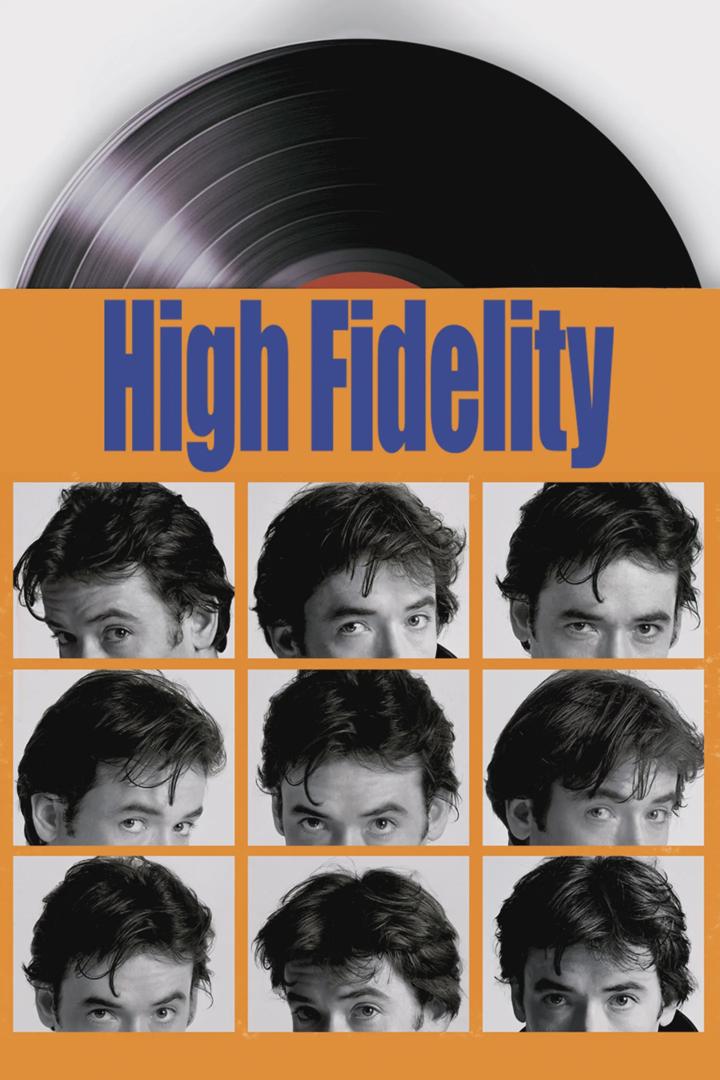
High Fidelity is one of those movies that sits a bit to the left of your typical rom-com. It is more self-aware, more neurotic, and unapologetically steeped in pop culture. John Cusack is Rob, a record store owner perpetually stuck in a mixtape of failed relationships and self-analysis. The film is heavy on fourth wall breaks, with Cusack inviting us directly into his messy love life and even messier vinyl collection. What really worked for me was the tone - equal parts cynical and sincere. There’s an unvarnished, almost confessional honesty here that you don’t get in a lot of romantic movies from this period. Instead of painting heartbreak in broad, melodramatic strokes, the script (based on Nick Hornby’s novel) lingers in the awkwardness and pettiness of breakups. The banter feels natural and dry, especially whenever Jack Black's character, Barry, is in the store. He’s a tornado of comic relief. Pacing-wise, it never really drags, mostly because Rob’s self-indulgent journey is constantly punctuated by quick cuts and little storytelling tricks. One minute he’s making another "Top 5" list for everything in his life; the next, he’s being hilariously eviscerated by someone he wronged. Still, if you’re not a fan of this kind of meta, navel-gazing narrative, it might get old quick. At times, it can seem like the movie is a little too in love with its own cleverness. The cinematography isn’t anything showy, but the Chicago setting gives everything a cool, lived-in authenticity. The film is basically a love letter to music nerds, with crates of dusty records, late-night DJ sets, and constant references to the "perfect" playlist for every emotion. If you catch even half the music cues and references, you’ll feel smugly rewarded. Cusack nails that unhealthy mix of charm and cluelessness. Sometimes you want to root for Rob, other times you want to shake him by the shoulders and yell at him to grow up. The secondary cast, particularly Iben Hjejle as Laura, brings a lot of depth - nobody here is just a prop for Rob’s personal growth. The film treats Laura’s side of the story with respect, which keeps things more balanced than you might expect given the male POV. But let’s be real: High Fidelity is a product of its time. Some of the perspectives haven’t aged perfectly, and it is very much about a guy who can’t get over himself. Yet, that’s kind of the point. The emotional weight sneaks up on you, especially as Rob is forced to confront his own immaturity. For anyone who’s nursed a broken heart in their twenties (or thirties), the ending hits a sweet, bittersweet note.