
Browse our collection of sci fi reviews and ratings.Showing 12 of 32 reviews.
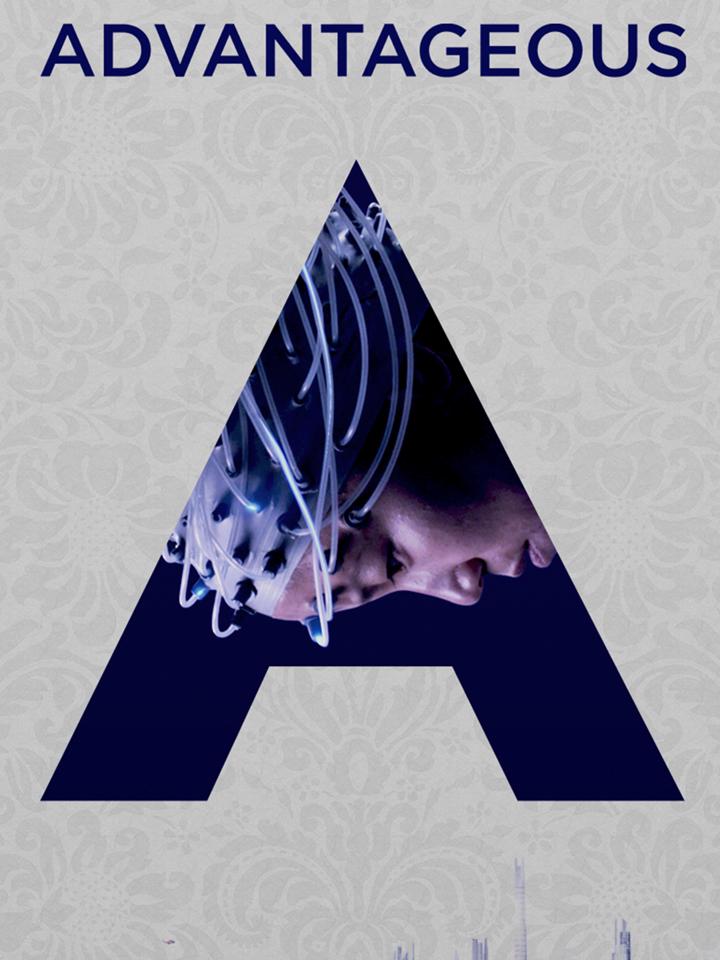
Have you ever stumbled on a small sci-fi film that stuck with you way longer than you expected? Advantageous is one of those. It’s set in a future society obsessed with appearance and economic advantage, and tells the story of Gwen, a single mother faced with an impossible choice involving a radical medical procedure to secure her daughter’s future. The premise is straight-up Black Mirror territory, but it’s told with a gentle touch rather than shock value. The actor that really stands out is Jacqueline Kim, who also co-wrote the film. Her performance as Gwen is heartbreakingly nuanced — she makes every struggle and sacrifice feel real. The mother-daughter relationship is the core, and there’s a quiet intensity in their scenes together. It isn’t flashy or melodramatic, but it’s far more moving because of that grounded approach. Visually, the movie keeps things tight and focused — don’t expect massive sci-fi cityscapes or wild special effects. Instead, there’s a chilly, soft-lit atmosphere that underscores the emotional distance and societal coldness. The future here looks familiar but just off enough to feel unsettling, a credit to the thoughtful production design. That said, the film’s pacing is pretty slow, and it sometimes edges towards being too understated for its own good. Not every subplot lands, and if you’re hoping for action or traditional sci-fi intrigue, you might find yourself impatient. But for me, the slower pace gave me space to actually think about the themes — class, gender, ageism — that director Jennifer Phang is raising. You would enjoy this if you like near-future sci-fi that’s more about ideas and people than technology or spectacle. It’s got a melancholy mood, a strong female lead, and asks uncomfortable but good questions. This is a great pick if you’ve already seen the big sci-fi hitters and want something thoughtful and slightly under the radar.
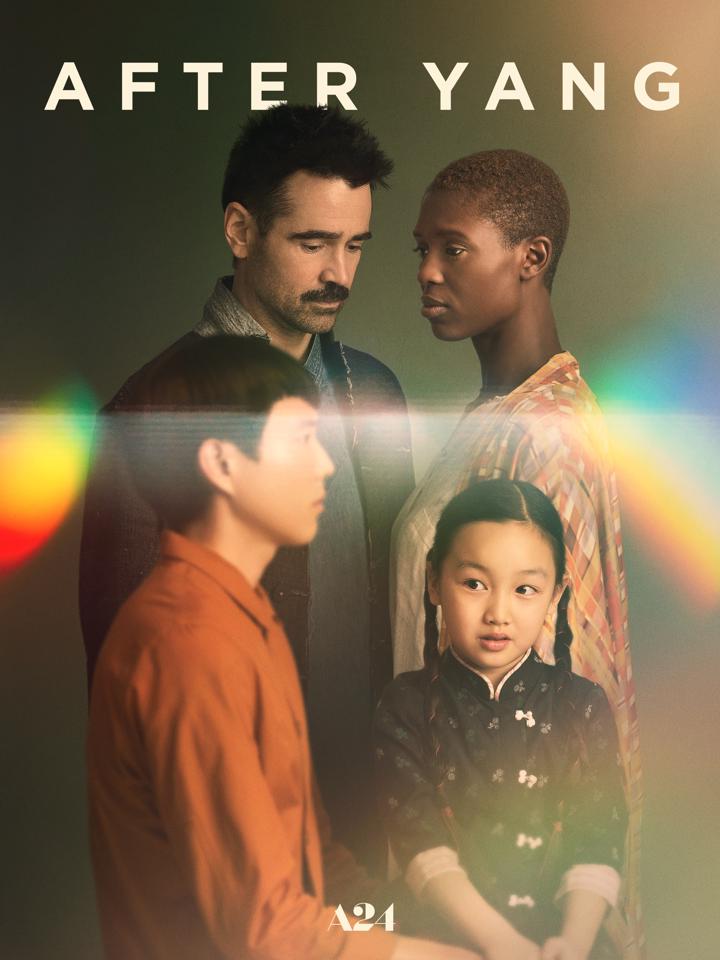
I’ll be honest: “After Yang” slipped under my radar when it came out, but now I’m glad I caught up. This is one of those sci-fi movies that feels less interested in explosions or flashy worldbuilding, and more invested in the small moments that make us human, or in this case, force us to confront what “human” even means. The premise is simple: in the near future, a family’s android companion (Yang) malfunctions, and as they try to fix him, the cracks in their relationships and understandings of themselves begin to show. The film follows Jake (Colin Farrell) and his daughter Mika, who’s devastated over the potential loss of her “big brother” who happened to be artificial. I was struck right away by the mellow, almost meditative tone. Director Kogonada doesn’t rush a thing. The camera lingers in quiet domestic spaces, sunlight slanting through windows or casting patterns on the floor. You don’t get bombarded with exposition dumps. Instead, world-building details just sit there in the background: tea shops staffed by clones, screen interfaces projected onto surfaces, quiet cultural assumptions about androids and identity. It draws you in, letting you work out how this future works while you absorb the texture of family life. It’s mesmerizing, if you have patience. Colin Farrell gives a genuinely moving performance here, dialed way back from his “In Bruges” or “The Lobster” personas. There’s a thoughtful stillness to him; his sadness aches in the pauses. Jodie Turner-Smith, as his wife Kyra, gets less screentime but makes her own mark with a gentle, weary energy. Malea Emma Tjandrawidjaja, as Mika, gives one of the least-annoying child performances I’ve seen in ages. The real surprise, though, is Justin H. Min as Yang. He manages to play an android with a sense of weight and history, but still a delicate touch that makes the character’s absence feel like a ghost haunting the house. Pacing is absolutely glacial, let’s get that out of the way up front. If you’re looking for twisty robot antics, this probably isn’t your cup of pu-erh. Some stretches almost feel like they’re taking place in real time. But there’s a deliberate purpose to that pace — grief doesn’t move quickly, nor does the way we unravel memories about the people we love. I was surprised that, even with its quietude, the film sneaks up on you emotionally; suddenly you realize you’re mourning, too, right alongside the family. Cinematographically, “After Yang” is a beauty. The color palette is soft but not washed out; think autumnal browns, deep greens, golden light. There’s a near-tactile quality to the set dressing: rooms feel lived-in, not the antiseptic sci-fi future we usually get. The editing sometimes intercuts memories and present time in a way that’s a little Malick-lite, but I didn’t mind it. The disappearing line between memory and reality is a motif that quietly builds as the story moves along. There are moments where “After Yang” feels almost too slow, though, and it won’t land for everyone. If you disconnect early on, the introspective tone might just look like self-importance masquerading as depth. Sometimes I wanted to shake the characters and urge them to just talk to each other instead of brooding in gorgeous silence. Not all the emotional payoffs land as hard as they could, and one or two side plots felt slightly underbaked. Still, what really works is the emotional honesty. The film is asking what it means to love something that isn’t, technically, alive. It touches quietly on culture, memory, even adoption, without feeling like it’s making some tired statement about “who is the real family.” There’s a scene where Yang is “remembered” through snatches of other people’s memories and observations; it’s subtle but devastating. The film even manages a little humor — the opening credits sequence is delightfully weird — and there’s no preachiness about technology being bad or good. It’s just about people, trying to belong. In the end, “After Yang” is a rare piece of sci-fi: one that cares more about feelings than futures. It’s for folks who love “Her” or “Never Let Me Go” and want to delve into grief and love through the filter of speculative fiction. It’s not flawless, but I think about it days later — and that says something.
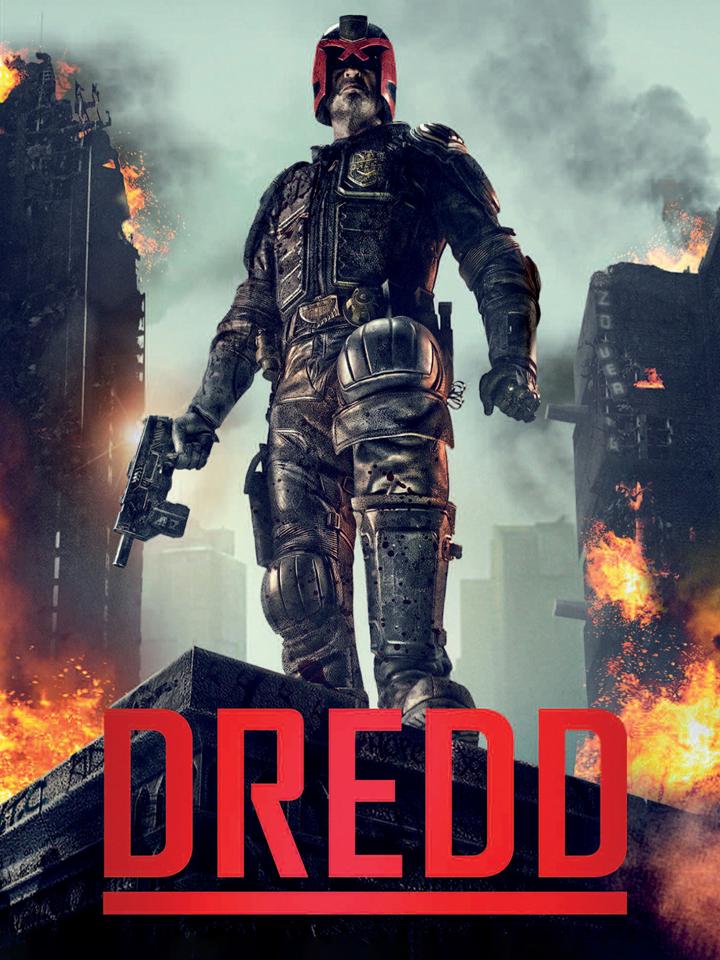
Let’s talk about Dredd, the 2012 reboot that nearly everyone forgot about until suddenly nobody could shut up about how underrated it is. I rewatched it recently and honestly, it still feels like a punchy little blast of sci-fi grit. If you’re tired of sleek, futuristic utopias and yearn for a world where things are run-down and the heroes are closer to anti-heroes, Dredd is probably your next Friday night pick. The flick doesn’t waste time dragging you through origin stories or unnecessary exposition—it just drops you straight into Mega City One’s chaotic, brutal world, where Judge Dredd is judge, jury, and yes, executioner. The plot’s simple but not in a bad way. Dredd and his rookie partner, Anderson, get locked inside a 200-story apartment block run by a sadistic gang leader. Think The Raid but with body armor and more neon red lighting. The whole movie takes place almost entirely inside this high-rise, which gives it a tight, claustrophobic energy. I didn’t mind the limited setting because it makes every floor and every hallway feel consequential. With each sequence, you get a little more desperate to see daylight, which matches what the characters are going through. Karl Urban deserves more action gigs because you never once see his face (except for below the nose), yet he manages to make Dredd intimidating, funny, and sometimes even a little bit human. He grunts out one-liners like “I am the law,” but never makes it cringe. Instead, he leans into the absurdity to the point where it works, and you buy that he’s been through this a thousand times before. His chemistry with Olivia Thirlby, who plays the psychic rookie Anderson, is actually the closest thing Dredd gets to emotional depth. She’s the soul of the movie: green but not naive, and tough without trying to be edgy. The tone is relentless, but not in an exhausting Fast and Furious way. Action scenes are brutally efficient. There’s a sequence involving slow-motion drugs (Slo-Mo, in-universe) that turns gunfights into warped, beautiful carnage. Honestly, those scenes feel like a marriage between comic book panels and music videos, all glittering blood and sparkling glass. Somehow it avoids coming off as try-hard. Dredd doesn’t hide its roots; it just wants to show you how wild that world can get. Cinematography is more stylish than you’d expect for what’s essentially a B-movie with an A-movie heart. Everything looks grimy and real, with splashes of color to keep it from being entirely desaturated misery. The set design is nasty in the best way—littered hallways, rusty doors, cramped living spaces. The violence can be a little much, but that’s the point: nothing about Mega City One is sanitized or safe. It’s violent, and everyone in it knows the world runs on fear. If there’s a gripe to be had, it’s that the film is almost too lean. There are hints at deeper world-building—the Judges, the law, the city’s decline—but you only get scraps. Lena Headey is a great villain, but Ma-Ma never gets much beyond “ruthless gang boss with a scar.” I wanted just a little more from her, especially since Headey can add layers with a glance. Some of the other characters are basically redshirt fodder. One thing I really wish had landed better is the sense of stakes. Sure, if Dredd and Anderson lose, a lot of people die, but the movie mostly keeps the threat contained to the building. You never really feel Mega City One as a living, breathing place beyond the apartment complex, so the ending is punchy but not quite sweeping. The flip side is that you aren’t bogged down by ambition beyond the story they’ve chosen to tell. All that said, Dredd doesn’t pretend to be anything it’s not—and I respect that. It’s the rare modern sci-fi action movie that is both self-aware and stubbornly committed to its own little universe. It walks a tightrope of ultraviolence and dark comedy, and mostly lands on its feet. Watching it is like biting into a jalapeño: not everyone will sign up for the burn, but if you’re into smart, mean, and stylish sci-fi, it’s worth the heat.

Let’s talk about Prospero’s Books, Peter Greenaway’s 1991 fever dream of a sci-fi-tinged Shakespeare adaptation. Yeah, it’s technically The Tempest, but through some kind of avant-garde filter, dressed in surreal visuals and digital effects that felt way ahead of their time. I first stumbled onto it late one night on a streaming service when I’d really just wanted something weird. On that count, it absolutely delivered. Greenaway is one of those directors who never met a convention he didn’t want to throw out the window. Here, Prospero (played by the ever-grand John Gielgud) isn’t just a character — he’s a writer, a director, a god of the film’s world. The movie’s full of visual layers: text on the screen, animated collage, bodies moving like living sculptures. Sometimes it’s genuinely beautiful, sometimes it’s just exhausting. There are points when you feel like you’re being attacked by a medieval tapestry in HD. The sci-fi energy in this isn’t traditional spaceships-and-aliens stuff. Instead, it’s in the way Greenaway edits — the reality-hopping, digital layering, and the almost VR-like sense that you’re unmoored from time and space. For 1991, it really does feel out of the future. The way “the books” become literal artifacts of magic and knowledge felt kind of like proto-cyberpunk: it’s obsessed with information overload, the power of the archive, and even has early digital manipulation that seems uncanny now. Performances, though, are very much a mixed bag. Gielgud carries the movie with this poised, melancholy gravity but the rest of the cast almost gets lost in the clutter, especially as the film becomes more visually overwhelming. Isabelle Pasco is delicate and strange as Miranda, but the script doesn’t care much for the secondary characters. Sometimes you want to reach in and rescue the actors from the noise and nudity. Speaking of nudity — yes, there’s a lot, and it’s treated with the same matter-of-fact theatricality as the rest of Greenaway’s work. It’s not erotic, just ever-present, almost classical. Same goes for the score by Michael Nyman, which pulses and swirls and sometimes drowns everything else out. There are stretches that are so dense with movement and sound that real narrative basically falls away. You’re just left tumbling through a visual sonata. Thing is, for all its ambition, Prospero’s Books can get terminally pretentious. The lines between profound and overblown blur early, and by the two-hour mark, it’s very easy to disengage — the movie’s more interested in its own ideas than it is in its audience. Pacing is glacial, especially if you’re craving story. The emotional core is so buried that even the rare moments of vulnerability (like Prospero’s brief flashes of loneliness or rage) get swept up in the visual static. But that’s also weirdly the point. Greenaway isn’t asking you to follow along so much as swim in it — to experience the movie as some kind of dream or memory or data stream. Sometimes that’s frustrating, especially when you’re not feeling patient, but on the right night, it can be hypnotic. I kept thinking about other films that worship visuals over clarity, like the more opaque works of Terry Gilliam or even Ang Lee’s Life of Pi, but this one’s thornier. So: is it good? On a technical level, definitely. On a storytelling or human level, it’s far less approachable. I respect the hell out of the movie’s nerve, I just can’t pretend I always loved watching it. If you’re up for something more like an art installation than a conventional sci-fi film — or if you want to see digital editing before it was remotely cool — Prospero’s Books is probably for you. Otherwise, your mileage will seriously vary.

If someone pitched Another Earth to me on paper—a twin planet appears in Earth’s sky and quietly hangs there, inviting as many metaphors as you’d like—I would’ve expected big, sci-fi set pieces and at least one global panic. Instead, the 2011 indie takes a left turn and delivers a deeply personal kind of science fiction, less about stats and ships than about human connection and forgiveness. It’s an arresting, sometimes melancholy drama hiding out in the shell of a sci-fi premise, and that bait-and-switch mostly works in its favor. The film’s big hook, that mysterious mirror Earth, is treated with almost eerie restraint. You hear about it on the news and see it looming overhead, always present, always haunting. But director Mike Cahill is far less interested in the logistics than the possibilities, using the concept as a distant echo for the characters’ regrets and desires. The idea that a version of you might not have made your mistakes is a potent thread that quietly weaves through the entire story. It's understated in a way that won't work for everyone, but if you like your sci-fi quietly unsettling, it digs in deeper than its budget might suggest. What really gives the film its power is Brit Marling, who co-wrote the script and plays Rhoda. She’s quietly exceptional, carrying the weight of guilt and remorse in every line and glance. There’s a softness to her that makes Rhoda’s more questionable choices survivable and even understandable. The movie asks a real question, intentionally uncomfortable: what do you do after you’ve destroyed your own life and someone else's? Her interactions with William Mapother’s character have a raw, anxious energy that kept me chewing on the film's morality long after it was over. The relationship that forms at the heart of the film is messy and complicated—exactly what this story needs. It would’ve been easy for the script to lie to us or pander. Instead, it sits in the awkwardness of trauma and lets the silence do the heavy lifting. I found the pacing to be languid, honestly to the point of frustration in the middle third, but this quiet observation pays off emotionally by the time the credits roll. Where Another Earth stumbles is sometimes in trying to do too much with too little. The microbudget makes itself known in certain awkward edits and occasionally flat sound design. I was left curious what a more experienced director (or a little more cash) might have done with such a big idea. There’s a murky, washed-out look to many scenes, partly by design but also edging toward bland. It’s fitting for the somber tone, but it’s hard not to wish for a little more visual audacity. I appreciate that the film trusts the viewer to handle ambiguity. There are moments where it feels like a dream, surfacing through memory and regret rather than giving you a standard beginning-middle-end. That works if you like staring out the window and thinking about your own "what ifs," but I know it will drive plot-hounds and adrenaline junkies up the wall. For better or worse, the sci-fi is never the focus; it just hovers, literal and metaphorical, overhead. One memorable scene that stuck with me: Rhoda, alone in a high school classroom, scratching away at the chalkboard. No dialogue, just silence and burden. The film has a knack for leaving space, letting characters just be, which is rare in science fiction and all the more haunting for it. If you tune in for explosions, you’ll be let down. But much like Solaris or the quieter moments in Arrival, it asks. What would reconciliation really look like, if the universe gave you a do-over? Would you take it, or would you still just be yourself, flaws and all? In the end, I admire Another Earth more than I outright love it. It’s a film that asks questions and leaves most of the answers for you to wrestle with in bed later that night. For every beat that feels a touch too indie-precious or a little visually drab, there’s a moment of unexpected honesty that got under my skin. The finale is a gut-punch, the sort of ambiguous ending that’ll split a room, but it earned it. This is sci-fi for people who bring their own baggage to the theater.
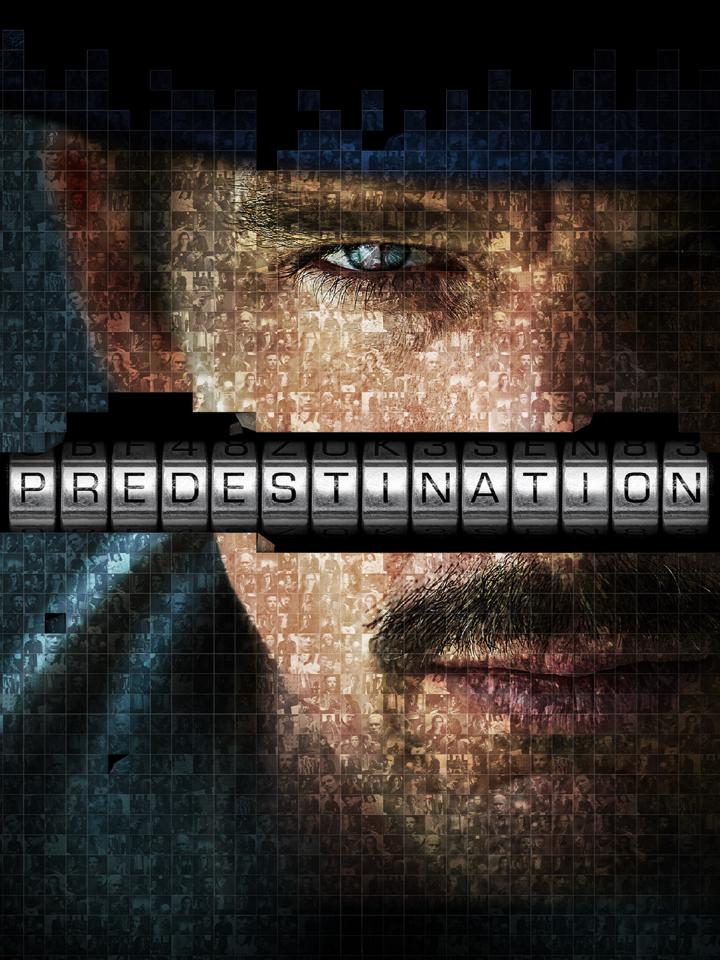
I revisited Predestination recently, and wow, I forgot how much brainpower this movie asks for. For a film that clocks in at about 97 minutes, it manages to disorient, intrigue, and mess with your sense of time and identity in a way that’s both fun and frustrating. The Spierig Brothers take on a Robert A. Heinlein short story and spin it into this tight, twist-heavy sci-fi full of mood lighting and plot knots. First things first, this isn’t a popcorn sci-fi flick. From the opening, it feels more like a slow-burn noir than a traditional time-travel movie. We start with Ethan Hawke as an anonymous “Temporal Agent” sent on a mission to stop a terrorist called The Fizzle Bomber. But before we get any action, the movie switches gears into what’s essentially a lengthy bar conversation between Hawke and a mysterious patron (played by Sarah Snook, who is out of this world in the role). The real surprise here is how much emotional weight is packed into the middle third. Sarah Snook delivers a ridiculously layered performance, shifting between loneliness, hope, rage, and vulnerability sometimes in the span of minutes. Honestly, she steals the film from Hawke, who plays straight man to her emotional chaos. The bar conversation in the first act is gripping just because of how the actors bounce off each other. You’re never entirely sure who’s telling the truth, and the film milks that tension for all it’s worth. About halfway through, Predestination almost dares you to guess where it’s headed. But unless you’ve read the Heinlein story or have a sixth sense for sci-fi puzzles, the rug will probably get yanked from under your feet. The storytelling style is almost elliptical; it circles back, adds new meaning to old scenes, and dares you to keep up. Sometimes it flirts with being a bit too clever for its own good. There are moments when you can feel the screenplay flexing, like it’s proud of itself for how convoluted it’s become. Visually, the movie makes the most of its modest budget. The production design is smartly restrained, using dim bars, sterile offices, and rundown apartments to evoke a sense of place without overreaching. The color palette is a little washed out and clinically cool, which suits the detached, almost melancholic tone. It’s not exactly a visual feast, but it feels deliberate and focused. There’s a kind of lonely minimalism to it that fits the story’s themes of isolation and time lost. On the flip side, the pacing does drag in places, especially during the character backstory scenes. After the intrigue of the opening, the relentless dumping of exposition threatens to lose you. I found myself wishing for a little more variety in the settings or a few more external stakes, because for a while, it’s just people sitting in rooms telling each other stories. That’s bold, but it’s definitely a gamble. Where it all lands depends a lot on how patient you are with twisty, high-concept sci-fi. The finale doubles down on its central paradoxes and leaves you feeling both impressed and a bit shell-shocked, but it also relies heavily on suspension of disbelief. If you like your sci-fi with more character work and less spectacle, this hits harder than you’d expect. But if you’re coming for kinetic set-pieces or explosive action, you’re in the wrong place entirely. In the end, Predestination is a rare kind of time-travel story. It’s more about longing, regret, and selfhood than gadgets, chronology, or saving the day. I respect the audacity of how tightly everything fits together, even if I wonder if it’s maybe a little too airtight for its own good. You finish it wanting to rewatch immediately, partly to catch what you missed, and partly to convince yourself that what you just saw really makes sense.
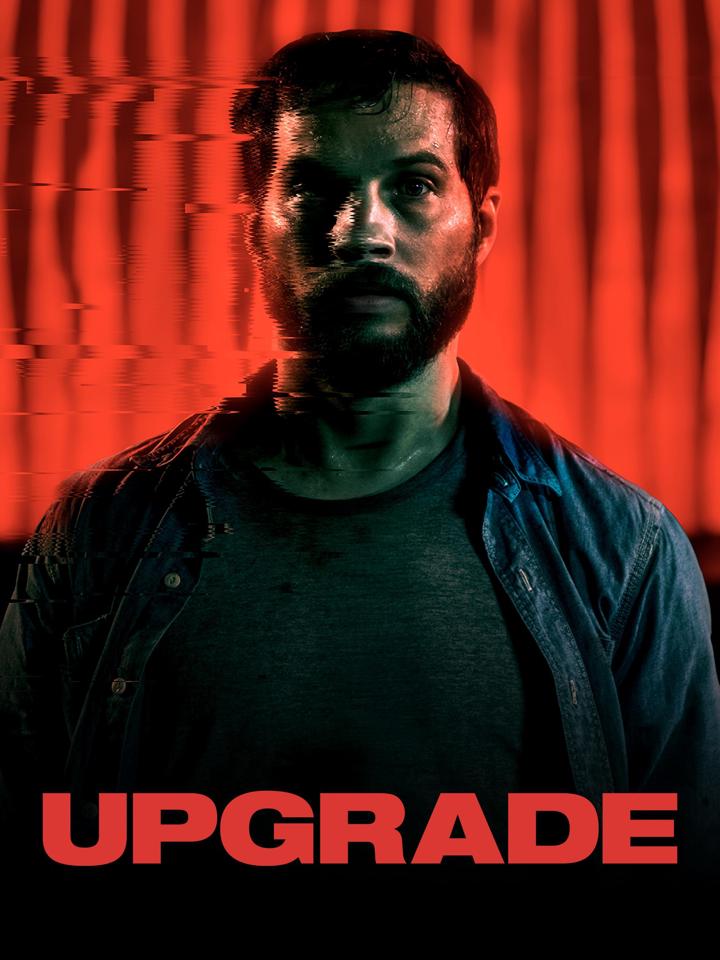
Let’s talk about Upgrade, the 2018 sci-fi action flick directed by Leigh Whannell. This one kind of snuck under the radar but deserves way more love for what it pulls off with a pretty modest budget. The premise is simple: in a near-future world dripping with gadgets and self-driving cars, a mechanic named Grey has his world upended after a brutal attack leaves him paralyzed and desperate for answers. Some tech-billionaire offers him an experimental AI chip implant called STEM that can control his body. Cue the revenge plot, but with a serious Black Mirror vibe. I really appreciate how lean and mean this movie is right from the jump. Clocking in at about 100 minutes, there’s no wasted space. Scenes move with an urgency that actually works in its favor. Too often, lower budget sci-fi movies either over-explain their world or skimp entirely, but Upgrade keeps things tight. You get just enough world-building through visual cues — the sterile labs, neon-lit cityscapes, and jarringly normal suburban homes — all selling the future as an extension of our messed-up present. Logan Marshall-Green, who leads as Grey, is surprisingly compelling. The guy has this bruised, hangdog charisma that anchors the film. After his character gets the chip, his body language completely changes, mostly due to the way STEM operates him like a puppet during fight sequences. The choreography here is wild — robotic and precise, but with this bizarre fluidity. There’s a standoff in a kitchen pretty early on that feels brutal and awkwardly funny at the same time. The visual storytelling really leans into the horror of losing agency over your own body. Speaking of those fight scenes: they’re genuinely creative and stand out in a sea of generic on-screen brawls. Whannell uses this gyroscopic camera trick that sticks to Grey’s movements, making each blow feel harder and every twist somehow more disorienting. It’s a practical effect, not CGI overload, and it pays off with some of the most memorable action I’ve seen in a while. The movie never lets you forget there is an alien mind running the show. But, full disclosure, the script doesn’t always do the film’s ideas justice. The emotional beats are kind of half-baked; the trauma Grey endures is mostly played out in early scenes, then gets traded in for plot momentum. I wanted a bit more reckoning with what it actually means to have your autonomy stripped away. There are hints at big techno-ethics questions — free will, AI consciousness — but the script seems more interested in zippy pacing than slowing down for depth. It’s not a dealbreaker, but this easily could have been a more haunting film with a little more patience. Another rough edge: most of the supporting cast doesn’t get a ton to do. Betty Gabriel, who plays the detective chasing Grey, is a standout — she brings some world-weary gravitas, kind of like a more cynical version of Jodie Foster in Contact. But the tech-villain types are mostly stock characters, all cold cheekbones and ambiguous motivations. As for the tech billionaire who sponsors Grey’s upgrade, he feels undercooked, more like a plot device than a real antagonist. Cinematography is one of Upgrade’s secret weapons. Stefan Duscio gives the movie this glossy-yet-grimy look, which works for the blend of cyberpunk and grindhouse violence. There is an eye for visual humor too — the divide between Grey’s old-school ways and the world’s new hyper-connected reality creates some subtle, clever sight gags. The gadgets all feel plausible, which is more than I can say for some larger-budget peers. By the time the credits roll, you’ve gotten a blast of pulpy action, a dose of paranoia worthy of a Philip K. Dick nightmare, and a surprisingly bleak ending that leaves you a little queasy. It’s stylish, ruthless, and doesn’t overstay its welcome. Upgrade probably won’t change your life, but it’s a sharp punch of sci-fi that sticks with you longer than expected.
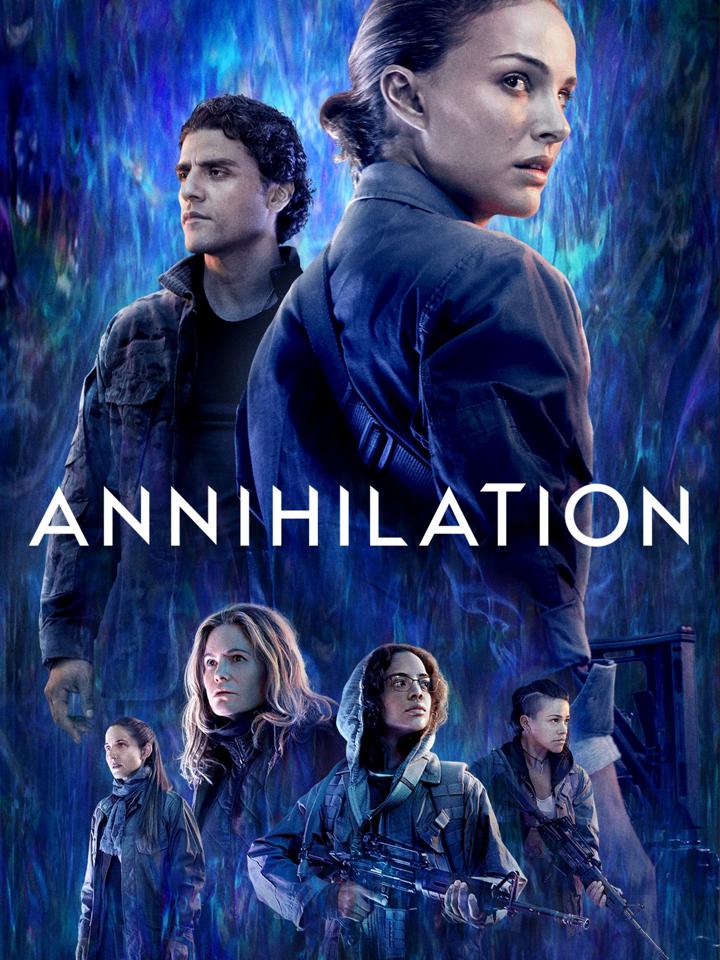
Annihilation is a 2018 sci-fi film that often slips under the radar, which is wild considering how much it tries to do both visually and narratively. The setup is deceptively simple: Lena (Natalie Portman), a biologist and former soldier, ventures into a mysterious and expanding zone known as "The Shimmer" to understand what happened to her husband and what the phenomenon even is. But you can forget about a straightforward mission structure. The story quickly turns into something much weirder and more unsettling than your typical “group goes into the unknown” plot. One thing the movie nails is atmosphere. Right from the start, it feels inherently uneasy. The colors inside The Shimmer are both beautiful and unnerving, with everything looking kind of dreamlike in a way that reminds me of a fever you’re almost enjoying. Cinematographer Rob Hardy deserves a lot of credit for making decay look enticing and fluorescent bunnies look like omens. It’s not just pretty visuals either; the twisted mutations in The Shimmer's wildlife, like the infamous bear scene, are genuinely disturbing and will stick in your mind. Pacing, though, is where things start to wobble. Annihilation lingers a little too long on certain philosophical discussions and slow walks, almost like it’s daring you to get bored. There are moments when I wanted to shake the movie by the shoulders to make it move along. It overindulges in dream sequences and existential pondering, sometimes at the expense of narrative momentum. That said, when the horror elements hit, they are sharp, sudden, and absolutely effective, so the payoffs are real if you’re patient. The performances mostly land. Natalie Portman is spot-on as Lena, capturing both the scientist’s intellectual curiosity and the emotional damage she’s dragging with her. Jennifer Jason Leigh, Tessa Thompson, and Gina Rodriguez all get moments to shine, but the writing doesn’t really flesh out their characters beyond broad motivations. You won’t walk away feeling like you truly knew anyone outside Lena, but I’d argue the film leans into that sense of alienation on purpose. Still, if you need character-driven stories, you might feel a bit shortchanged. What sets Annihilation apart is its commitment to ambiguity and weirdness. Director Alex Garland never really gives you a clear answer about what’s happening inside The Shimmer, or what it all means. I love that, but it also feels a little contrived at times, as if uncertainty is supposed to stand in for depth. The movie is trying to be profound, but it occasionally slips into being vague for the sake of being vague. It’s a fine line, and the film doesn’t always walk it confidently. One thing I really appreciated, especially on rewatch, is that Annihilation refuses to spoon-feed thematic content. Grief, self-destruction, transformation, the limits of understanding — it’s all baked in, but only if you’re willing to dig for it. That’s not everyone’s thing, and I get it. Still, it feels rare for a studio sci-fi movie to trust the audience this much. There’s a gutsy dream sequence in the third act that goes fully abstract, and while it lost me a bit, I respect how committed the film is to its own brand of psychedelic logic. Sound design and the score, created by Ben Salisbury and Geoff Barrow, deserve their own applause. The ambient soundscape and sudden musical stings build tension way more effectively than standard orchestral stuff. The final confrontation uses sound in a way that’s genuinely unsettling — it’s sci-fi that lets you feel how alien this world is, not just see it. Overall, Annihilation is gutsy and beautiful, but definitely not for everyone. Sometimes it tries too hard to be obscure and artistic, and it fumbles its supporting characters, but it makes up for those flaws with mood, visuals, and the rare courage to go fully bonkers when it counts. If you want laser-sharp storytelling, you’ll be frustrated. If you’re up for a vibe-heavy, nightmarish puzzle of a movie, it’s absolutely worth your time.
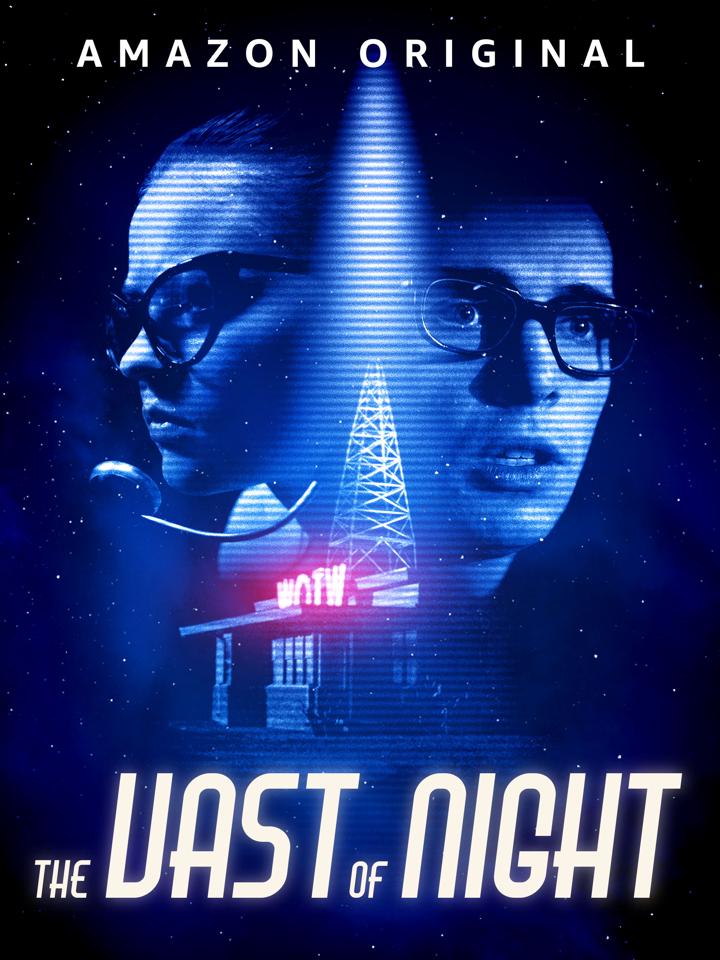
Here’s a sci-fi movie that snuck up on me in the best possible way: “The Vast of Night” (2019). At first glance, it almost plays like an episode of The Twilight Zone rerun you’d stumble across late at night—a fitting comparison, since the film literally frames itself as a kind of retro television episode called Paradox Theater. But the tone is what took me by surprise. Instead of bombarding you with flashy effects or doomsday melodrama, it hooks you with an atmosphere that feels haunted and alive. Director Andrew Patterson’s feature debut has plenty of style but no arrogant swagger, which is refreshing. Set over a single evening in 1950s small-town New Mexico, the movie revolves around a couple of teens: Fay, a switchboard operator with big eyes and bigger curiosity, and Everett, an endlessly talkative radio DJ. When a strange signal interrupts their broadcast, curiosity turns into obsession. The story is simple and told in real time, which lends the slow-burn plot some real urgency. It nails that “something’s not quite right” tension, and keeps you leaning in. The dialogue goes by fast, like real conversation, and the performances sell every little suspicion and fleck of excitement. Sierra McCormick as Fay is the quiet soul of the film, balancing nerdy innocence with just enough grit to propel her through some long, dialogue-heavy scenes. Jake Horowitz, as Everett, manages to avoid the “greasy 50s radio host” cliche by giving the guy a bit of nerdy charm and vulnerability. Both actors sell their roles with real conviction, especially during the more tense phone-call sequences where the world outside feels like it’s closing in. There's nothing stilted or showy, just two people yanked from their routines by a genuinely odd mystery. If you're looking for high-octane action or big set pieces, you’re out of luck. The closest things get to bombast are dialogue scenes delivered in single, uninterrupted takes. What stood out to me most is how much tension gets wrung out of tiny details: a jumpy little girl switching wires, static on a line, distant footsteps. There’s a long tracking shot following Everett as he moves across town, the camera riding low and rolling through basketball games and empty streets, that’s so deliberate it feels like a séance for lost Americana. It’s gorgeous and patiently weird. The sound design is especially sharp. The radio signal itself becomes this chilling presence, hinting at something sinister without ever over-explaining it. That goes for the whole movie, really. Patterson never spells anything out, even when the temptation for dramatic exposition must have been huge. Instead, the film trusts you to notice the strange little wrinkles, to lean forward and catch every nervous breath over the receiver. It’s a movie that builds its dread from silence as much as from story. I will say the script definitely asks you to have a little patience. Some people might find the pace a bit slow or the dialogue a bit too circular. More than once, I wanted things to move on instead of revisiting the same leads. But the film’s eerie sense of time and place kept me invested. I loved that we never really leave the tiny town, and the result is claustrophobic but also oddly cozy. In a sea of CG-drenched sci-fi, this feels homespun and tactile. Visually, the movie leans into shadow and muted colors, all washed with the dusky haze of a half-remembered dream. Patterson’s use of light is especially crafty—street lamps glow like beacons in the night, and interiors are always just a little too dark. This makes the rare moments of visual spectacle feel all the more striking. There’s one scene involving an anxious phone call in pitch darkness that made me sit up straight. The cinematography feels precise but never fussed-over. By the end, I was left with that strange, slightly unsettled feeling that only good low-fi sci-fi can deliver. “The Vast of Night” doesn’t claim to have all the answers. In some ways, it barely even asks the questions. But it lingers. I found myself replaying whole sequences in my head, not just for what was shown but for everything the movie left unsaid. If you’re cool with a slow poker-faced mystery and you have a soft spot for old-school radio stories, this one is worth tuning into.
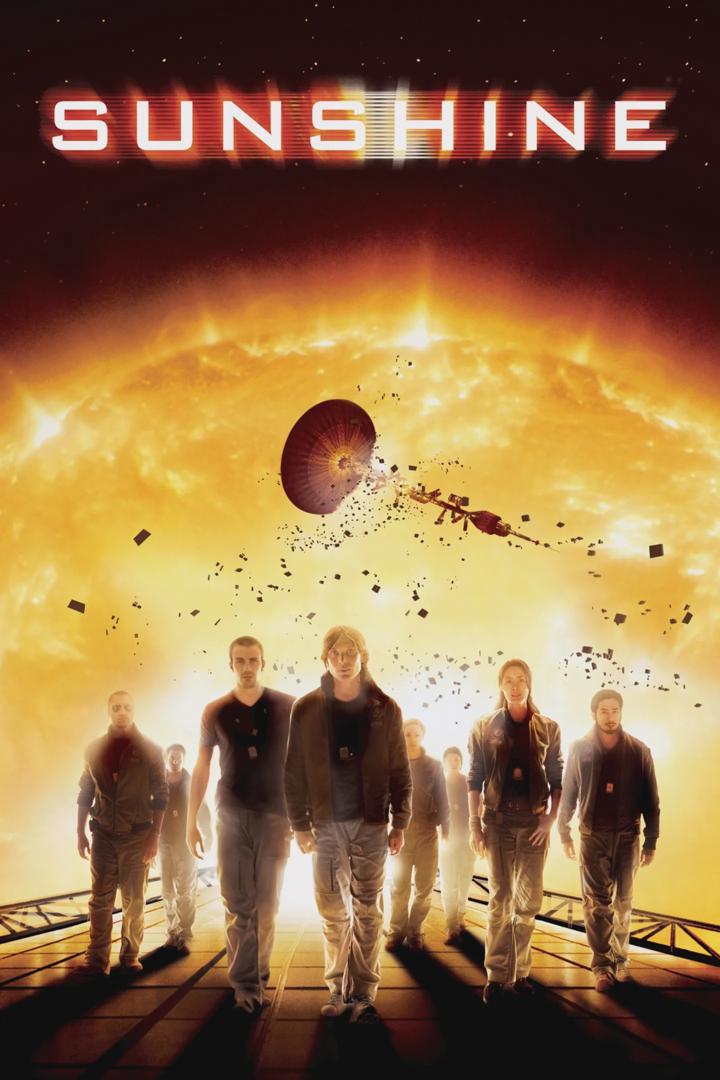
Sunshine is one of those sci-fi films that stuck with me long after I watched it, partly because of its premise - a near-future mission to reignite the dying sun. The plot is essentially a pressure cooker in space, which becomes increasingly intense as things go sideways. Danny Boyle directs with his signature stylish panic, and there’s a sense of dread laced with hope that works surprisingly well. The cast is impressively solid for a mid-2000s sci-fi: Cillian Murphy, Rose Byrne, Chris Evans, and a pre-fame Benedict Wong all show up and give surprisingly nuanced performances. Evans actually stands out as the crew’s engineer, keeping things grounded with just enough realism. Nobody here is playing it too broad; the group dynamic feels authentic, which makes the tension even harsher when the inevitable starts to unfold. Tonally, it's a weird blend. The first half is straight-up hard sci-fi - quiet, reflective, and filled with cool, plausible tech moments. You get these sterile, beautiful shots of the sun, plus that haunting soundtrack by John Murphy. The second half pivots into horror territory, and this is where people split: for some, it ramps up the stakes, for others, it derails the film. Personally, I think Boyle almost pulls it off, but it gets close to feeling like two separate movies stitched together. Cinematography is a highlight. There are these hypnotic sequences of the sun and lens-flared corridors that feel both oppressive and beautiful. The use of lighting is clever, especially how the sun's brightness bleeds into every crevice - like a reminder of both hope and danger. It's top-tier visual sci-fi, even compared to much bigger-budget films. The pacing does hiccup, particularly in the last third. When things get frantic, the editing gets so rapid that it's sometimes hard to follow the action or care about who’s alive. Some characters’ arcs get lost in the chaos, which is a shame after such careful setup early on. It’s frustrating, especially since there’s some genuine emotional weight in the quieter scenes. All said, Sunshine feels like it swings for the fences and nearly clears them. I wish the plot held together a bit tighter in act three, but the atmosphere, visuals, and cast elevate it above most post-2000 sci-fi that’s not named Arrival. Be ready for an abrupt mood shift, but if you’re into space dramas, it’s worth seeing both for what works and what almost works.
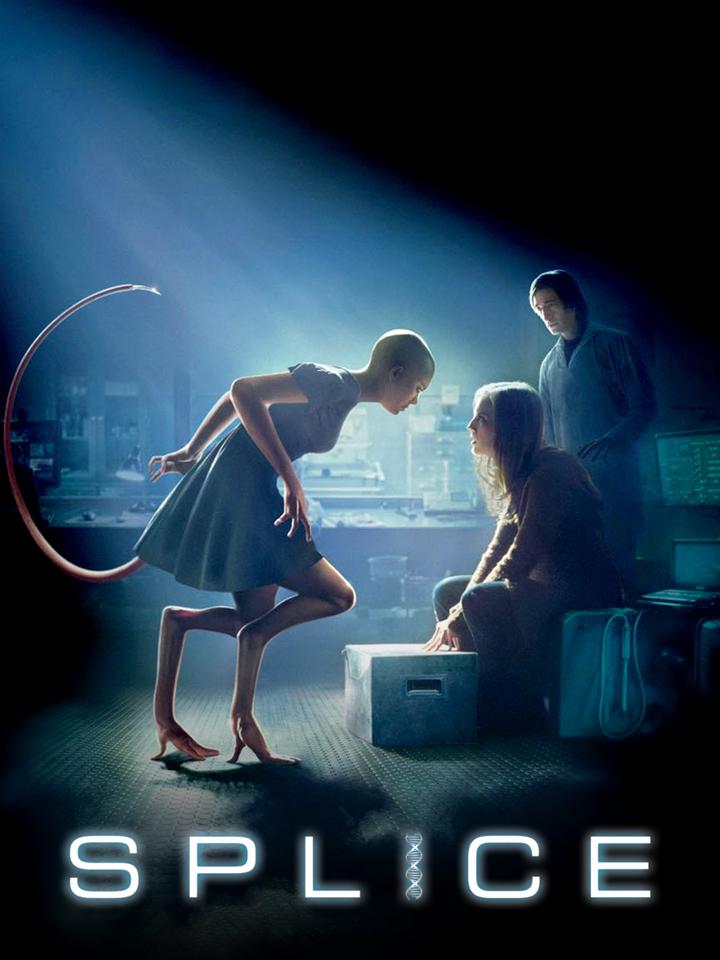
Splice is one of those sci-fi flicks that feels like it came out of nowhere and then stuck in my brain for weeks afterwards. The premise is pure mad scientist: two ambitious genetic engineers (Adrien Brody and Sarah Polley) combine animal and human DNA, and - surprise - it all goes sideways. The first half hums along with a kind of clinical curiosity, following the lab rats as they cross some very questionable ethical lines. The energy is tense but also a little playful, especially as the creature, Dren, grows up. There’s this odd push-pull between fascination and unease, and that's where the movie is at its best. The tone is unmistakably weird. There are moments that made me laugh (sometimes awkwardly), but it's not exactly a horror-comedy. Vincenzo Natali sets things up with a sterile, almost cold visual style, which makes Dren's evolution feel even more unnatural. The creature effects are a mix of seamless CGI and practical makeup and they're just convincing enough that the uncanny valley effect kicks in hard. It’s effective - Dren’s presence is both mesmerizing and unsettling. Acting-wise, this is one of the rare sci-fi movies where the characters feel like actual weirdos rather than generic brainy types. Sarah Polley, in particular, sells the obsessive, almost maternal drive behind her character. Adrien Brody does a decent job, though he occasionally slips into that mopey shtick that can be distracting. Delphine Chanéac, as Dren, is haunting - she delivers emotion and confusion without saying a word. The plot can get pretty heavy-handed, especially once it barrels into the third act. The movie knows it’s playing with big ethical themes - bioethics, parenthood, the nature of "playing God" - but it can’t quite decide whether it’s a cautionary tale or a gonzo monster movie. Some of the twists work, some just feel cheap and melodramatic. When the story goes for shock value, it sometimes lands but it also can't resist being goofy. What I appreciated most is that Splice is never boring. There are no recycled beats or tired chases. It swings big from moment one and just keeps getting stranger. But it also wobbles tonally, especially in the final stretch when things spiral out. The pacing gets frantic, and the resolution, for me, lands with more of a "wait, what?" than a satisfying gut punch. So is it a good movie? I think it’s a fascinating, flawed mess. One of those you’ll want to talk about after, even if it's just to unpack the bonkers choices it makes. Not for everyone, but if your taste leans offbeat and darkly funny, it delivers something most Hollywood sci-fi doesn’t even try.
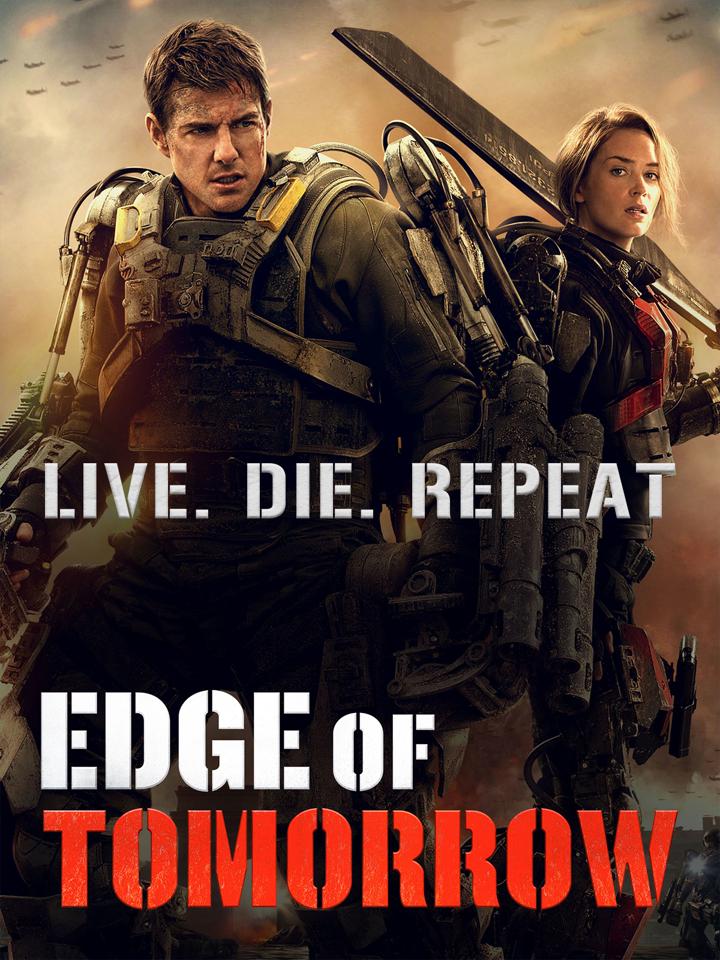
Edge of Tomorrow looks like just another Tom Cruise alien invasion movie on the surface, but honestly, it’s so much more clever than that. The basic premise is Groundhog Day meets Starship Troopers: Cruise’s character gets killed in battle over and over, only to wake up at the start of the same gruesome day. Each loop, he gets a little better at not dying so quickly. One thing I appreciate is how self-aware the film is. It’s genuinely funny, with Cruise leaning into his initially pathetic, cowardly character. Emily Blunt is a total badass as Rita “the Angel of Verdun,” refusing any kind of damsel dynamic. You actually get to watch Cruise fail and stumble, again and again, and the film doesn’t shy away from making him the butt of the joke. The pacing is shockingly tight for a sci-fi blockbuster. There’s almost no wasted setup, and every time the reset happens, the editing keeps things moving without feeling repetitive. Doug Liman knows how to build momentum, and it never feels like the movie’s spinning its wheels even though it literally repeats itself. Visually, Edge of Tomorrow is grungy and kinetic. The exosuit design looks satisfyingly weighty, and the alien design is weirdly intimidating. The action scenes are frantic but still readable, and the way the movie juggles chaos with dark humor is something a lot of other “save the world” flicks fumble. What holds it back, for me, is its last act. The ending gets a little too safe and Hollywood after all that inventive setup. It could’ve leaned harder into its own weirdness. You see the studio notes peeking through, and it slightly dulls the edge of everything that came before. Still, if you want a sci-fi movie that’s smarter and funnier than you’d expect, and you don’t mind seeing Tom Cruise die creatively thirty different ways, it’s a winner. It’s a great balance of spectacle, grit, and playfulness which just makes it a really fun time.