Quick Info
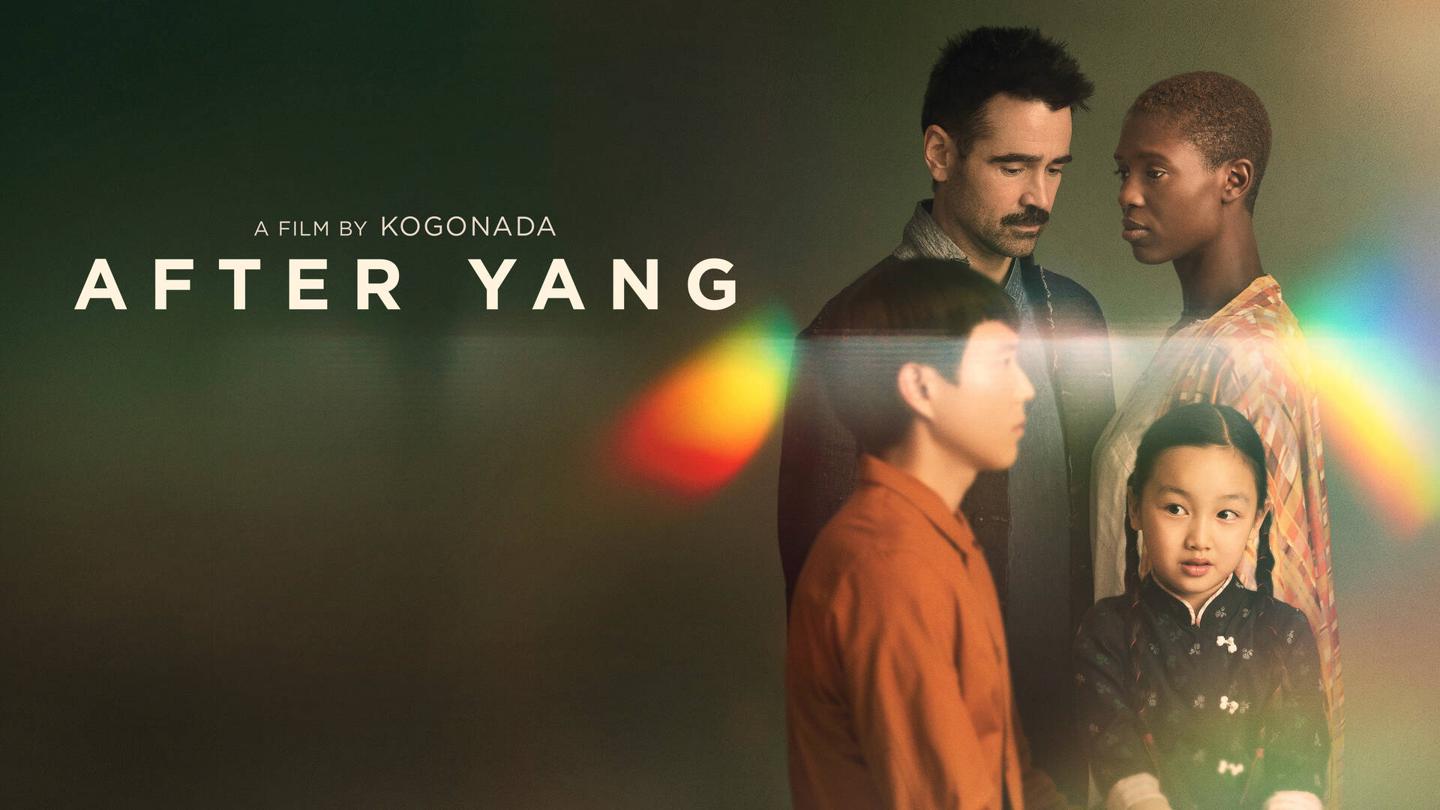
I’ll be honest: “After Yang” slipped under my radar when it came out, but now I’m glad I caught up. This is one of those sci-fi movies that feels less interested in explosions or flashy worldbuilding, and more invested in the small moments that make us human, or in this case, force us to confront what “human” even means. The premise is simple: in the near future, a family’s android companion (Yang) malfunctions, and as they try to fix him, the cracks in their relationships and understandings of themselves begin to show. The film follows Jake (Colin Farrell) and his daughter Mika, who’s devastated over the potential loss of her “big brother” who happened to be artificial.
I was struck right away by the mellow, almost meditative tone. Director Kogonada doesn’t rush a thing. The camera lingers in quiet domestic spaces, sunlight slanting through windows or casting patterns on the floor. You don’t get bombarded with exposition dumps. Instead, world-building details just sit there in the background: tea shops staffed by clones, screen interfaces projected onto surfaces, quiet cultural assumptions about androids and identity. It draws you in, letting you work out how this future works while you absorb the texture of family life. It’s mesmerizing, if you have patience.
Colin Farrell gives a genuinely moving performance here, dialed way back from his “In Bruges” or “The Lobster” personas. There’s a thoughtful stillness to him; his sadness aches in the pauses. Jodie Turner-Smith, as his wife Kyra, gets less screentime but makes her own mark with a gentle, weary energy. Malea Emma Tjandrawidjaja, as Mika, gives one of the least-annoying child performances I’ve seen in ages. The real surprise, though, is Justin H. Min as Yang. He manages to play an android with a sense of weight and history, but still a delicate touch that makes the character’s absence feel like a ghost haunting the house.
Pacing is absolutely glacial, let’s get that out of the way up front. If you’re looking for twisty robot antics, this probably isn’t your cup of pu-erh. Some stretches almost feel like they’re taking place in real time. But there’s a deliberate purpose to that pace — grief doesn’t move quickly, nor does the way we unravel memories about the people we love. I was surprised that, even with its quietude, the film sneaks up on you emotionally; suddenly you realize you’re mourning, too, right alongside the family.
Cinematographically, “After Yang” is a beauty. The color palette is soft but not washed out; think autumnal browns, deep greens, golden light. There’s a near-tactile quality to the set dressing: rooms feel lived-in, not the antiseptic sci-fi future we usually get. The editing sometimes intercuts memories and present time in a way that’s a little Malick-lite, but I didn’t mind it. The disappearing line between memory and reality is a motif that quietly builds as the story moves along.
There are moments where “After Yang” feels almost too slow, though, and it won’t land for everyone. If you disconnect early on, the introspective tone might just look like self-importance masquerading as depth. Sometimes I wanted to shake the characters and urge them to just talk to each other instead of brooding in gorgeous silence. Not all the emotional payoffs land as hard as they could, and one or two side plots felt slightly underbaked.
Still, what really works is the emotional honesty. The film is asking what it means to love something that isn’t, technically, alive. It touches quietly on culture, memory, even adoption, without feeling like it’s making some tired statement about “who is the real family.” There’s a scene where Yang is “remembered” through snatches of other people’s memories and observations; it’s subtle but devastating. The film even manages a little humor — the opening credits sequence is delightfully weird — and there’s no preachiness about technology being bad or good. It’s just about people, trying to belong.
In the end, “After Yang” is a rare piece of sci-fi: one that cares more about feelings than futures. It’s for folks who love “Her” or “Never Let Me Go” and want to delve into grief and love through the filter of speculative fiction. It’s not flawless, but I think about it days later — and that says something.
The R8 Take
Quiet, sad, and beautifully shot, this one lingers — but only if you’re in the mood for something slow and heartfelt. If you liked “Her,” you’ll probably love this.