
Browse our collection of sport reviews and ratings.Showing 12 of 14 reviews.
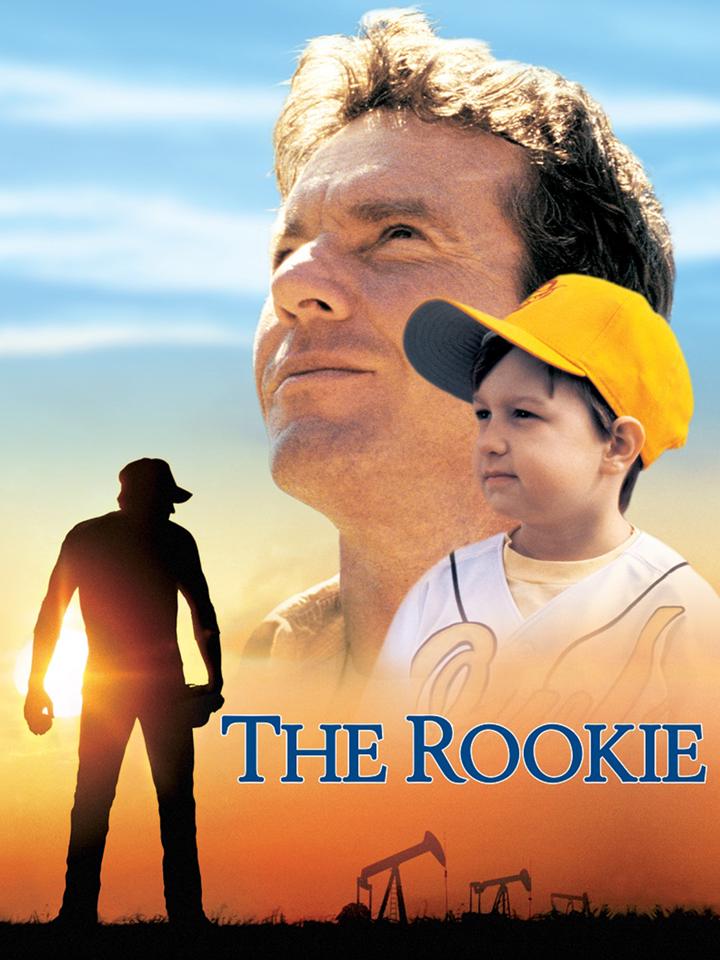
This one’s a pretty heartfelt underdog story — "The Rookie" is the kind of sports movie you probably skipped past because it’s more humble than flashy. It follows Jim Morris, played by Dennis Quaid, who’s a high school science teacher and baseball coach with a dead arm… until, well, it isn’t. Based on a true story, Jim gets the chance to chase a dream that most people would file under “missed opportunity,” and it’s genuinely uplifting without sugarcoating just how unlikely his situation is. What really stood out to me was how low-key Quaid’s performance is. He’s not the superhuman athlete type — he’s tired, skeptical, and often pretty hilarious in a world-weary way. There’s a believable dynamic between Morris and his students, who start out just as sarcastic and doubtful as you’d expect. The movie gives a lot of space to the small town Texas vibe, so you get a real feel for why the stakes matter so much to these characters. The plot doesn’t really break any new ground — you’ve got your training montages, family tension, moments of doubt, etc. But something about the pacing and the focus on adult dreams (rather than teen wish-fulfillment) gives it a sincerity that stuck with me. It doesn’t drag, but it’s definitely not a movie for people looking for nonstop baseball action or flashy editing. It knows what it is and just lets you settle in. Visually it’s not mind-blowing — lots of sun-soaked Texas landscapes, small school fields, and a few scenes in modest stadiums. Still, that sort of unassuming style works in its favor—it’s a sports story rooted in reality, not a Michael Bay production. Quaid honestly carries the film, but Rachel Griffiths (as his wife) helps ground it, and the supporting cast gives just enough personality to keep the story human. You would enjoy this if you like inspirational sports stories, but you’re tired of the ones that feel like superhero movies. Or if you secretly love a good “late bloomer defies the odds” tale. It’s great for a family movie night, or when you just want to remember that sometimes, taking a risk later in life is just as meaningful as a last-minute touchdown.

This mini-series flew pretty far under the radar, but it’s a great take on New York in the late 1970s through the lens of the Yankees’ chaotic 1977 season. At its core, it's about baseball and egos, but what makes it stand out is how it intertwines the tension on the field with the turmoil of the city—blackouts, the Son of Sam, and a city on the brink. The rivalry between Reggie Jackson (played with swagger by Daniel Sunjata) and manager Billy Martin (John Turturro, who nails the character’s volatility) is just electric. I think what really sells the show is how willing it is to let the messiness of real history seep into the usual sports drama. The baseball scenes aren’t flashy, but they feel gritty and authentic, and you get a good sense of how much pressure these guys were under from all sides. The period details are rich without being overbearing—I loved seeing Yankee Stadium recreated in all its late-'70s glory. Some of the writing feels a little heavy-handed, especially when trying to tie every subplot back to the big 'city in crisis' theme. At times, the pacing drags when it detours away from the team and into the city’s politics. Still, the performances keep things compelling, especially with a supporting cast that includes Oliver Platt as team owner George Steinbrenner (pure bluster, in the best way). Visually, the show has a kind of moody, grainy look that works for the era. It does a nice job balancing archival-style footage with its own dramatic scenes, and it uses music really well to root you in the time and place. If you’re looking for something that’s as much about the city as it is about baseball, this scratches that itch. You would enjoy this if you’re into sports stories that go way beyond the scoreboard and love the intersection of history and athletics. Also, if you appreciate some solid acting and a big stew of 1970s New York city drama, this one’s worth your time.

So, "The Wrestler" is a 2008 movie that really surprised me. It's about Randy "The Ram" Robinson, an aging professional wrestler who’s well past his glory days but still clinging to the ring, playing small shows and grappling with life outside the spotlight. The story unfolds as a gritty look at what happens when the crowd stops cheering — and how hard it is to find yourself after you've been defined by your past for so long. It's not flashy or textbook-inspiring like many sports movies; it's raw and kind of sad, but so honest. One thing that stood out to me is Mickey Rourke's performance. Seriously, he disappears into this character. Watching him as Randy, you forget you're watching an actor — he nails both the physical side of wrestling and the emotional exhaustion of a guy who's physically wrecked but can't let go. Marisa Tomei is also fantastic and grounded as a stripper navigating her own battles. Their chemistry is surprisingly tender and awkward in a believable way. The cinematography is really worth mentioning here. Director Darren Aronofsky uses a lot of handheld, over-the-shoulder shots that put you right there in the cramped locker rooms, dusty gymnasiums, and sad meet-and-greets at community centers. The whole thing feels lived-in and close-up, like you're following Randy through every dull and painful step. There's something really brave about how unpolished and real it all looks. If there's a flaw, it's that the film can feel relentlessly bleak at times. There aren't really any big wins or dramatic sports movie moments — but I think that's the point. Some might find it almost too unvarnished, and it's definitely not for someone looking for an underdog sports comedy or a rousing comeback tale. But man, it lingers with you after the credits roll. You would enjoy this if you're into character-driven dramas and want something that looks at the quieter, harsher realities behind the spectacle of professional sports. Especially if you like movies about flawed people just trying to get by, or if you have any nostalgia for the golden era of wrestling, this one will probably grab you.
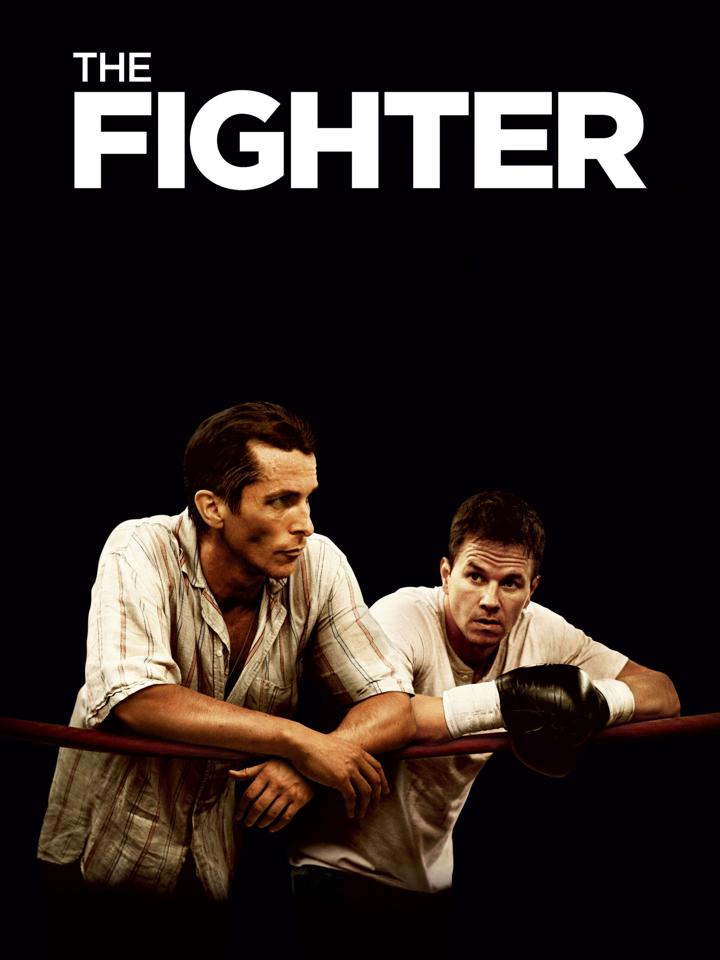
The Fighter tells the gritty, true-life story of Massachusetts boxer Micky Ward and his turbulent path to the world championship, boosted and burdened by his flawed yet fiercely loyal family. The movie's focus isn't just on the sport itself—it's really about the collision of dreams, addiction, and loyalty in a blue-collar community. I loved how it used boxing as a metaphor for Micky’s constant fight for respect, recognition, and a sense of self beyond his family’s long shadow. What stood out to me is the authenticity of the performances. Christian Bale as Micky’s troubled half-brother Dicky Eklund is absolutely transformative—jittery, unpredictable, and, at times, strangely lovable. Mark Wahlberg brings a quiet, understated charisma to Micky, while Melissa Leo is brilliant as their fiercely controlling mother. The chemistry among the cast is electric and raw; you genuinely believe these people have lived in each other’s pockets for decades. While the story itself is pretty conventional for a sports movie—down-and-out boxer, a shot at redemption, family drama—it never feels clichéd. The realism of the setting and the unvarnished look at working-class Lowell give it a beating heart. The boxing scenes are filmed in a documentary style, with quick cuts and close-ups that make the punches feel real (I found myself wincing a few times). If I had to nitpick, I’d say the third act wraps things up a bit too neatly after all the mayhem. Some secondary characters, especially the sisters, feel a little exaggerated at times. But honestly, these are small issues: the film’s grit and humanity more than make up for it. You would enjoy this if you’re drawn to sports stories that are more about the people outside the ring than the action inside it, and if you appreciate movies grounded in real-life struggles with top-notch, lived-in performances. It’s for fans of character-driven dramas first, boxing second.
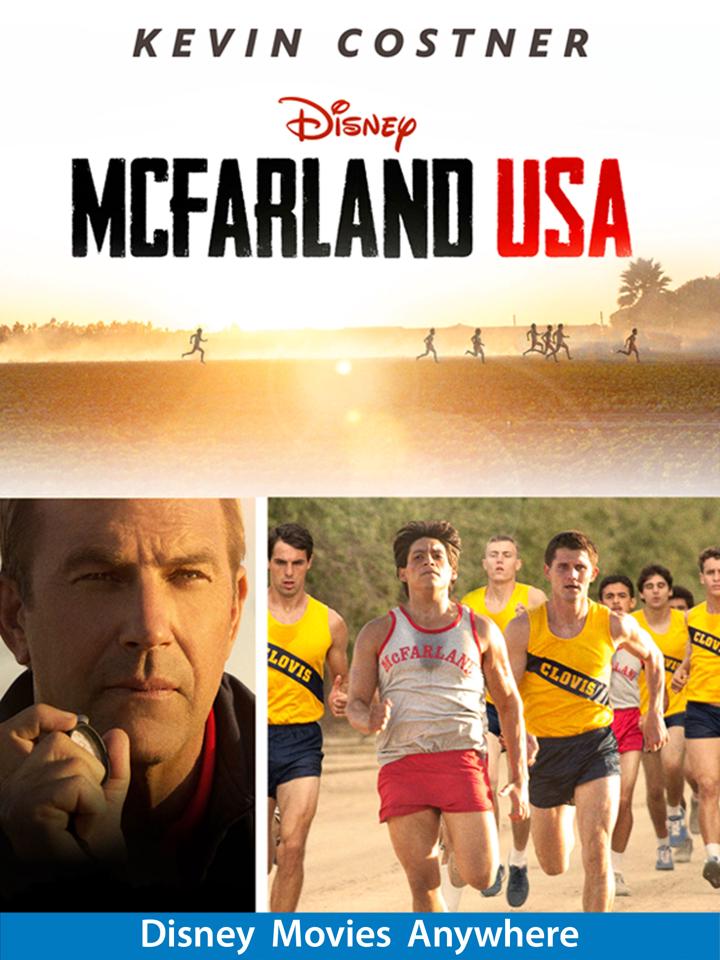
McFarland, USA is a sports drama based on the true story of a high school cross-country team in a small California town. It stars Kevin Costner as Jim White, an out-of-place coach building a ragtag team from Mexican-American kids who are more familiar with fields than tracks. The heart of this film is all about community—how the team comes together, faces real social struggles, and finds both pride and possibilities through running. What really stood out to me was the way the film captured the small-town atmosphere and the genuine obstacles these kids dealt with—poverty, language barriers, expectations to work the fields, and balancing family responsibilities. It isn’t just a paint-by-numbers underdog story. You really get a feel for the cultural backdrop, thanks to surprisingly nuanced performances by the young cast. The pride of the town comes through, making the victories genuinely moving. Cinematography-wise, I liked how the sun-baked landscapes give the town a distinct character. It’s always clear we’re in the heart of rural California, with sweeping shots of farmland at dawn and dust clouds as the runners take off. It’s not flashy work, but it’s honest and effective, reinforcing that sense of place that anchors the whole story. The race scenes are tense and earnest, even if you can guess the outcome. That said, sometimes the movie leans a bit too hard into inspiration—it loses a little subtlety in its feel-good messaging toward the end. The supporting roles, particularly a few family members, could’ve used more depth, and at times it slides into cliché territory. Still, Costner delivers as the quietly stubborn coach, and the ensemble sells both the drama and the chemistry. You would enjoy this if you like sports movies with genuine heart and community spirit, especially those that shine a light on unsung real-world stories. It’s a great family watch or anyone who enjoys rooting for an underdog grounded in reality rather than Hollywood excess.
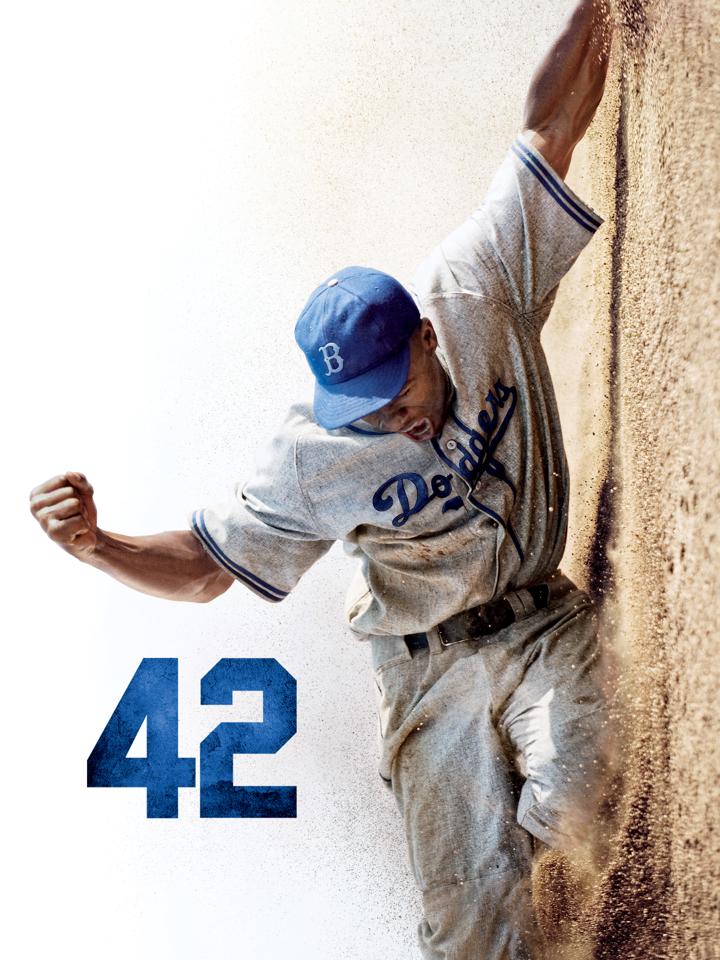
"42" is a biographical sports film centered on Jackie Robinson, the first African American to play in Major League Baseball in the modern era. The movie does a great job of showing both his athletic triumphs and the constant racism he faced, giving intensity to every game he steps into. I found the portrayal very heartfelt and inspiring, especially the focus on both Robinson's courage and the support he got from others, like Branch Rickey, played by Harrison Ford in a surprisingly warm, rough-around-the-edges role. What really stood out was Chadwick Boseman's performance—he doesn't try to imitate Jackie Robinson so much as he brings a real sense of dignity and vulnerability. The on-field action is exciting, pretty authentic, and never too over-the-top. The cinematography highlights both the tense, cramped stadiums and the quieter, emotional moments, really swinging between the energy of the sport and the weight of social change. The 1940s period details feel spot-on without being too shiny or artificial. At times, the story plays things a bit safe. The script glosses over some personal complexities and can lean into movie clichés—a few dramatic speeches feel like "movie moments" rather than real life. There's a clear sense of what message the filmmakers want to land, which means subtlety gets lost in places. Still, the pacing rarely drags, and the games themselves are reliably gripping, even if you know Robinson’s achievements. The supporting cast is solid, especially Nicole Beharie as Robinson's wife, Rachel—she brings warmth to their relationship that feels real, not just obligatory. Ford's Rickey, meanwhile, is gruff, dryly funny, and acts as the film’s moral anchor. Some characters are a bit one-note (the bad guys are basically 100% bad), but overall, the performances are strong enough to carry the emotional weight. You would enjoy this if you like true stories rooted in sports history, with a lot of heart and a big dash of underdog spirit. I think even someone not huge on baseball will find something admirable here, especially if you appreciate films about civil rights or just enjoy uplifting, well-acted stories.
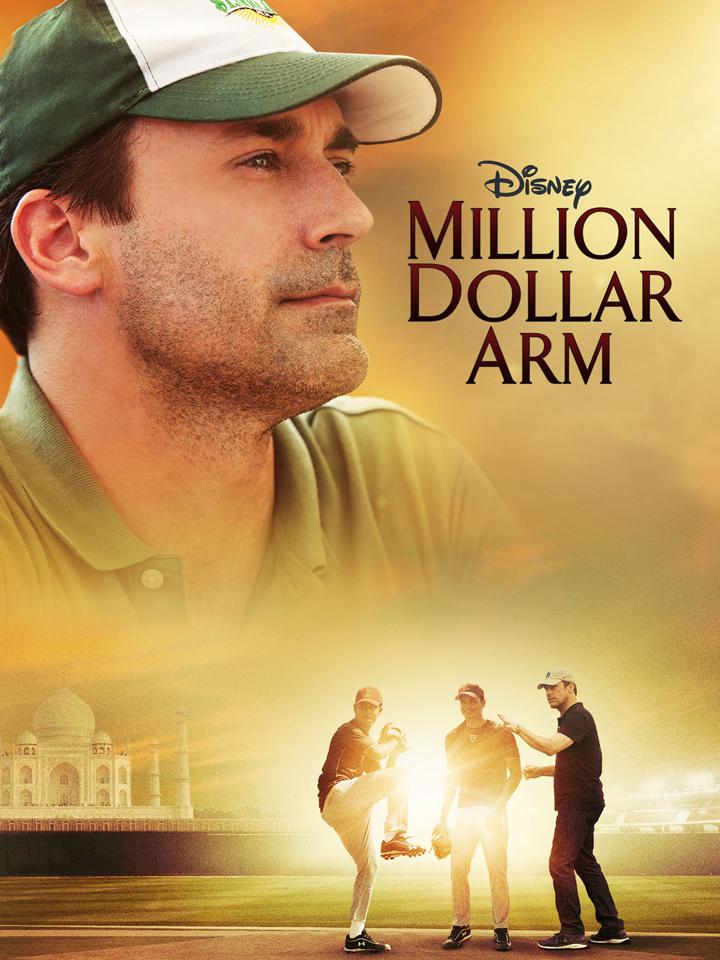
This movie tells the quirky true story of a struggling sports agent who travels to India to find cricket players that he hopes to turn into Major League Baseball pitchers. It's got that classic "based on a true story" vibe but with a sort of underdog fish-out-of-water twist, mostly because it's set equally between bustling India and glossy Los Angeles. The cultural clashes are front and center, and I found myself genuinely interested in how these young athletes would adapt—not just to baseball, but to the totally foreign world of America. Jon Hamm is absolutely the engine here. He plays the agent, J.B. Bernstein, with the right balance of arrogance and vulnerability. It's fun seeing him out of his Don Draper element and having to navigate the eccentricities of recruiting kids who barely speak English. Suraj Sharma and Madhur Mittal play the recruited pitchers and they're both pretty charming, even if the script doesn’t always give them enough depth. The strongest parts of the movie are the scenes set in India. The cinematography there is saturated, bustling, and full of color—those sequences have a lived-in, authentic energy that really draws you in. When the story shifts back to the U.S., it becomes a bit more formulaic, which isn't bad per se, but it doesn’t hit with the same freshness. There are some funny fish-out-of-water bits (like the spicy food scene) that genuinely made me laugh. Some of the emotional beats feel a bit telegraphed, particularly when it gets into Bernstein's “learning to care” arc. But even when it feels a little Hollywood, it still maintains its heart. The sports action is solid, and the ending doesn't overdo the drama, which I appreciated. You would enjoy this if you like light-hearted sports movies with a hopeful, slightly unconventional twist—and especially if you enjoy stories about cross-cultural connection. It’s not going to change your world, but it’s a pleasant, good-hearted watch you might not have thought to try.
"The Damned United" is very much a character study wrapped inside a sports drama, telling the story of Brian Clough’s infamously short spell as manager of Leeds United in the 1970s. It’s not your typical underdog tale or rah-rah sports flick. Instead, it’s more about obsession, ego, and rivalry, all swirling around football. Michael Sheen’s performance as Clough is magnetic—he captures both the irresistible charm and the prickly arrogance of a man convinced he's destined for greatness, even as he’s walking into a political minefield. The film really stands out in how it doesn't shy away from making its lead character unlikeable at times. It’s almost more about Clough’s flaws than his successes, which is refreshing. The script, based on David Peace's novel, is sharp and unsentimental, and there's constant friction between Clough and his assistant Peter Taylor (played with understated warmth by Timothy Spall), as well as his bitter rivalry with Don Revie. The antagonism is genuinely entertaining and gives the movie most of its energy. Where it doesn't quite excel is in its depiction of the actual football—the matches themselves are mostly shown as quick, impressionistic flashes rather than thrilling set pieces. If you’re looking for extended, edge-of-your-seat sport action, you might be a bit let down. But honestly, that’s not the vibe here; it's far more interested in the offices, locker rooms, and the psychological chess games off the pitch. Cinematography-wise, the film bathes in a '70s palette, complete with gloomy English skies and muted interiors, which adds to the feeling of being steeped in football’s grittier history. The period details—costumes, hair, even the way football culture is depicted—are lovingly recreated. It feels authentic, sometimes claustrophobically so. You would enjoy this if you’re drawn to flawed but fascinating main characters, love British cinema, or have any passing interest in football history. Even if soccer isn’t your thing, there’s something universally compelling about ambition and rivalry crashing together. It’s not a rousing sports triumph, but a sharp, memorable look at what happens when talent and stubbornness collide.
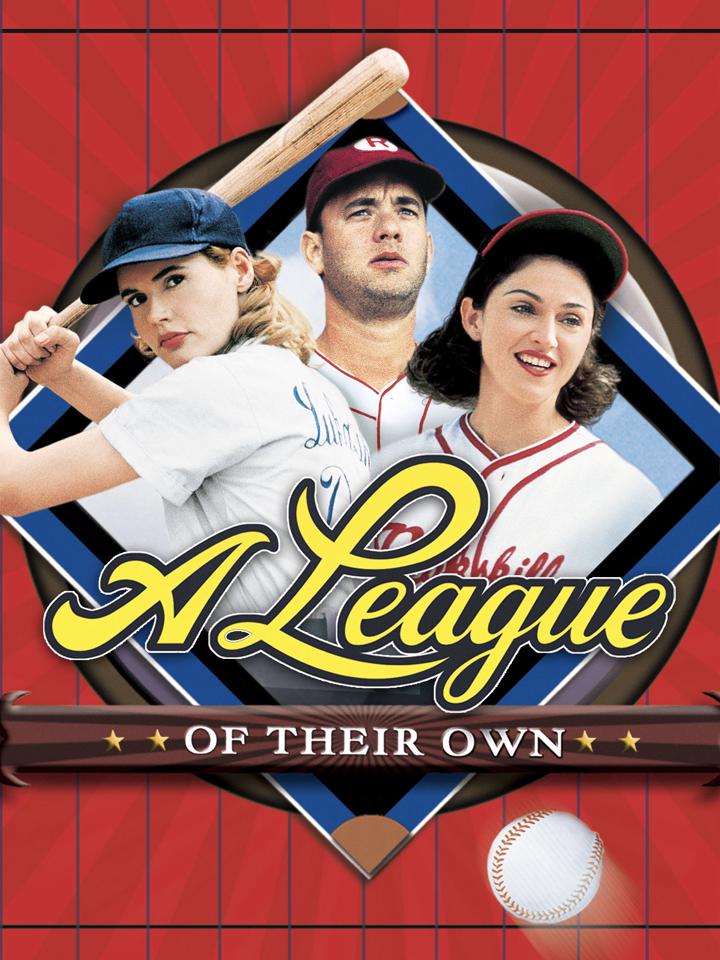
I always forget how good A League of Their Own actually is until I put it on. Even if you’ve never played baseball, there’s something irresistible about this 1992 Penny Marshall film based on the real-life All-American Girls Professional Baseball League. The story centers on sisters Dottie (Geena Davis, basically perfect in every scene) and Kit (Lori Petty) who get swept into a new world of women’s pro ball during World War II. It walks a tightrope between being a rousing sports movie and a sharp, often funny look at sexism and sisterhood, and honestly, it pulls both off better than most. What always hits me first is the cast. Tom Hanks came in hot at a weird in-between moment in his career, playing the washed-up and drunk Jimmy Dugan. He’s cranky, sloppy, and very funny but also lets real warmth break through. Madonna as “All the Way” Mae is surprisingly grounded, and Rosie O’Donnell is one of my favorite sidekicks ever. Gina Davis anchors the team; just her steady gaze during key games says more than most actors get out of a monologue. It’s really easy for movies like this to feel syrupy or fake, but Marshall gets it right. There are a few big speeches, sure, but the film’s best moments come when it leans into the camaraderie, the in-fighting, and the physical toughness required. The team’s overnight bus rides, muddy slides, even the infighting between Dottie and Kit — it all feels real. You can tell the actors actually learned the game. So much sports acting is awkward, and here, everyone’s throwing, sliding, and swinging in a way that actually looks legit. To be honest, the pacing gets a little wobbly toward the end. There’s a chunk of the last act that juggles the championship game with high family drama, and it’s not always smooth. Sometimes it leans a little too hard on swelling music and heartstrings instead of trusting the smaller, more grounded moments. Still, it rarely drags, and the stakes feel authentic. The look of the film is warm and washed in nostalgia without slipping into cartoon territory. The strong period detail gives it weight but doesn’t overwhelm everything else. From the penny-loafer uniforms to the wonky old ballparks, the cinematography makes 1940s America feel tactile instead of just pretty. It helps that Marshall’s direction is unfussy; she lets the games actually play out, and the big baseball moments actually have some suspense. What I admire most is that it doesn’t patronize its characters. Yes, there are jokes about makeup and etiquette lessons, but it makes the grind of pro sports — even in skirts — look brutal. One famous shot of a huge slide-induced bruise is almost legendary now. There’s a real undercurrent of push and pull: these women love the game, but they live in a world that’s itching to close the door on them the second men come home from war. If I had a real gripe, it’s that the movie shortchanges a few side characters who easily could’ve had way more screen time. Charmine, Shirley, even Marla Hooch, who gets one of the best introductions in any sports movie, kind of fades away in the last act. It’s a stacked cast, which means not everyone gets a full arc. But by the time the credits roll, you’re left with the feeling that something meaningful just happened. Yes, it’s entertaining and lightweight in parts, but at its core, it actually respects what it’s about. It’s hard to find a better sports film about women, and honestly, it deserves to be discussed alongside the likes of Field of Dreams or Rocky.
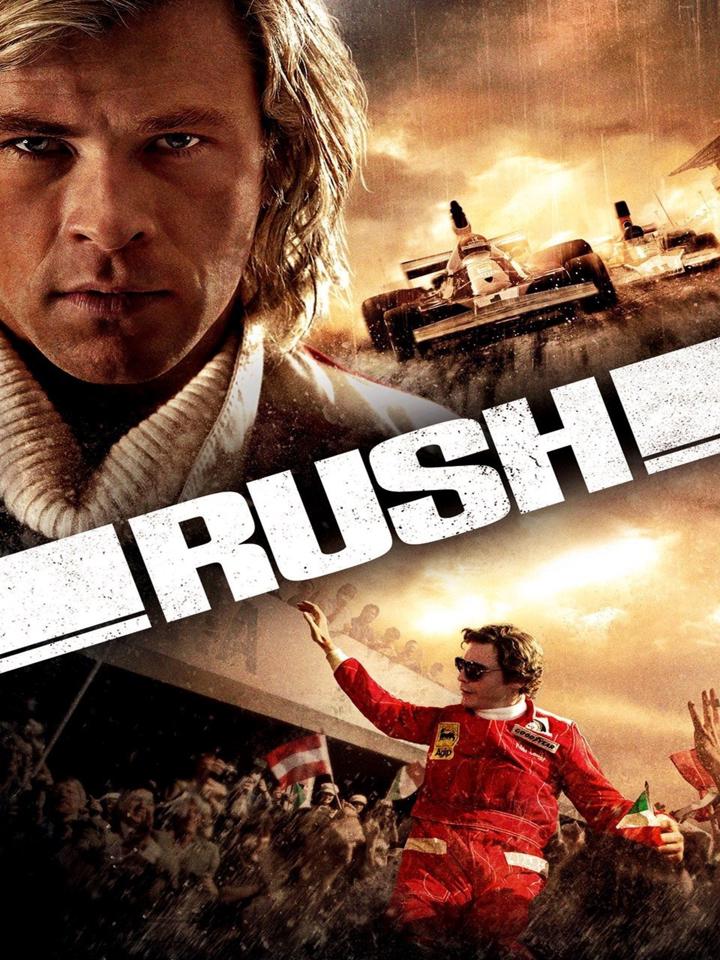
Rush is one of those sports movies that feels like it was engineered in a lab for maximum adrenaline and character drama, but it actually pulls it off. It’s a dramatization of the real-life rivalry between Formula 1 drivers James Hunt and Niki Lauda during the 1976 season, and unlike a lot of based-on-a-true-story flicks, it’s smart enough to lean into the messier (and frankly, more interesting) personalities of both men. Chris Hemsworth’s James Hunt is charming, reckless, and kind of a trainwreck, while Daniel Brühl’s Lauda is all sharp edges and uncompromising will. The dynamic between them is fascinating - you actually feel the respect and resentment simmering beneath every interaction. Ron Howard’s direction does a surprisingly good job of making Formula 1 racing cinematic, even if you don’t care a bit about the sport. The way he shoots the races, especially at the Nürburgring, is intense without feeling like cheap action. You get just enough chaos to feel the danger, but the editing never loses you. In a lot of racing movies, every car ends up looking the same, but here, the mix of shots inside the cockpit, close-ups of the drivers’ eyes, and some almost poetic slo-mo moments actually put you into their heads. Tonally, the movie knows what it wants. It’s not all sweaty-palmed race montages - there’s this almost 70s rock energy throughout, with sex, parties, and ugly egos on full display. But then, it flips the switch hard into real drama. There’s one hospital sequence with Lauda that’s rough, unflinching, and a million miles away from formulaic tearjerking. The pacing is tight - you get the sense there’s no fat because everything is building toward that one, fateful race. If I have a gripe, it’s that the women in the film feel like they dropped in from a different, less interesting story. Olivia Wilde and Alexandra Maria Lara do what they can, but you can tell they’re mostly there to bat their eyes or worry beautifully in the background. With such layered male leads, it’s a bit of a letdown to see everyone else orbiting them without the same depth. Cinematography is stylish but not show-offy. There’s a warmth to the color grading that puts you right in the 70s, but it never feels retro in a gimmicky way. Hans Zimmer’s score is exactly what you’d expect: reliably pulse-pounding, big, and just sentimental enough without tripping into cheese. Ultimately, what makes Rush work is the respect for its audience. It trusts you to keep up, doesn’t dumb down the technical lingo, and actually treats rivalry not as caricature but as a complicated, ever-shifting bond. You walk away feeling like you met two real people, not just a hero and a villain.
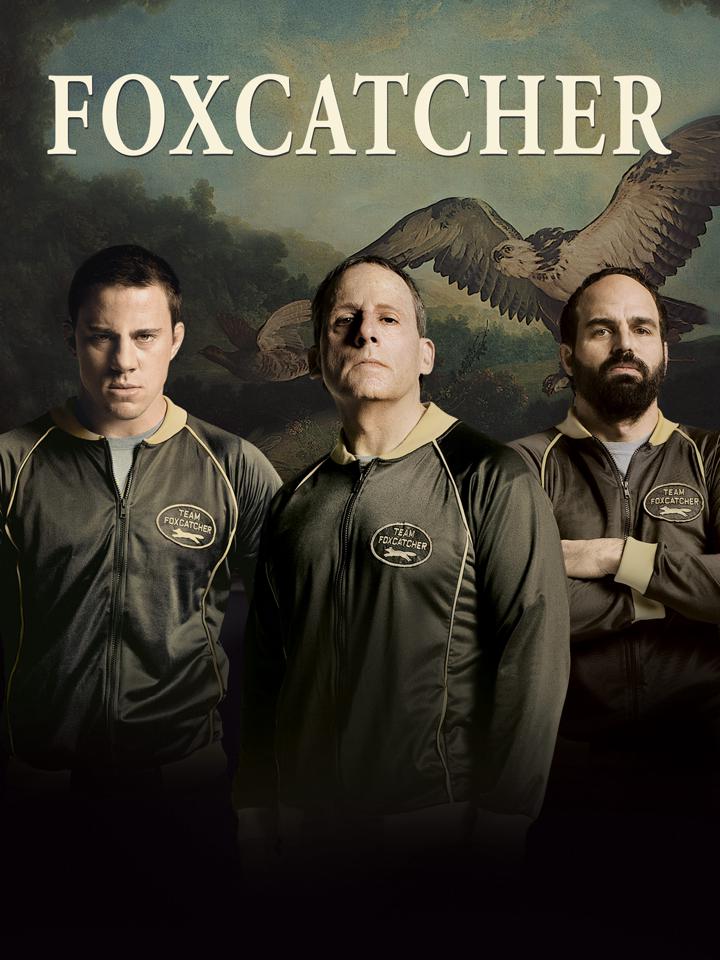
Foxcatcher is the kind of sports movie that sneaks up on you - not because it’s full of underdog triumphs or adrenaline, but because it’s suffocatingly tense and really, really strange. It tells the true story of Olympic wrestling champions Mark and Dave Schultz and their complicated relationship with eccentric millionaire John du Pont, who bankrolls their shot at success. The film’s atmosphere is bleak but constantly gripping, capturing the sometimes ugly side of ambition and what can happen when personal demons mix with immense resources. The main thing that stood out to me was Steve Carell’s performance. Seriously, you’ve never seen him like this: hunched, icy, and deeply unsettling behind prosthetic makeup. Channing Tatum is quietly intense as Mark Schultz, and Mark Ruffalo gives warmth and humility to his older brother Dave. The three leads generate an uncomfortable chemistry - it’s like you’re watching a slow-motion train wreck, but you can’t turn away. What didn’t quite land for me was the pacing in the middle. The film takes its time, sometimes too much, letting things simmer instead of boil. While this fits the overall mood, there were stretches where I found myself wanting a bit more energy or emotional spike, especially knowing that actual sporting achievement is more of a backdrop than the main event. The cinematography is muted - almost cold, with lots of greys and overcast skies, creating a kind of visual chilliness that fits the story perfectly. Every shot feels deliberate, adding to the sense of unease. Director Bennett Miller knows how to shoot both the tension in wrestling matches and the tension in silent, uncomfortable rooms; that’s no small feat. You’d enjoy this if you like sports stories that dive deep into character psychology, or if you’re up for something somber and slow-burning rather than crowd-pleasing and triumphant. It’s more about ambition, obsession, and power than medals and cheering stadiums. If you like true crime and character studies as much as you like sports, Foxcatcher is definitely worth a watch.
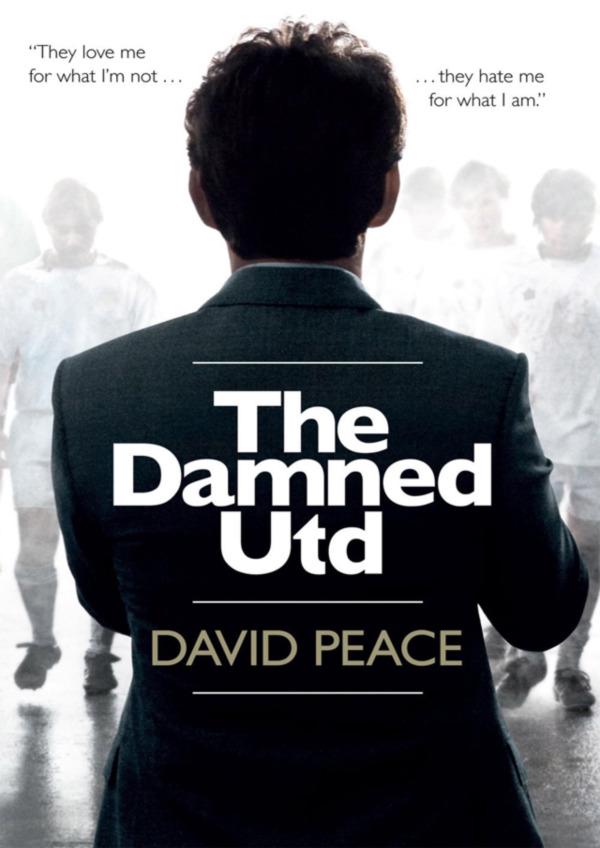
If you’re even a little interested in football (soccer), *The Damned United* is one of those under-the-radar gems that dives into the messy real-life drama behind the sport. It focuses on Brian Clough’s short, tumultuous stint managing Leeds United in the 1970s, and Michael Sheen absolutely nails the role - charismatic, brash, and brilliantly flawed. It’s not about the matches so much as the personalities and power struggles off the pitch, which makes it engaging even if you don’t know much about British football history. What really stood out for me was how the film wasn’t afraid to show Clough as difficult and even unlikeable at times, but still made you root for him. The script is sharp, with plenty of wit and tension, and there’s an authenticity to the way it captures the era - gritty, rain-soaked, and filled with cigarette smoke. The supporting cast (especially Timothy Spall as Clough’s loyal assistant) gives the story a lot of heart and balance, even when the protagonist is spiraling. If there’s a downside, it’s that the movie moves quickly through key events, so you sometimes wish you got a bit more of the backstory or the inner lives of other characters. But for anyone who loves sports dramas that focus on the people behind the teams - flawed, proud, and ambitious - this is a compelling watch. Football fans will appreciate the nods to history, but even casual viewers will get pulled in by the character study.