Quick Info
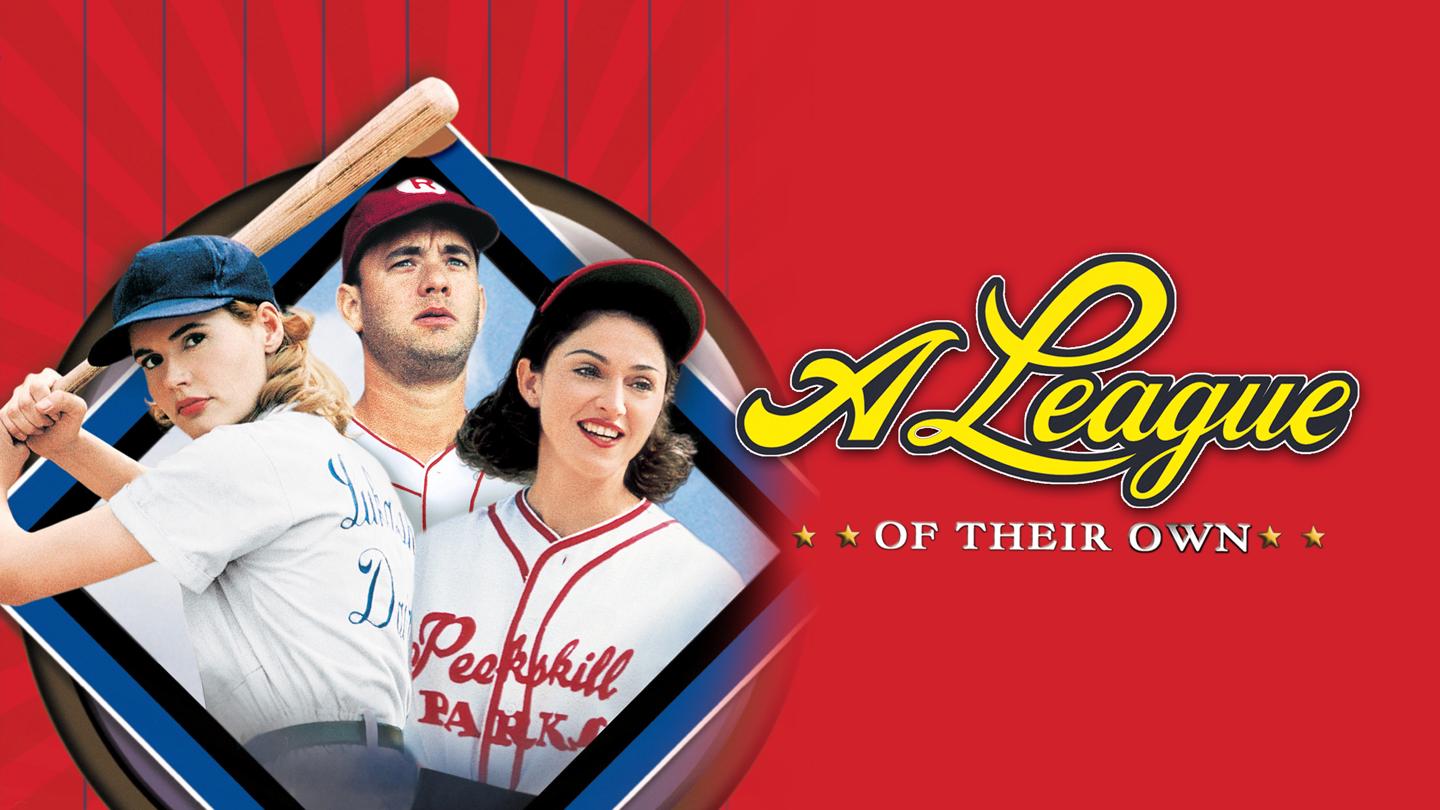
I always forget how good A League of Their Own actually is until I put it on. Even if you’ve never played baseball, there’s something irresistible about this 1992 Penny Marshall film based on the real-life All-American Girls Professional Baseball League. The story centers on sisters Dottie (Geena Davis, basically perfect in every scene) and Kit (Lori Petty) who get swept into a new world of women’s pro ball during World War II. It walks a tightrope between being a rousing sports movie and a sharp, often funny look at sexism and sisterhood, and honestly, it pulls both off better than most.
What always hits me first is the cast. Tom Hanks came in hot at a weird in-between moment in his career, playing the washed-up and drunk Jimmy Dugan. He’s cranky, sloppy, and very funny but also lets real warmth break through. Madonna as “All the Way” Mae is surprisingly grounded, and Rosie O’Donnell is one of my favorite sidekicks ever. Gina Davis anchors the team; just her steady gaze during key games says more than most actors get out of a monologue.
It’s really easy for movies like this to feel syrupy or fake, but Marshall gets it right. There are a few big speeches, sure, but the film’s best moments come when it leans into the camaraderie, the in-fighting, and the physical toughness required. The team’s overnight bus rides, muddy slides, even the infighting between Dottie and Kit — it all feels real. You can tell the actors actually learned the game. So much sports acting is awkward, and here, everyone’s throwing, sliding, and swinging in a way that actually looks legit.
To be honest, the pacing gets a little wobbly toward the end. There’s a chunk of the last act that juggles the championship game with high family drama, and it’s not always smooth. Sometimes it leans a little too hard on swelling music and heartstrings instead of trusting the smaller, more grounded moments. Still, it rarely drags, and the stakes feel authentic.
The look of the film is warm and washed in nostalgia without slipping into cartoon territory. The strong period detail gives it weight but doesn’t overwhelm everything else. From the penny-loafer uniforms to the wonky old ballparks, the cinematography makes 1940s America feel tactile instead of just pretty. It helps that Marshall’s direction is unfussy; she lets the games actually play out, and the big baseball moments actually have some suspense.
What I admire most is that it doesn’t patronize its characters. Yes, there are jokes about makeup and etiquette lessons, but it makes the grind of pro sports — even in skirts — look brutal. One famous shot of a huge slide-induced bruise is almost legendary now. There’s a real undercurrent of push and pull: these women love the game, but they live in a world that’s itching to close the door on them the second men come home from war.
If I had a real gripe, it’s that the movie shortchanges a few side characters who easily could’ve had way more screen time. Charmine, Shirley, even Marla Hooch, who gets one of the best introductions in any sports movie, kind of fades away in the last act. It’s a stacked cast, which means not everyone gets a full arc.
But by the time the credits roll, you’re left with the feeling that something meaningful just happened. Yes, it’s entertaining and lightweight in parts, but at its core, it actually respects what it’s about. It’s hard to find a better sports film about women, and honestly, it deserves to be discussed alongside the likes of Field of Dreams or Rocky.
The R8 Take
Still holds up as one of the best sports films, period. If you like Field of Dreams but wish it had more laughs and more women, this is absolutely your movie.