Quick Info
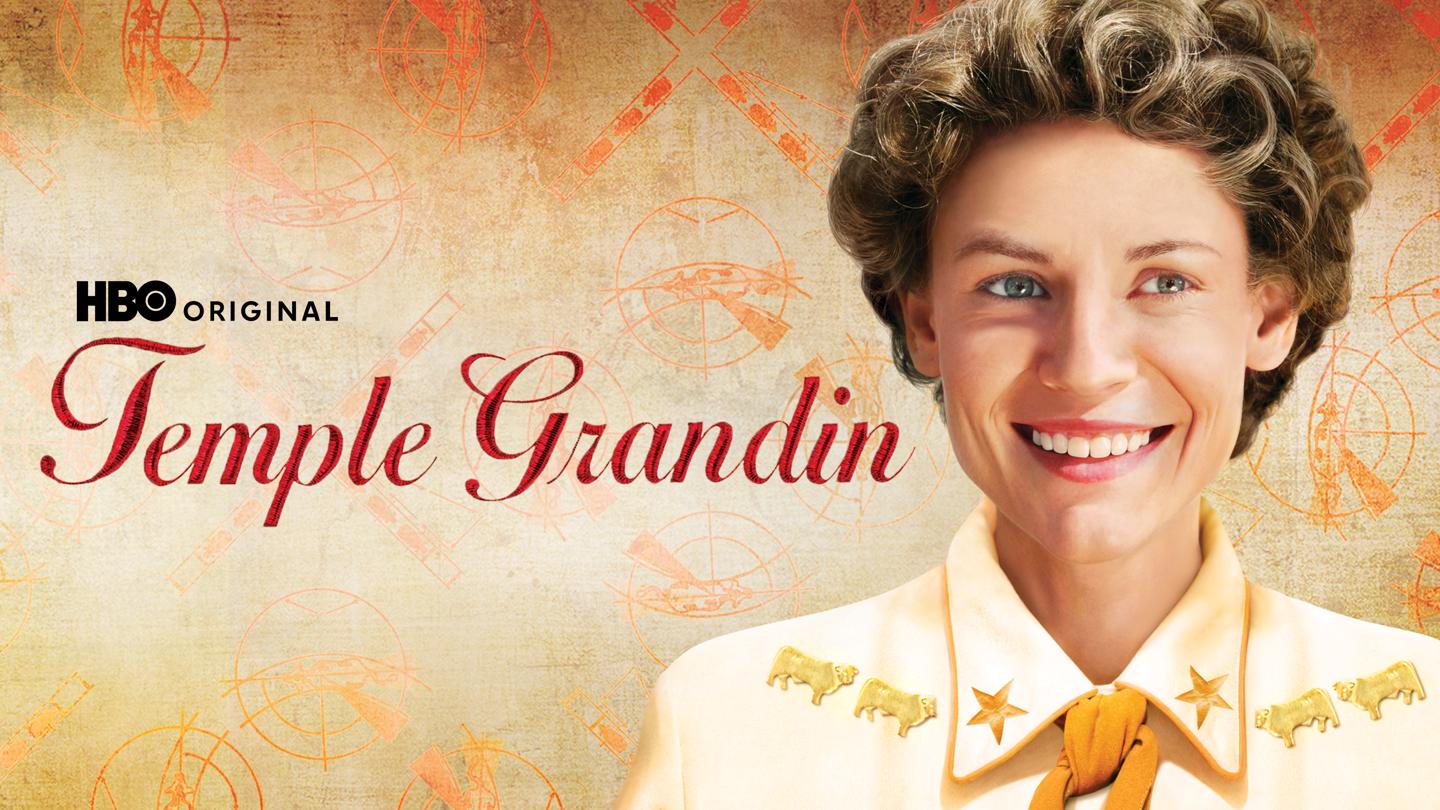
This HBO biopic tells the story of Temple Grandin, an autistic woman who revolutionized the livestock industry with her innovative designs and unique understanding of animal behavior. It’s both a celebration of her achievements and an intimate look at the challenges she faced—socially and professionally—growing up in the 1960s as someone on the spectrum. Claire Danes completely immerses herself in the role, capturing Temple's mannerisms, speech patterns, and emotional world so convincingly that you almost forget you’re watching an actor.
What really stands out here is the direction and visual storytelling. The film uses creative cinematography and clever visual effects to try and place you inside Temple’s distinctive way of thinking—her visual mind, the way she breaks down problems, and her sensitivity to stimuli. It’s informative without ever feeling like a documentary or lecture, which is tricky given the technical aspects of both autism and agricultural engineering the film covers. There’s a lot of warmth and humor, too, particularly in Temple’s interactions with her supportive (if occasionally exasperated) mother, played beautifully by Julia Ormond.
Some moments do land a bit on the “inspirational movie” clichés, especially when you get the sweeping score or pep-talk moments. But honestly, they’re easy to forgive because the emotional beats mostly feel genuine, likely thanks to a script rooted in Temple’s real experiences. It helps that the supporting cast delivers solid performances—Catherine O’Hara and David Strathairn round out the ensemble with nuance and care.
If you’re especially interested in films that showcase neurodiversity or want to see how one woman’s drive and intellect shaped an industry, this is an absolute must. It also does a good job demystifying aspects of autism without resorting to pity or caricature. Visually, it’s quite engaging, and the runtime feels brisk even with all the ground it covers.
You would enjoy this if you love biopics about unsung innovators, enjoy character-driven stories, or want something uplifting and informative that doesn’t entirely gloss over real-life complexity. It’s approachable for adults and older teens, especially those curious about science, psychology, or advocacy.